Source: Wikimedia Commons
Gyas Elephant Beetle
IntermediateMegasoma gyas
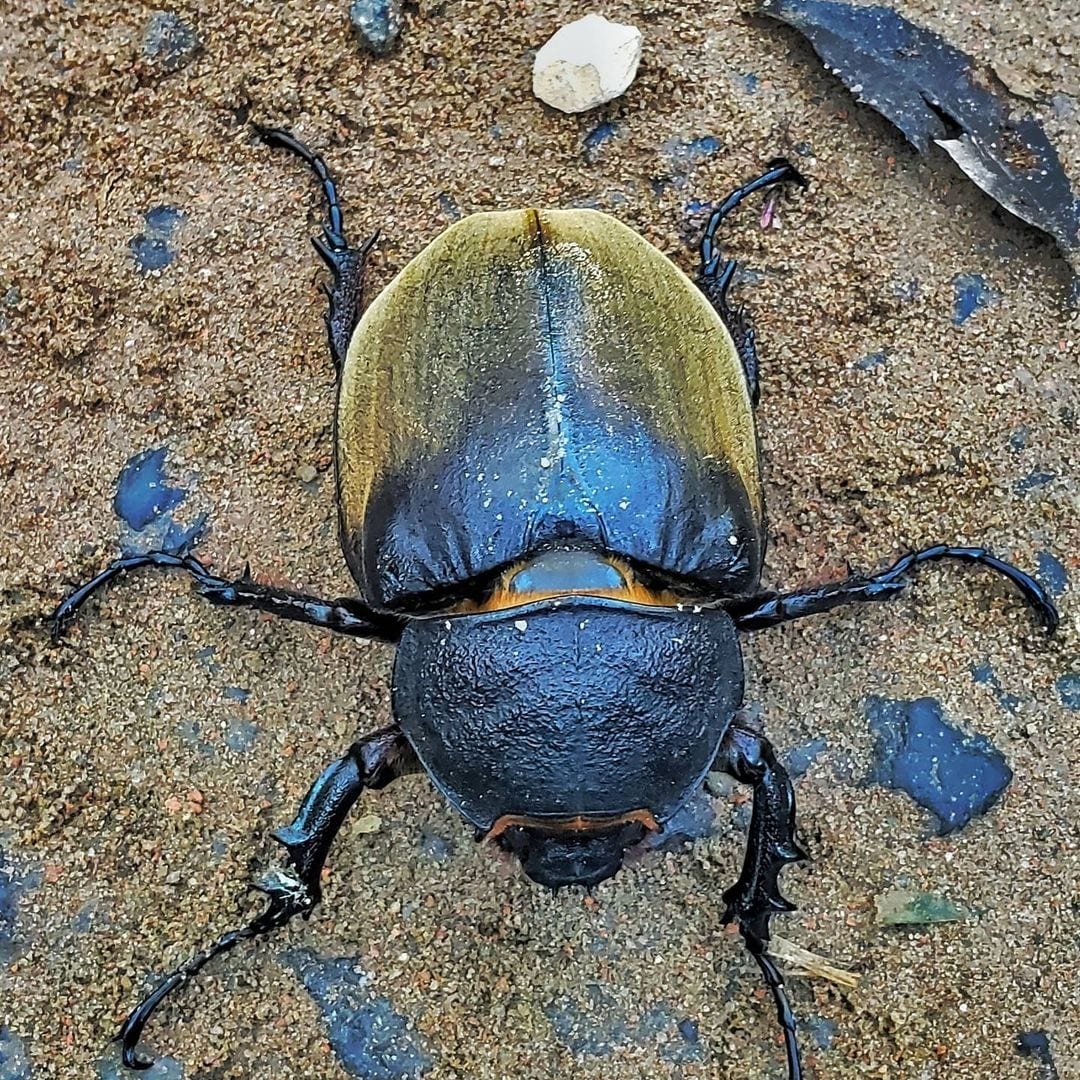
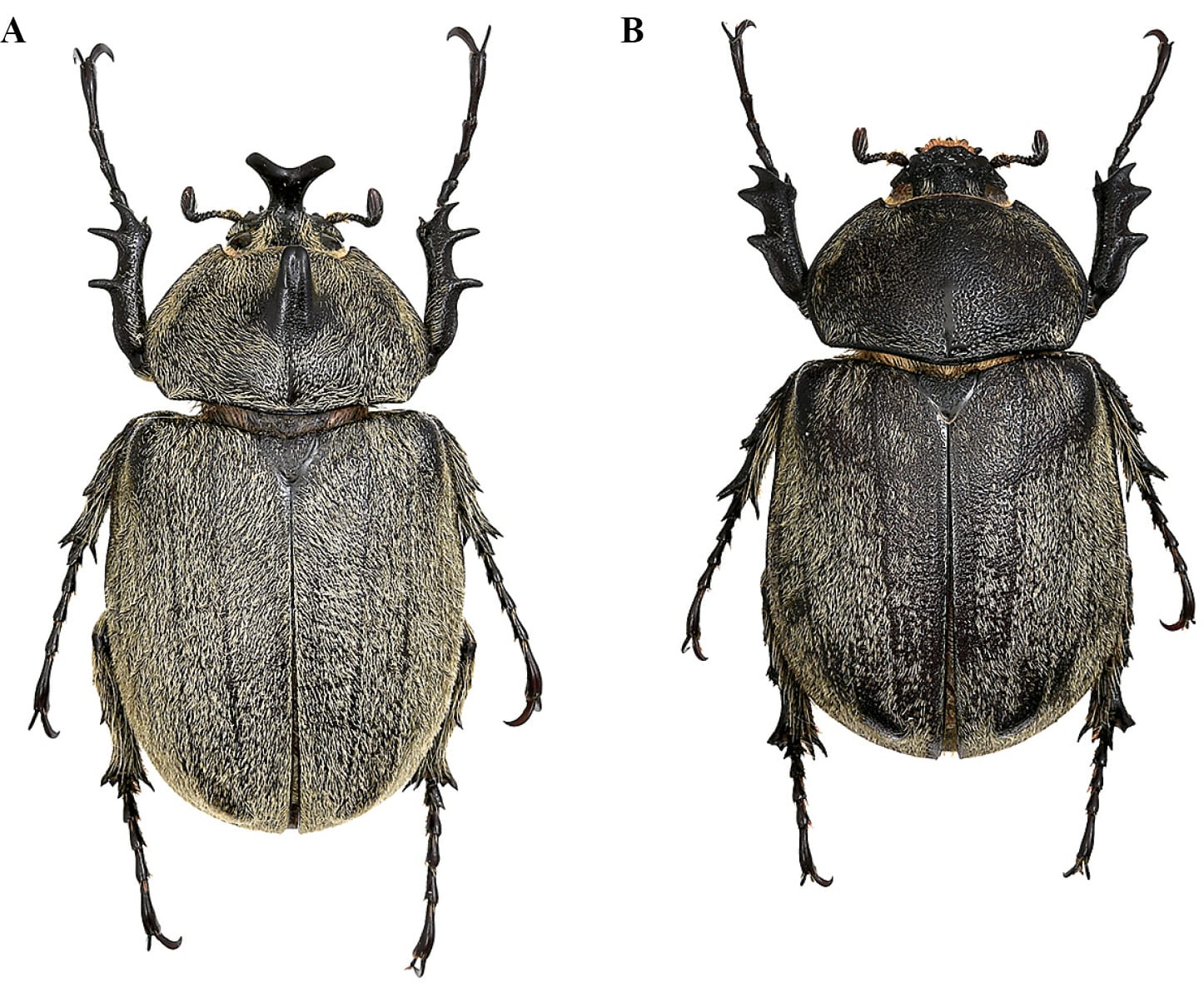
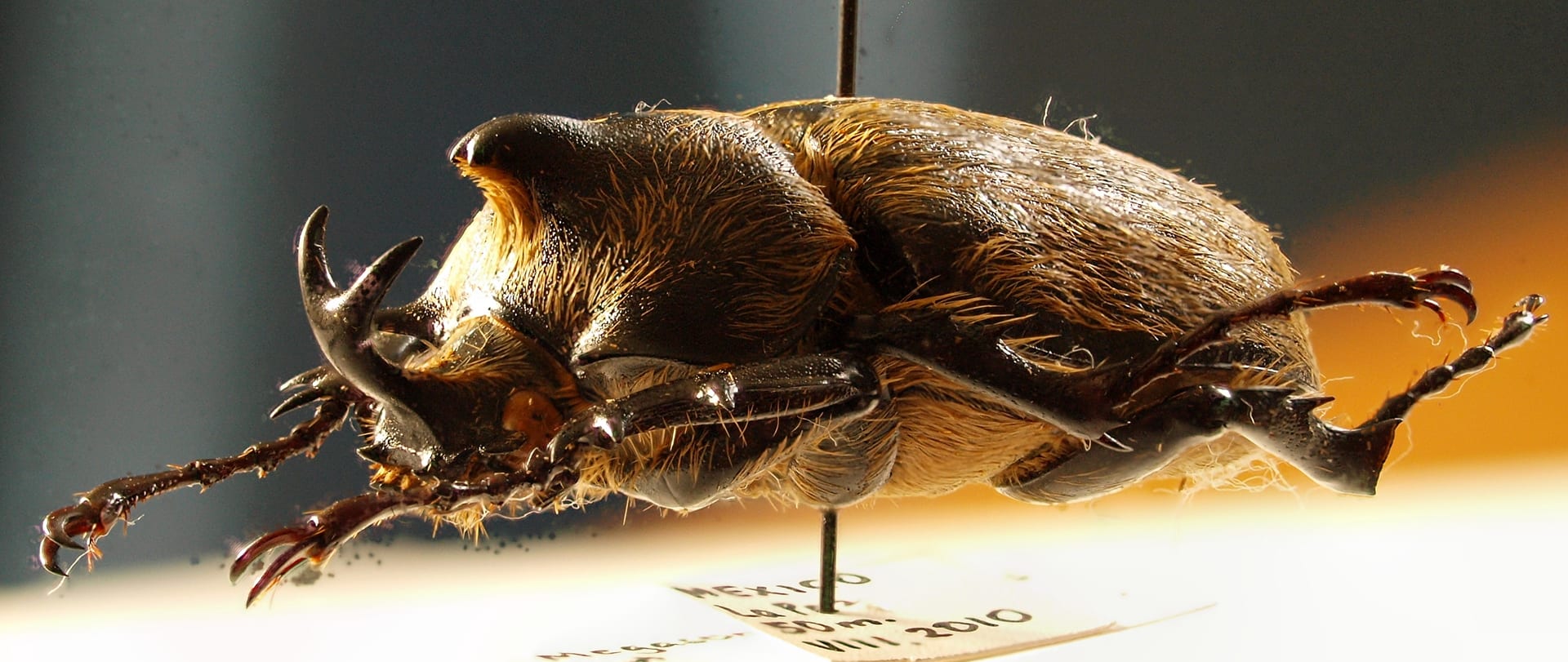
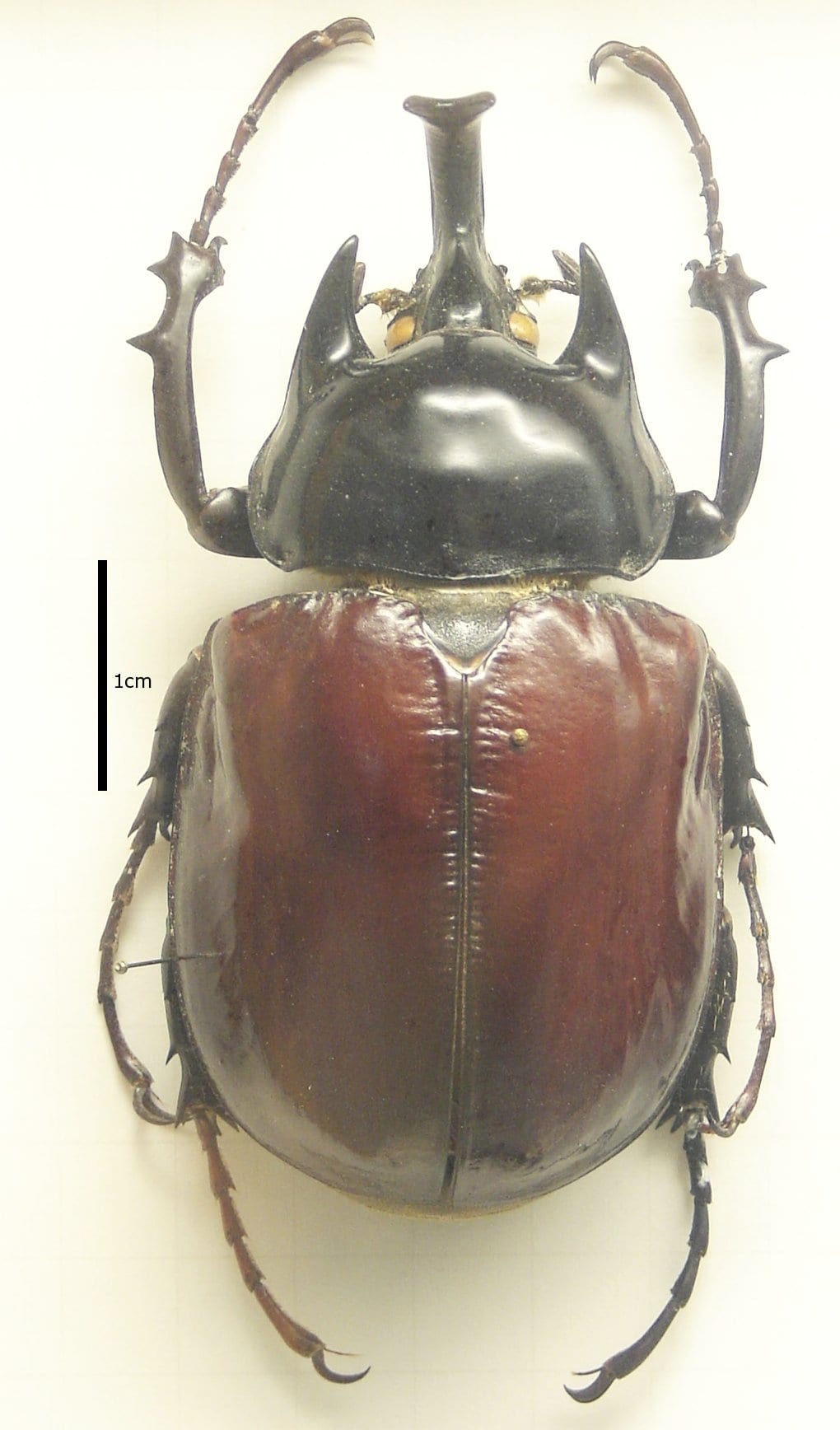
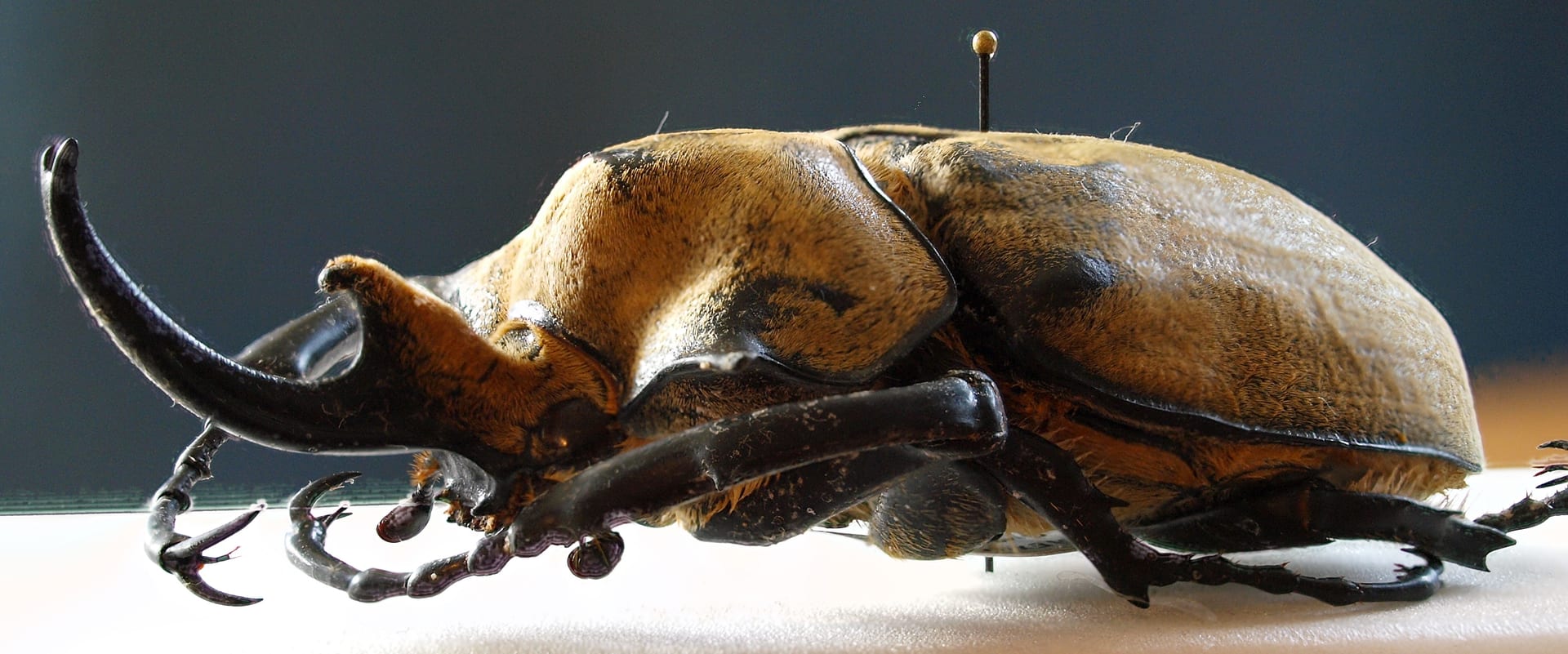
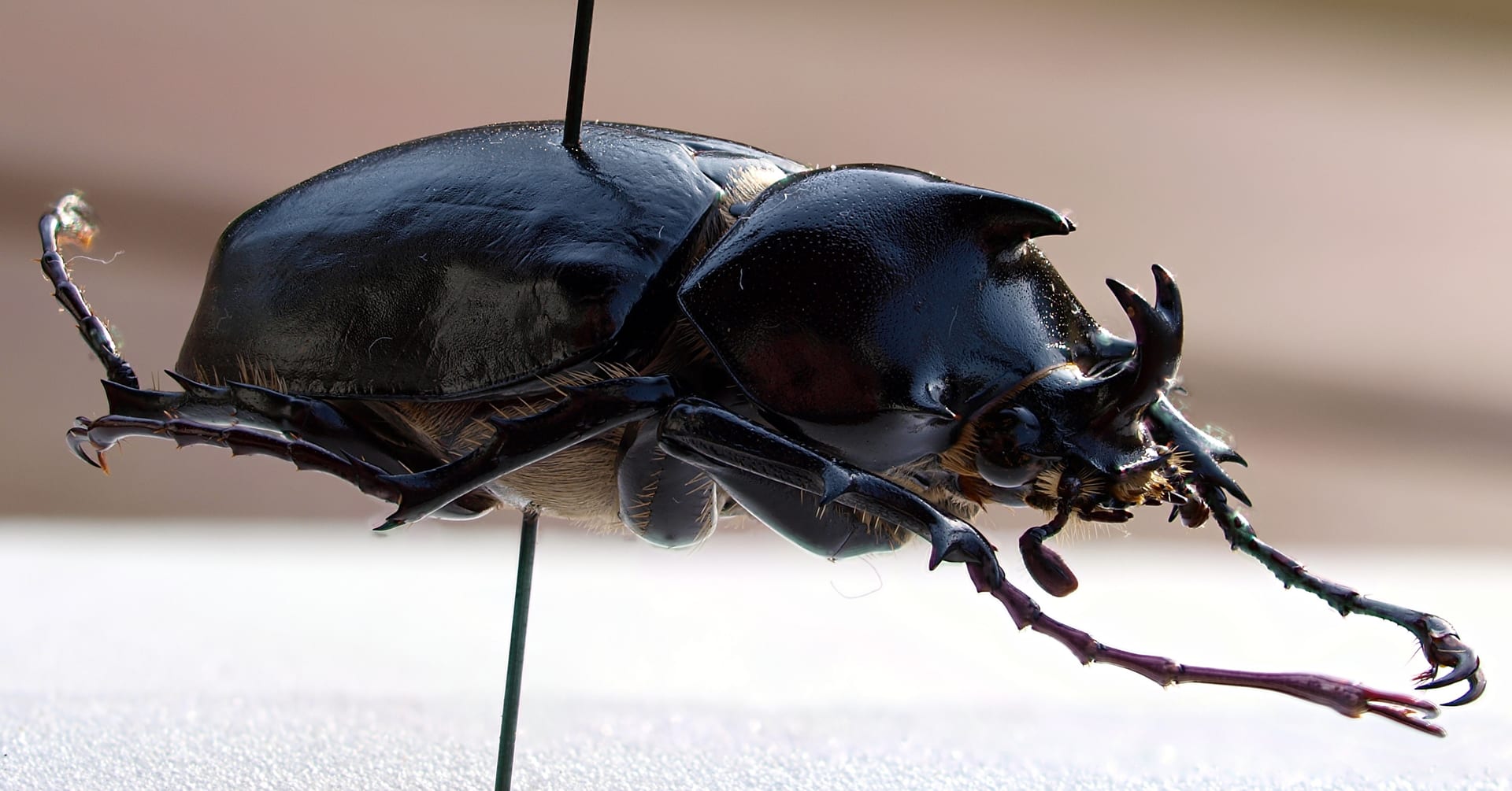
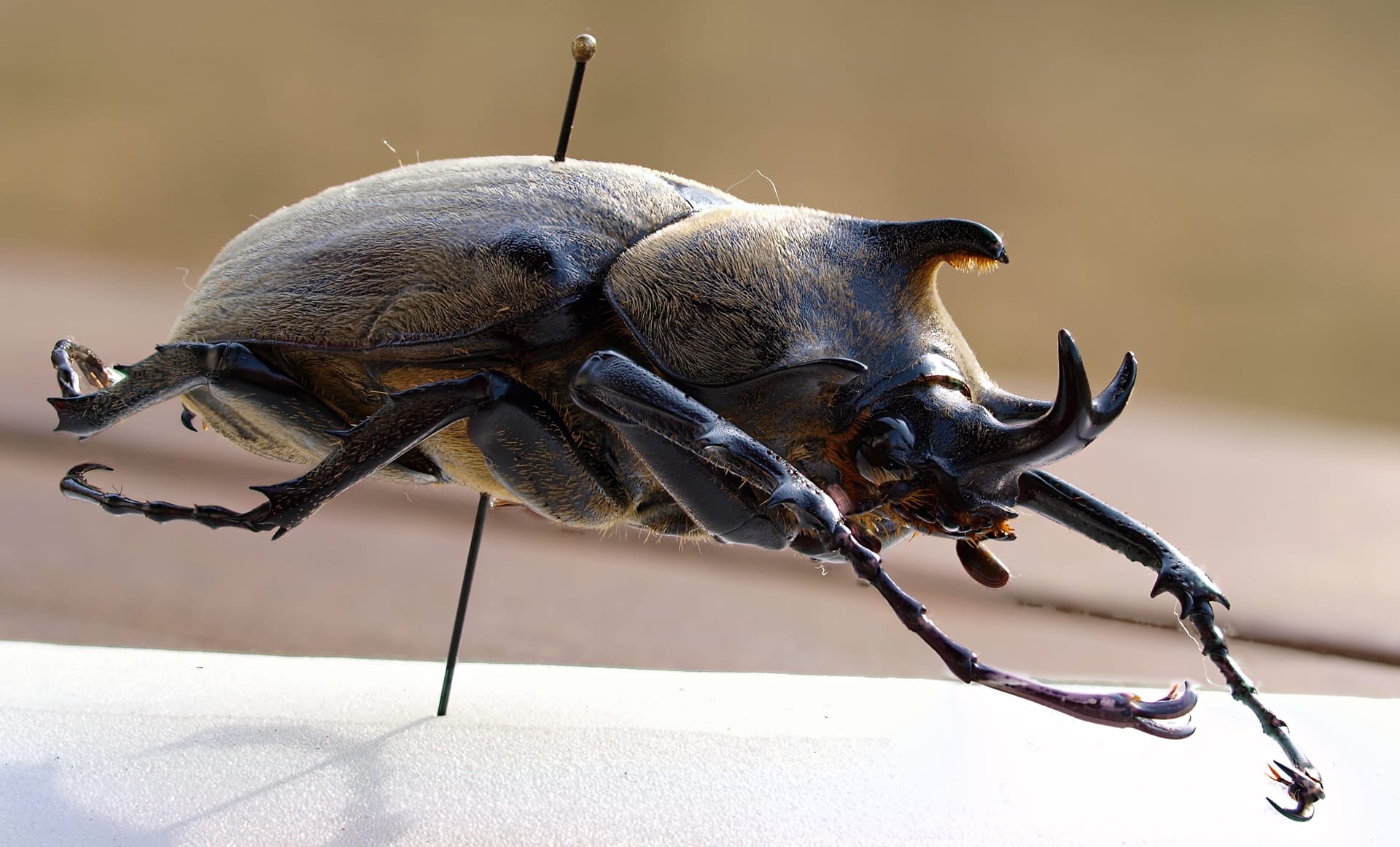
A hairy elephant beetle from Brazil. Males carry one head horn and three thoracic horns, and the body is covered in fine setae. Its former subspecies were reshuffled in a 2020 revision.
Difficulty
Intermediate
Temperature
18℃
Lifespan
Larval period 2-3 years (genus-level figure)
Size
Males about 88mm, females about 54mm (cited example)
Humidity
60〜80%
Diet
Beetle jelly, ripe fruit; larvae on well-fermented substrate
About
The Gyas elephant beetle (Megasoma gyas) is a hairy Megasoma from Brazil. Males have one head horn and three thoracic horns, the body is clothed in fine setae, and females are hornless. Japanese sources placed the nominate form in the southeast and subspecies rumbucheri in the northeast, but the 2020 revision by Prandi et al. restricted M. gyas to the Caatinga of the northeast (rumbucheri a synonym) and moved the long-horned Atlantic-forest form to a separate species, M. typhon (porioni a synonym of M. typhon typhon). Recorded examples give about 88mm for males and 54mm for females, and the full size range is not known. The BE-KUWA 2025 captive record of 118.0mm (2014) belongs to the typhon form (formerly gyas gyas), which the magazine treats as a subspecies of gyas, not to gyas in the strict sense. Megasoma larvae take 2-3 years, so rear them long-term in large volumes of well-fermented substrate. As a general rule for foreign beetles, keep above 18C in winter and avoid heat over 30C.
Source: Wikipedia (CC BY-SA 4.0)
Lifespan of the Gyas Elephant Beetle
The Gyas Elephant Beetle lives Larval period 2-3 years (genus-level figure).
Size of the Gyas Elephant Beetle
The Gyas Elephant Beetle grows to Males about 88mm, females about 54mm (cited example).
Temperature & humidity for the Gyas Elephant Beetle
The ideal temperature for the Gyas Elephant Beetle is 18℃.
Basic Info
Origin
Brazil (Caatinga of the northeast to the southeastern Atlantic forest)
Care Specifications
Semi-aggressiveSolitaryBreeding: Moderate
Sources: Beetle Farm: basic rearing guide / Wikipedia (Megasoma, ja) / Prandi et al. 2020, ZooKeys 999 (revision of the Megasoma gyas species group) / Wikipedia (es)
Breeding Records & Localities
Captive record (♂)
118 mm
Record source: BE-KUWA 2025 edition (Megasoma gyas 'typhon', captive 118.0 mm, ひでまるの里 2014, total length). The magazine treats Prandi's (2020) M. typhon as a subspecies of gyas, so this record belongs to the typhon form formerly traded as gyas gyas
Notable localities
Brazil (Pernambuco)Brazil (Bahia)Brazil (Minas Gerais)
Regional subspecies
- Megasoma gyas(Monotypic after the 2020 revision; rumbucheri is a synonym) — Northeastern Brazil (Caatinga)
- Megasoma typhon typhon(Formerly traded as gyas gyas / porioni) — Southeastern Brazil (Atlantic forest)
Generation codes
- WD
- Wild-caught
- WF1
- Offspring of a wild-caught female
- F1〜
- Captive generations (same locality)
- CBF1
- Cross-locality captive-bred (reset)
References & Sources
Edited & verified by: BreederDirect editorial team
The taxonomic, regulatory, and husbandry data on this page are compiled and verified against the authoritative primary sources below.
Primary sources
Taxonomy & Authority
Accepted name: Megasoma gyas (Herbst, 1785)
Synonyms: Scarabaeus gyas Herbst, 1785, Scarabaeus esau Herbst, 1785, Scarabaeus laniger Olivier, 1789, Megasoma gyas rumbucheri Fischer, 1968
Authority databases: GBIF
Nomenclature follows global taxonomic authority databases.
Regulations & Conservation Status
Not CITES-listed
Sources: CITES Appendices (species not listed) / MOE Japan: import of Scarabaeoidea beetles
Regulations may change. Always verify the latest information with the relevant authorities.
Gyas Elephant Beetle Listings
Loading latest listingsFind listings for this species