Source: Wikimedia Commons
Anubis Elephant Beetle
IntermediateMegasoma anubis
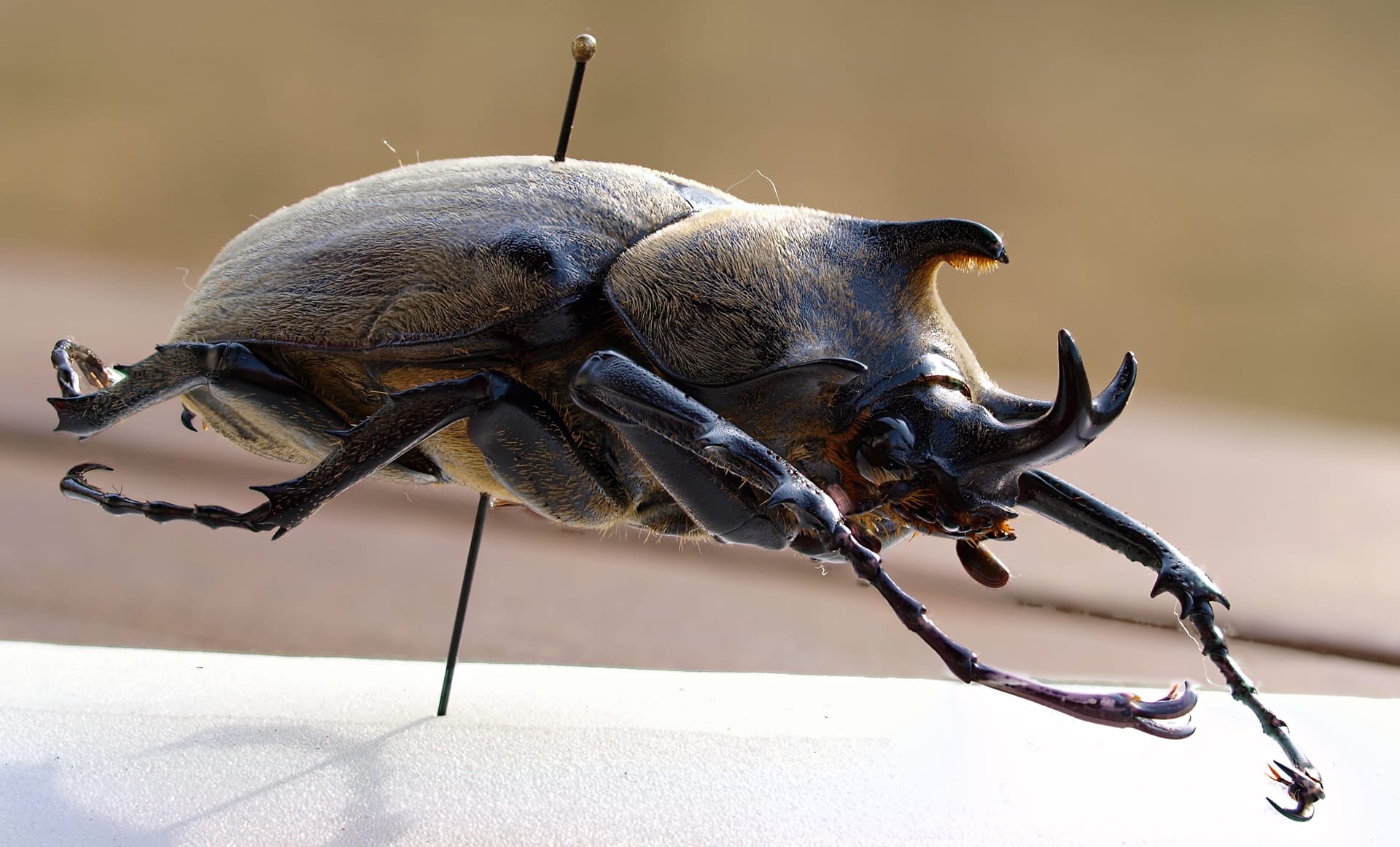
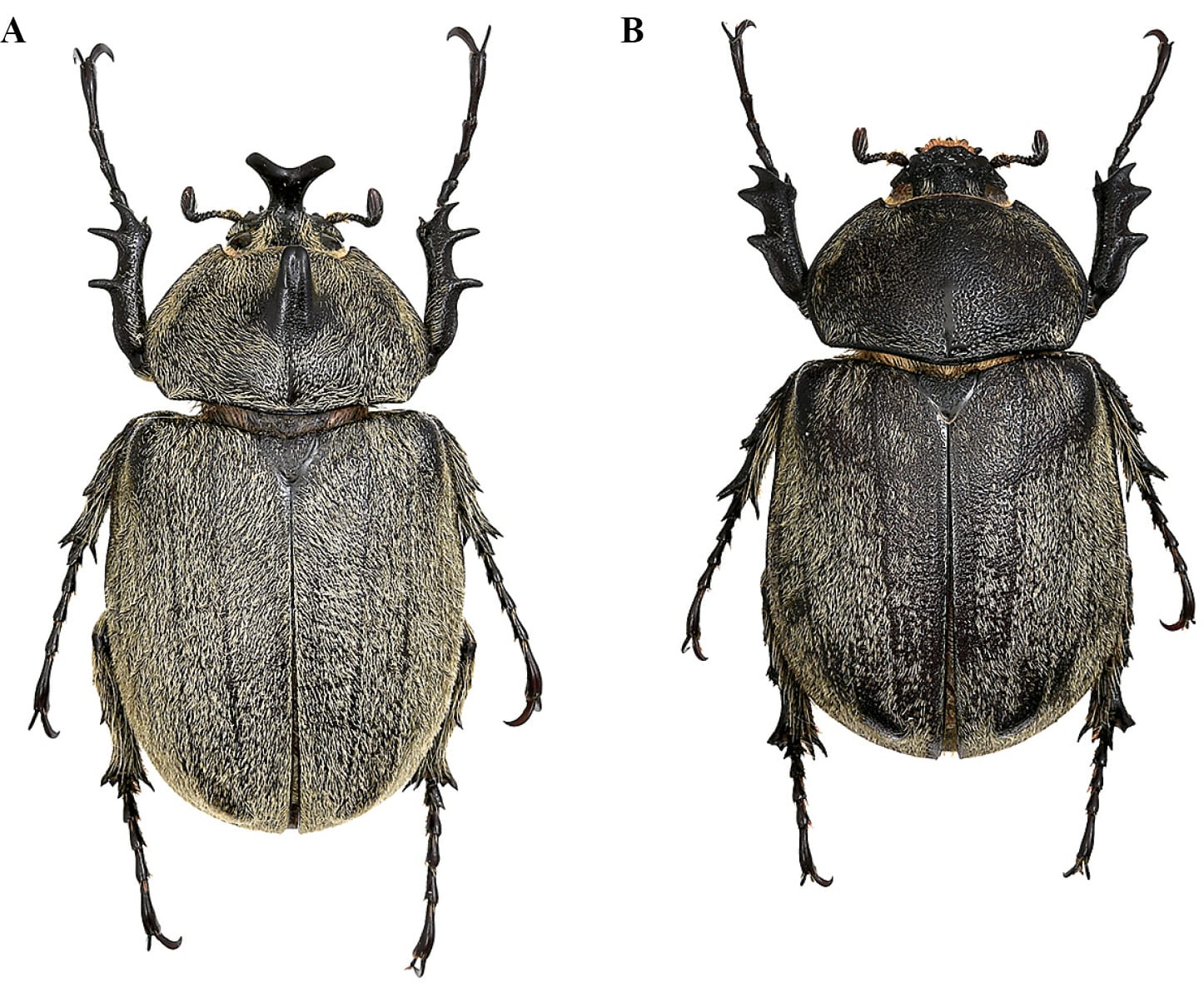
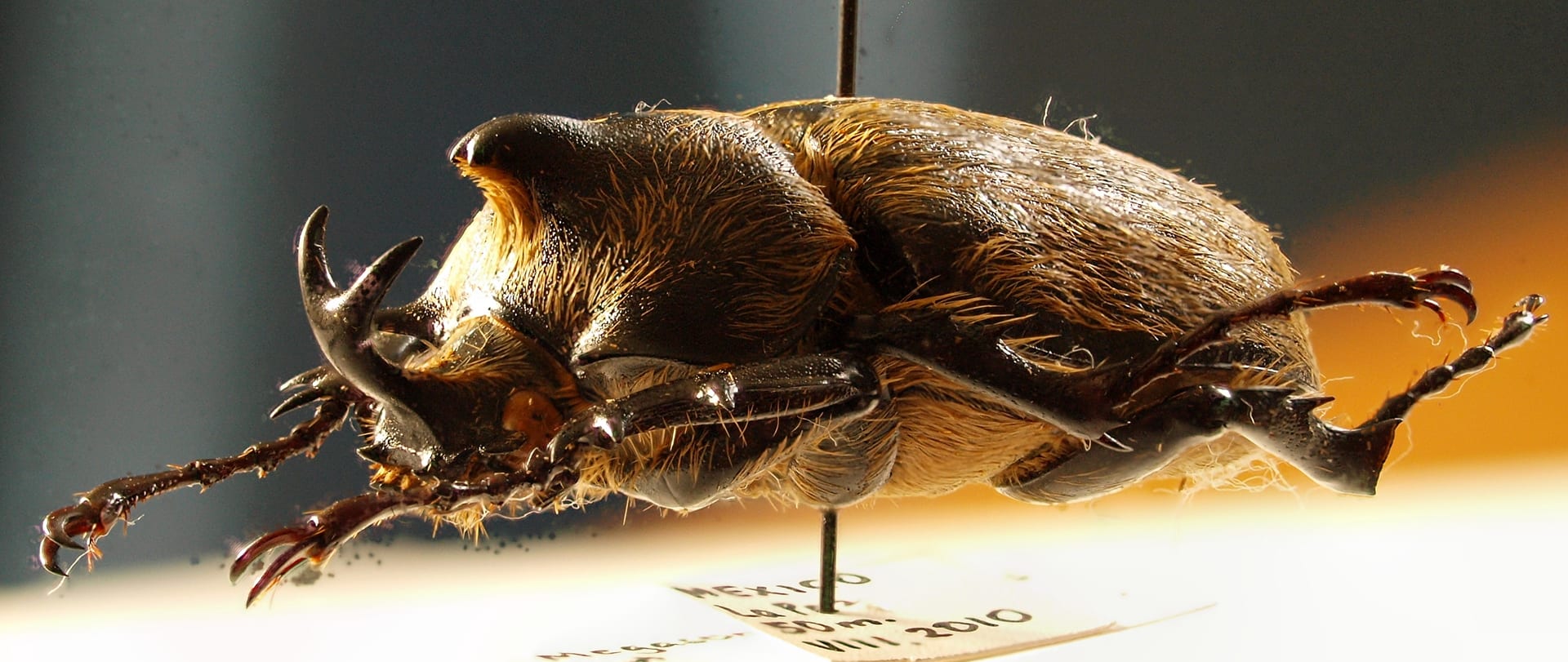
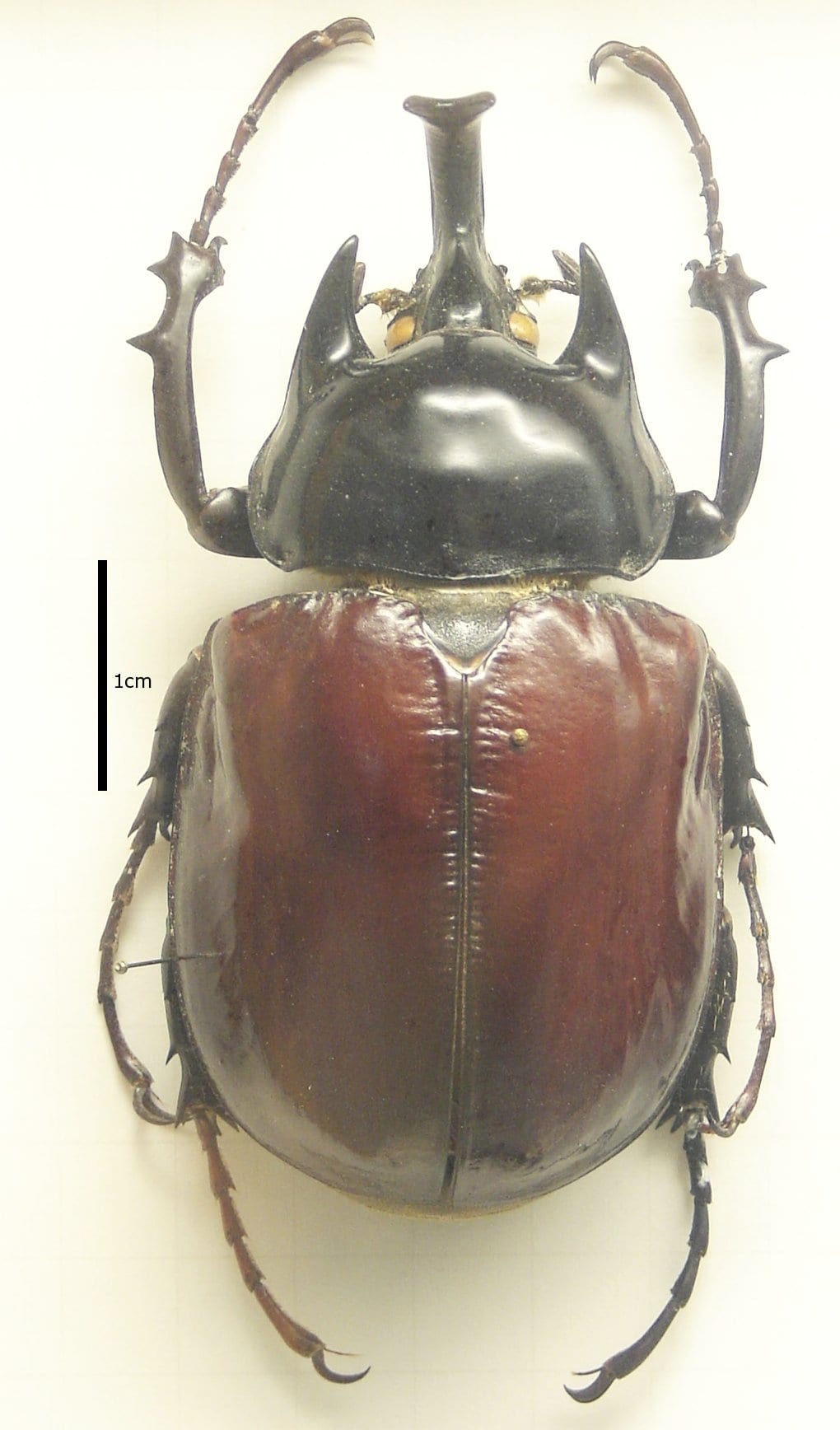
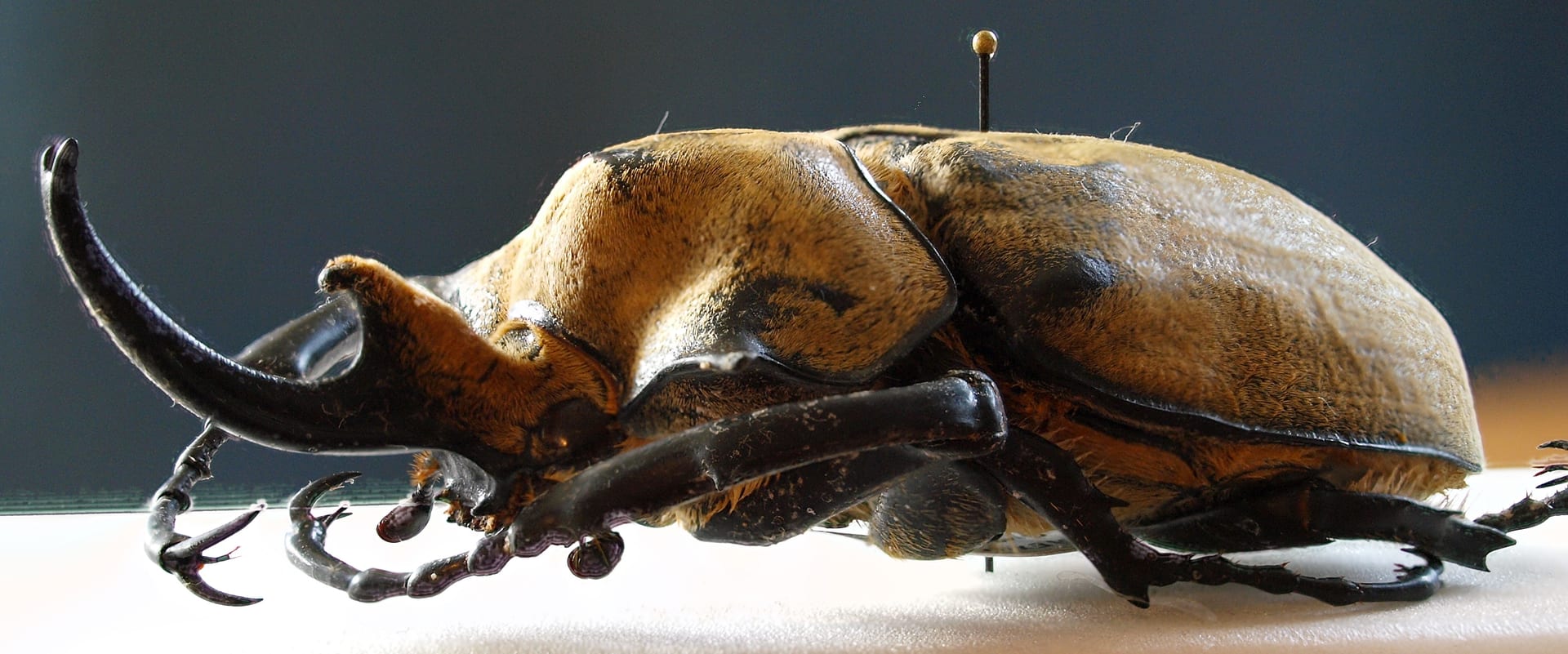
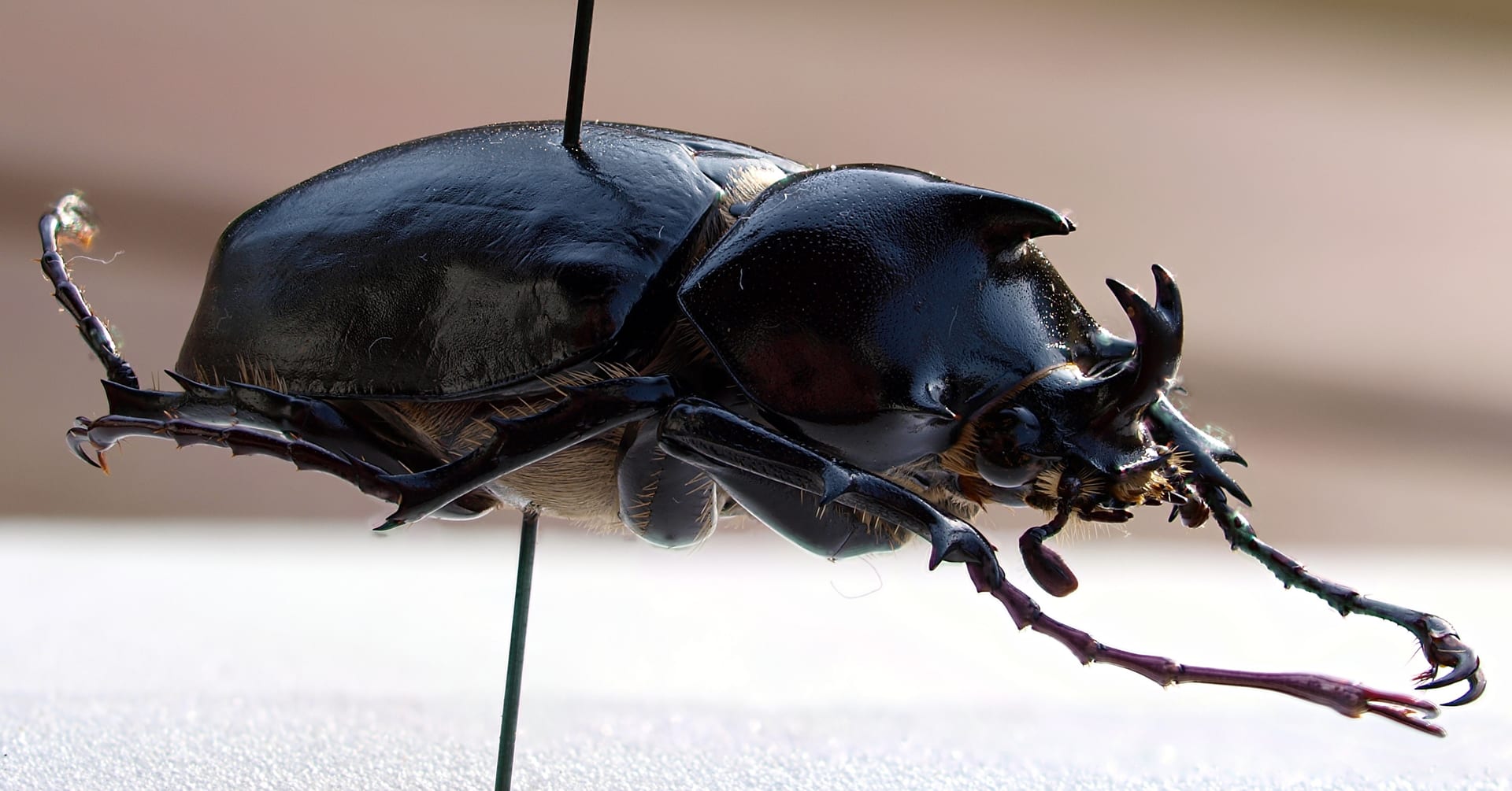
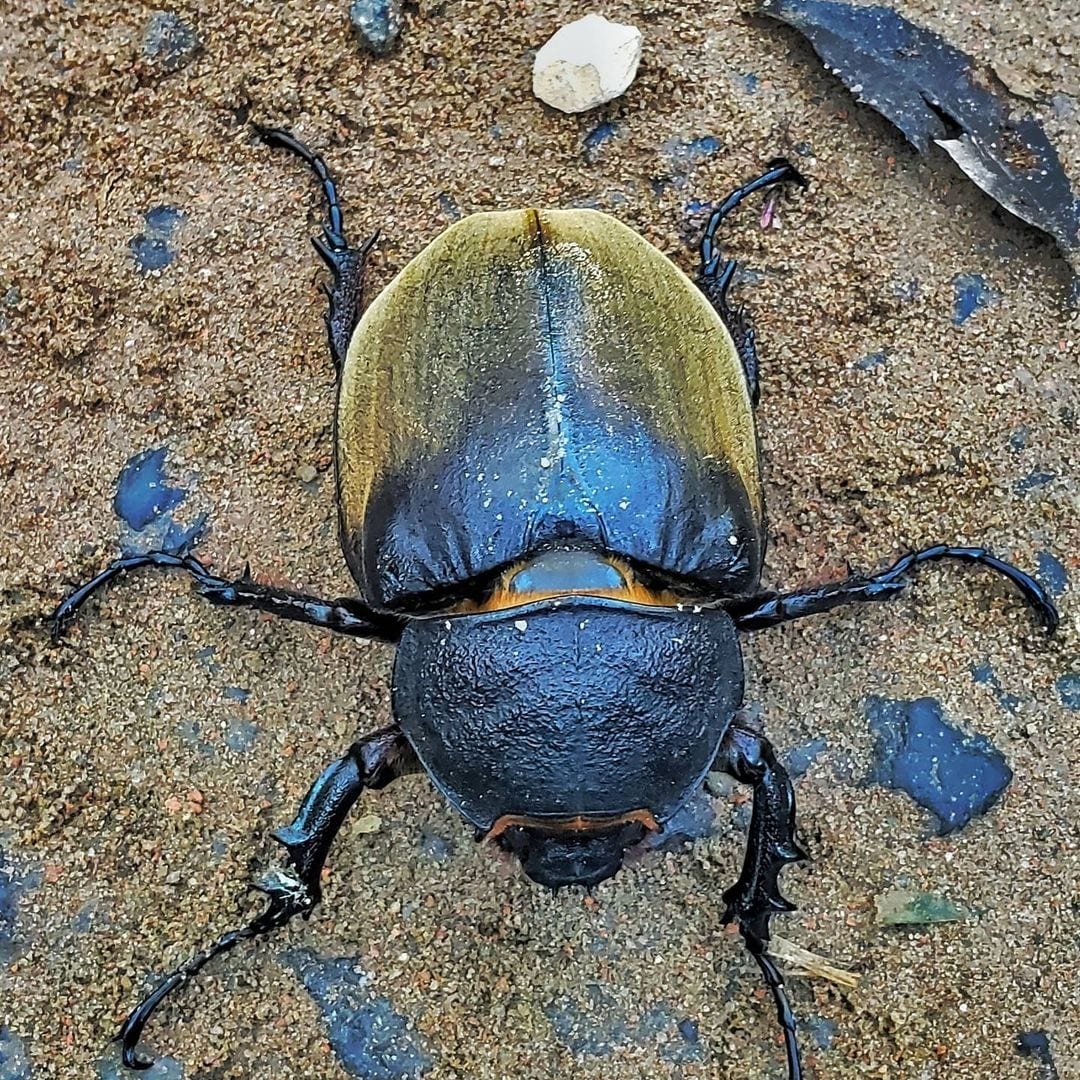
A hairy elephant beetle from southern Brazil to northern Argentina. Males bear a short thoracic horn with a broad forked tip. Larvae develop in palm inflorescences.
Difficulty
Intermediate
Temperature
18℃
Lifespan
Larval period 1-2 years
Size
Males 60-90.4mm, females 40-65mm
Humidity
60〜80%
Diet
Beetle jelly, ripe fruit; larvae on well-fermented substrate
About
The Anubis elephant beetle (Megasoma anubis) is a hairy Megasoma of southern Brazil (Espirito Santo to Rio Grande do Sul), eastern Paraguay and the Misiones region of northern Argentina. Both the head horn and the thoracic horn of the male are short, and the thoracic horn ends in a broad fork; around Teresopolis in Rio de Janeiro state it occurs alongside M. typhon. Males measure 60-90.4mm and females 40-65mm. Larvae feed on inflorescences of the Chinese fan palm (Livistona chinensis) and develop over 1-2 years; adults appear from January to April and eat rotting fruit. In southern Brazil it is sometimes regarded as a pest. Rearing follows other Megasoma, with long-term culture in well-fermented substrate, though its larval period is shorter than in the giant species. As a general rule for foreign beetles, keep above 18C in winter and avoid heat over 30C. Males fight, so house them singly. The BE-KUWA 2025 captive record is 90.4mm (2012).
Source: Wikipedia (CC BY-SA 4.0)
Lifespan of the Anubis Elephant Beetle
The Anubis Elephant Beetle lives Larval period 1-2 years.
Size of the Anubis Elephant Beetle
The Anubis Elephant Beetle grows to Males 60-90.4mm, females 40-65mm.
Temperature & humidity for the Anubis Elephant Beetle
The ideal temperature for the Anubis Elephant Beetle is 18℃.
Basic Info
Origin
Southern Brazil, eastern Paraguay, northern Argentina
Care Specifications
Semi-aggressiveSolitaryBreeding: Moderate
Sources: Beetle Farm: basic rearing guide / Wikipedia (Megasoma, ja) / Prandi et al. 2020, ZooKeys 999 (revision of the Megasoma gyas species group) / Wikipedia (en)
Breeding Records & Localities
Captive record (♂)
90.4 mm
Record source: BE-KUWA 2025 edition (Megasoma anubis, captive 90.4 mm, 藤原崇 2012, total length)
Notable localities
Brazil (Santa Catarina)Brazil (Rio de Janeiro)Eastern ParaguayArgentina (Misiones)
Generation codes
- WD
- Wild-caught
- WF1
- Offspring of a wild-caught female
- F1〜
- Captive generations (same locality)
- CBF1
- Cross-locality captive-bred (reset)
Sources: BE-KUWA rearing records (2025 edition, Mushi-sha) / Prandi et al. 2020, ZooKeys 999 (revision of the Megasoma gyas species group) / Wikipedia (Megasoma, ja)
References & Sources
Edited & verified by: BreederDirect editorial team
The taxonomic, regulatory, and husbandry data on this page are compiled and verified against the authoritative primary sources below.
Taxonomy & Authority
Accepted name: Megasoma anubis (Chevrolat, 1836)
Synonyms: Scarabaeus hector Gory, 1836, Scarabaeus theseus Laporte, 1840
Authority databases: GBIF
Nomenclature follows global taxonomic authority databases.
Regulations & Conservation Status
Not CITES-listed
Sources: CITES Appendices (species not listed) / MOE Japan: import of Scarabaeoidea beetles
Regulations may change. Always verify the latest information with the relevant authorities.
Anubis Elephant Beetle Listings
Loading latest listingsFind listings for this species