Source: Wikimedia Commons
Pacheco's Elephant Beetle
AdvancedMegasoma pachecoi
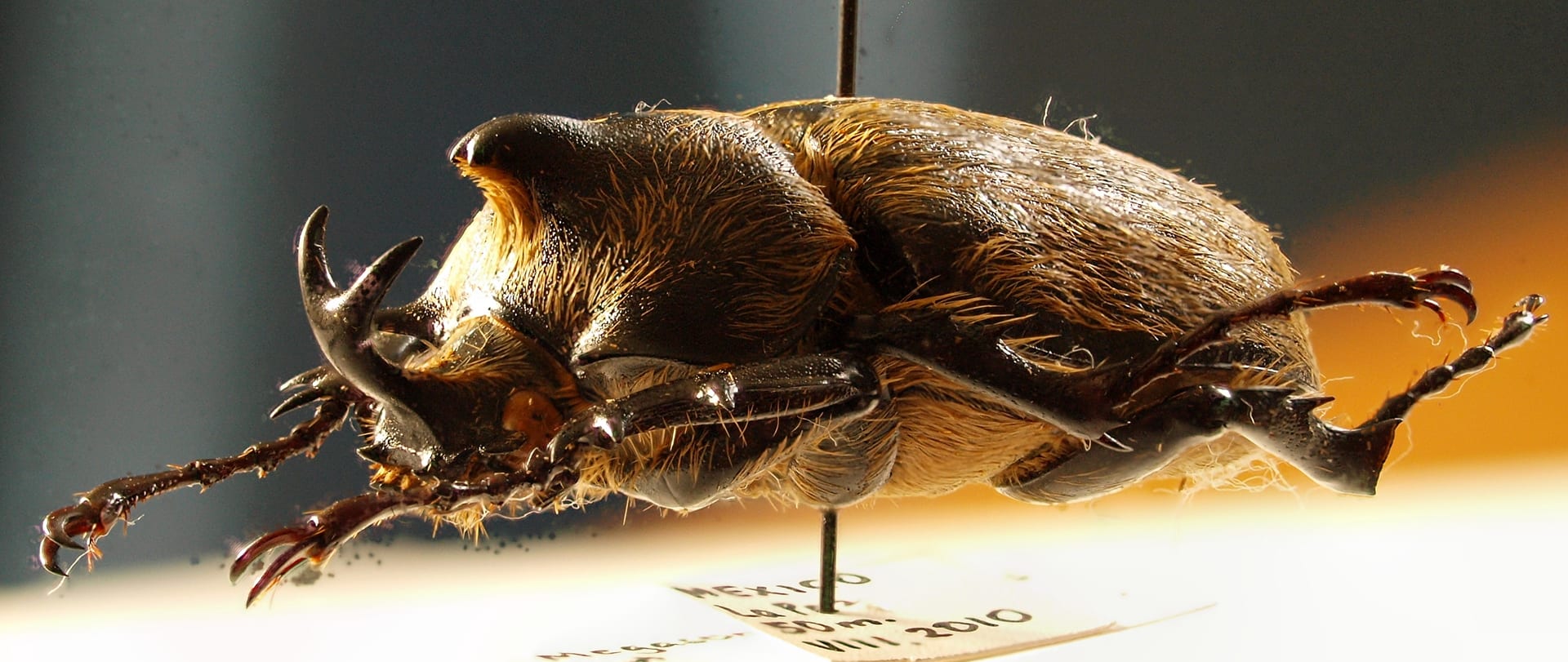
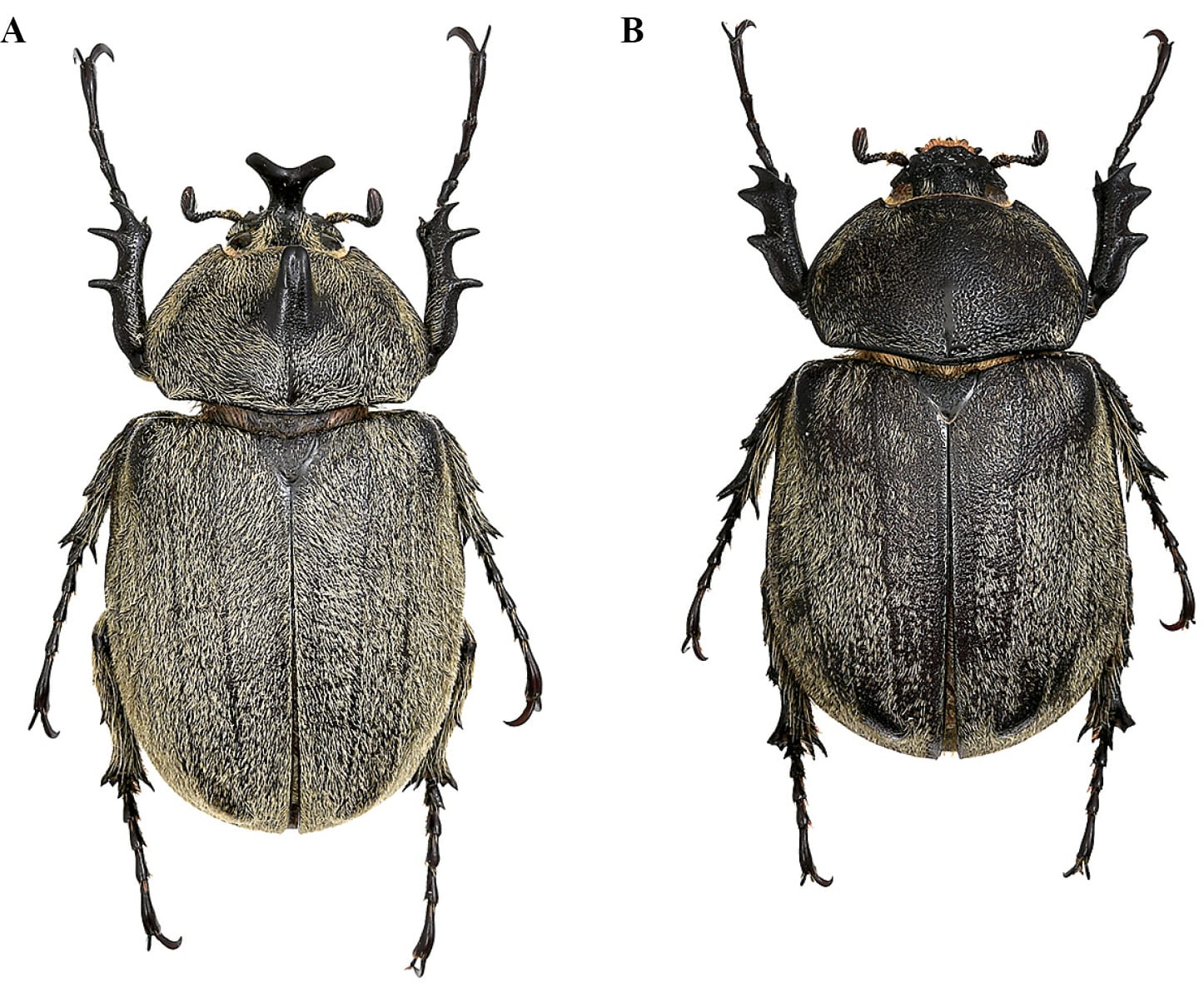
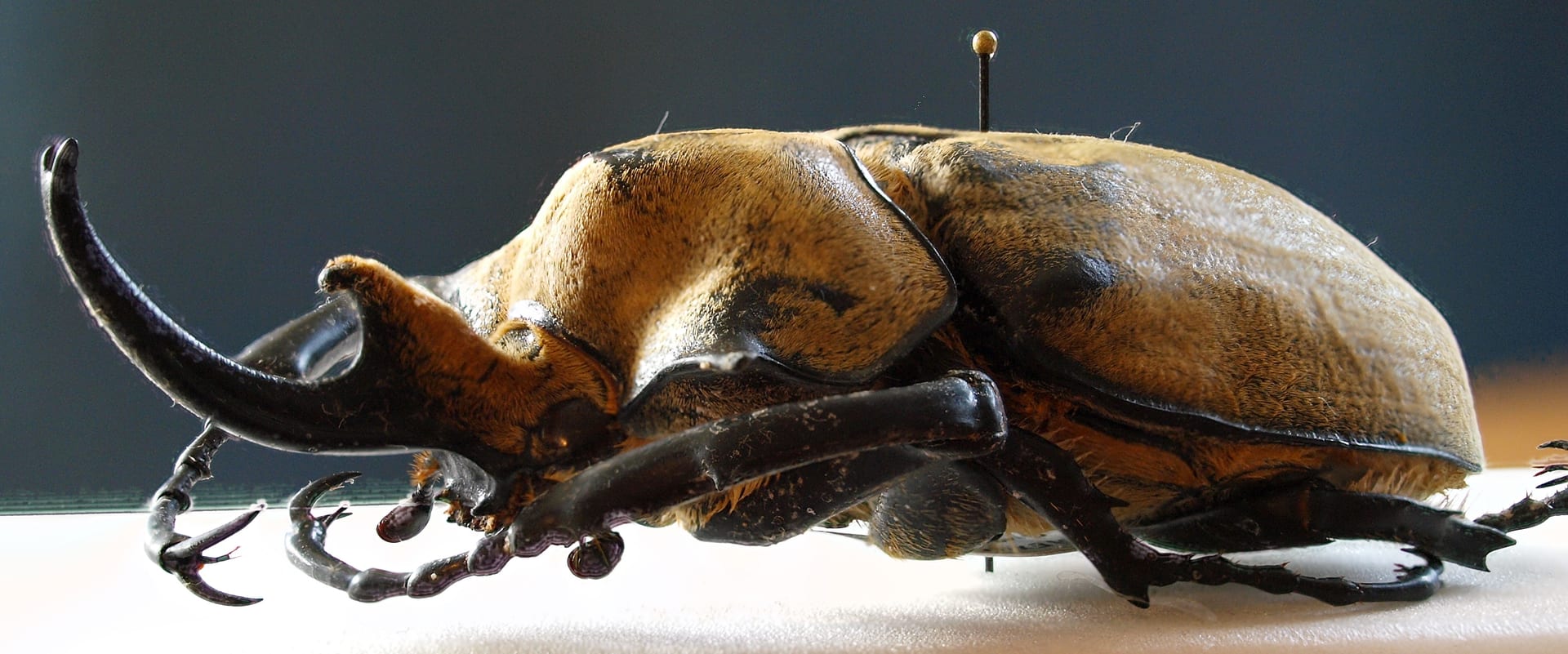
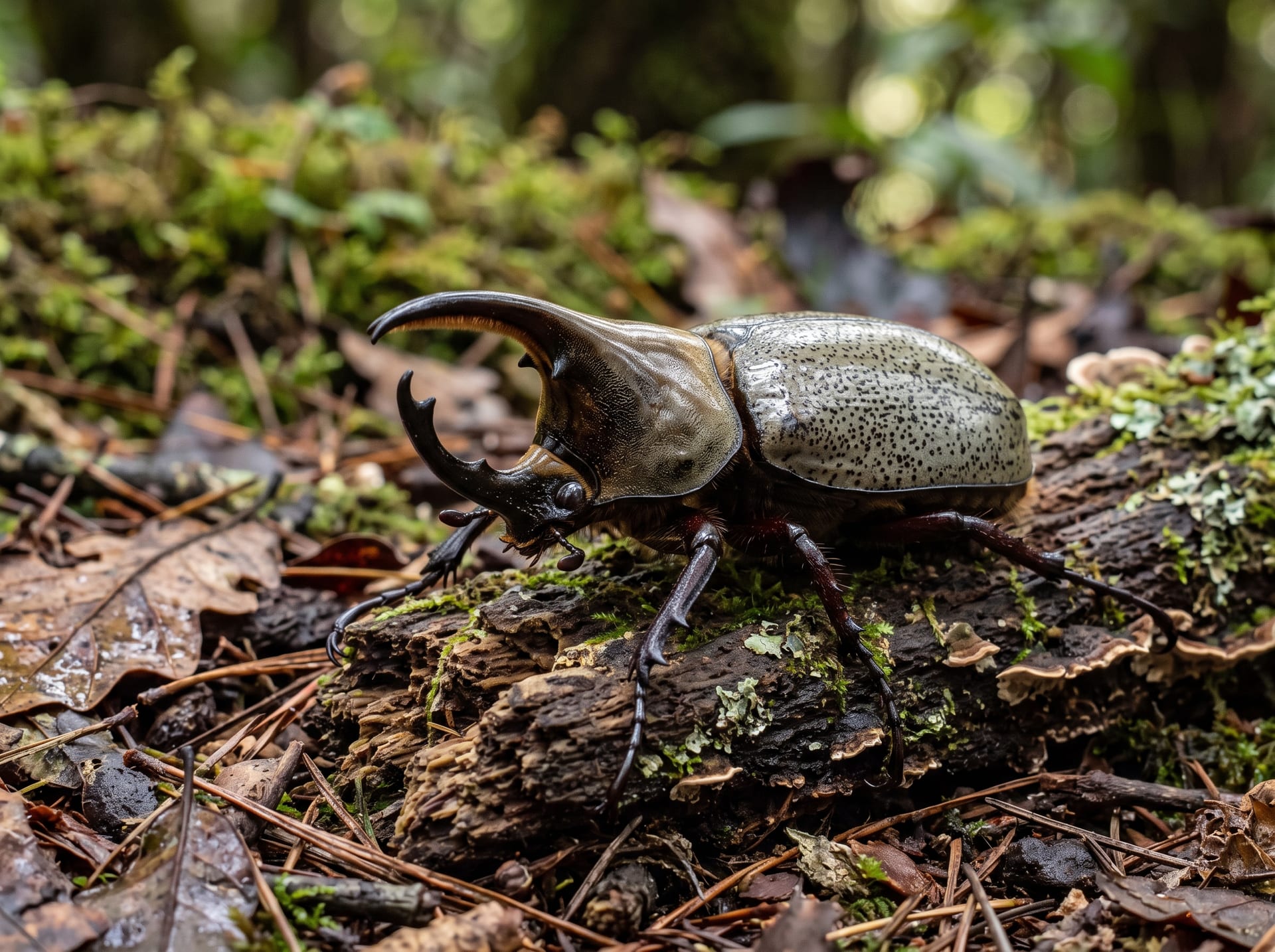
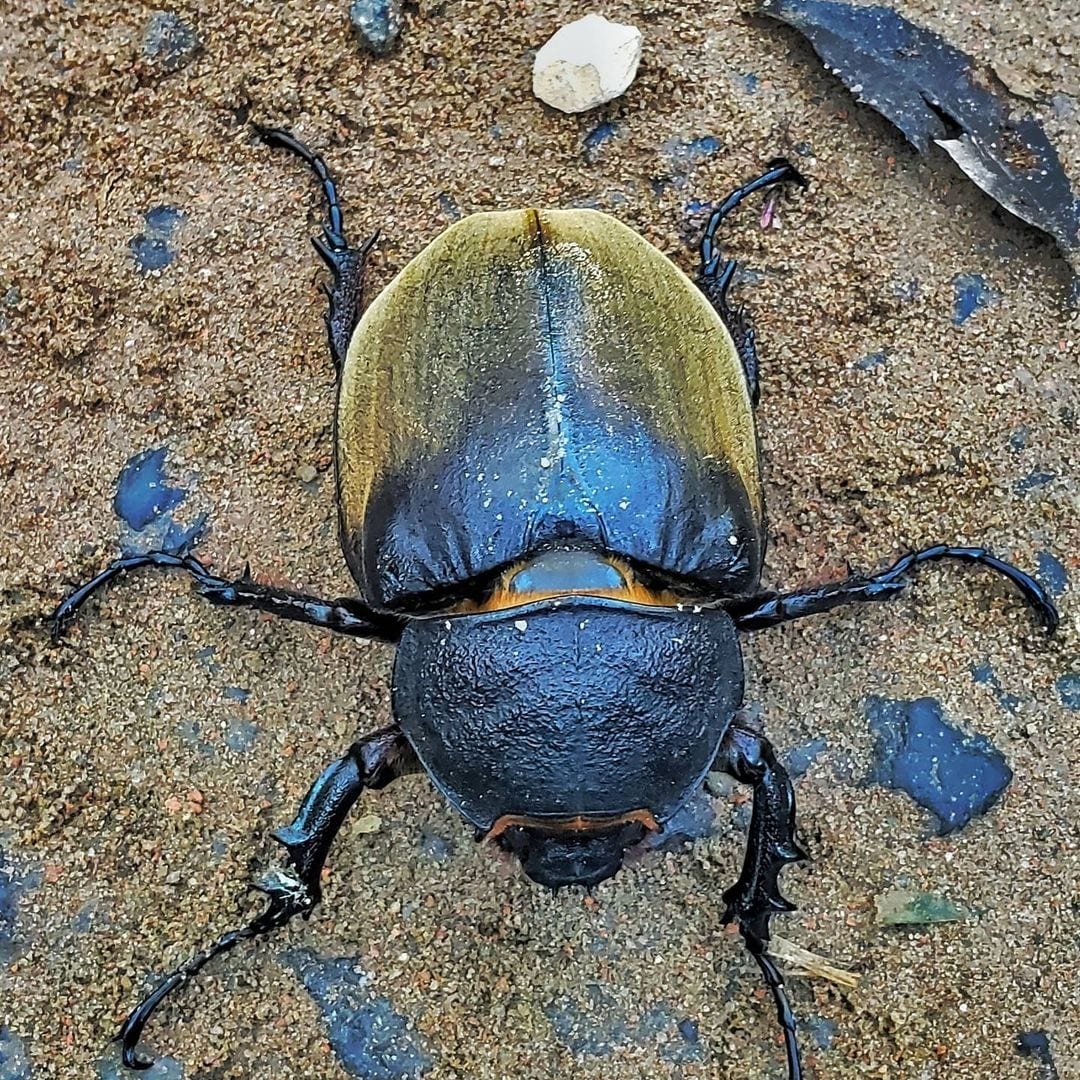
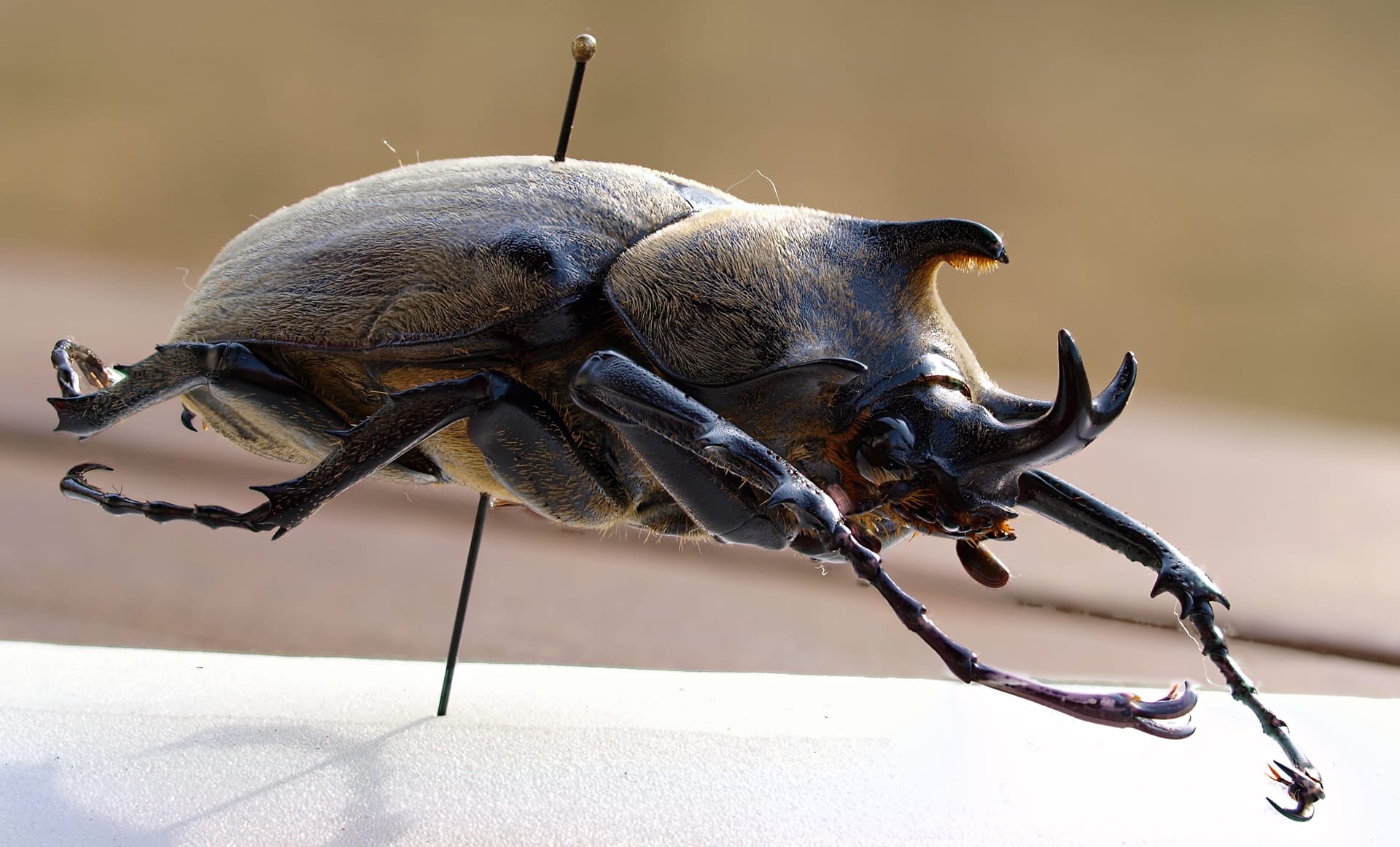
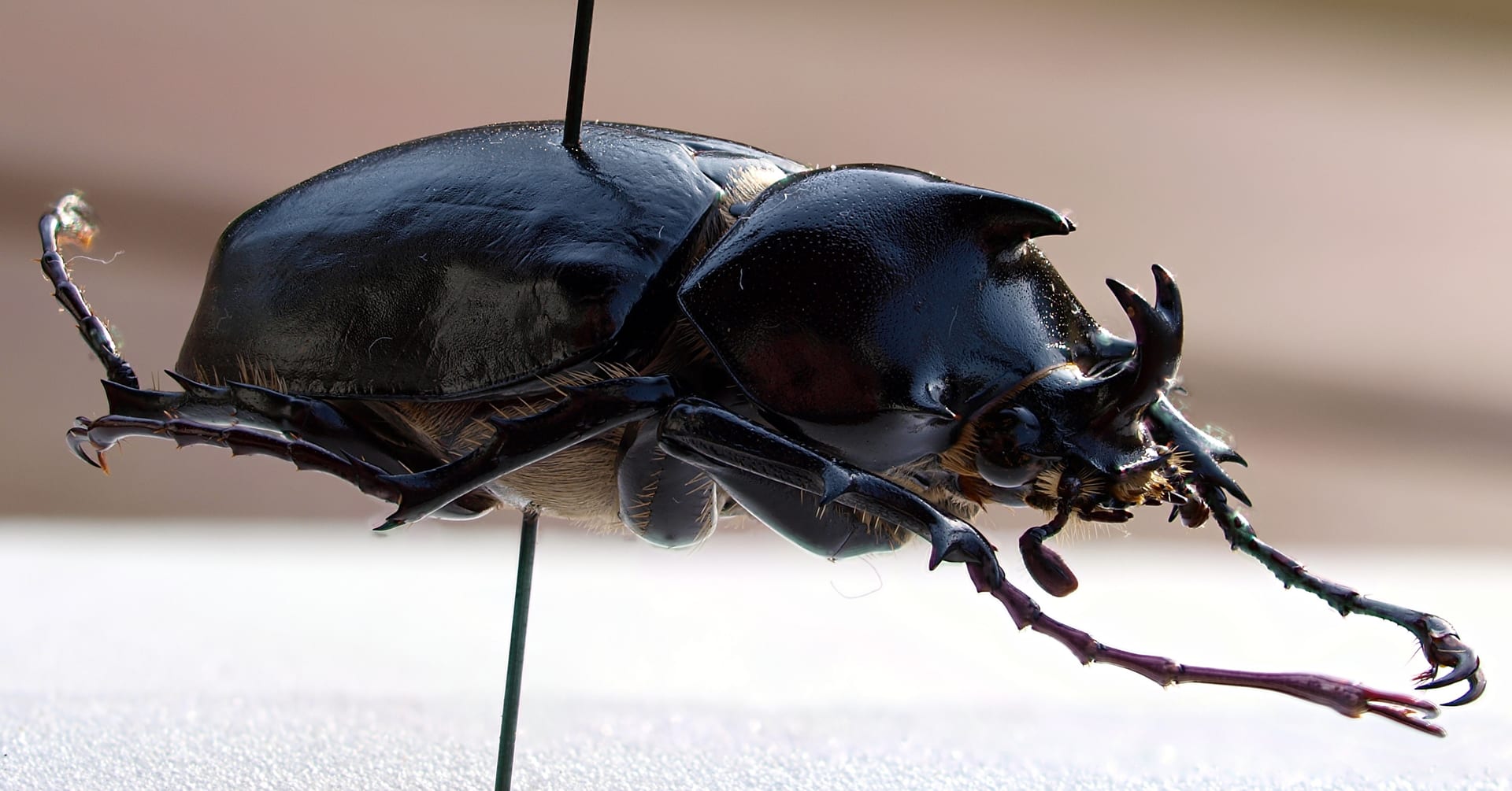
A small hairless elephant beetle of dry forest in northwestern Mexico. A small species: the literature gives 30-38mm, but the captive record is 59.7mm. Adults lick palo brea sap by day, and males shove each other with their head armature.
Difficulty
Advanced
Temperature
18℃
Lifespan
Larval period 2-3 years (genus-level figure)
Size
30-38mm (literature value; captive record 59.7mm)
Humidity
60〜80%
Diet
Beetle jelly, ripe fruit; larvae on fermented substrate
About
Pacheco's elephant beetle (Megasoma pachecoi) is a small Megasoma of Sonora and Sinaloa in northwestern Mexico, described by Cartwright in 1963; Japanese sources also call it the Mexican pygmy elephant beetle. Both sexes lack setae on the elytra and pronotum, and males carry a forward-pointing thoracic horn. The literature gives 30-38mm, but the BE-KUWA 2025 captive record is 59.7mm (2025), so it grows well beyond the literature value; it is a small member of the genus. It inhabits deciduous tropical forest at 100-500 m, and adults appear from August to October. By day they feed on the cambium and waxy secretions of palo brea (Parkinsonia) and huacaporo, and males fight by pushing with their head armature (Gibson 1964). Ratcliffe and Moron (2005) described the first and third instar larvae. It is rarely bred, and no established protocol for egg-laying or larval rearing exists. As a general rule for foreign beetles, keep above 18C in winter and avoid heat over 30C; expect the genus-level larval period of 2-3 years.
Source: Wikipedia (CC BY-SA 4.0)
Lifespan of the Pacheco's Elephant Beetle
The Pacheco's Elephant Beetle lives Larval period 2-3 years (genus-level figure).
Size of the Pacheco's Elephant Beetle
The Pacheco's Elephant Beetle grows to 30-38mm (literature value; captive record 59.7mm).
Temperature & humidity for the Pacheco's Elephant Beetle
The ideal temperature for the Pacheco's Elephant Beetle is 18℃.
Basic Info
Origin
Northwestern Mexico (Sonora, Sinaloa)
Care Specifications
Semi-aggressiveSolitaryBreeding: Hard
Sources: Beetle Farm: basic rearing guide / Wikipedia (Megasoma, ja) / UNL Generic Guide to New World Scarab Beetles / Wikipedia (es)
Breeding Records & Localities
Captive record (♂)
59.7 mm
Record source: BE-KUWA 2025 edition (Megasoma pachecoi, captive 59.7 mm, 御神木みつ 2025, total length)
Notable localities
Mexico (Sonora)Mexico (Sinaloa)
Generation codes
- WD
- Wild-caught
- WF1
- Offspring of a wild-caught female
- F1〜
- Captive generations (same locality)
- CBF1
- Cross-locality captive-bred (reset)
Sources: BE-KUWA rearing records (2025 edition, Mushi-sha) / UNL Generic Guide to New World Scarab Beetles
References & Sources
Edited & verified by: BreederDirect editorial team
The taxonomic, regulatory, and husbandry data on this page are compiled and verified against the authoritative primary sources below.
Taxonomy & Authority
Accepted name: Megasoma pachecoi Cartwright, 1963
Authority databases: GBIF
Nomenclature follows global taxonomic authority databases.
Regulations & Conservation Status
Not CITES-listed
Sources: CITES Appendices (species not listed) / MOE Japan: import of Scarabaeoidea beetles
Regulations may change. Always verify the latest information with the relevant authorities.
Pacheco's Elephant Beetle Listings
Loading latest listingsFind listings for this species