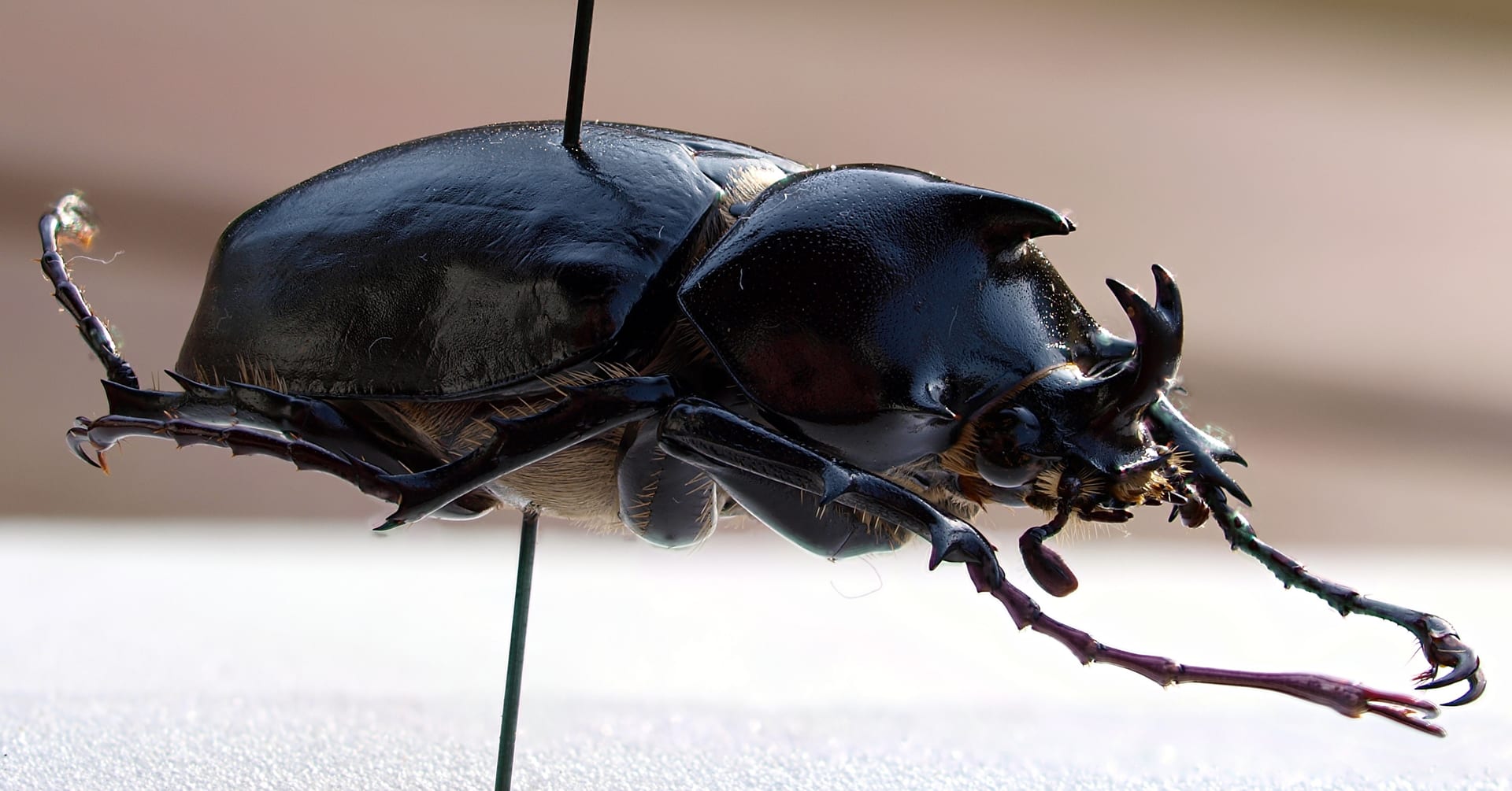
 © JohnSka / CC BY-SA 3.0
Pacheco's Elephant Beetle
Pacheco's Elephant Beetle is a small member of the elephant beetle group native to the dry forests of northwestern Mexico. Unlike many of its bristly relatives, it has a smooth, hairless, glossy body. Adults typically measure 30 to 38mm according to published records, though one captive specimen reached 59.7mm, showing how much size can vary with rearing conditions. In the wild, these beetles are active during the day, feeding on the sap of palo brea trees, and males can be seen locking horns to push each other aside. The larval stage lasts a relatively long two to three years, making this a beetle for keepers who enjoy a slow, patient rearing process.
View Pacheco's Elephant Beetle encyclopedia →0% commission on your first sales!Register by September 30, 2026 and your first 2 sales are commission-free!
Breeder Wanted!
List on BreederDirect and sell directly to customers nationwide!
6 Transparency Standards You Can Trust
When listing Insects, Breeders disclose the following. We guarantee transparency on growth stage and breeding unit.
- Life Stage Clarity
- Generation Info
- Real Photos
- Breeding Unit
- Country of Origin
- Body Length (mm)
Browse all 296 breeds
Verified breeders wanted for Insects
Breeders are signing up now ahead of launch. Subscribe to be notified when new listings go live.
Getting alerts is free with a member account. When new listings match your saved search, we'll notify you by email and in-app.
Browse other categories
Verified breeders (preview)
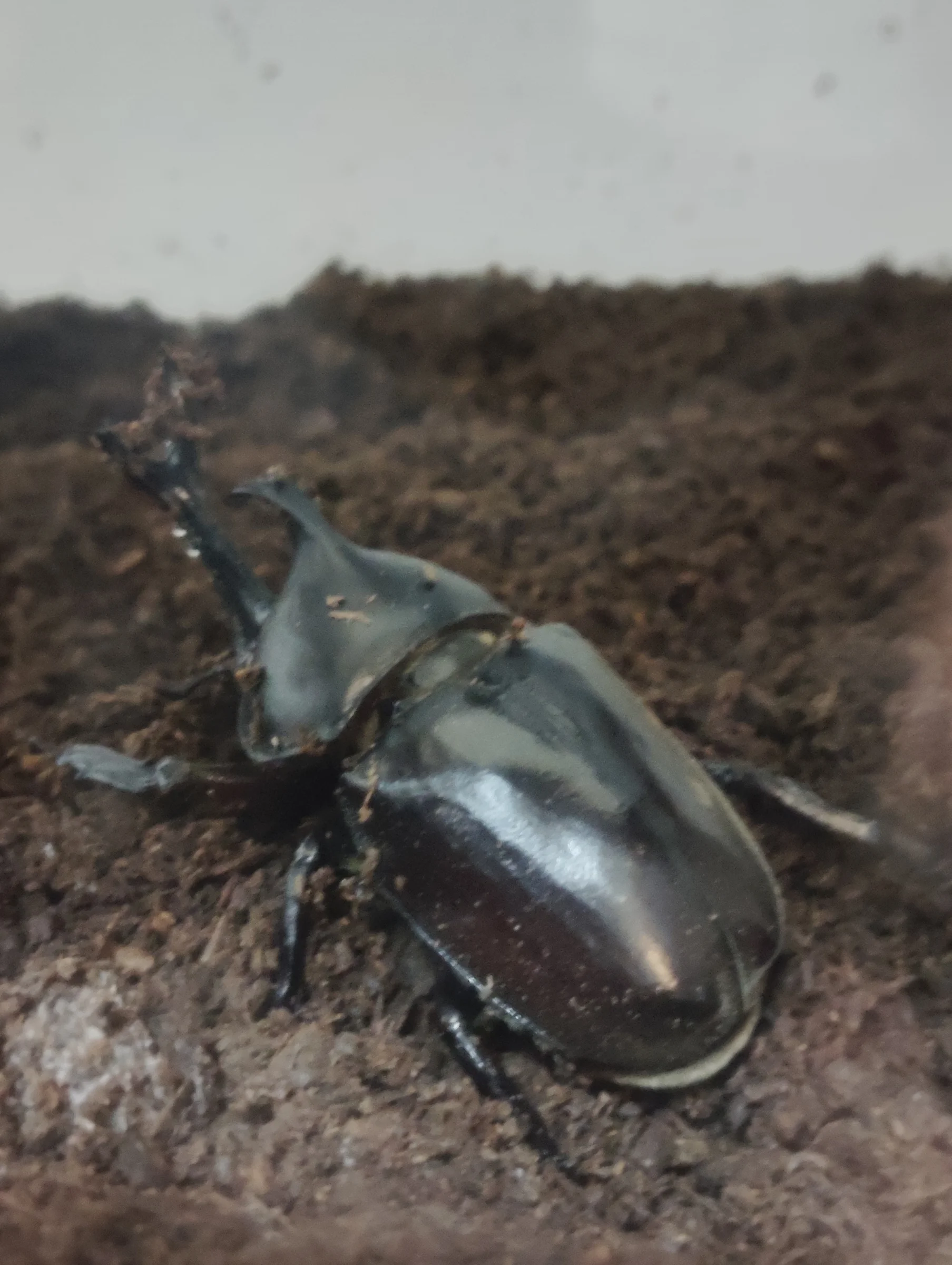
Pacheco's Elephant Beetle key facts
- Care level
- Advanced
- Lifespan
- Larval period 2-3 years (genus-level figure)
- Size
- 30-38mm (literature value; captive record 59.7mm)
- Temperature
- 18℃
- Diet
- Beetle jelly, ripe fruit; larvae on fermented substrate
- Temperature & Humidity
- General rule for foreign beetles: above 18C in winter, below 30C in summer. A dry-forest species; avoid waterlogging.
- Breeding & Egg-laying
- No established captive egg-laying protocol. Try fermented substrate and rear larvae individually.
- Cohabitation
- Males shove each other with their head armature, so house singly. Cohabit only for pairing.
- Lifespan & Rearing Period
- No species-specific data; expect the genus-level larval period of 2-3 years.
- Health & Notes
- Rarely bred and poorly documented. A small species, so watch for food shortage and drying.
About Pacheco's Elephant Beetle
A hairless, small elephant beetle from Mexico's dry northwestern forests. Adults reach roughly 30–38mm, with a 2–3 year larval stage, day-active feeding habits, and an advanced difficulty level.
7 things to know before welcoming a Pacheco's Elephant Beetle
1Best for Experienced Keepers
This species is rarely available and information on it is limited, so it's best suited to keepers who already have experience with beetle husbandry. Understanding the basics of temperature, humidity, and breeding setups before bringing one home is recommended.
2A 2-3 Year Larval Stage
Like other elephant beetles, the larval period runs 2 to 3 years, so patience is needed before an adult emerges. Keeping substrate changes and temperature stable helps larvae develop into healthy adults.
3Smooth, Hairless Body
While many elephant beetles are covered in bristly hair, this species has a smooth, glossy, hairless body. That distinctive look also helps distinguish it from related species.
4A Dry Habitat Setup
Coming from dry forest habitats, this species doesn't tolerate excess moisture well. Keep substrate on the drier side and provide good ventilation.
5Males Push With Their Horns
Males are known to use their head horns to shove rivals aside. Housing multiple males together can lead to horn-to-horn scuffles, so keeping them individually is generally safer.
6A Taste for Tree Sap
In the wild, these beetles feed on the sap of palo brea trees during the day. In captivity, insect jelly is commonly used to provide similar nutrition.
7Size Varies by Individual
Published records put adult size at around 30 to 38mm, but one captive individual reached 59.7mm, showing notable variation. It's better to focus on a healthy emergence than on maximizing size.
Frequently asked questions about Pacheco's Elephant Beetle
- Q.Is this beetle suitable for beginners?
- A.This species is generally considered suitable for experienced keepers rather than beginners. It's best to have a solid grasp of temperature and humidity management before taking one on.
- Q.How big do adults get?
- A.Published records list adult size at around 30 to 38mm, making it a small species, though one captive individual reached 59.7mm. Individual size can vary quite a bit.
- Q.How long does the larval stage last?
- A.As with other elephant beetles, the larval period typically runs 2 to 3 years. Patience is part of raising this species.
- Q.Is this species subject to any special regulations?
- A.Pacheco's Elephant Beetle is not subject to CITES.
- Q.What kind of environment does it live in in the wild?
- A.It inhabits dry forests in northwestern Mexico, where it feeds on the sap of palo brea trees during the day. Males have also been observed locking horns to push each other around.
Useful tools for Pacheco's Elephant Beetle care
Learn more about Pacheco's Elephant Beetle in the encyclopedia
View Pacheco's Elephant Beetle encyclopedia entry →
Care difficulty, lifespan, size and diet — all basics covered.
More in this category
Can't find the one you're looking for?
Post your wishes for free and breeders with matching animals will contact you with introductions.