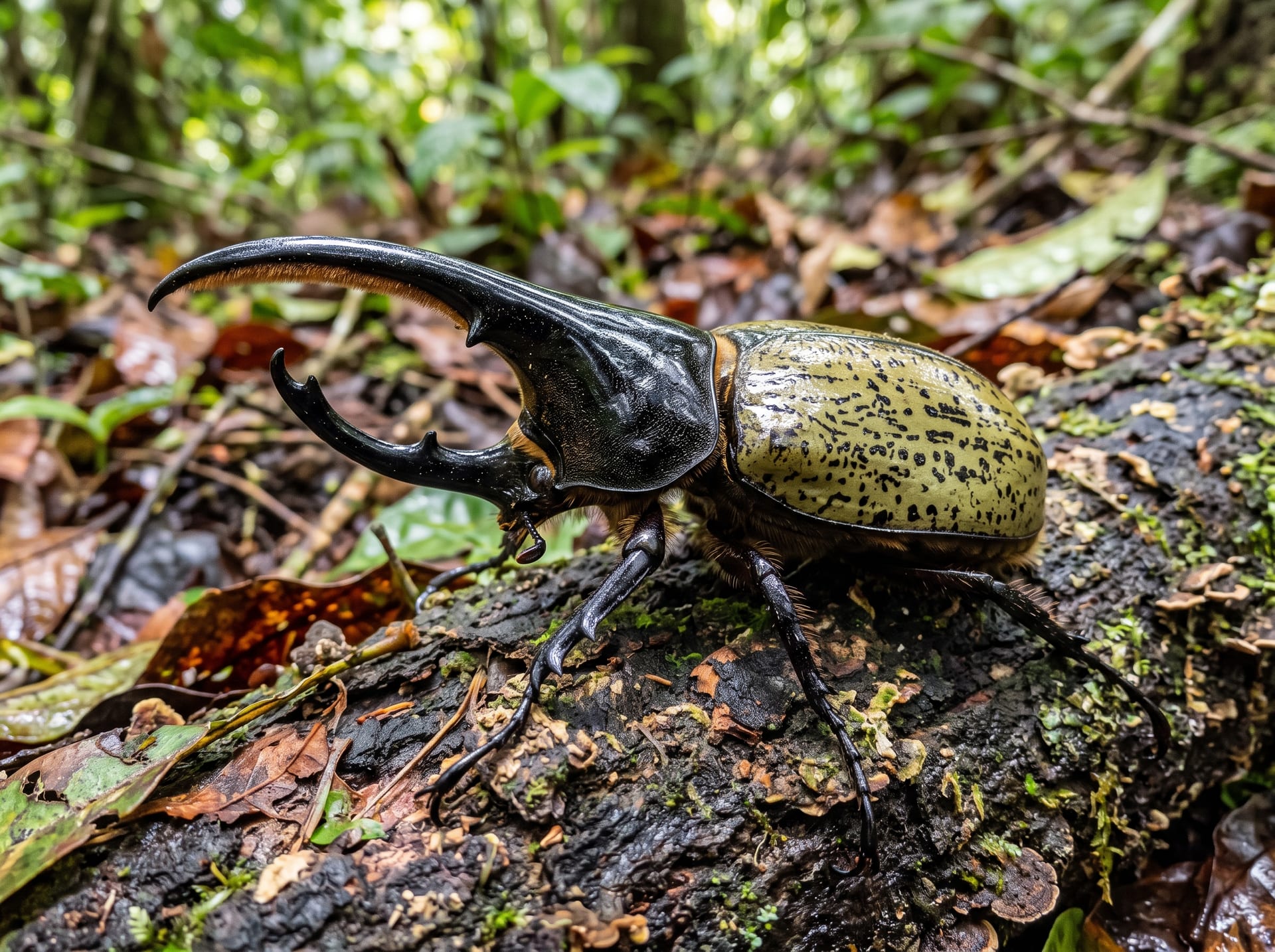
Hercules Trinidadensis
Hercules Trinidadensis is an island subspecies of the Hercules beetle found only in Trinidad and Tobago. Its head horn is somewhat thick and short, while the thoracic horn is thick and straight, a shape often described as intermediate between the nominate subspecies and D. h. bruneri. Live specimens rarely appear in the trade, making it one of the more elusive Hercules beetle subspecies among enthusiasts. Recommended for experienced keepers only, it rewards patient care with a striking, distinctive appearance.
View Hercules Trinidadensis encyclopedia →0% commission on your first sales!Register by September 30, 2026 and your first 2 sales are commission-free!
Breeder Wanted!
List on BreederDirect and sell directly to customers nationwide!
6 Transparency Standards You Can Trust
When listing Insects, Breeders disclose the following. We guarantee transparency on growth stage and breeding unit.
- Life Stage Clarity
- Generation Info
- Real Photos
- Breeding Unit
- Country of Origin
- Body Length (mm)
Browse all 296 breeds
Verified breeders wanted for Insects
Breeders are signing up now ahead of launch. Subscribe to be notified when new listings go live.
Getting alerts is free with a member account. When new listings match your saved search, we'll notify you by email and in-app.
Browse other categories
Verified breeders (preview)
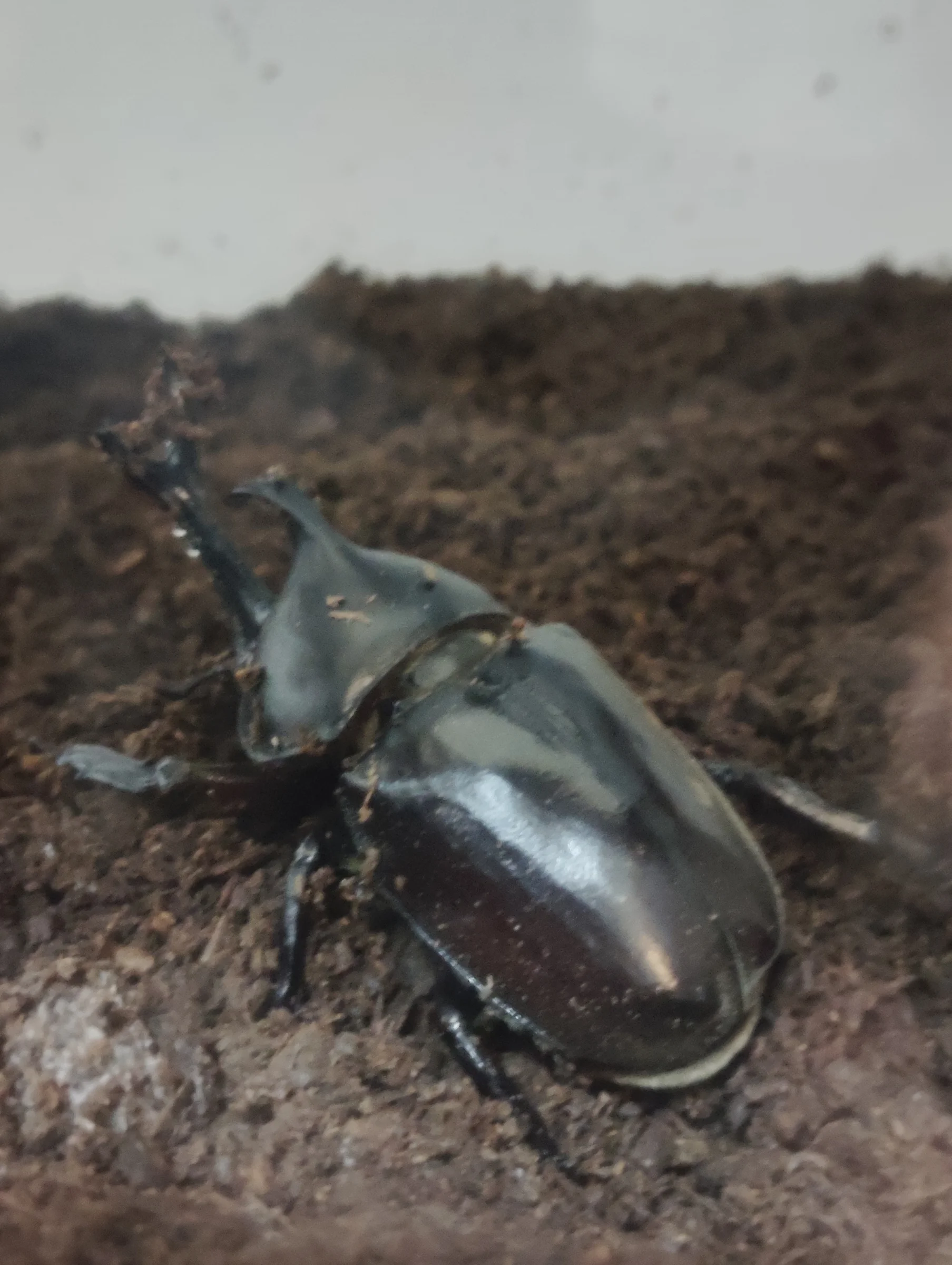
About Hercules Trinidadensis
Hercules Trinidadensis is a rare Hercules beetle subspecies native to Trinidad and Tobago, known for its distinctive horn shape and advanced-level care requirements.
7 things to know before welcoming a Hercules Trinidadensis
1Advanced-Level Care Only
This subspecies is rated for experienced keepers, not beginners. Successfully raising the larvae to adulthood calls for solid experience with temperature and humidity management.
2Rarely Available
Live specimens of this subspecies appear in the trade very infrequently. If you come across one, treat it as a limited opportunity rather than something you can find any time.
3Distinctive Horn Shape
The head horn is somewhat thick and short, and the thoracic horn is thick and straight. This shape is often described as intermediate between the nominate subspecies and D. h. bruneri.
4Adult Lifespan of 8-12 Months
Adults typically live for about 8 to 12 months after emerging. There is also a period after eclosion before feeding begins, so the truly active period is somewhat shorter.
5Notable Size Difference by Sex
Males range from 70 to 154mm, while females measure 55 to 65mm. Keep this difference in mind when choosing enclosure sizes, especially if keeping a pair together.
6Native to Trinidad and Tobago
This subspecies is native to the islands of Trinidad and Tobago. Replicating the temperature and humidity of its island habitat is a key part of its care.
7Handle With Care
Like other Hercules beetles, this subspecies is strong and has sharp horns. Handle adults calmly and with a firm grip to avoid injury to yourself or the beetle.
Frequently asked questions about Hercules Trinidadensis
- Q.Is this beetle suitable for beginners?
- A.Hercules Trinidadensis is considered an advanced-level species. It's best suited to keepers who already have experience managing temperature, humidity, and larval care. If you're new to beetle keeping, starting with a more common species first is recommended.
- Q.How long do adults live?
- A.Adults typically live for about 8 to 12 months. Since there's also a period after emergence before feeding begins, the truly active adult period is shorter than the total lifespan.
- Q.How large does this beetle grow?
- A.Males grow to 70-154mm, while females reach 55-65mm. Final adult size can vary depending on how the larva was raised.
- Q.How does it differ from other subspecies?
- A.It has a somewhat thick, short head horn and a thick, straight thoracic horn. These traits are often described as intermediate between the nominate subspecies and D. h. bruneri, which is part of its appeal.
- Q.Is this species subject to any trade regulations?
- A.Hercules Trinidadensis is not subject to CITES. It is not listed under this international trade regulation.
Useful tools for Hercules Trinidadensis care
Learn more about Hercules Trinidadensis in the encyclopedia
View Hercules Trinidadensis encyclopedia entry →
Care difficulty, lifespan, size and diet — all basics covered.
More in this category
Can't find the one you're looking for?
Post your wishes for free and breeders with matching animals will contact you with introductions.