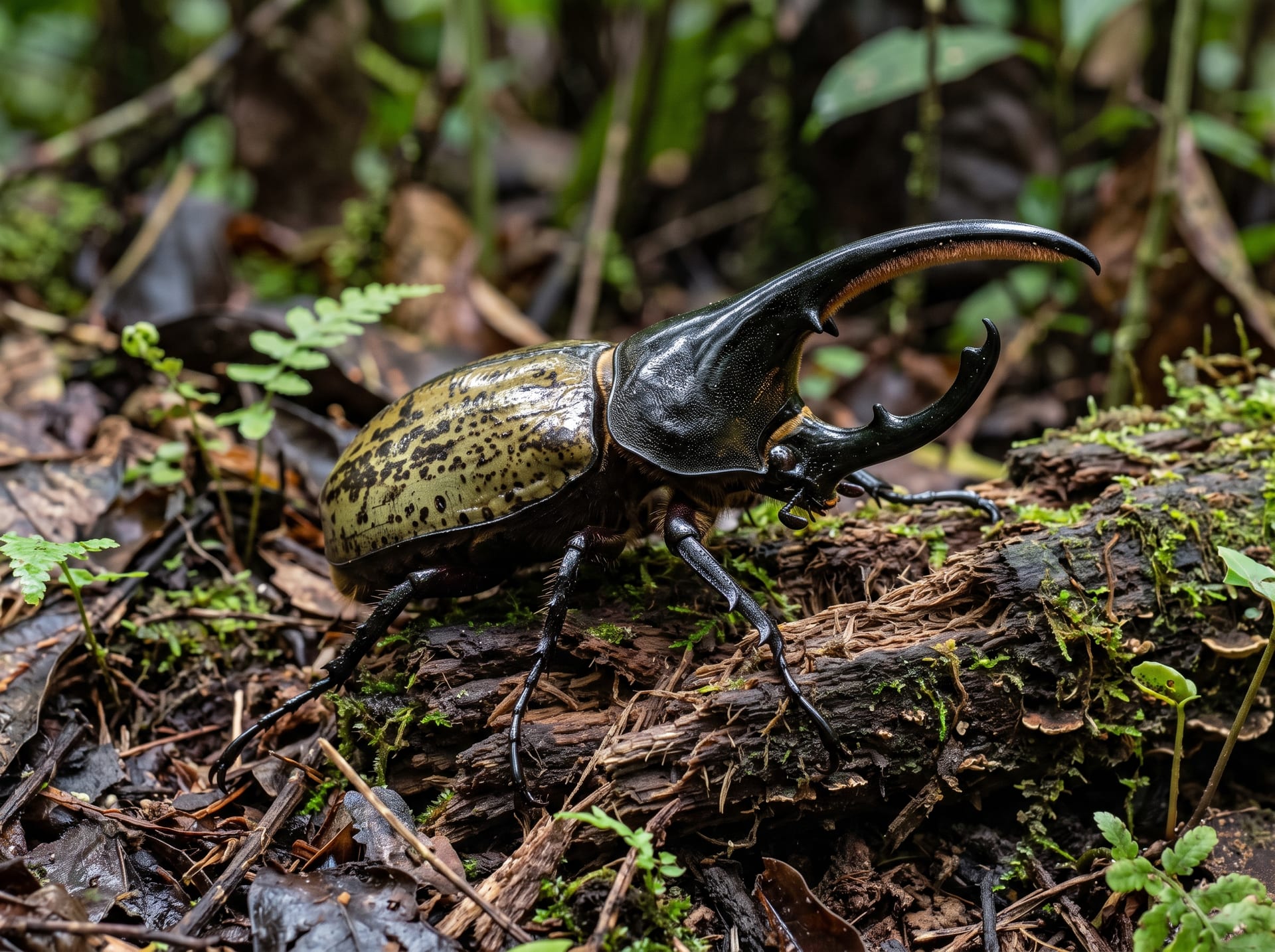
Hercules Tuxtlaensis
Hercules Tuxtlaensis is an especially rare subspecies of the Hercules beetle, known only from the Los Tuxtlas region of Veracruz, Mexico — the northernmost population of the entire species. Its original description was based on just two male specimens, and no substantial additional records exist since, leading some researchers to consider it synonymous with the neighboring subspecies septentrionalis. Adult males reach 62–80mm, somewhat smaller than many other Hercules beetle forms, yet their long, curving thoracic and head horns still create a striking silhouette. Because so few specimens have ever been kept, husbandry information remains limited, making this a beetle best suited to experienced keepers.
View Hercules Tuxtlaensis encyclopedia →0% commission on your first sales!Register by September 30, 2026 and your first 2 sales are commission-free!
Breeder Wanted!
List on BreederDirect and sell directly to customers nationwide!
6 Transparency Standards You Can Trust
When listing Insects, Breeders disclose the following. We guarantee transparency on growth stage and breeding unit.
- Life Stage Clarity
- Generation Info
- Real Photos
- Breeding Unit
- Country of Origin
- Body Length (mm)
Browse all 296 breeds
Verified breeders wanted for Insects
Breeders are signing up now ahead of launch. Subscribe to be notified when new listings go live.
Getting alerts is free with a member account. When new listings match your saved search, we'll notify you by email and in-app.
Browse other categories
Verified breeders (preview)
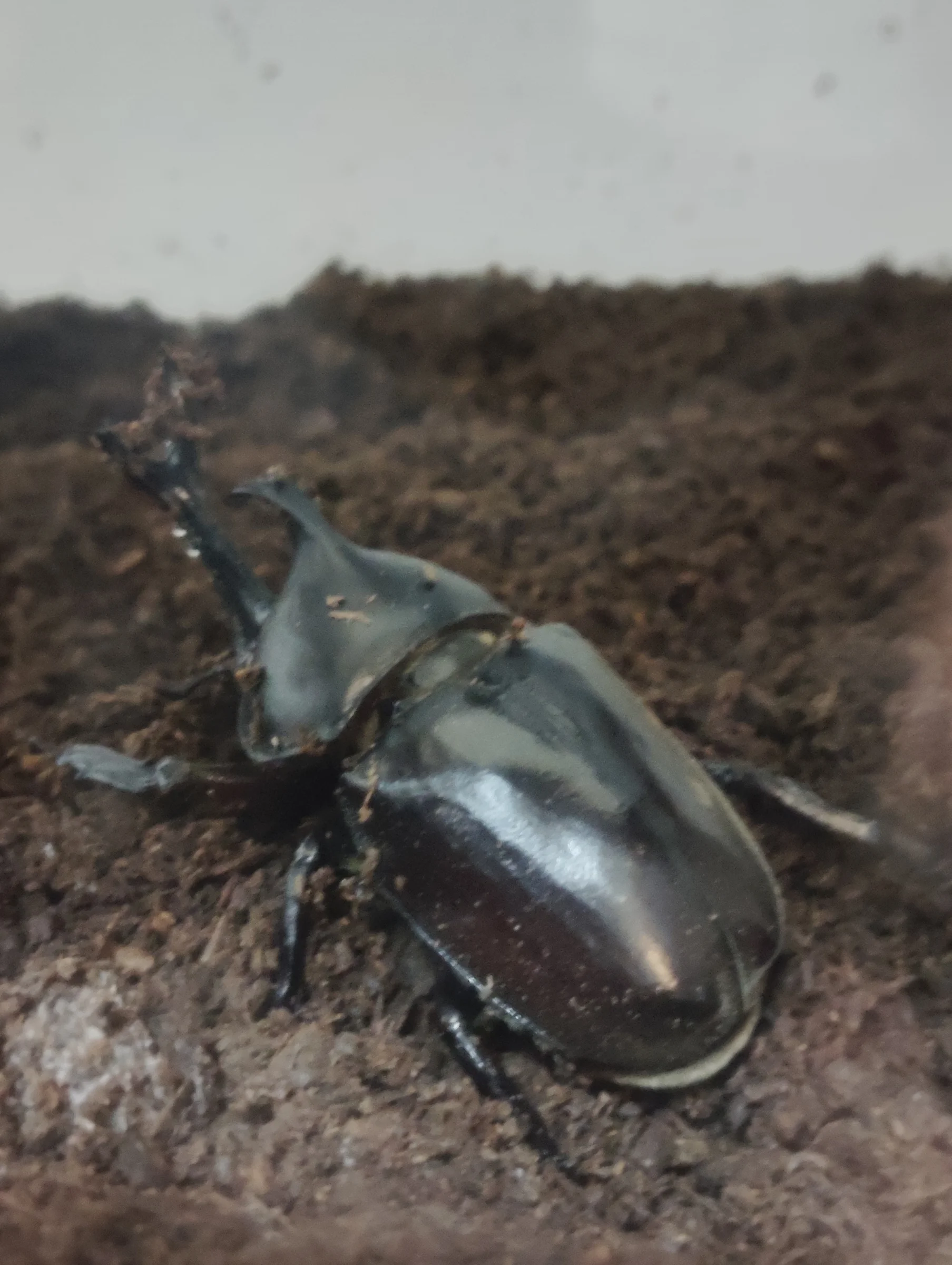
Hercules Tuxtlaensis key facts
- Care level
- Advanced
- Lifespan
- Adults 8-12 months
- Size
- Males 62-80 mm (female unknown)
- Temperature
- 20〜26℃
- Diet
- Beetle jelly, banana
- Temperature & Humidity
- Keep at roughly 20-26 C and avoid Japanese summer heat. The northernmost and smallest subspecies, with virtually no captive records.
- Breeding & Egg-laying
- Females lay in fermented substrate packed 20 cm or deeper. Rear larvae singly in roughly 10 L containers; the larval period is long, 1-1.5 years for females and 1.5-2 years for males, and shortens at higher temperatures.
- Cohabitation
- Basically mild-tempered, but fights over food, so keep singly. Very rarely a male crushes and kills a female, so never leave a pair unattended.
- Lifespan & Rearing Period
- Adults live about 8-12 months. Egg to emergence takes 1.5-2.5 years, so patience is needed.
- Health & Notes
- The thoracic and cephalic horns pinch very hard, so keep fingers clear. A cramped enclosure stresses males and shortens their life. Long-horned males tip over easily, so add footholds.
About Hercules Tuxtlaensis
A rare Hercules beetle subspecies from Los Tuxtlas, Mexico, described from only two specimens. Adult males reach 62–80mm and live 8–12 months; recommended for experienced keepers only.
7 things to know before welcoming a Hercules Tuxtlaensis
1Rare and Little Documented
Aside from the two male specimens used in its original description, no substantial records of this subspecies exist. Care and breeding information is far more limited than for other Hercules beetle subspecies, so keepers should stay flexible rather than relying solely on published care guides.
2Advanced Keepers Only
Combined with the scarcity of information, larval care requires the same delicate temperature and humidity management common to Hercules beetles. This subspecies suits keepers who already have experience with large rhinoceros beetles rather than first-time keepers.
3The Male's Horns Are the Highlight
Males grow a long thoracic horn paired with a downward-curving head horn, reaching 62–80mm as adults. Though somewhat smaller than other Hercules beetle forms, the dramatic silhouette created by the two horns is just as striking.
4Female Traits Remain Unknown
Available data does not include female body size for this subspecies. Since females lack horns, it can be hard to judge them by size difference from males, so check listing details carefully before purchasing.
5Adults Live 8–12 Months
As an adult, this beetle typically lives around 8 to 12 months. Considering the full life cycle including the larval stage, it's worth thinking ahead about how long you can commit to its care before bringing one home.
6Temperature and Humidity Are Key
Like other Hercules beetles, this subspecies is sensitive to high heat, and both larvae and adults need stable temperature and adequate humidity. In rooms with large temperature swings, choose the enclosure's location carefully.
7Prepare Your Setup in Advance
While not particularly aggressive, this is a large beetle that needs a roomy enclosure and plenty of substrate. Gather the supplies you'll need before bringing one home so you're not scrambling afterward.
Frequently asked questions about Hercules Tuxtlaensis
- Q.Is this beetle suitable for beginners?
- A.This subspecies is considered advanced-level because far less care and breeding information exists for it than for other Hercules beetle subspecies. It's better suited as a next step for keepers who already have experience with large rhinoceros beetles.
- Q.How big does it get?
- A.Adult males reach roughly 62–80mm. No detailed data on female size is currently available for this subspecies.
- Q.How long does it live?
- A.As an adult, it typically lives around 8 to 12 months. Factoring in the larval stage as well, keepers should plan for a somewhat longer overall commitment.
- Q.How does it differ from other Hercules beetle subspecies?
- A.It's known only from Los Tuxtlas in Veracruz, Mexico, making it the northernmost population of the entire species. Since it's known from just the two male specimens used in its original description, some researchers consider it synonymous with the neighboring subspecies septentrionalis.
- Q.Can multiple beetles be kept together?
- A.Male Hercules beetles are territorial and can injure each other with their horns, so housing multiple males together should be avoided. It's best to keep them individually and only pair them briefly for breeding.
Useful tools for Hercules Tuxtlaensis care
Learn more about Hercules Tuxtlaensis in the encyclopedia
View Hercules Tuxtlaensis encyclopedia entry →
Care difficulty, lifespan, size and diet — all basics covered.
More in this category
Can't find the one you're looking for?
Post your wishes for free and breeders with matching animals will contact you with introductions.