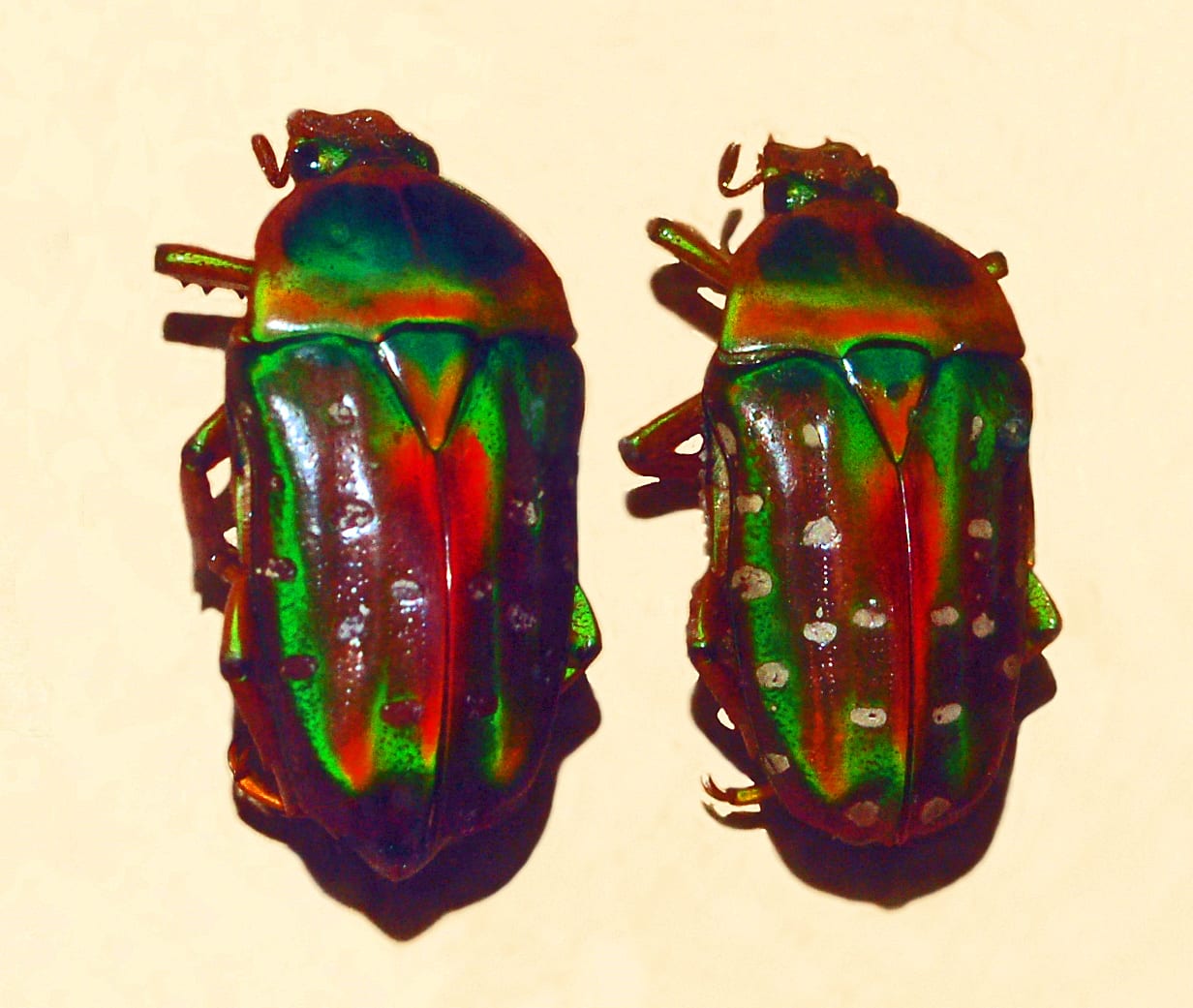
 © Hectonichus / CC BY-SA 3.0
Julia Flower Beetle
The Julia Flower Beetle is a small flower beetle native to Central Africa, its body a striking blend of metallic green and red flecked with pale spots. Adults measure a compact 25–30mm, and the way light plays across their glossy exoskeleton gives them a distinctive presence in any beetle collection. GBIF specimen records for this species are scarce, and both livestock availability and husbandry information remain limited, making it a species suited to intermediate keepers with prior beetle-keeping experience. Because so little has been documented, part of the appeal is learning to fine-tune its care through hands-on observation.
View Julia Flower Beetle encyclopedia →0% commission on your first sales!Register by September 30, 2026 and your first 2 sales are commission-free!
Breeder Wanted!
List on BreederDirect and sell directly to customers nationwide!
6 Transparency Standards You Can Trust
When listing Insects, Breeders disclose the following. We guarantee transparency on growth stage and breeding unit.
- Life Stage Clarity
- Generation Info
- Real Photos
- Breeding Unit
- Country of Origin
- Body Length (mm)
Browse all 296 breeds
Verified breeders wanted for Insects
Breeders are signing up now ahead of launch. Subscribe to be notified when new listings go live.
Getting alerts is free with a member account. When new listings match your saved search, we'll notify you by email and in-app.
Browse other categories
Verified breeders (preview)
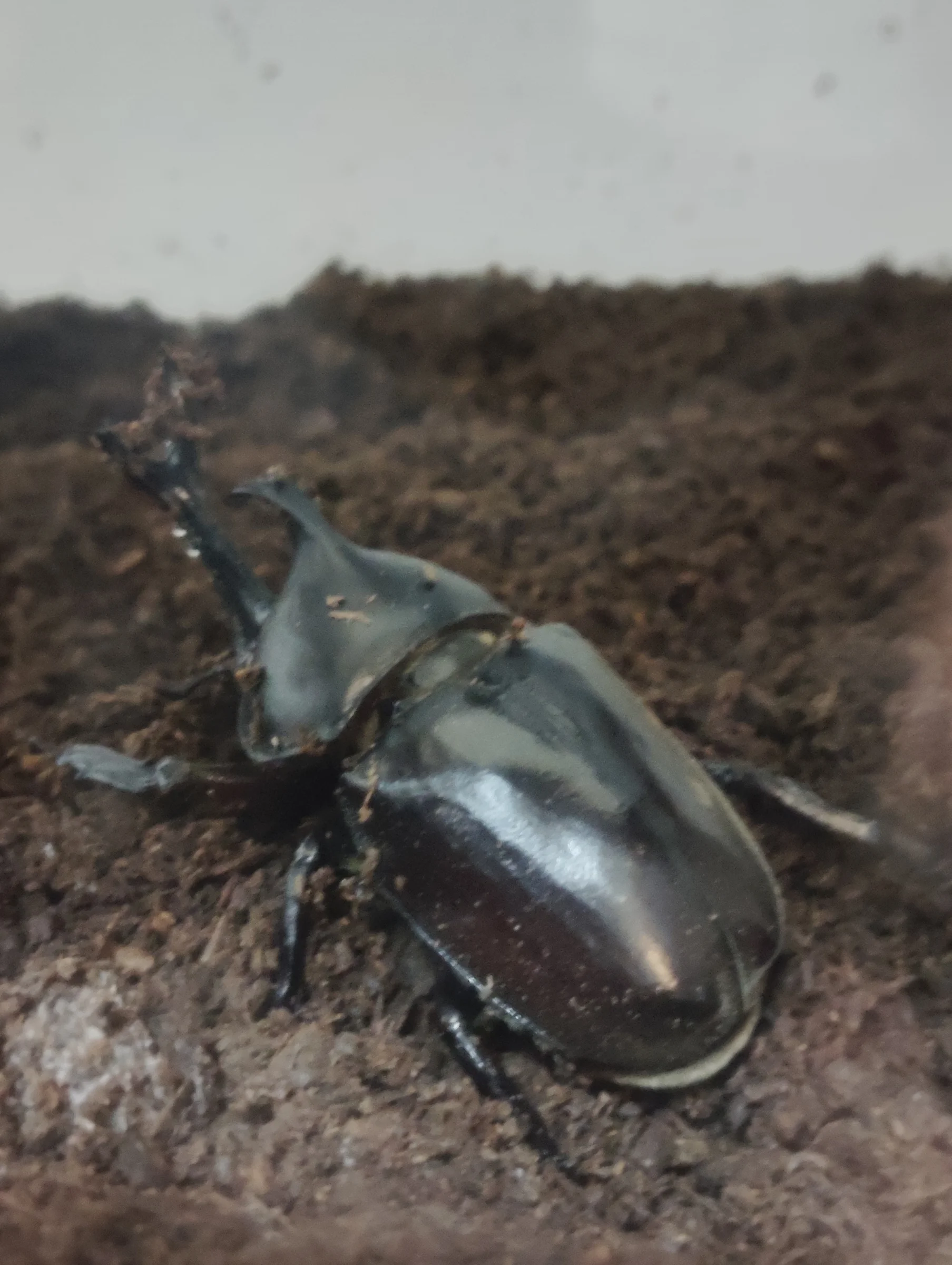
About Julia Flower Beetle
The Julia Flower Beetle is a small Central African beetle with metallic green-and-red coloring flecked with pale spots, reaching 25–30mm as an adult. It's an intermediate-level species with limited availability and husbandry information.
7 things to know before welcoming a Julia Flower Beetle
1Metallic Green-and-Red Coloring
The Julia Flower Beetle's biggest draw is its metallic sheen — a blend of green and red across the body, flecked with pale spots. The way light catches the exoskeleton shifts the coloring, giving keepers something new to notice each time they look.
2A Compact Adult Size
Adults reach about 25–30mm, a small size that makes them easy to house without a large enclosure. Keep this size in mind when choosing a container.
3Suited to Intermediate Keepers
This species is generally considered suited to intermediate-level keepers. Prior experience with other beetles will help when setting up its care.
4A Little-Documented Species
GBIF specimen records for this species are scarce, and both its availability and husbandry information remain limited. New keepers should watch their beetle closely and adjust care as they go, since established guidance is hard to find.
5Prepare the Enclosure First
Before bringing one home, set up a well-ventilated enclosure sized for the adult along with basic substrate such as insect mat. Since documented care is limited, it can help to reference husbandry for closely related flower beetle species.
6Native to Central Africa
The Julia Flower Beetle originates from Central Africa. Keeping temperature and humidity closer to its native climate is a useful starting point for care.
7Daily Observation Matters
Because so little is documented about this species, watching feeding activity and general behavior closely is especially important. Adjust the setup promptly if anything seems off.
Frequently asked questions about Julia Flower Beetle
- Q.Can beginners keep this species?
- A.This species is generally considered suited to intermediate-level keepers rather than complete beginners. If you're new to insect keeping, it's a good idea to build up basic husbandry knowledge with an easier species first.
- Q.How big do adults get?
- A.Adults measure roughly 25–30mm, making this a small flower beetle. Its compact size means you don't need a particularly large enclosure.
- Q.Is this species listed under CITES?
- A.The Julia Flower Beetle is not listed under CITES. It is not subject to international trade regulation under that convention.
- Q.What should it be fed?
- A.Many flower beetles favor insect jelly and ripe fruit, and feeding along those general lines is a reasonable starting point. Detailed species-specific husbandry data is still scarce, though, so it's important to adjust based on how the individual actually feeds.
- Q.Why is availability and information so limited?
- A.Specimen records in databases like GBIF are scarce for this species, and its availability as a live animal is correspondingly limited. Because husbandry information is also sparse, close observation after bringing one home is especially important.
Useful tools for Julia Flower Beetle care
Learn more about Julia Flower Beetle in the encyclopedia
View Julia Flower Beetle encyclopedia entry →
Care difficulty, lifespan, size and diet — all basics covered.
More in this category
Can't find the one you're looking for?
Post your wishes for free and breeders with matching animals will contact you with introductions.