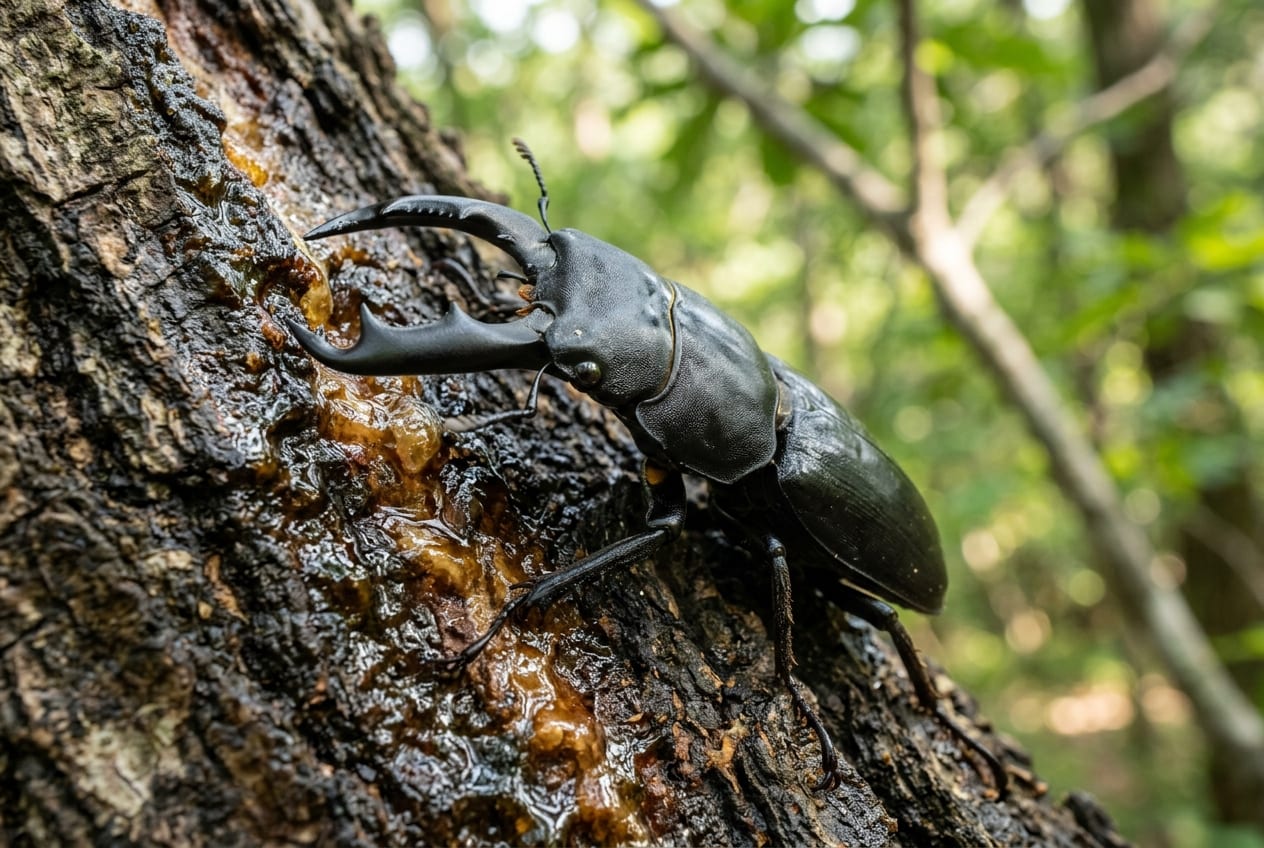
Iki Flat Stag Beetle
The Iki Flat Stag Beetle is a subspecies of flat stag beetle found only on the Iki Islands in Nagasaki Prefecture, Japan. It shares the long, sweeping mandibles of its close relative the Tsushima flat stag beetle, but its body and jaws run noticeably thicker and shorter, and captive-bred individuals can exceed 85mm, making it one of Japan's largest native subspecies. That powerful build comes with a famously fierce temperament, so keepers house them alone rather than alongside other individuals. For anyone drawn to a bold, wild-looking beetle with real presence, the Iki Flat Stag rewards careful, attentive keeping.
View Iki Flat Stag Beetle encyclopedia →0% commission on your first sales!Register by September 30, 2026 and your first 2 sales are commission-free!
Breeder Wanted!
List on BreederDirect and sell directly to customers nationwide!
6 Transparency Standards You Can Trust
When listing Insects, Breeders disclose the following. We guarantee transparency on growth stage and breeding unit.
- Life Stage Clarity
- Generation Info
- Real Photos
- Breeding Unit
- Country of Origin
- Body Length (mm)
Browse all 336 breeds
Verified breeders wanted for Insects
Breeders are signing up now ahead of launch. Subscribe to be notified when new listings go live.
Getting alerts is free with a member account. When new listings match your saved search, we'll notify you by email and in-app.
Browse other categories
Verified breeders (preview)
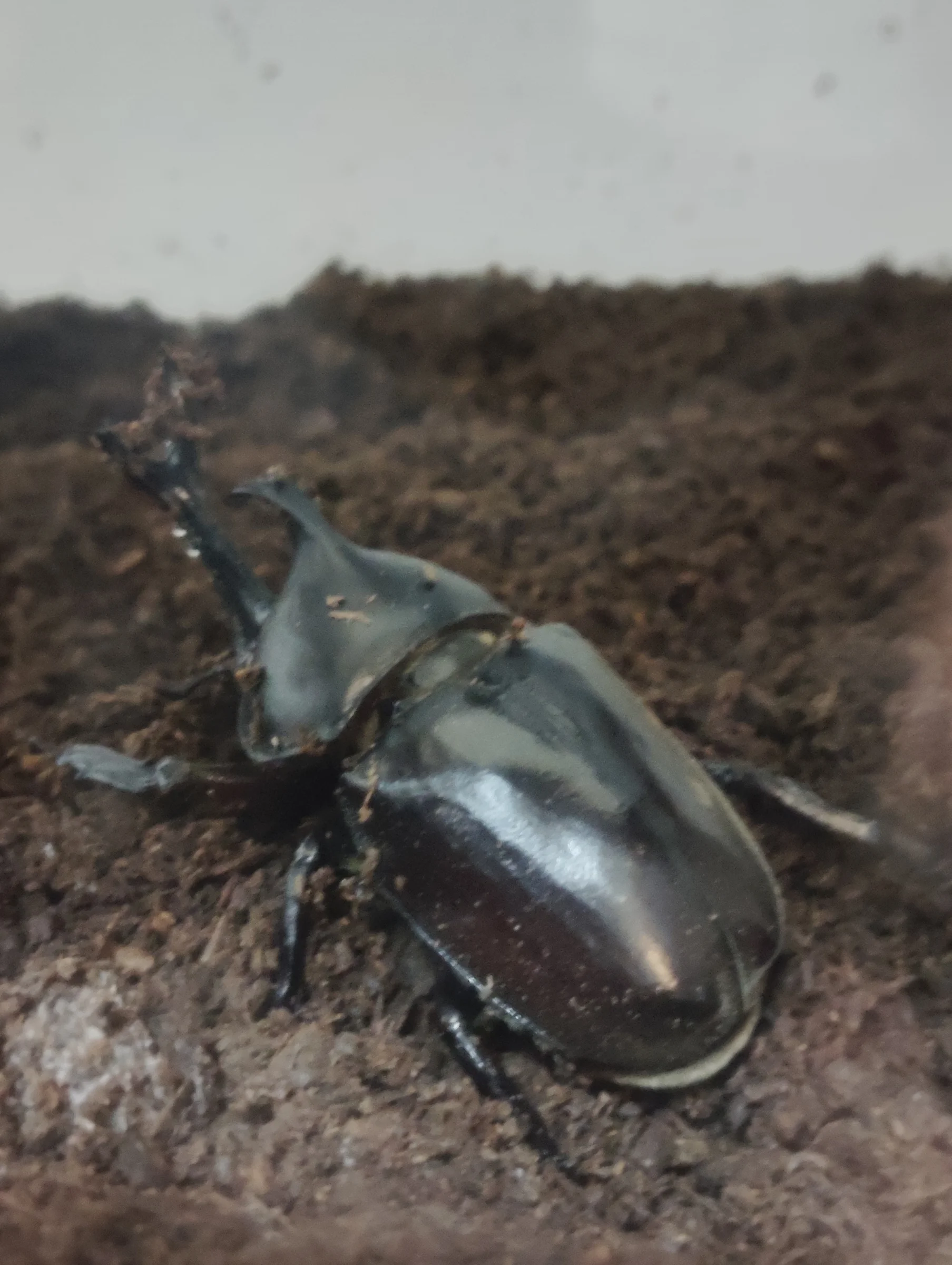
Iki Flat Stag Beetle key facts
- Care level
- Intermediate
- Lifespan
- Adults 1-3 years
- Size
- Males 50-85.1 mm (including captive; wild up to 81.6 mm) / females 30-42 mm
- Temperature
- 20〜26℃
- Diet
- Tree sap, beetle jelly
- Temperature & Humidity
- Keep at about 20-26 C. A temperate beetle from Iki suited to the Japanese climate, but larvae do not survive below 0 C, so never let them freeze. Keep the substrate moist enough to clump when squeezed.
- Breeding & Egg-laying
- Females lay in the buried base of dead standing hardwood or under fallen logs. In captivity bury fairly soft logs in fermented substrate and rear larvae in substrate or fungus bottles. Larvae take 1-2 years.
- Cohabitation
- Very aggressive; males often kill females. Keep singly and pair only for a few days under supervision.
- Lifespan & Rearing Period
- Adults live 1-3 years and overwinter. Newly emerged adults stay in the pupal cell about a month before becoming active.
- Health & Notes
- The bite can draw blood, so handle with care. The population is unique to Iki, so never release captive beetles.
About Iki Flat Stag Beetle
A flat stag beetle subspecies native only to Japan's Iki Islands, known for its thick, short body, long mandibles, and captive-bred size exceeding 85mm. Fierce-tempered and best kept alone.
7 things to know before welcoming a Iki Flat Stag Beetle
1Notoriously Aggressive Temperament
Iki Flat Stag Beetles are known for their strong territorial instincts and aggressive behavior, both toward other beetles and when handled. Keep each beetle in its own separate enclosure, since housing multiple individuals together often leads to serious fighting.
2Powerful, Sharp Mandibles
Despite their shorter, stockier build, these beetles have a strong bite force in their mandibles that can genuinely hurt if you're pinched. When handling or doing enclosure maintenance, grip the body away from the jaws' reach and consider using tweezers or thick gloves.
3One of Japan's Largest Subspecies
Males typically reach 50–85.1mm, with captive-bred individuals sometimes surpassing the wild record of 81.6mm, making this one of the larger flat stag beetle subspecies. Females are more modest, growing to around 30–42mm.
4Adult Lifespan of 1–3 Years
Adults typically live for one to three years, and the full life cycle including the larval stage spans several years. Keeping them in a cool, stable environment helps slow their metabolism and can support a longer adult lifespan.
5Best Suited to Intermediate Keepers
Between temperature and humidity management, handling an aggressive temperament, and avoiding injury from the mandibles, this subspecies is generally recommended for keepers who already have some stag beetle experience. First-time keepers should research thoroughly before bringing one home.
6Bottle-Fed Larvae for Maximum Size
Raising larvae on bottled fungus substrate (kinshi bottles) is a common approach for keepers aiming for maximum adult size. Stable temperature control also helps each individual reach its full genetic potential.
7Prepare Your Setup Before Bringing One Home
Before bringing one home, prepare a properly sized enclosure for solo housing, insect substrate, a climbing log, and a spot where temperature stays consistent. Given their aggressive nature, it's also wise to place the enclosure somewhere out of easy reach of children or pets.
Frequently asked questions about Iki Flat Stag Beetle
- Q.Can beginners keep the Iki Flat Stag Beetle?
- A.This species is generally considered better suited to intermediate keepers rather than complete beginners. We'd recommend learning the basics of temperature management and how to handle its aggressive temperament before bringing one home.
- Q.Can I keep multiple beetles together, including pairs?
- A.Because of their very aggressive temperament, housing multiple beetles in the same enclosure often leads to serious fighting and isn't recommended. Except when intentionally pairing for breeding, keep each beetle in its own separate enclosure.
- Q.How large does this beetle grow?
- A.Males typically reach 50–85.1mm, with captive-bred individuals sometimes exceeding the wild record of 81.6mm. Females grow to around 30–42mm.
- Q.How long do they live?
- A.Adult lifespan is typically one to three years. Temperature management in the enclosure can affect how long an individual lives.
- Q.Is the Iki Flat Stag Beetle subject to CITES?
- A.The Iki Flat Stag Beetle is not subject to CITES. Keep this in mind when considering this species.
Useful tools for Iki Flat Stag Beetle care
Learn more about Iki Flat Stag Beetle in the encyclopedia
View Iki Flat Stag Beetle encyclopedia entry →
Care difficulty, lifespan, size and diet — all basics covered.
More in this category
Can't find the one you're looking for?
Post your wishes for free and breeders with matching animals will contact you with introductions.