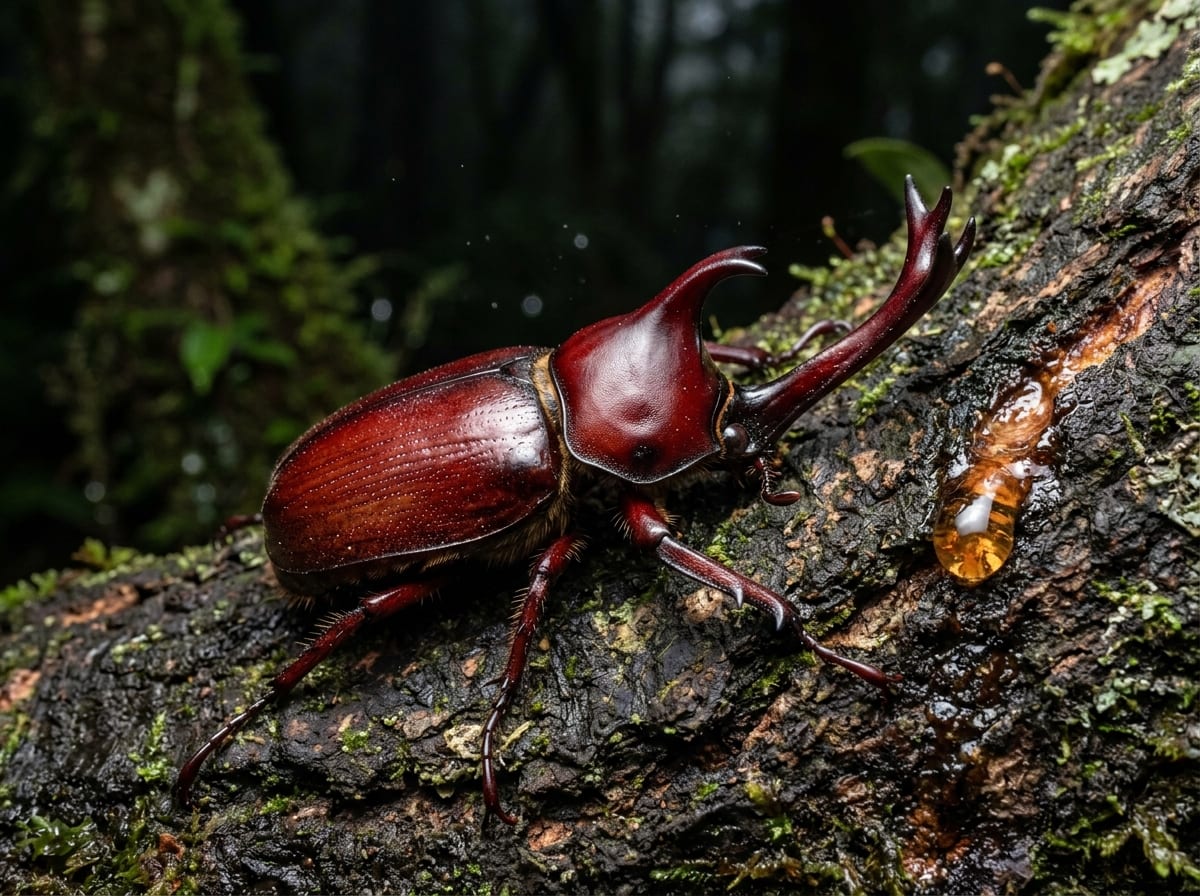
Yakushima rhinoceros beetle
Native to Yakushima and Tanegashima, the Yakushima rhinoceros beetle is a subspecies of Japan's beloved kabutomushi, formally split from the mainland form in 2017. Both males and females run smaller than their mainland cousins, and Yakushima-origin individuals are often noted for a richer, reddish body color. Males can reach up to about 70mm including the horn, a compact size that still delivers classic rhinoceros beetle charm through lively nighttime activity. Considered a beginner-friendly species, it's an approachable choice for anyone new to keeping insects, as long as you keep up with basic care and daily observation. Adults are typically active for only about one to three months, making each day with them worth appreciating.
View Yakushima rhinoceros beetle encyclopedia →0% commission on your first sales!Register by September 30, 2026 and your first 2 sales are commission-free!
Breeder Wanted!
List on BreederDirect and sell directly to customers nationwide!
6 Transparency Standards You Can Trust
When listing Insects, Breeders disclose the following. We guarantee transparency on growth stage and breeding unit.
- Life Stage Clarity
- Generation Info
- Real Photos
- Breeding Unit
- Country of Origin
- Body Length (mm)
Browse all 336 breeds
Verified breeders wanted for Insects
Breeders are signing up now ahead of launch. Subscribe to be notified when new listings go live.
Getting alerts is free with a member account. When new listings match your saved search, we'll notify you by email and in-app.
Browse other categories
Verified breeders (preview)
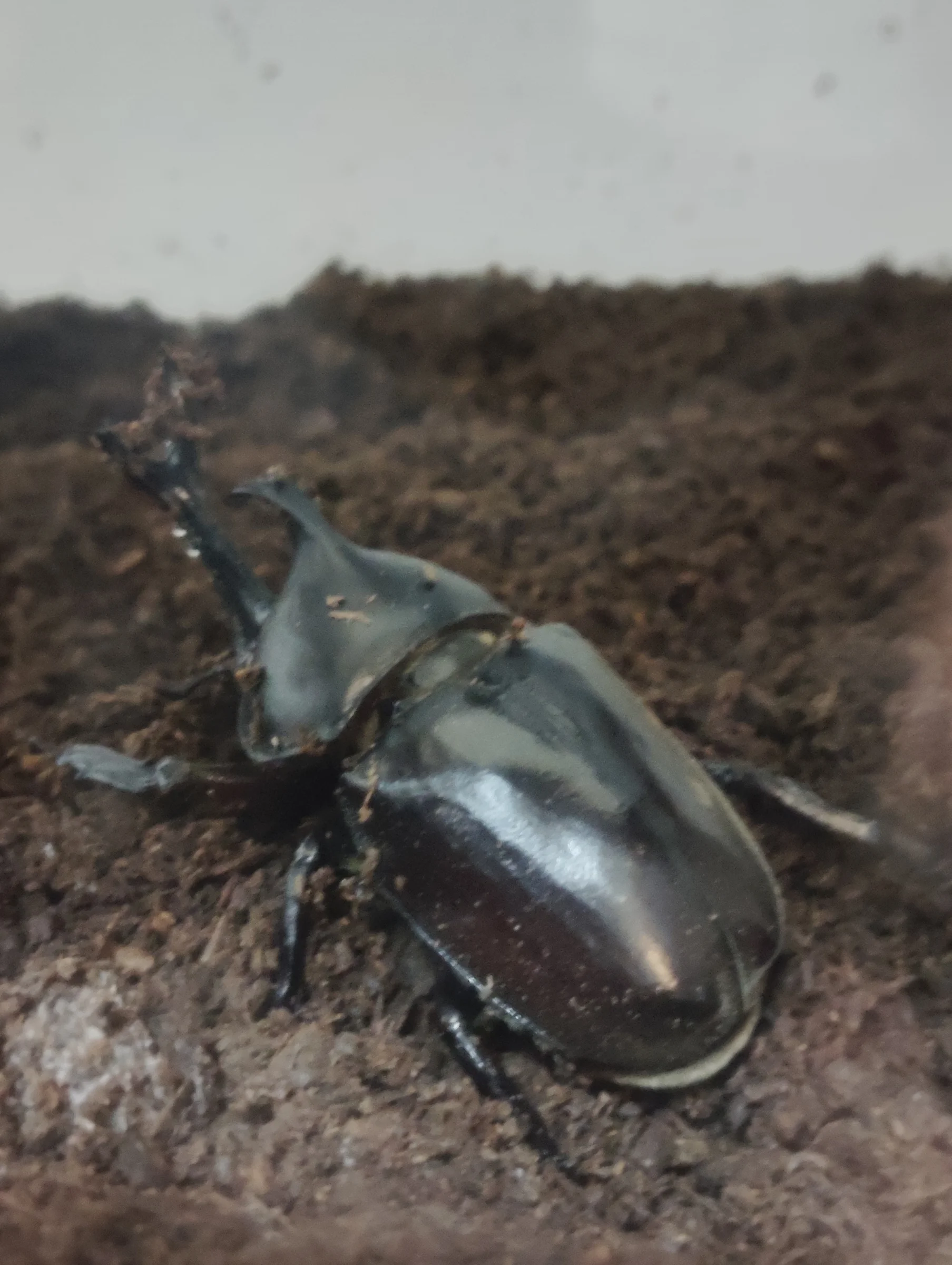
Yakushima rhinoceros beetle key facts
- Care level
- Beginner-friendly
- Lifespan
- Adults about 1-3 months (general figure for the species)
- Size
- Males up to about 70mm including the head horn (both sexes smaller than the mainland form)
- Diet
- Adults take sap or beetle jelly; larvae eat leaf mould or fermented substrate
- Temperature & Humidity
- There is little subspecies-specific temperature data. As with mainland beetles, adults are active in summer and larvae overwinter in the substrate.
- Breeding & Egg-laying
- Female rhinoceros beetles burrow into leaf mould or compost and lay eggs singly, about 20-30 in several bouts; eggs hatch in about ten days. Provide a deep layer of leaf mould or fermented substrate.
- Food & Feeding
- Larvae eat humus from wood and leaves broken down to soil and will not eat fresh wood or undecayed leaves. Adults drink sap, so offer beetle jelly.
- Lifespan & Rearing Period
- Adults of the species live about one to three months, depending heavily on temperature and food. Third-instar larvae overwinter, pupate and emerge in summer.
- Health & Notes
- Locality is the main way to recognise this subspecies, so buy beetles labelled Yakushima or Tanegashima and never cross them with mainland or other island forms. Mainland beetles brought onto Yakushima have raised genetic contamination concerns, so never release captives anywhere.
About Yakushima rhinoceros beetle
The Yakushima rhinoceros beetle is a compact subspecies of Japan's kabutomushi, found on Yakushima and Tanegashima and prized for its reddish coloring and beginner-friendly care.
7 things to know before welcoming a Yakushima rhinoceros beetle
1Basic Housing Setup
Line the enclosure with insect substrate and add a piece of bark or a perch so the beetle can right itself if it tips over. Keep the case out of direct sunlight in a well-ventilated spot, and watch for substrate that's too dry or too damp.
2Feed Insect Jelly
Commercial insect jelly is the easiest staple food, since it holds up better than fresh fruit and is simple to manage. Swap it out every few days depending on how much is eaten, and remove leftovers promptly to prevent mold.
3Watch Summer Heat
Like other rhinoceros beetles, this subspecies is sensitive to high temperatures, so direct summer sun or a stuffy room can be risky. Choose a cool, well-ventilated spot, air-conditioned or shaded, for the enclosure.
4Short Adult Lifespan
Adults are typically active for only about one to three months, shorter than many other pets. Because that window is limited, it's worth checking in on their appetite and activity level regularly.
5Don't House Males Together
Two males kept in the same enclosure may fight fiercely using their horns, so single housing is standard practice. If you want to keep more than one, give each beetle its own separate case.
6A Yakushima Subspecies
The Yakushima rhinoceros beetle is a subspecies found on Yakushima and Tanegashima, formally split from the mainland kabutomushi in 2017. Both sexes run smaller than the mainland form, and Yakushima-origin individuals are often noted for a richer, reddish body color.
7Gather Supplies First
Before bringing one home, stock up on the basics: an enclosure, insect substrate, a perch, and insect jelly. Since it's considered a beginner-friendly species, first-time insect keepers should find the preparation manageable.
Frequently asked questions about Yakushima rhinoceros beetle
- Q.Is this beetle suitable for beginners?
- A.Yes, the Yakushima rhinoceros beetle is generally considered a beginner-friendly species. With a basic understanding of insect care, even first-time keepers should find it manageable.
- Q.How long do they live?
- A.Adults are typically active for about one to three months, which is the general benchmark for rhinoceros beetles as a group. Because that window is short, it's worth observing their condition closely each day.
- Q.How is it different from the mainland kabutomushi?
- A.It's a subspecies native to Yakushima and Tanegashima, formally split from the mainland kabutomushi in 2017. Both sexes run smaller than the mainland form, and Yakushima-origin individuals are often noted for a richer, reddish body color.
- Q.How big do males get?
- A.Males can reach up to about 70mm including the horn. Both sexes tend to be smaller overall than the mainland subspecies.
- Q.Does it have any distinctive coloring?
- A.Individuals from the Yakushima population are often noted for a richer, reddish body color. Coloring varies between individuals, but it's one of the traits that sets this subspecies apart from the mainland form.
Useful tools for Yakushima rhinoceros beetle care
Learn more about Yakushima rhinoceros beetle in the encyclopedia
View Yakushima rhinoceros beetle encyclopedia entry →
Care difficulty, lifespan, size and diet — all basics covered.
More in this category
Can't find the one you're looking for?
Post your wishes for free and breeders with matching animals will contact you with introductions.