Texas elephant beetle
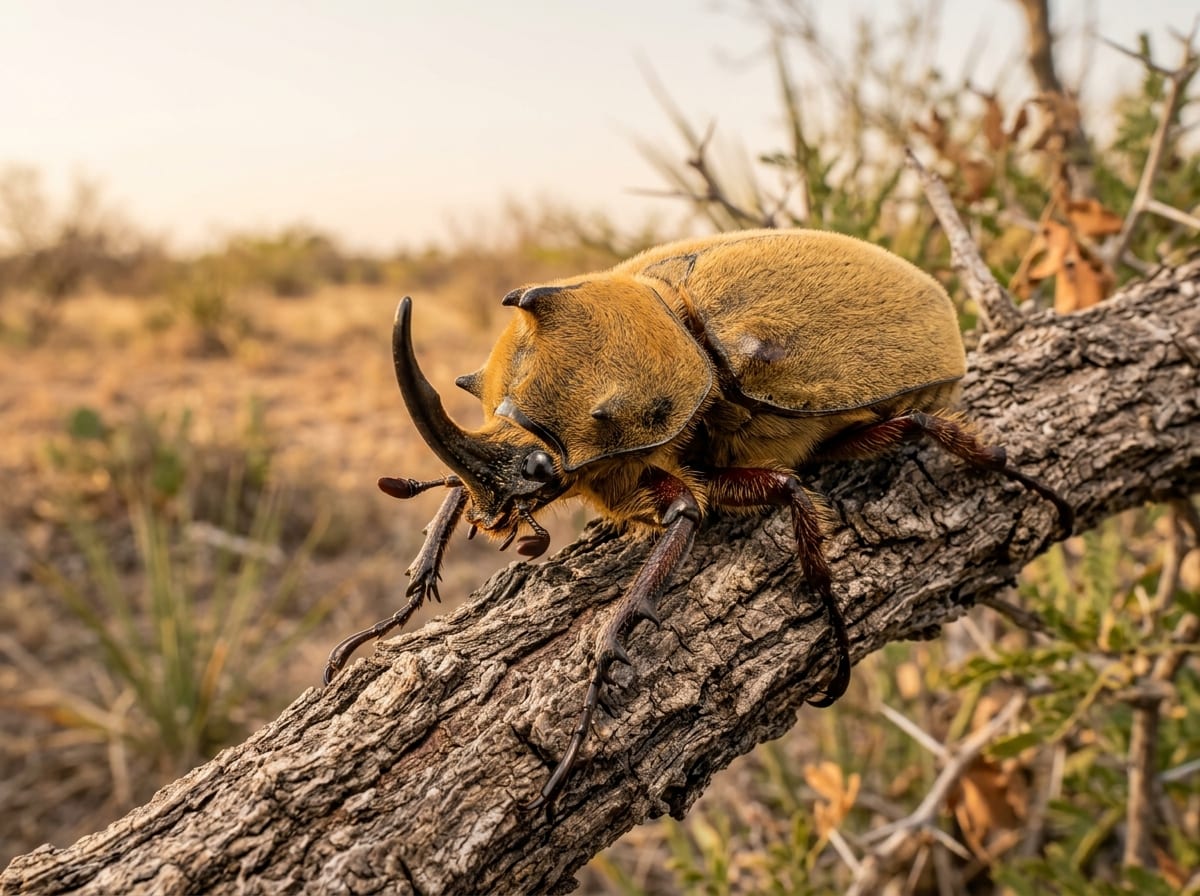
The Texas elephant beetle is a small elephant beetle native to southern Texas and northeastern Mexico. What sets it apart from many of its relatives in the elephant beetle group is its coat of fine hairs, which gives the body a pale, sometimes orange-tinted look rather than a typical glossy shell. BE-KUWA reference records list a size of 44.9mm, making this a compact species compared with the larger elephant beetles. It's generally recommended for intermediate keepers, so some prior experience with beetle care is helpful. Its understated coloring and distinctive texture make it an appealing addition for collectors looking for something a little different.
View Texas elephant beetle encyclopedia →Breeder Wanted!
List on BreederDirect and sell directly to customers nationwide!
BreederDirect's 6 Transparency Commitments
When listing Insects, Breeders disclose the following. We guarantee transparency on growth stage and breeding unit.
- Life Stage Clarity
- Generation Info
- Real Photos
- Breeding Unit
- Country of Origin
- Body Length (mm)
Browse all 336 breeds
Verified breeders wanted for Insects
Breeders are signing up now ahead of launch. Subscribe to be notified when new listings go live.
Getting alerts is free with a member account. When new listings match your saved search, we'll notify you by email and in-app.
Browse other categories
Verified breeders (preview)
Texas elephant beetle key facts
- Care level
- Intermediate
- Size
- BE-KUWA reference record 44.9mm
- Diet
- Adults take sap, fruit juice or beetle jelly; larvae eat fermented substrate (tree and shrub roots in the wild)
- Temperature & Humidity
- There is little numeric temperature data. Avoid extremes of heat and cold and keep the substrate from drying out.
- Food & Feeding
- Adult Megasoma drink sap and fruit juice, so offer beetle jelly.
- Breeding & Egg-laying
- Little is published on breeding this species; wild larvae are said to feed on tree and shrub roots. In captivity provide deep fermented substrate for laying.
- Lifespan & Rearing Period
- In Texas adults are found from July to October. Larval duration is poorly documented.
- Health & Notes
- Japanese spellings vary (bogti, bogudi, boguto), so confirm the scientific name Megasoma vogti. Importing foreign stag and rhinoceros beetles is regulated by the Plant Protection Act and the Invasive Alien Species Act (species-name certificate), with each species needing clearance from the Plant Protection Station, so domestically bred stock is the safe choice. Never release captive beetles.
About Texas elephant beetle
The Texas elephant beetle is a small, fuzzy-coated elephant beetle native to southern Texas and northeastern Mexico, known for its pale, distinctive coloring within the elephant beetle group. It's generally suited to intermediate keepers.
7 things to know before welcoming a Texas elephant beetle
1Native to Texas and Mexico
This species is native to southern Texas and northeastern Mexico. Keeping its native climate in mind can help when setting up a suitable enclosure.
2Pale color from fine hairs
Its body is covered in fine hairs that give it a pale, sometimes orange-tinted appearance. This is one of its most distinctive traits within the elephant beetle group.
3A compact-sized beetle
BE-KUWA reference records list a size of 44.9mm, making it one of the smaller members of the elephant beetle group. Keep in mind that individual size can vary.
4Best for intermediate keepers
This species is generally considered suited to intermediate keepers. Some prior experience with beetle husbandry will help you care for it with confidence.
5Limited lifespan data
Detailed lifespan data for this species is limited. In Texas, adults are known to be active from July through October, which can serve as a rough seasonal reference.
6Temperature and humidity care
Aim to avoid an overly dry enclosure, taking cues from its native climate. Balancing ventilation and humidity inside the case is a key part of day-to-day care.
7Preparing before you bring one home
Prepare the enclosure, substrate, and food such as insect jelly before bringing one home. Sourcing from a trustworthy seller also helps you start off on the right foot.
Frequently asked questions about Texas elephant beetle
- Q.Is the Texas elephant beetle good for beginners?
- A.This species is generally considered suited to intermediate keepers. Some prior experience with beetle care will help you keep it successfully.
- Q.How big do adults get?
- A.According to BE-KUWA reference records, the listed size is 44.9mm, making this one of the smaller elephant beetles. Individual size varies, so treat this as a general guideline.
- Q.How long do they live?
- A.There isn't much detailed data on lifespan for this species. In Texas, adults are known to be active from July through October.
- Q.Are there any legal restrictions on this species?
- A.This species is not subject to CITES. Many live foreign Scarabaeoidea (stag beetles, rhinoceros beetles, flower chafers and relatives) are quarantine pests whose import is banned under Japan's Plant Protection Act, and even importable species require a species-name certificate from a foreign government body under the Invasive Alien Species Act (entry only via designated airports, never by international post). Whether a species may enter must be checked with the Plant Protection Station in advance, so choose domestically bred stock and never release captive beetles.
- Q.What's distinctive about its coloring and texture?
- A.Its body is covered in fine hairs that give it a pale, sometimes orange-tinted look. This is considered a distinctive trait within the elephant beetle group.
Useful tools for Texas elephant beetle care
Learn more about Texas elephant beetle in the encyclopedia
View Texas elephant beetle encyclopedia entry →
Care difficulty, lifespan, size and diet — all basics covered.
More in this category
Can't find the one you're looking for?
Post your wishes for free and breeders with matching animals will contact you with introductions.