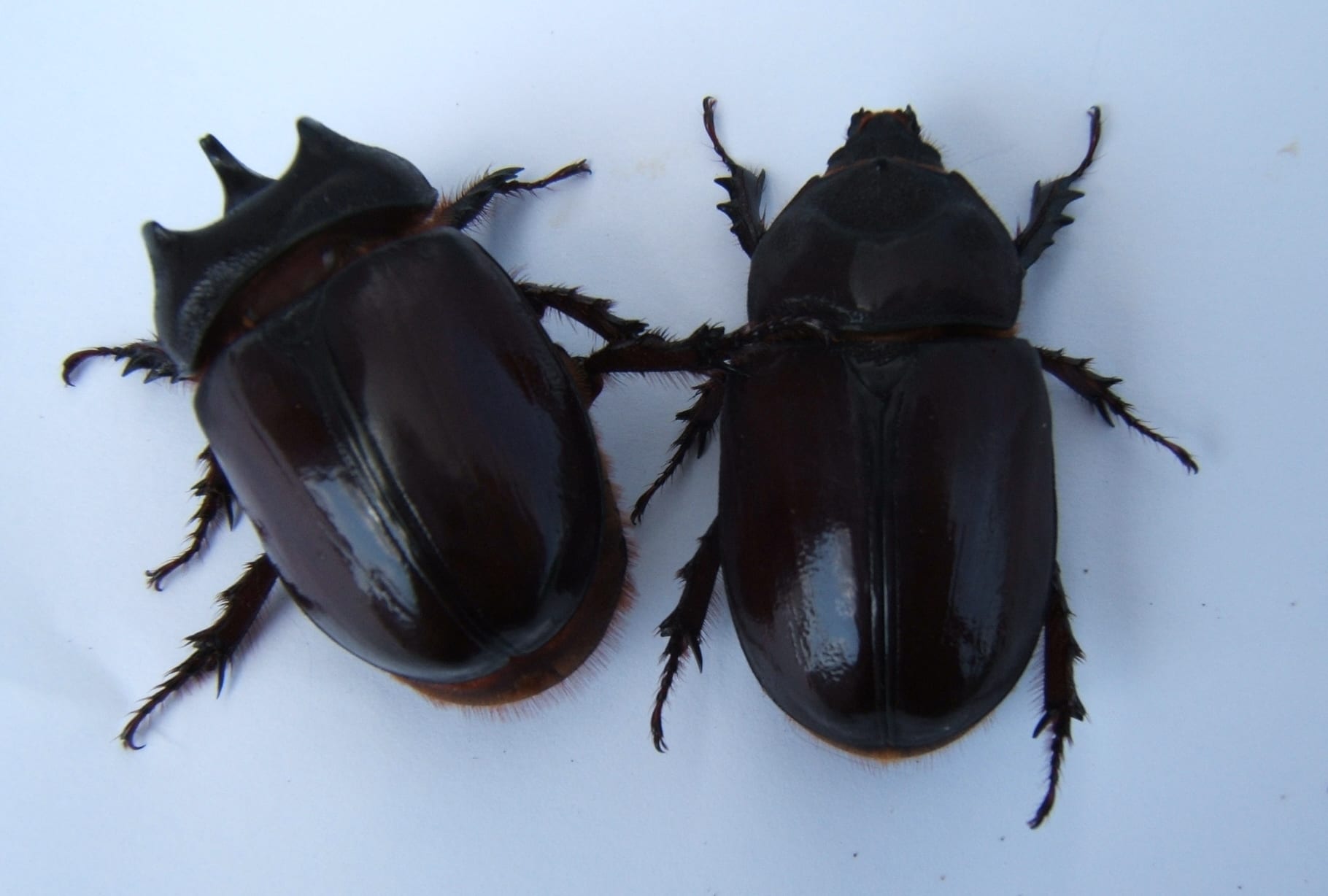
 © Shawn Hanrahan / CC BY-SA 2.5
Ox beetle
The Ox beetle is a striking three-horned beetle native to a range spanning the southern United States down through Central and South America. Large males develop an imposing horn on the pronotum, often compared to the look of a Triceratops, while females carry a shorter horn used for digging into soil. Adults measure roughly 2.5 to 3.8 cm excluding the horn, with larvae developing over about 4 to 6 months before adults become active between May and November. Best suited to keepers with some prior experience, this beetle's bold, armored appearance has made it a longtime favorite among insect enthusiasts.
View Ox beetle encyclopedia →0% commission on your first sales!Register by September 30, 2026 and your first 2 sales are commission-free!
Breeder Wanted!
List on BreederDirect and sell directly to customers nationwide!
6 Transparency Standards You Can Trust
When listing Insects, Breeders disclose the following. We guarantee transparency on growth stage and breeding unit.
- Life Stage Clarity
- Generation Info
- Real Photos
- Breeding Unit
- Country of Origin
- Body Length (mm)
Browse all 336 breeds
Verified breeders wanted for Insects
Breeders are signing up now ahead of launch. Subscribe to be notified when new listings go live.
Getting alerts is free with a member account. When new listings match your saved search, we'll notify you by email and in-app.
Browse other categories
Verified breeders (preview)
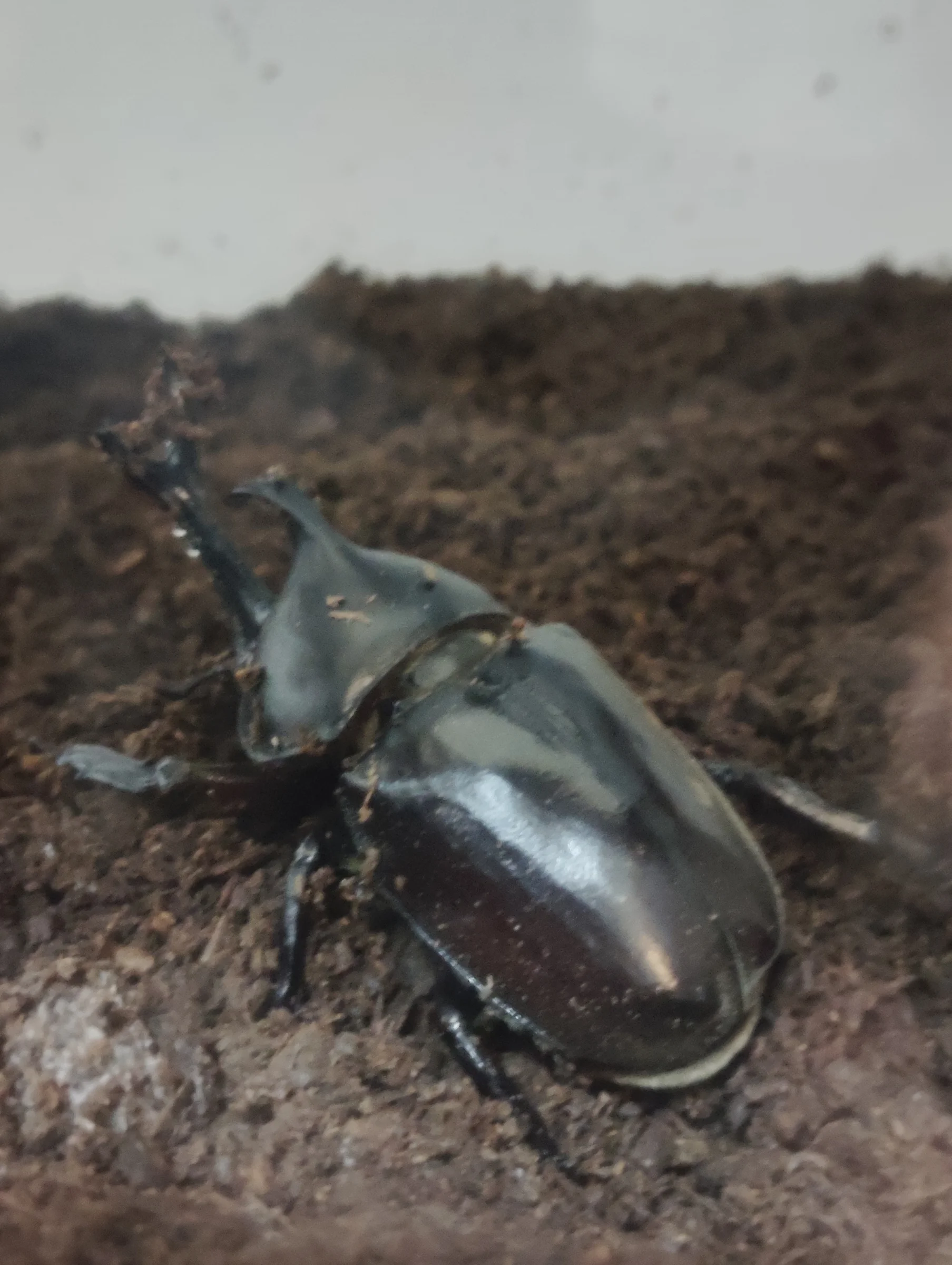
Ox beetle key facts
- Care level
- Intermediate
- Lifespan
- Larval stage 4-6 months; adults active May to November
- Size
- 2.5-3.8cm excluding horns
- Diet
- Adults take flowers, fruit or beetle jelly; larvae eat roots in soil (fermented substrate in captivity)
- Temperature & Humidity
- There is little numeric temperature data. Keeping pupae warm shortens the pupal stage.
- Food & Feeding
- Adults eat flowers and all sorts of fruit. In captivity offer fruit or beetle jelly.
- Breeding & Egg-laying
- In the wild larvae feed on roots underground and pupate after four to six months. In captivity use a deep, soil-rich fermented substrate.
- Cohabitation
- Major males fight with their horns. Keep adults singly and together only for mating.
- Lifespan & Rearing Period
- Adults are active from May to November, and both sexes seek mates throughout.
- Health & Notes
- Its larvae are sometimes lawn and garden pests, so never put beetles, larvae or used substrate outdoors. Importing foreign stag and rhinoceros beetles is regulated by the Plant Protection Act and the Invasive Alien Species Act (species-name certificate), with each species needing clearance from the Plant Protection Station, so domestically bred stock is the safe choice. Never release captive beetles.
About Ox beetle
The Ox beetle is a three-horned beetle native to the southern US through Central and South America. Males grow a large horn, and adults reach about 2.5-3.8cm excluding it. Suited to intermediate keepers.
7 things to know before welcoming a Ox beetle
1The Male's Signature Horn
Adult males grow a large, prominent horn on the pronotum, giving them a bold appearance often compared to a Triceratops. Females have a much shorter horn, making it easy to tell the sexes apart at a glance.
2Managing the Larval Stage
The larval stage lasts about 4 to 6 months. Keeping conditions stable during this period, without sudden environmental changes, helps larvae develop smoothly.
3Adult Activity Season
Adults are active from May through November. During this period they move around energetically, so it helps to keep their enclosure in a stable, undisturbed spot.
4What the Female's Horn Is For
The female's horn is shorter than the male's but serves as a digging tool. It plays an important role in preparing suitable spots in the substrate.
5Care Difficulty Level
This species is considered suitable for intermediate-level keepers. Having some baseline experience with beetle care makes it easier to provide a stable, appropriate environment.
6Body Size at a Glance
Adults measure roughly 2.5 to 3.8 cm excluding the horn. Among the ox beetle group, this species stands out for its sturdy, robust build.
7Before You Bring One Home
Understanding that this beetle passes through a larval stage before becoming seasonally active as an adult makes day-to-day care easier to plan. It helps to think about the whole life cycle rather than just the moment of arrival.
Frequently asked questions about Ox beetle
- Q.How long does an Ox beetle live?
- A.The larval stage lasts about 4 to 6 months, and adults are active from May through November. Their activity as adults follows this seasonal pattern.
- Q.How can I tell males and females apart?
- A.The clearest difference is horn size. Males have a large, well-developed horn on the pronotum, while females have a much shorter, more modest horn.
- Q.Can beginners keep this species?
- A.This species is generally considered suited to intermediate-level keepers. Having some prior experience with beetle care will help you feel more confident providing appropriate conditions.
- Q.How big do adults get?
- A.Adults reach roughly 2.5 to 3.8 cm in body length, excluding the horn. Including the horn, males appear noticeably larger and more imposing.
- Q.Why is it compared to a Triceratops?
- A.The male's large, well-developed pronotal horn gives it a bold silhouette that resembles the dinosaur Triceratops. This distinctive horn is one of the beetle's biggest draws for enthusiasts.
Useful tools for Ox beetle care
Learn more about Ox beetle in the encyclopedia
View Ox beetle encyclopedia entry →
Care difficulty, lifespan, size and diet — all basics covered.
More in this category
Can't find the one you're looking for?
Post your wishes for free and breeders with matching animals will contact you with introductions.