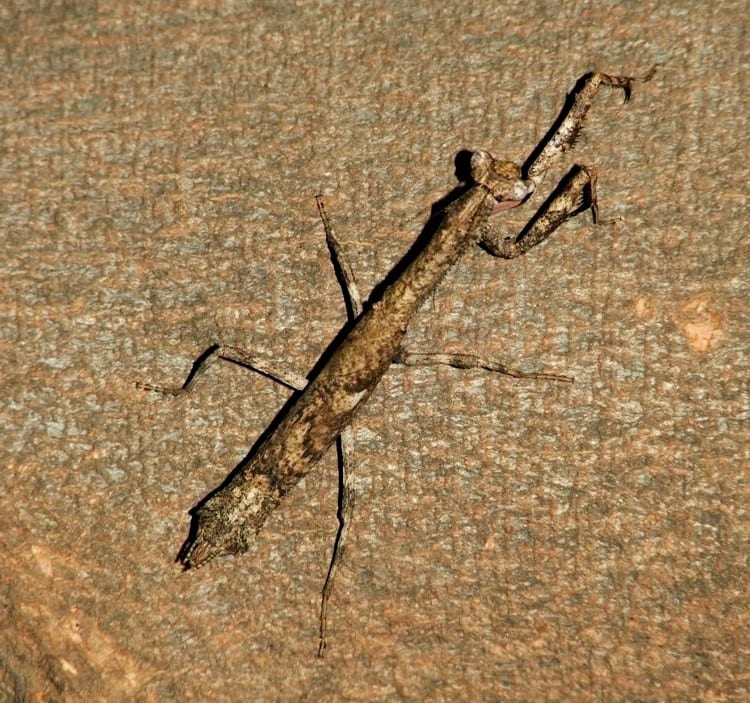
 © DJK jnr / CC BY-SA 3.0
African twig mantis
The African twig mantis is native to Africa and gets its name from its slender, elongated body that mimics a dead twig right down to its color and texture. It clings motionlessly among branches, blending into its surroundings while it waits to ambush passing prey. Females grow to about 8 cm and males to about 7 cm, making this a mid-sized mantis whose patient, ambush-style hunting is fascinating to watch. Its movements are generally slow and deliberate, though the strike itself is quick and dramatic. Because it calls for a bit of prior experience with insect care, it suits keepers already comfortable with the basics of mantis keeping.
View African twig mantis encyclopedia →0% commission on your first sales!Register by September 30, 2026 and your first 2 sales are commission-free!
Breeder Wanted!
List on BreederDirect and sell directly to customers nationwide!
6 Transparency Standards You Can Trust
When listing Insects, Breeders disclose the following. We guarantee transparency on growth stage and breeding unit.
- Life Stage Clarity
- Generation Info
- Real Photos
- Breeding Unit
- Country of Origin
- Body Length (mm)
Browse all 336 breeds
Verified breeders wanted for Insects
Breeders are signing up now ahead of launch. Subscribe to be notified when new listings go live.
Getting alerts is free with a member account. When new listings match your saved search, we'll notify you by email and in-app.
Browse other categories
Verified breeders (preview)
African twig mantis key facts
- Care level
- Intermediate
- Lifespan
- Little data
- Size
- Females about 8cm, males about 7cm
- Diet
- Live insects (fruit flies and other small prey for young nymphs)
- Temperature & Humidity
- There is little species-specific temperature or humidity data. Avoid extreme cold and stuffiness and keep it in a well-ventilated enclosure.
- Enclosure
- It perches as a twig, so provide plenty of thin branches and enough height to hang for moulting.
- Food & Feeding
- It eats live insects. Give young nymphs fruit flies or other prey small enough for them.
- Cohabitation
- Mantises eat their own kind, so keep them singly.
- Health & Notes
- Bringing live insects in from abroad requires checking with the Plant Protection Station first whether they count as pests. Choose domestically bred stock and never release captive animals.
About African twig mantis
A twig-mimicking mantis native to Africa that ambushes prey while blending into dead branches. This mid-sized species reaches about 8 cm (females) and 7 cm (males) and suits keepers with some prior insect-care experience.
7 things to know before welcoming a African twig mantis
1Camouflage built for twigs
Its whole body is thin and jointed to resemble a dead branch, and when still it can be remarkably hard to spot. Providing twigs and perches in the enclosure lets you observe this natural camouflage up close.
2Best suited to keepers with some experience
This species is generally considered suited to intermediate-level keepers rather than complete beginners. Familiarity with basic insect care—temperature and humidity control, feeding timing—will make day-to-day care go more smoothly.
3A tall enclosure works well
Because this ambush-hunting mantis spends much of its time perched on branches, a tall enclosure that allows vertical perches suits it well. The extra height also gives it the clearance it needs to molt safely.
4Lifespan data is limited
There isn't much documented data on this species' typical lifespan. Individual variation and rearing conditions may play a role, so it's worth paying close attention to day-to-day changes in your mantis.
5Minimize disturbance during molting
As with mantises in general, the body becomes very fragile just before and after molting. Avoid loud noises, vibration, and handling during this period, and keep the enclosure calm and undisturbed.
6Keep them housed individually
Mantises are prone to cannibalizing one another, so if you keep more than one, house each individually in its own enclosure. This is especially important for nymphs, which face a higher risk from tankmates.
7Set up the enclosure before arrival
Before bringing one home, it helps to have the enclosure, perches, and a thermometer/hygrometer ready in advance. Since feeding usually involves live insect prey, it's also worth confirming how you'll source food ahead of time.
Frequently asked questions about African twig mantis
- Q.Can beginners keep this species?
- A.This species is generally considered suited to intermediate-level keepers rather than absolute beginners. Having some basic insect-keeping knowledge and experience will help you care for it with confidence.
- Q.How big does it grow?
- A.Females reach about 8 cm and males about 7 cm, making this a mid-sized mantis. Final size differs somewhat between the sexes.
- Q.How long do they live?
- A.There isn't much documented data on this species' lifespan, so no firm benchmark is currently available. It's best to keep a close eye on your mantis's condition day to day.
- Q.Is this species subject to any special regulations?
- A.The African twig mantis is not subject to CITES. It is not designated under the Invasive Alien Species Act (Ministry of the Environment list, September 2026). Anyone bringing live insects from abroad must first check with the Plant Protection Station whether they count as pests. Choose domestically bred stock and never release captive animals.
- Q.What should I feed it?
- A.It's common to feed live insects such as crickets. Adjusting the size of the prey to match the mantis's own size is a good general guideline.
Useful tools for African twig mantis care
Learn more about African twig mantis in the encyclopedia
View African twig mantis encyclopedia entry →
Care difficulty, lifespan, size and diet — all basics covered.
More in this category
Can't find the one you're looking for?
Post your wishes for free and breeders with matching animals will contact you with introductions.