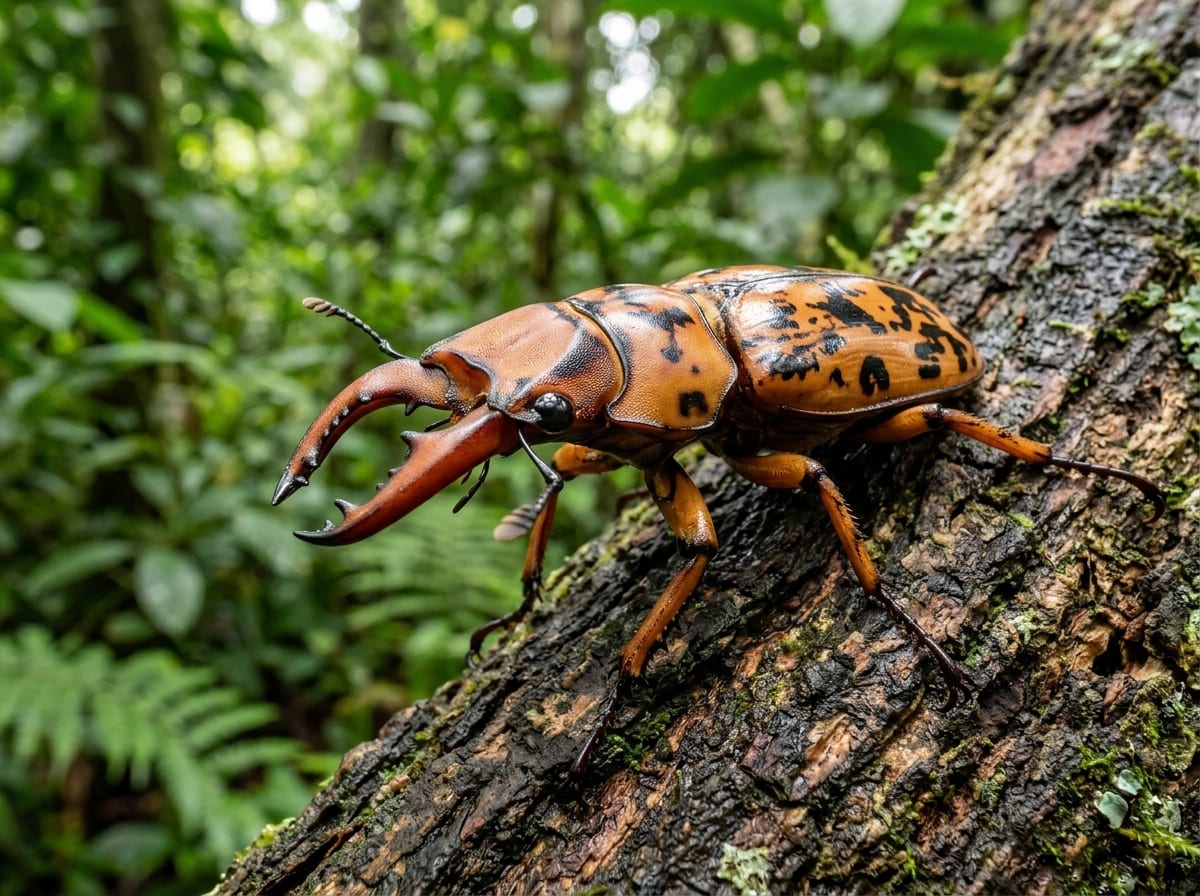
Gladiator stag beetle
The Gladiator stag beetle comes from Central Africa, known for its yellowish-brown body marked with black patches. Males carry a distinctive shield-like projection on the head, and the species shows a noticeably stronger reddish tone than the closely related Merry stag beetle; females can be told apart by forewings that are yellowish-brown overall. It follows a distinctive life cycle, spending more than six months in dormancy after emerging before reaching sexual maturity, after which its adult life is relatively short. It is not subject to CITES, and suits keepers who enjoy watching a slow, deliberate growth process.
View Gladiator stag beetle encyclopedia →0% commission on your first sales!Register by September 30, 2026 and your first 2 sales are commission-free!
Breeder Wanted!
List on BreederDirect and sell directly to customers nationwide!
6 Transparency Standards You Can Trust
When listing Insects, Breeders disclose the following. We guarantee transparency on growth stage and breeding unit.
- Life Stage Clarity
- Generation Info
- Real Photos
- Breeding Unit
- Country of Origin
- Body Length (mm)
Browse all 336 breeds
Verified breeders wanted for Insects
Breeders are signing up now ahead of launch. Subscribe to be notified when new listings go live.
Getting alerts is free with a member account. When new listings match your saved search, we'll notify you by email and in-app.
Browse other categories
Verified breeders (preview)
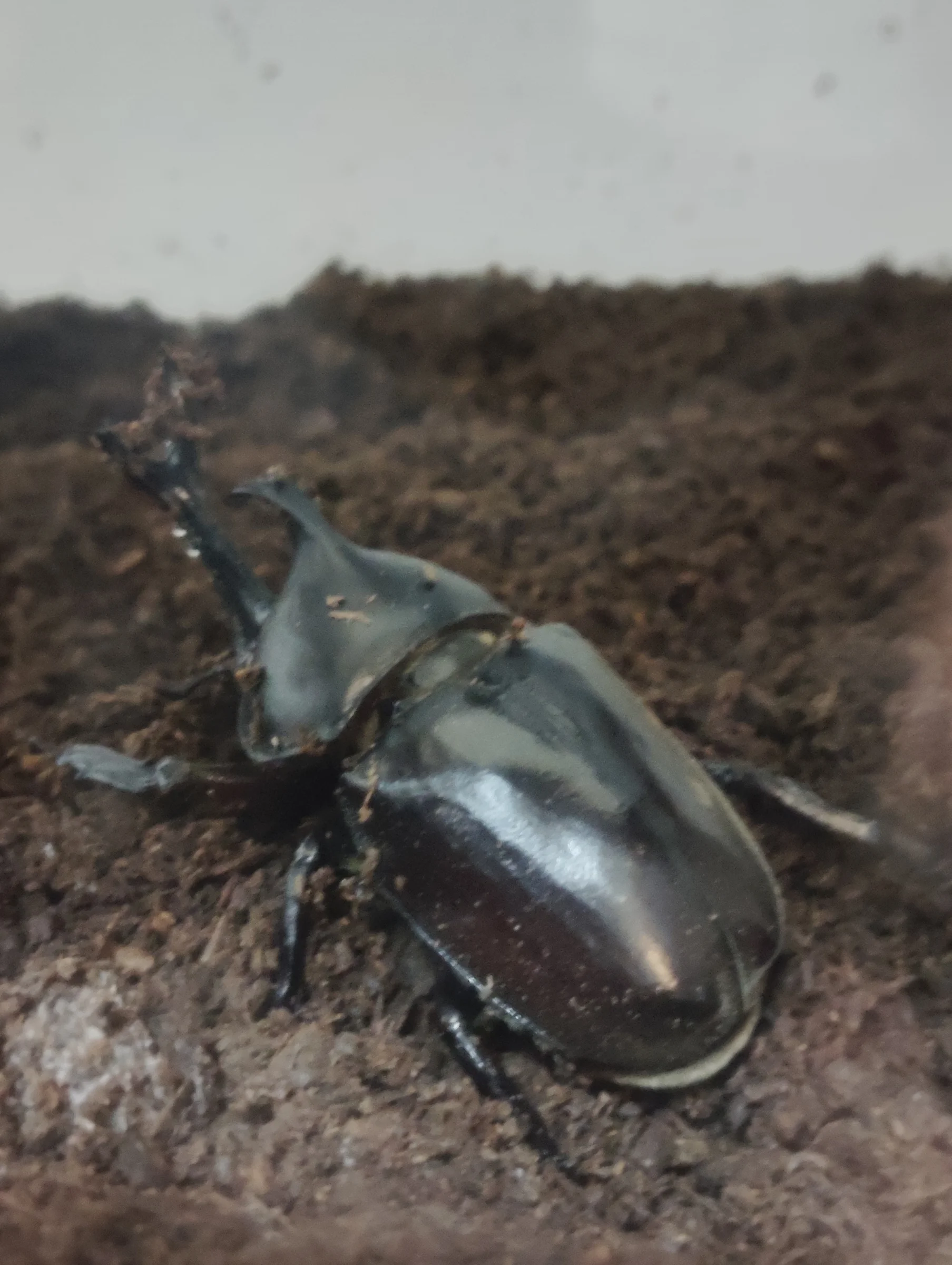
Gladiator stag beetle key facts
- Care level
- Intermediate
- Lifespan
- Rests more than six months before maturity; short-lived once mature
- Size
- Captive record 60.1mm, wild record 58.0mm
- Diet
- Adults take beetle jelly; larvae eat fermented substrate or fungus-bottle media
- Temperature & Humidity
- Adults and larvae are said to prefer warmth and humidity, though larvae tolerate dry spells for quite a while. Larvae held at a constant 20C or so are said to produce large adults even on fermented substrate.
- Breeding & Egg-laying
- Females lay into the surface of fairly soft white-rotted wood, leaving clear egg scars like those of Dorcus rectus. Adults do not start breeding until exposed to a certain level of heat, and resting pairs have been brought into activity, mating and laying by warming them from above with a light bulb.
- Lifespan & Rearing Period
- Larvae eclose in about six months, but in Japan adults rest for more than six months before maturing and are short-lived afterwards, so pair them soon after they become active.
- Cohabitation
- Males fight, using the head shield against a rival's jaws. Keep adults singly and together only for mating.
- Health & Notes
- The subspecies johnstoni, with a pointed clypeus, is sometimes treated as a separate species, so check locality and subspecies and never mix stock with H. mellyi. Importing foreign stag and rhinoceros beetles is regulated by the Plant Protection Act and the Invasive Alien Species Act (species-name certificate), with each species needing clearance from the Plant Protection Station, so domestically bred stock is the safe choice. Never release captive beetles.
About Gladiator stag beetle
A Central African stag beetle with a yellowish-brown body and black markings; males bear a distinctive shield-like head projection. Known for over six months of dormancy before reaching sexual maturity — a species suited to intermediate keepers.
7 things to know before welcoming a Gladiator stag beetle
1Best Suited to Intermediate Keepers
The Gladiator stag beetle is considered a species for intermediate keepers. Prior experience with basic beetle care — temperature and humidity management, understanding its life cycle — helps you keep it with confidence.
2A Long Dormancy Before Maturity
After emerging as an adult, this beetle spends more than six months in dormancy before reaching sexual maturity. Low activity during this period is normal, so patience is key.
3A Short Adult Life After Maturity
Once sexual maturity is reached after the long dormancy, the beetle's remaining adult lifespan is relatively short. Make the most of the time once it becomes active.
4A Distinctive Head on Males
Males have a shield-like projection extending from the head, giving them a striking, distinctive appearance among stag beetles. The size of this projection can vary between individuals.
5Telling It Apart from Similar Species
It closely resembles the Merry stag beetle but can be distinguished by its stronger reddish tone and, in females, forewings that are yellowish-brown overall. Checking these traits is useful when selecting an individual.
6A Guide to Adult Size
Recorded adult sizes reach 60.1mm in captivity and 58.0mm in the wild. Use these figures as a reference when preparing housing and enclosure space.
7What to Expect Before Bringing One Home
Given its long dormancy and relatively short active period after maturity, plan to watch its growth patiently over time. Understanding this life cycle in advance makes for smoother care.
Frequently asked questions about Gladiator stag beetle
- Q.How difficult is it to keep a Gladiator stag beetle?
- A.It's considered a species for intermediate keepers. Prior experience with basic beetle care makes it easier to manage temperature, humidity, and the long dormancy period.
- Q.How does it differ from the Merry stag beetle?
- A.It can be told apart by its stronger reddish tone and, in females, forewings that are yellowish-brown overall. Since the two look similar, checking these traits is worthwhile when selecting an individual.
- Q.How long does it stay active as an adult?
- A.After emerging, it spends more than six months in dormancy before reaching sexual maturity, and its active adult period afterward is relatively short. Reduced activity during dormancy is normal and not a cause for concern.
- Q.How large do adults get?
- A.Recorded sizes are 60.1mm in captivity and 58.0mm in the wild. Individual size varies, so treat these as reference figures.
- Q.Is this species subject to any wildlife trade regulation?
- A.The Gladiator stag beetle is not subject to CITES. Many live foreign Scarabaeoidea (stag beetles, rhinoceros beetles, flower chafers and relatives) are quarantine pests whose import is banned under Japan's Plant Protection Act, and even importable species require a species-name certificate from a foreign government body under the Invasive Alien Species Act (entry only via designated airports, never by international post). Whether a species may enter must be checked with the Plant Protection Station in advance, so choose domestically bred stock and never release captive beetles.
Useful tools for Gladiator stag beetle care
Learn more about Gladiator stag beetle in the encyclopedia
View Gladiator stag beetle encyclopedia entry →
Care difficulty, lifespan, size and diet — all basics covered.
More in this category
Can't find the one you're looking for?
Post your wishes for free and breeders with matching animals will contact you with introductions.