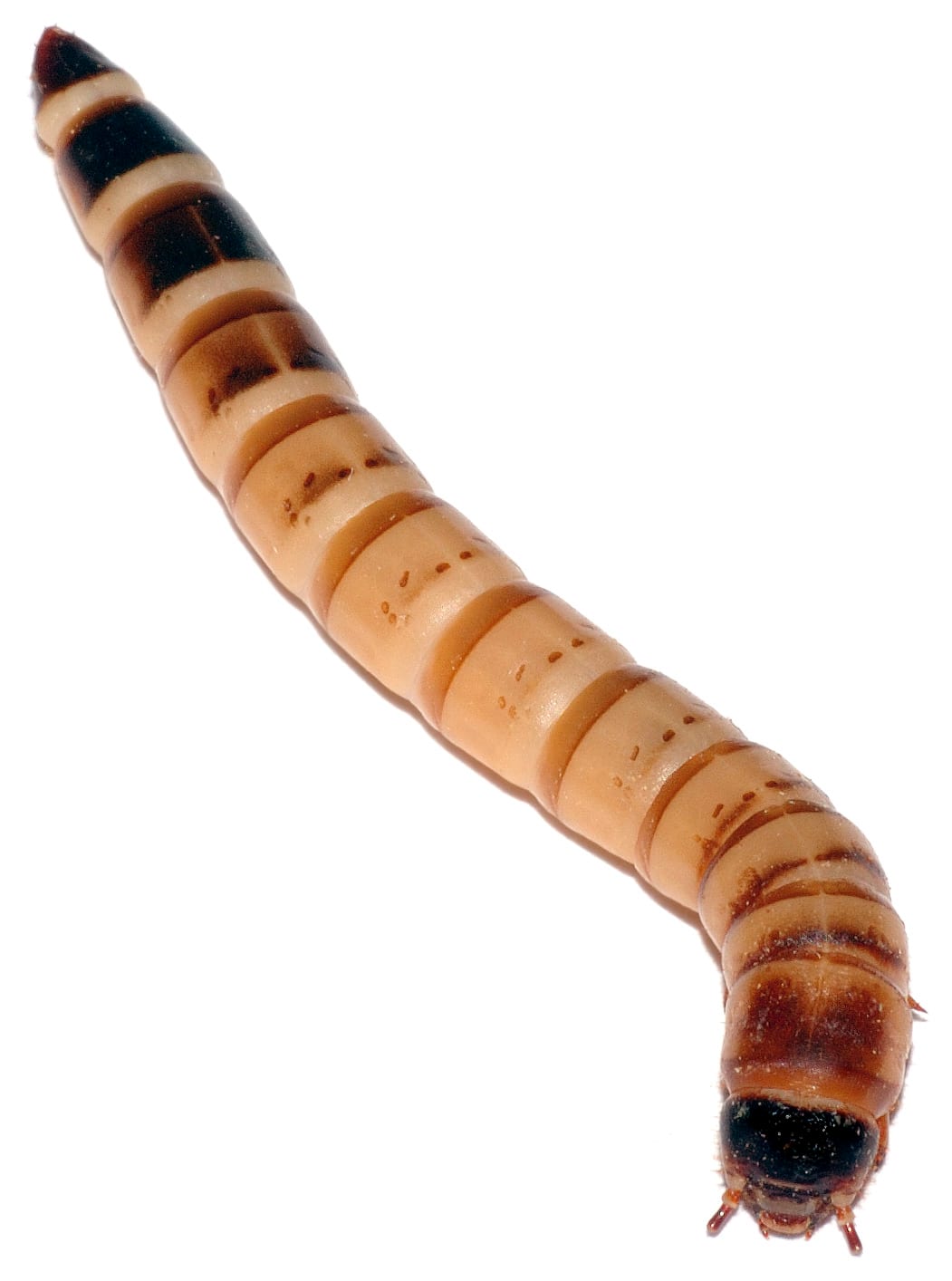
 © André Karwath aka Aka / CC BY-SA 2.5
Superworm
The Giant Mealworm, also known as the Superworm, is the larva of a darkling beetle native to Central and South America. Larger than a standard mealworm, it typically measures 50–60mm long, with distinctly darker coloring at both ends of its body. Prized as a hardy feeder insect for reptiles and birds, it's low-maintenance and well suited to beginners. Superworms don't hibernate and stay active year-round, though they're sensitive to cold. One notable quirk: each larva must be isolated individually before it will pupate successfully.
View Superworm encyclopedia →0% commission on your first sales!Register by September 30, 2026 and your first 2 sales are commission-free!
Breeder Wanted!
List on BreederDirect and sell directly to customers nationwide!
6 Transparency Standards You Can Trust
When listing Insects, Breeders disclose the following. We guarantee transparency on growth stage and breeding unit.
- Life Stage Clarity
- Generation Info
- Real Photos
- Breeding Unit
- Country of Origin
- Body Length (mm)
Browse all 296 breeds
Verified breeders wanted for Insects
Breeders are signing up now ahead of launch. Subscribe to be notified when new listings go live.
Getting alerts is free with a member account. When new listings match your saved search, we'll notify you by email and in-app.
Browse other categories
Verified breeders (preview)
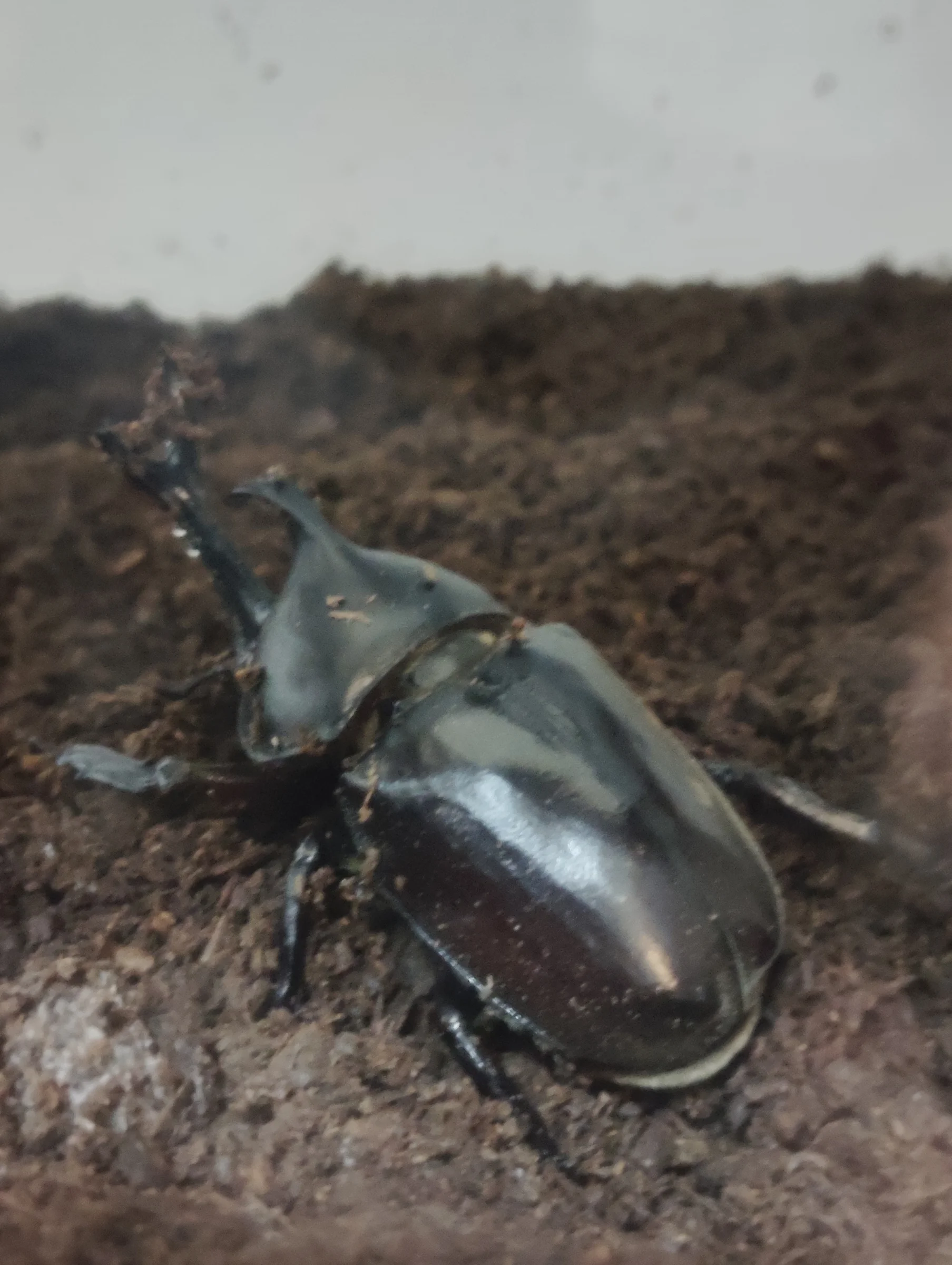
Superworm key facts
- Care level
- Beginner-friendly
- Lifespan
- Long larval stage; pupates 7-10 days after isolation, adults emerge 1-3 weeks later
- Size
- Larvae 50-60mm
- Diet
- Bran, vegetable scraps and animal protein such as pet food
- Temperature & Humidity
- A tropical species that does not hibernate and dislikes cold; cannot be refrigerated. Prefers a moister setup than mealworms.
- Breeding & Egg-laying
- Larvae will not pupate in crowds. Isolate individually for 7-10 days to trigger pupation; adults emerge in 1-3 weeks and lay in bran.
- Cohabitation
- Larvae can be kept together but cannibalise; always isolate pupae. Food shortage increases cannibalism.
- Lifespan & Rearing Period
- The larval stage can be prolonged by density and food; pupation 7-10 days after isolation, pupal stage 1-3 weeks. Survives 1-2 weeks without food.
- Health & Notes
- Fails to thrive without animal protein. Crush the head before feeding to animals that swallow prey whole. High in fat, so use as a supplement, not a staple. In English-language sources, "giant mealworm" usually refers to hormone-treated mealworms (Tenebrio molitor), while this species is distinguished as the "superworm". They are different species, so husbandry and storage methods must not be carried over on the English name alone.
About Superworm
The Giant Mealworm (Superworm) is the beginner-friendly larva of a Central/South American darkling beetle, growing to 50–60mm — a hardy, popular feeder insect.
7 things to know before welcoming a Superworm
1Pupation Requires Isolation
Giant mealworms won't pupate successfully while housed together — contact with other larvae disrupts the process. Isolate each larva you want to pupate in its own small container; pupation typically follows within 7–10 days.
2No Hibernation, Cold-Sensitive
This species doesn't hibernate and is sensitive to low temperatures. Keep the enclosure at a stable, warm temperature year-round, especially during colder months.
3A Large 50–60mm Larva
Giant mealworms grow noticeably larger than standard mealworms, reaching 50–60mm in length. Both ends of the body are distinctly darker in color.
4Beginner-Friendly to Keep
Hardy and low-maintenance, this insect is a good starting point for first-time keepers. A basic enclosure with suitable substrate is enough to get started.
5Adult Emerges in 1–3 Weeks
After isolated larvae pupate, the adult beetle emerges roughly 1 to 3 weeks later. Timing varies between individuals, so patience is key.
6Substrate and Moisture Care
While tolerant of dry conditions, avoid extremes of dryness or dampness. Check the substrate regularly and keep the enclosure clean for long-term care.
7Prepare Containers Beforehand
Before your superworms arrive, set up a well-ventilated enclosure with substrate so they can settle in right away. It also helps to have extra isolation containers ready for pupation.
Frequently asked questions about Superworm
- Q.How is it different from a regular mealworm?
- A.The Giant Mealworm (Superworm) is notably larger than a standard mealworm, reaching 50–60mm in length. It also requires individual isolation to pupate, unlike common mealworms.
- Q.What should I watch for in winter?
- A.Since this species doesn't hibernate, it's sensitive to cold and can become sluggish at low temperatures. Keep the enclosure at a stable, warm temperature throughout the year.
- Q.Why does pupation require isolation?
- A.Contact with other larvae disrupts the pupation process, so each larva must be kept in its own separate container to pupate successfully.
- Q.Is this a good species for beginners?
- A.Yes — it's hardy and requires minimal care, making it a solid choice for first-time insect keepers. A basic enclosure with substrate is all you need to get started.
- Q.How long until it becomes an adult beetle?
- A.After isolation, pupation takes about 7–10 days, followed by another 1–3 weeks before the adult beetle emerges. Individual timing can vary.
Useful tools for Superworm care
Learn more about Superworm in the encyclopedia
View Superworm encyclopedia entry →
Care difficulty, lifespan, size and diet — all basics covered.
More in this category
Can't find the one you're looking for?
Post your wishes for free and breeders with matching animals will contact you with introductions.