Source: Wikimedia Commons
Superworm
BeginnerZophobas morio
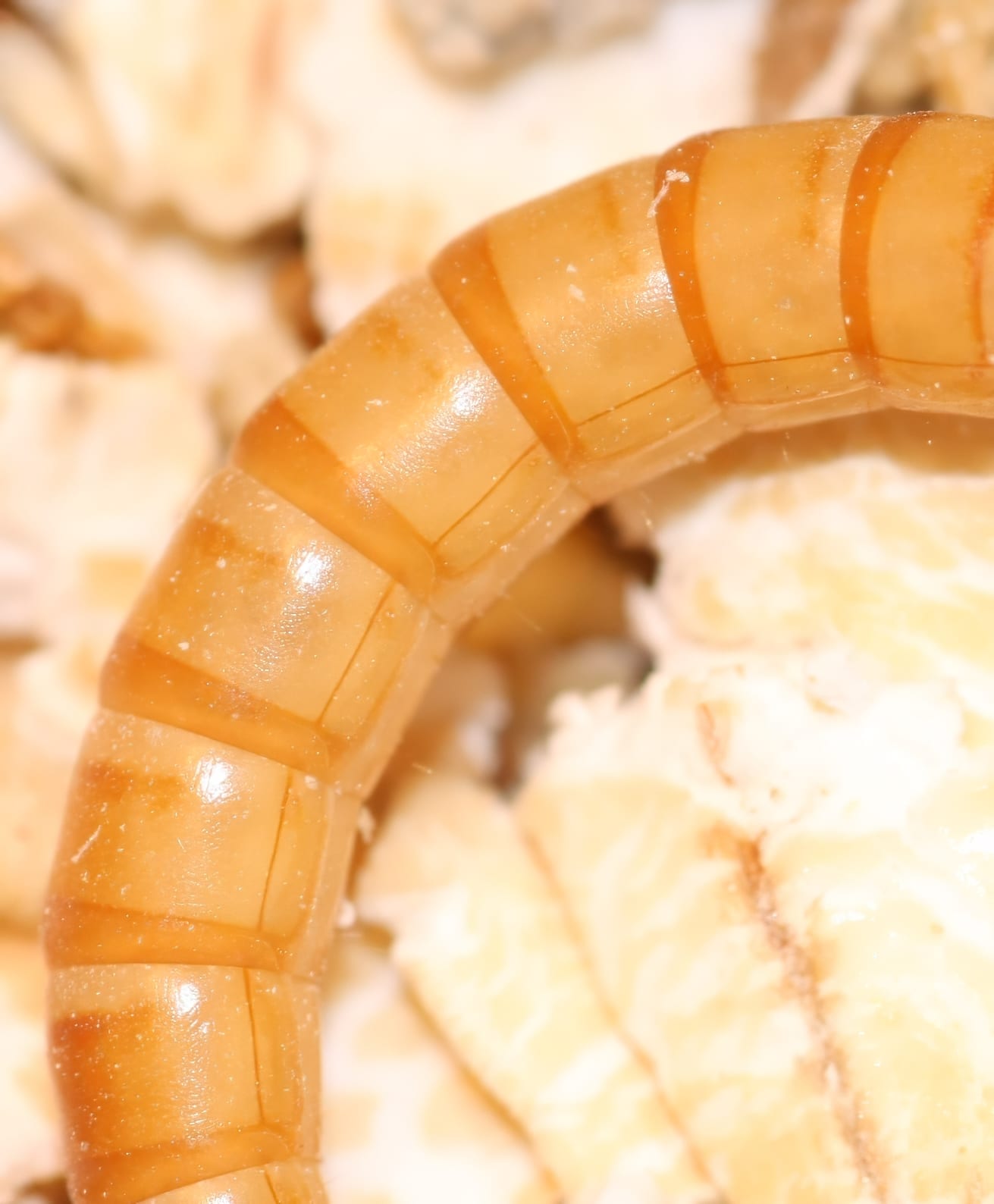
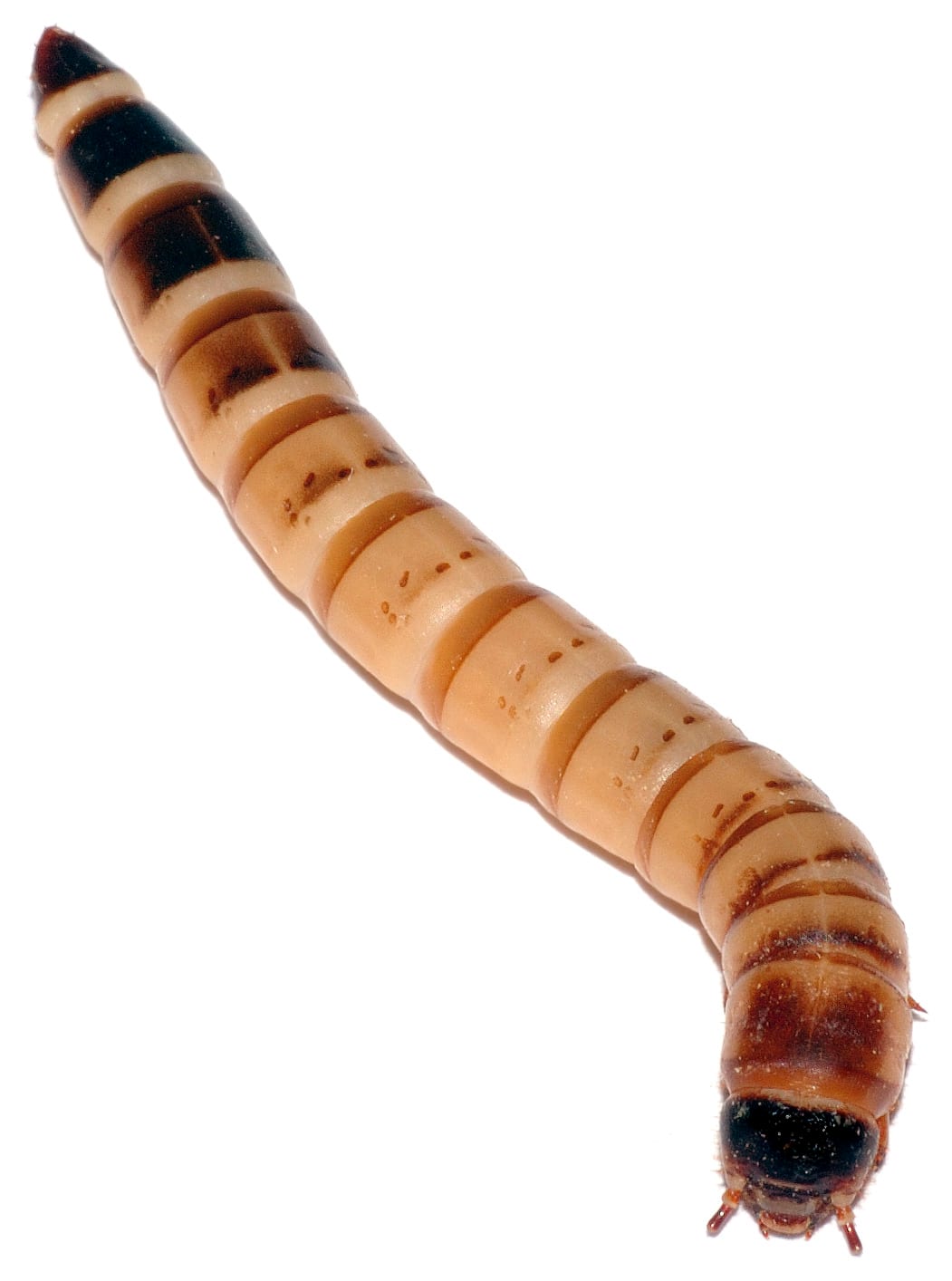
Larva of a large Central and South American darkling beetle. A 50-60mm grub with dark ends that pupates only when isolated. Does not hibernate and dislikes cold.
Difficulty
Beginner
Temperature
20〜28℃
Lifespan
Long larval stage; pupates 7-10 days after isolation, adults emerge 1-3 weeks later
Size
Larvae 50-60mm
Humidity
60〜80%
Diet
Bran, vegetable scraps and animal protein such as pet food
About
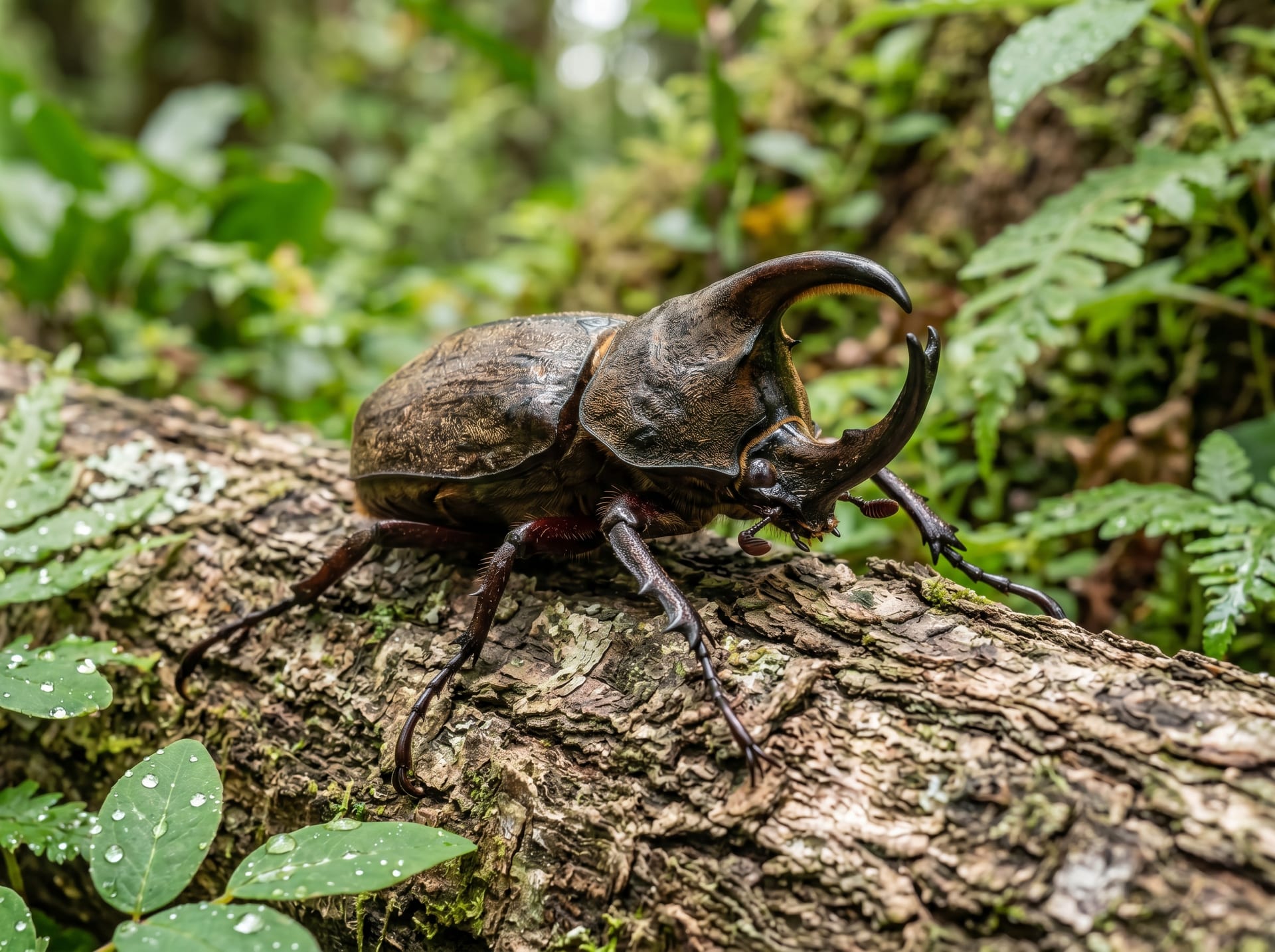
The superworm is the larva of Zophobas morio (treated by GBIF as a synonym of Z. atratus), a darkling beetle native to tropical Central and South America that spread worldwide as reptile food. Larvae resemble mealworms but are far larger, reaching 50-60mm at full size with dark ends. It is thought to have entered Japan around 1990 via China, with domestic culture stock on sale from about 1995; the Japanese name was proposed by Kiyoshi Ando. Culture is on bran with vegetable scraps, but the larvae are strongly omnivorous, grow poorly without animal protein and cannibalise one another. They prefer fairly moist conditions, and many keepers use damp humus or beetle flake soil as both bedding and food. High density with abundant food suppresses pupation; isolating a larva for 7-10 days makes it curl into a C and pupate, and adults emerge 1-3 weeks later, pale at first and darkening to black. Unlike mealworms they do not hibernate, so they cannot be stored in a refrigerator and must be kept warm. Because they can bite internally in animals that swallow prey whole, crush the head before feeding to amphibians. They survive 1-2 weeks without food, which suits distribution.
Source: Wikipedia (CC BY-SA 4.0)
Lifespan of the Superworm
The Superworm lives Long larval stage; pupates 7-10 days after isolation, adults emerge 1-3 weeks later.
Size of the Superworm
The Superworm grows to Larvae 50-60mm.
Basic Info
Origin
Native to tropical Central and South America; spread worldwide as a feeder
Lifespan
Long larval stage; pupates 7-10 days after isolation, adults emerge 1-3 weeks later
Care Specifications
PeacefulGroupBreeding: Moderate
Sources: Wikipedia (ja): Mealworm (Zophobas section) / Wikipedia (en): Zophobas atratus
References & Sources
Edited & verified by: BreederDirect editorial team
The taxonomic, regulatory, and husbandry data on this page are compiled and verified against the authoritative primary sources below.
Taxonomy & Authority
Accepted name: Zophobas morio (Fabricius, 1776)
Synonyms: Zophobas atratus (Fabricius, 1775), Helops morio, Tenebrio atratus, Zophobas rugipes
Authority databases: GBIF
Nomenclature follows global taxonomic authority databases.
Regulations & Conservation Status
Not CITES-listed
Sources: CITES Appendices (species not listed)
Regulations may change. Always verify the latest information with the relevant authorities.
Superworm Listings
Loading latest listingsFind listings for this species