Source: Wikimedia Commons
House Cricket
BeginnerAcheta domesticus
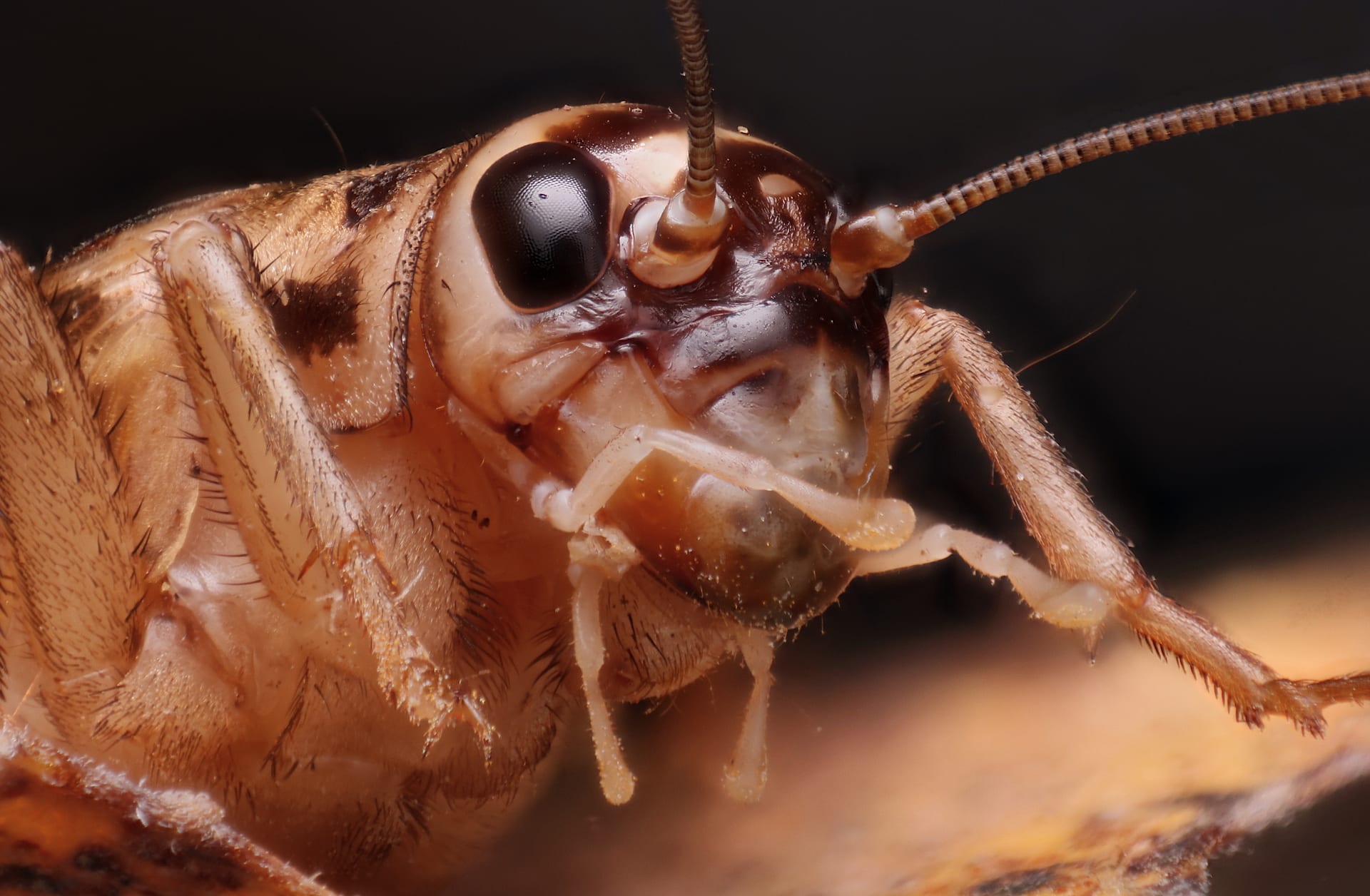
Small tan cricket native to southwest Asia and now worldwide. The most widespread live feeder for reptiles and amphibians, tolerant of dry conditions and easy to handle. Smaller and quicker than the two-spotted cricket.
Difficulty
Beginner
Temperature
20〜28℃
Lifespan
Adults 2-3 months; egg to adult 2-3 months
Size
16-21mm
Humidity
50〜70%
Diet
Omnivorous: vegetables, fruit, grain and cricket food
About
Acheta domesticus is a small cricket probably native to southwest Asia that became the standard feeder insect for the pet and research trades between 1950 and 2000 and spread worldwide. Adults are dark brown to tan, 16-21mm long, and females carry a needle-like ovipositor of about 12mm. It is omnivorous, taking plant and animal matter, and is maintained in captivity on vegetables, fruit, grain and commercial cricket food. At 26-32C a generation takes 2-3 months: adults mate 3-4 days after the final moult, begin laying at 8-10 days and deposit 50-100 eggs every 2-3 days for about two months. Eggs hatch in about 13 days at 30C, and most adults die within two months of the start of laying. Provide water via moist cotton, sponge or vegetables, since open water drowns them. Compared with the two-spotted cricket it tolerates dryness and cool better and chirps more quietly, but it jumps well and escapes easily. In Japan and China it is sometimes kept as a pet in its own right.
Source: Wikipedia (CC BY-SA 4.0)
Lifespan of the House Cricket
The House Cricket lives Adults 2-3 months; egg to adult 2-3 months.
Size of the House Cricket
The House Cricket grows to 16-21mm.
Temperature & humidity for the House Cricket
The ideal temperature for the House Cricket is 20〜28℃. Ideal humidity is 50〜70%.
Keep at 20-28C, or 25-30C for breeding, with humidity of 50-70% while avoiding stagnant damp.
Basic Info
Origin
Native to southwest Asia; spread worldwide as a feeder insect
Care Specifications
PeacefulGroupBreeding: Easy
Sources: No.1 Cricket: keeping house crickets / Amateur Entomologists' Society: Cricket caresheet / Wikipedia (ja): Acheta domesticus / Wikipedia (en): House cricket
References & Sources
Edited & verified by: BreederDirect editorial team
The taxonomic, regulatory, and husbandry data on this page are compiled and verified against the authoritative primary sources below.
Taxonomy & Authority
Accepted name: Acheta domesticus (Linnaeus, 1758)
Synonyms: Gryllus domesticus
Authority databases: GBIF
Nomenclature follows global taxonomic authority databases.
Regulations & Conservation Status
Not CITES-listed
Sources: CITES Appendices (species not listed)
Regulations may change. Always verify the latest information with the relevant authorities.
House Cricket Listings
Loading latest listingsFind listings for this species