Matsumushi Care Guide | Raising the King of Autumn's Singing Insects: Environment, Food, and Sound Management
A detailed guide to keeping "Matsumushi," Japan's iconic autumn singing insect. From collection methods to housing setup, food types, sound management, and basic breeding—a practical guide for long-term, healthy matsumushi care.
Key Takeaways
A detailed guide to keeping "Matsumushi," Japan's iconic autumn singing insect. From collection methods to housing setup, food types, sound management, and basic breeding—a practical guide for long-term, healthy matsumushi care.
What is Matsumushi?
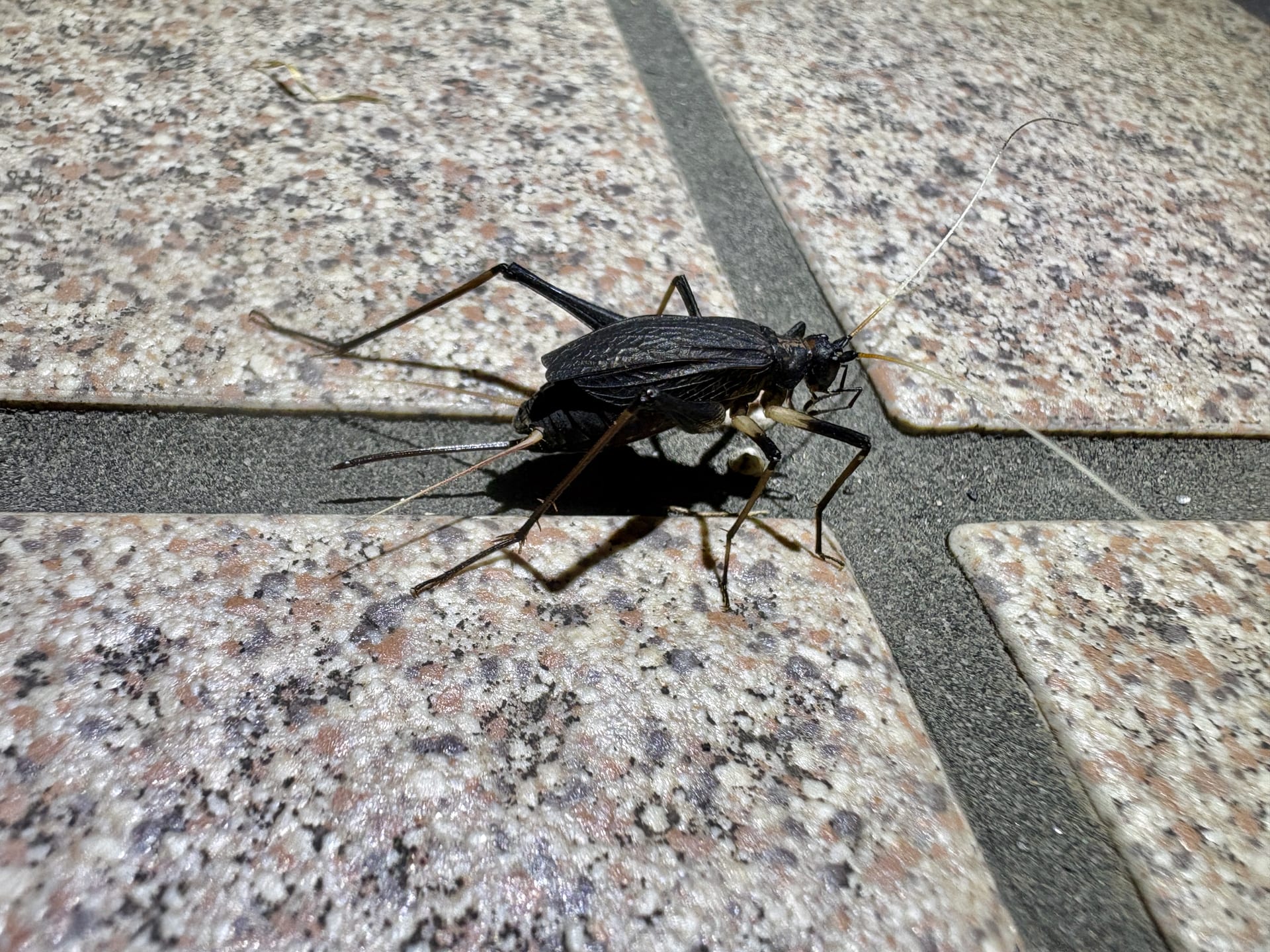
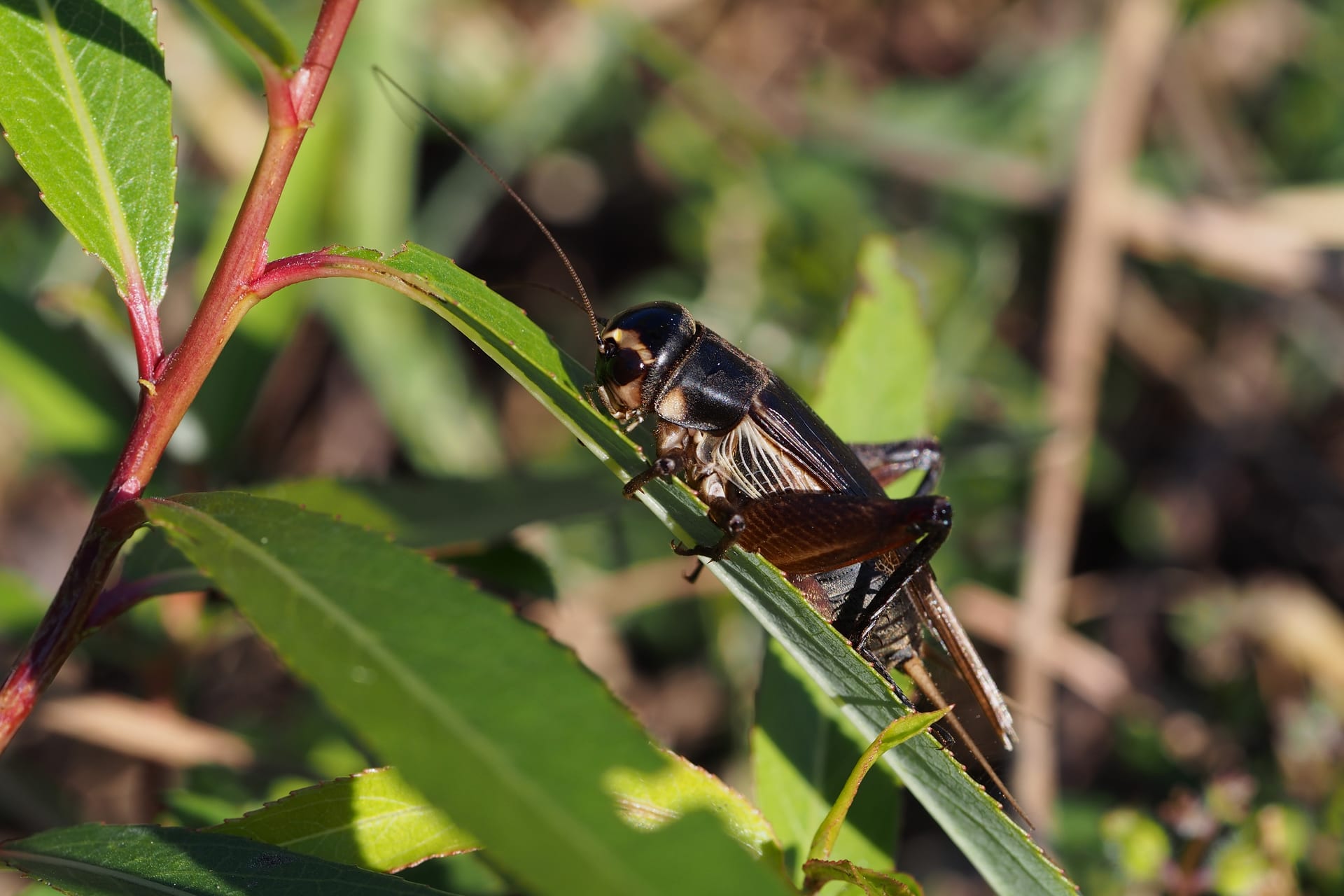
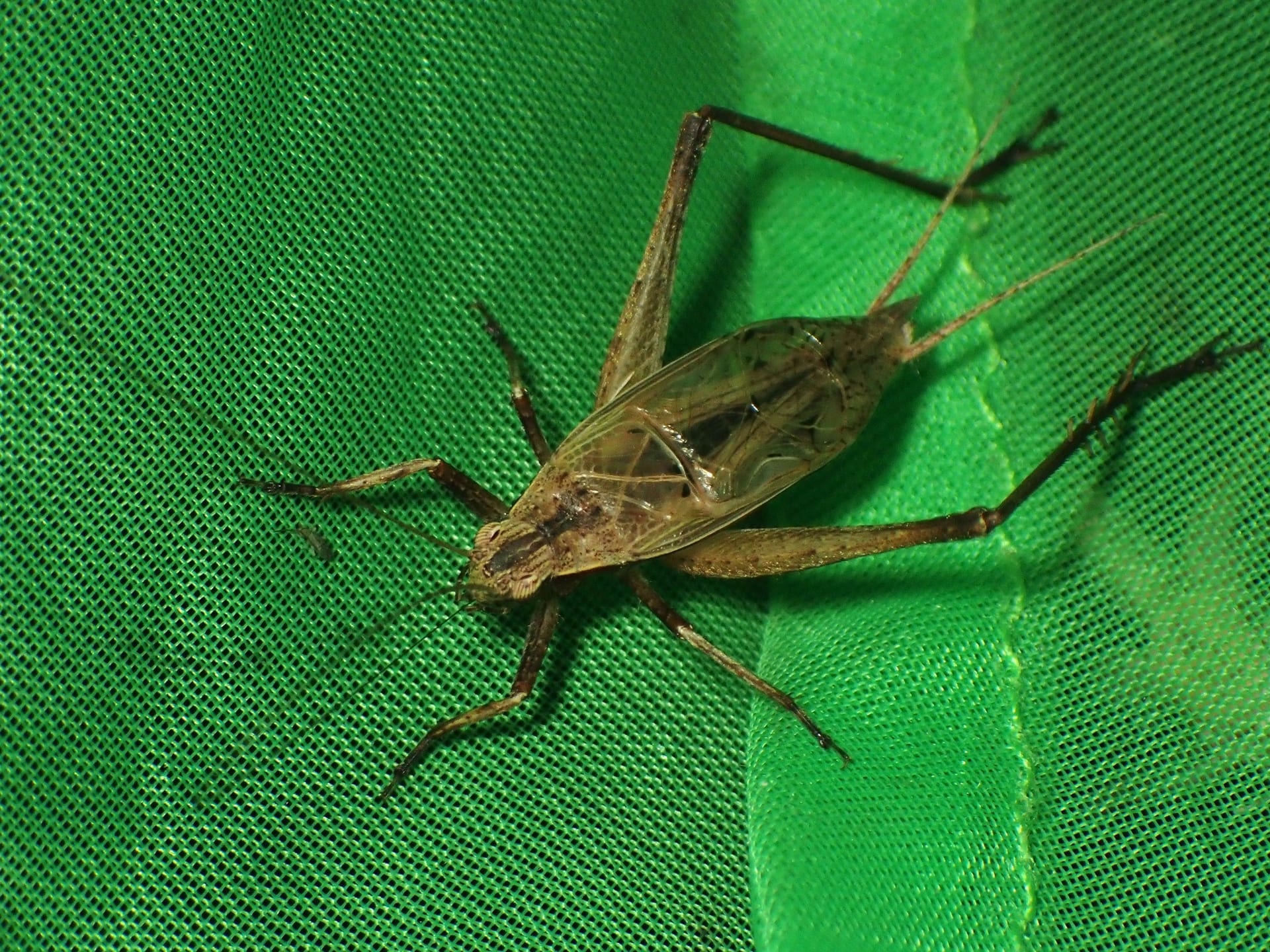
Matsumushi (Xenogryllus transversus) is a species of cricket and has long been called "the king of autumn's singing insects" in Japan. Its clear, high-pitched chirping—"chin-chirori-n, chin-chirori-n"—is featured in the Manyoshu poetry collection and classical haiku, deeply rooted in Japanese culture as an autumn symbol.
✍️
BreederDirect Editorial
The BreederDirect editorial team specializes in care information for animals, covering veterinary care and breeding to deliver beginner-friendly guides.
Find Insects on BreederDirect
Buy directly from verified breeders
Browse Related Listings
Find Insects listings related to this article on BreederDirect. Buy directly from verified breeders.
Order Orthoptera, Family Gryllidae, Genus Matsumushi
Body Length
Males approx. 25mm, Females approx. 28mm
Color
Glossy brown to dark brown
Active Period
Late August–November (adults)
Chirping
Males only; produced by rubbing wings together
Habitat
Grasslands, riverbanks, field margins, embankments, etc.
Distribution
Central Honshu southward, Shikoku, Kyushu (abundant west of Kanto)
Note: The "chin-chirori-n" sound commonly heard in eastern Japan may sometimes be from Suzumushi or Enma crickets, depending on the region. Matsumushi are primarily found west of Kanto and are rarely seen in the Tohoku region.
Collection Methods
Collection Timing and Location
Adult matsumushi are best collected from late August through October.
30 minutes to 2 hours after sunset is the best time to locate them by sound
Search grasslands, field margins, and dried vegetation areas along riverbanks with grass heights of 30–80cm
Approach carefully following the sound, and use a flashlight to illuminate near the grass base
Matsumushi are wary and will stop chirping if you approach too quickly. Approach slowly and quietly, pinpoint the direction of the sound, then catch them swiftly. Transport them using a commercial cricket net or insect catching container.
Collection Precautions
Respect the property owner; do not enter farmland or private property without permission
Verify it is not a regulated invasive species (native matsumushi are not restricted)
Transfer caught insects to a housing container as quickly as possible
Housing Setup
While matsumushi show reasonable adaptability, humidity and temperature management are critical.
Tall reptile cage (good ventilation and convenient)
Insect cage (with wide air vents)
Substrate
Spread black loam or red ball soil (fine grain) 4–6cm deep
Mist the surface 1–2 times weekly to prevent overdrying, as females cannot lay eggs in dry conditions
Avoid completely saturating to prevent decomposition
Hiding Spots
Matsumushi naturally hide in shade during the day.
Add pieces of bark, cork sheets, or broken flower pot fragments
Rolled mesh netting can also serve as shelter
Temperature and Humidity
Temperature: 22–28°C optimal (around 25°C ideal)
Humidity: Maintain 60–70%
Avoid direct sunlight (risk of heatstroke)
Food Types and Feeding
Matsumushi are omnivorous, eating both plant and animal matter.
Main Food
Food
Notes
Commercial cricket pellets
Well-balanced nutrition, easy to manage
Vegetables and fruits (cabbage, apple, carrot, etc.)
Offer fresh items in small amounts; remove uneaten food promptly
Dried fish, bonito flakes, dried mealworms
Provide for animal protein 1–2 times weekly
Water
If providing a water dish, use a shallow container (like a bottle cap) filled with cotton or small stones to prevent drowning. A water dish may not be necessary if vegetables and fruits provide sufficient hydration.
Feeding Frequency
Feed 1–2 times daily in amounts that leave no leftovers. Make it a habit to remove uneaten food the next morning, as it can cause mold and decay.
Sound Management
Matsumushi chirping sounds like "chin-chirori-n" and is surprisingly loud.
If the Sound Is Too Loud
Place the container inside a cardboard box (provides sound insulation)
Adjust the location to match the chirping period (evening to night)
Consider moving to another room in apartments or bedrooms
If the Sound Is Weak or Absent
Temperature too low (below 20°C stops chirping) → provide warmth
Housing multiple males together causes them to chirp more actively in competition
Newly collected insects may not chirp for 2–3 days while acclimating
Basic Breeding
Egg-Laying
Females lay eggs by inserting their long ovipositor into the soil. Provide substrate at least 6cm deep to encourage egg-laying.
Egg-laying period: September–October
Eggs overwinter in the soil and hatch naturally the following spring (May–June)
After laying, females can remain in the same container, or the substrate can be moved to a separate container for management
Overwintering Management (Eggs)
Mist the container with eggs approximately once monthly to prevent drying
Maintain at room temperature indoors (5–15°C) for natural overwintering
Hatching begins naturally as spring temperatures rise
Rearing Nymphs (Juveniles)
Nymphs can be reared on the same food as adults. They undergo 8–10 molts before becoming adults, with wings fully developing at the final molt. The nymph period lasts approximately 3–4 months.
Summary
Matsumushi are insects with beautiful chirping deeply rooted in Japanese culture. Their care is relatively simple—by maintaining proper substrate humidity and temperature, you can enjoy them for a long time. Recreating autumn's brief season indoors and listening to their clear chirping up close is a uniquely Japanese and deeply meaningful experience. I recommend trying the complete breeding cycle from collection to reproduction.