Complete Guide to Raising Bell Crickets | Enjoying Their Chirping as an Autumn Tradition
A comprehensive guide to raising bell crickets. Learn how to choose the right housing and substrate, feed them properly, manage breeding and hatching, raise nymphs, and maintain them to enjoy their beautiful chirping long into the season—all explained in beginner-friendly terms.
Key Takeaways
A comprehensive guide to raising bell crickets. Learn how to choose the right housing and substrate, feed them properly, manage breeding and hatching, raise nymphs, and maintain them to enjoy their beautiful chirping long into the season—all explained in beginner-friendly terms.
Related Species
What Kind of Insect Are Bell Crickets?
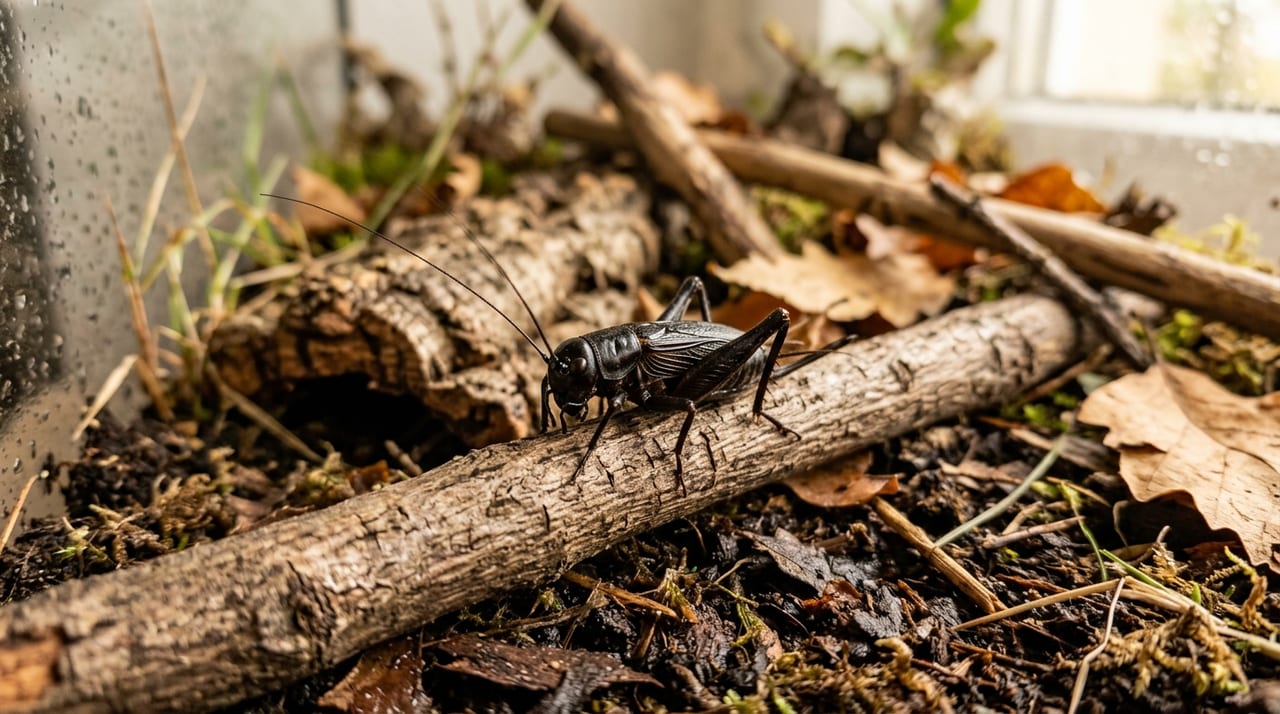
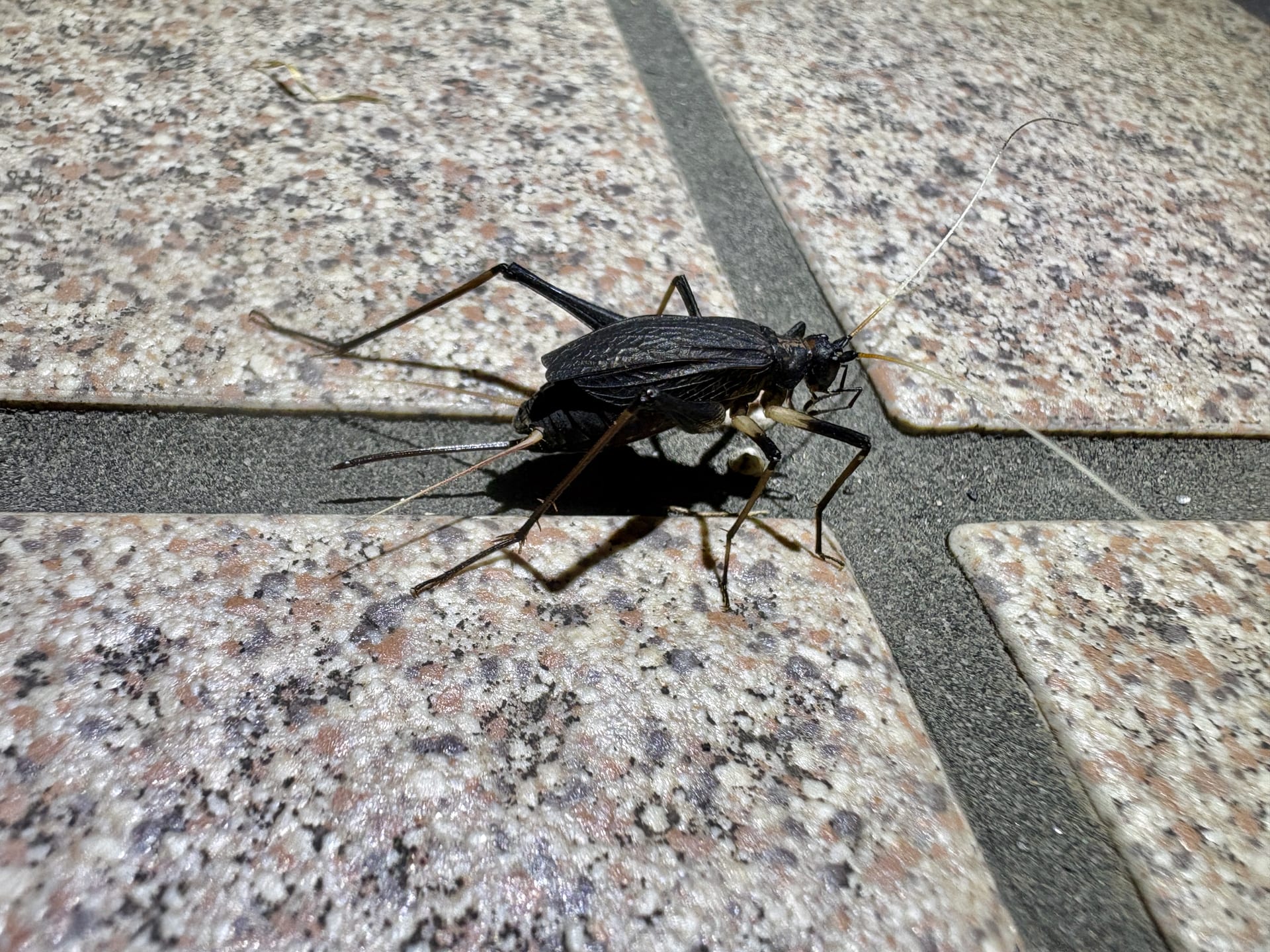
Bell crickets (scientific name: Meloimorpha japonica) are insects belonging to the cricket family (Gryllidae) and are one of Japan's representative chirping insects of late summer and autumn. Their clear, bell-like chirping sound—"Reen, Reen"—has been cherished by Japanese people since ancient times and is frequently referenced in traditional poetry and haiku as "the sound of insects."
Only males chirp, producing sound by vibrating their wings left and right. They are approximately 2–3 cm in body length with a dark brown to nearly black coloration. In the wild, adults are active from August to October and complete their entire life cycle within a year. In recent years, they have become more commonly available at pet shops and insect specialty stores, and the number of hobbyists keeping them has increased.
Essential Equipment and Housing
Breeding Container
A plastic breeding container is ideal.
- Size guidelines: For 10–20 individuals, a container approximately 45 cm wide by 30 cm deep is sufficient
- Ventilation: Choose a container with a mesh lid (trapped moisture can lead to mold growth)
- Escape prevention: Bell crickets escape through tiny gaps, so a fine-mesh lid is essential
Substrate (Bedding)
Substrate plays an important role in maintaining humidity and providing a place for egg-laying.
- Mix of fallen leaves and dark soil: Optimal for egg-laying and hatching. 5–8 cm deep
- Coconut fiber mat: High moisture retention and easy to keep clean
- Terracotta pot shards (no layering necessary): When used at the bottom, ensure good air circulation
Hiding Places
Bell crickets experience stress without places to hide.
- "Ladder-like resting platforms" made from wooden sticks (traditional rearing tool)
- Broken pieces of clay pots or terracotta plates
- Cork bark (for insects)
Providing multiple hiding places also reduces conflicts between individuals.
Food and Water Supplementation
Primary Diet
- Eggplant and cucumber (hydration and carbohydrates): Bell cricket favorites. Slice thinly and place on the substrate
- Bonito flakes (protein): Use sparingly—excessive feeding degrades water quality
- Insect jelly: A convenient, nutritionally balanced option. Can replace eggplant
- Commercial bell cricket food: A convenient complete feed
Water Supplementation
Never place water directly in the container, as crickets can drown. Always provide moisture using one of these methods:
- Moisture from vegetables and fruits (cucumber, apple, etc.): The safest method
- Damp cotton pads: Place in a small container
- Silicone insect water dispensers: Refill daily
Mist the substrate regularly, but avoid over-humidity as it promotes mold. Mist lightly once the surface has dried.
Egg-Laying, Hatching, and Nymph Care
To enjoy bell crickets year after year, understanding the cycle of egg-laying, overwintering, and hatching is essential.
Egg-Laying
Adult females (September–October) insert their ovipositor into the soil to lay eggs. Ensure the substrate is at least 5 cm deep. The best egg-laying substrate is "dark soil" or a "mix of fallen leaves and dark soil."
Overwintering Management
After egg-laying, adults die as winter approaches around November. Keep the container with eggs as is for overwintering.
- Winter care: Place in a cool room indoors (around 5–15°C). Avoid freezing
- Prevent drying: Mist lightly 1–2 times per month when the surface is dry. Avoid over-humidity
Hatching and Nymph Management
When temperatures rise around May–June of the following year, hatching begins.
- Optimal hatching temperature: 25–28°C
- Food for newly hatched nymphs: The same as for adults (eggplant, bonito flakes, commercial food)
- Prevent drowning: Nymphs are extremely small and easily drown—provide moisture only from vegetables
- Prevent overcrowding: Too many newly hatched nymphs leads to cannibalism. Distribute them into separate containers as needed
Time to Adulthood
Nymphs reach adulthood approximately 2 months after hatching (around July–August). Adult lifespan is 2–3 months.
Tips for Enjoying Their Chirping Longer
Males begin chirping a few days after becoming adults. Here are key tips for enjoying their beautiful chirping for an extended period:
Temperature Management Lower temperatures slow their chirping, while excessively high temperatures make it less clear. A temperature range of 25–28°C produces the most beautiful chirping.
Minimize Stress Strong vibrations, direct sunlight, and excessive lighting cause stress. Choose a quiet location with indirect light.
Raise Multiple Males Multiple males chirping in response to each other in "competitive chirping" (seri-naki) is particularly beautiful. 3–5 individuals is optimal.
Enjoy Evening and Night Observation Bell crickets chirp most actively in the dim early evening and night. Placing them in a living room or bedroom allows you to enjoy their chirping before bed or after waking (relocate to another room if the sound disturbs your sleep).
Summary
Bell cricket rearing is enjoyable for beginners once you master the essentials: proper substrate, appropriate diet, hydration management, and overwintering techniques. Their clear, bell-like "Reen, Reen" brings the feeling of a Japanese autumn even indoors. We encourage you to try breeding them and enjoy their chirping year after year.