Source: Wikimedia Commons
Mealworm
BeginnerTenebrio molitor
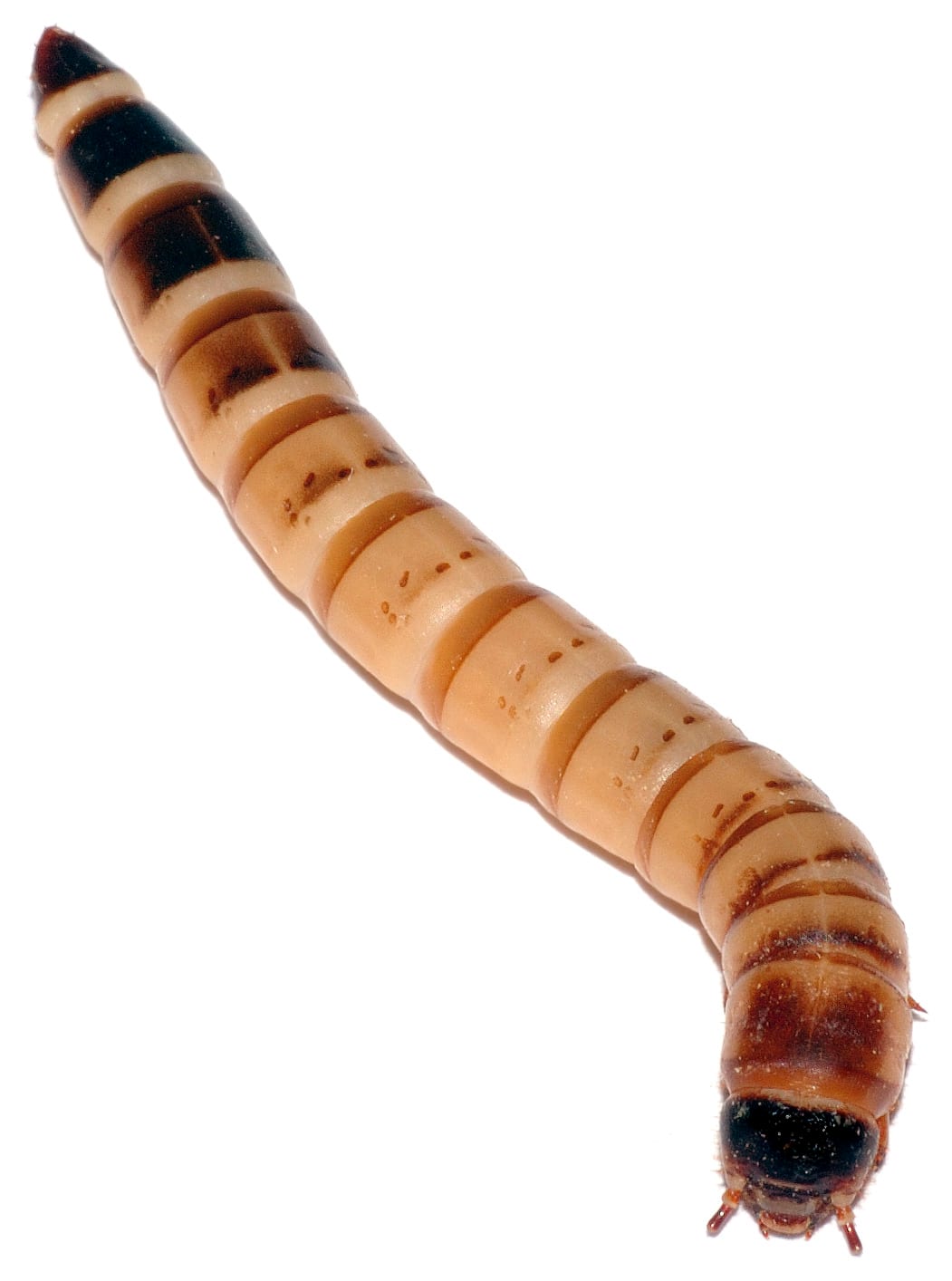
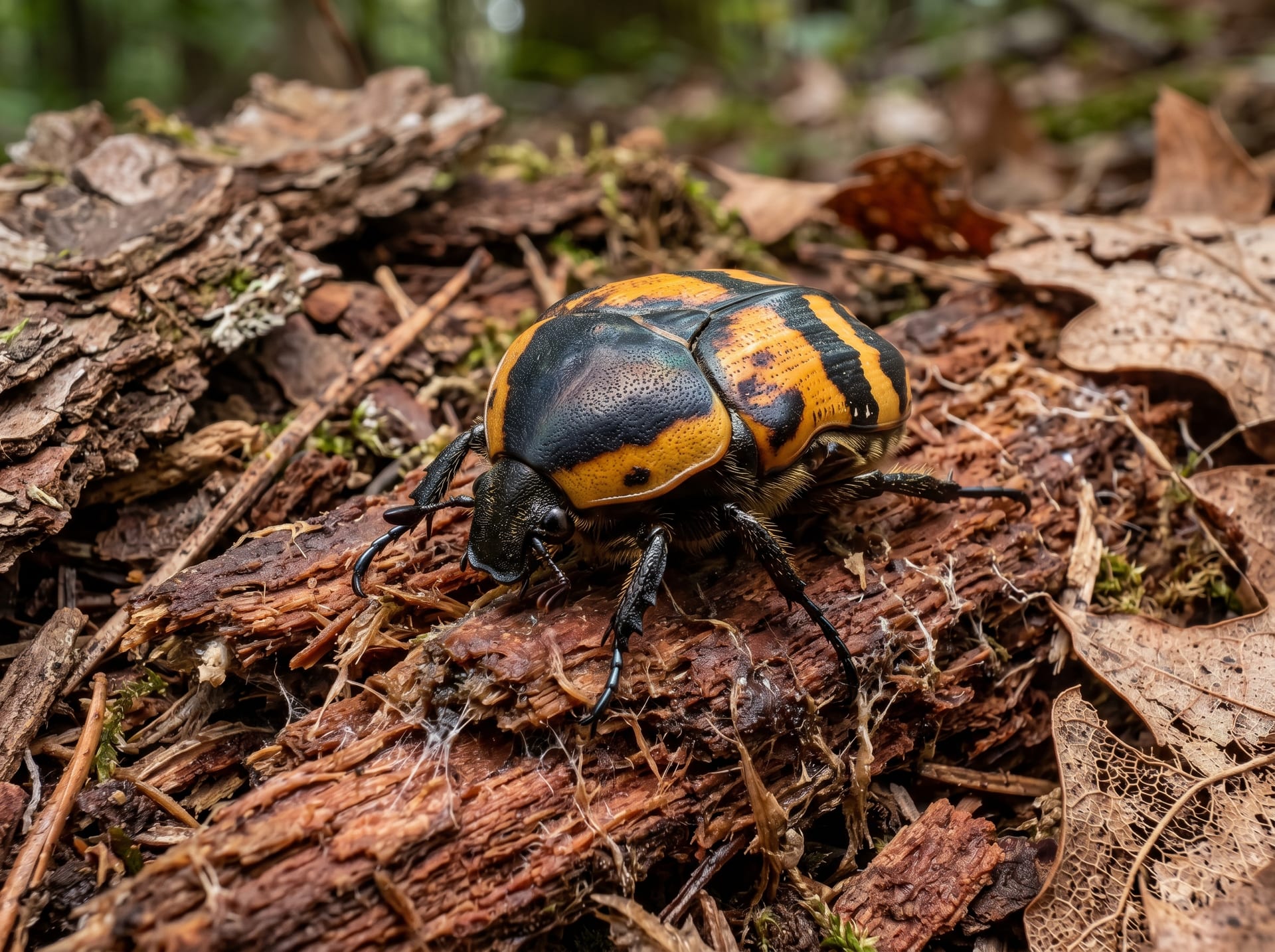
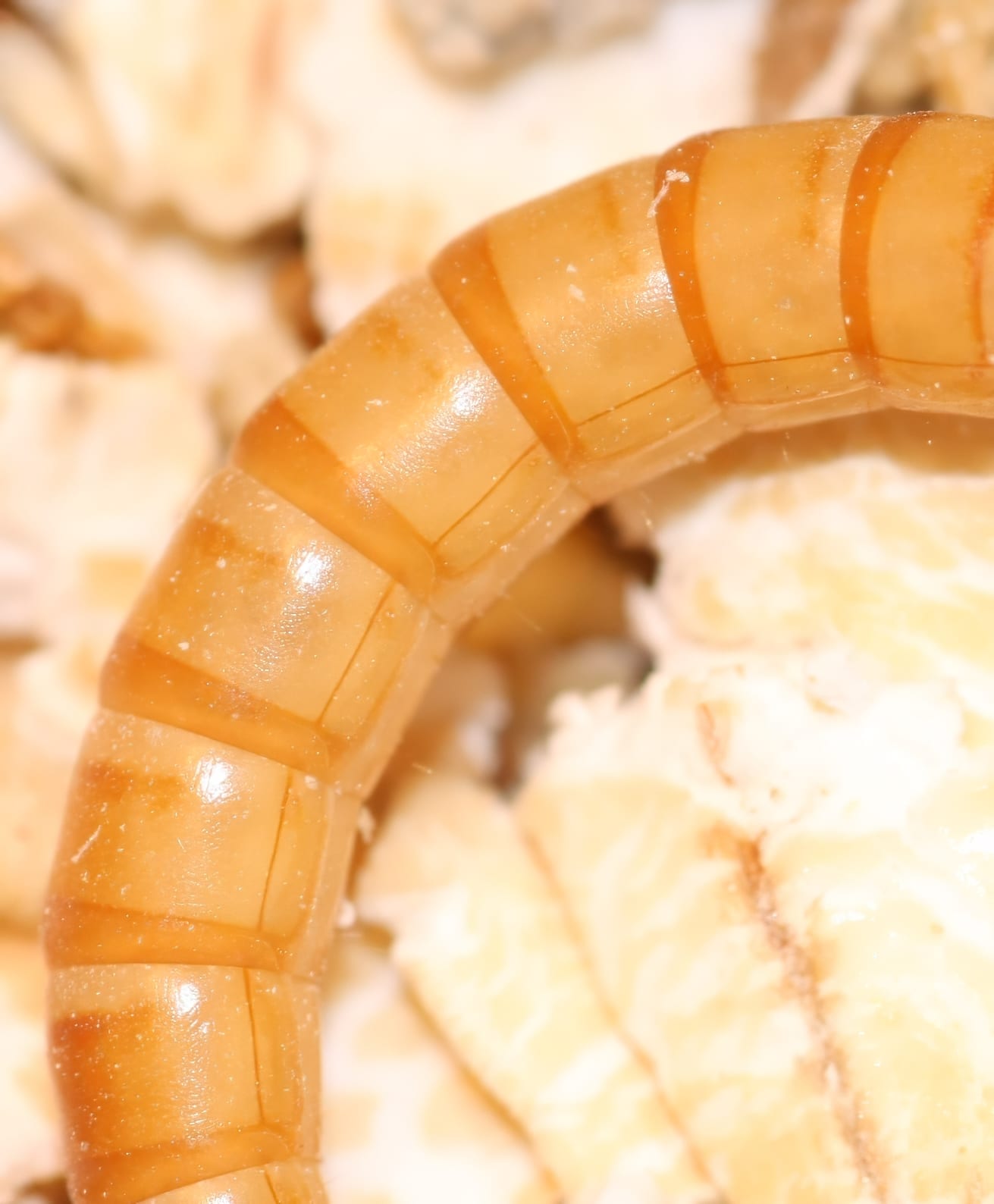
Larva of the yellow mealworm beetle, a darkling beetle. A slender yellow-brown grub that can be bred on wheat bran alone, making it the easiest feeder insect. Adults are dark brown beetles.
Difficulty
Beginner
Temperature
22〜28℃
Lifespan
Adults 6-12 months; larval stage several months (9-20 instars)
Size
Larvae up to about 32mm, adults up to about 19mm
Humidity
40〜60%
Diet
Wheat bran or breadcrumbs, vegetable scraps as a moisture source
About
The yellow mealworm beetle (Tenebrio molitor), sold as 'mealworm', is a stored-grain pest probably of Mediterranean origin that is farmed worldwide as live food for birds, reptiles and amphibians. Larvae are yellow-brown and up to about 32mm; adults are dark brown beetles of up to about 19mm. Eggs hatch 4-19 days after laying, larvae pass through 9-20 instars before pupating, pupae emerge after 3-30 days, and adults live 6-12 months, laying about 500 eggs in a lifetime. Culture needs only a container with a few centimetres of wheat bran or breadcrumbs, larvae and adults, and carrot or potato as a moisture source. Fresh pupae are eaten by larvae and adults and should be moved to a separate container. Nutritionally the larvae are high in phosphorus and low in calcium, so dust with calcium powder or gut-load with vegetables before feeding. Chilling at about 10C slows growth for storage, and freshly moulted white larvae are the easiest to digest.
Source: Wikipedia (CC BY-SA 4.0)
Lifespan of the Mealworm
The Mealworm lives Adults 6-12 months; larval stage several months (9-20 instars).
Size of the Mealworm
The Mealworm grows to Larvae up to about 32mm, adults up to about 19mm.
Temperature & humidity for the Mealworm
The ideal temperature for the Mealworm is 22〜28℃. Ideal humidity is 40〜60%.
Keep at 22-28C and 40-60% humidity; in damp conditions fungal infection turns individuals black and spreads through cannibalism, so remove dead stock promptly.
Basic Info
Origin
Care Specifications
PeacefulGroupBreeding: Easy
Sources: Fairynest: how to keep mealworms / Wikipedia (ja): Mealworm / Wikipedia (en): Mealworm
References & Sources
Edited & verified by: BreederDirect editorial team
The taxonomic, regulatory, and husbandry data on this page are compiled and verified against the authoritative primary sources below.
Taxonomy & Authority
Accepted name: Tenebrio molitor Linnaeus, 1758
Authority databases: GBIF
Nomenclature follows global taxonomic authority databases.
Regulations & Conservation Status
Not CITES-listed
Sources: CITES Appendices (species not listed)
Regulations may change. Always verify the latest information with the relevant authorities.
Mealworm Listings
Loading latest listingsFind listings for this species