Guide to Cricket Farming and Live Food Cost Reduction | DIY Breeding for Reptiles, Amphibians, and Insectivorous Birds
Learn DIY breeding and maintenance of crickets (European house crickets and two-spotted crickets). A practical guide covering equipment setup, maintenance costs, egg-laying, hatching, and mortality reduction tips—reduce your monthly live food costs by 50–80%.
Key Takeaways
Learn DIY breeding and maintenance of crickets (European house crickets and two-spotted crickets). A practical guide covering equipment setup, maintenance costs, egg-laying, hatching, and mortality reduction tips—reduce your monthly live food costs by 50–80%.
Benefits of Starting Your Own Live Food Breeding
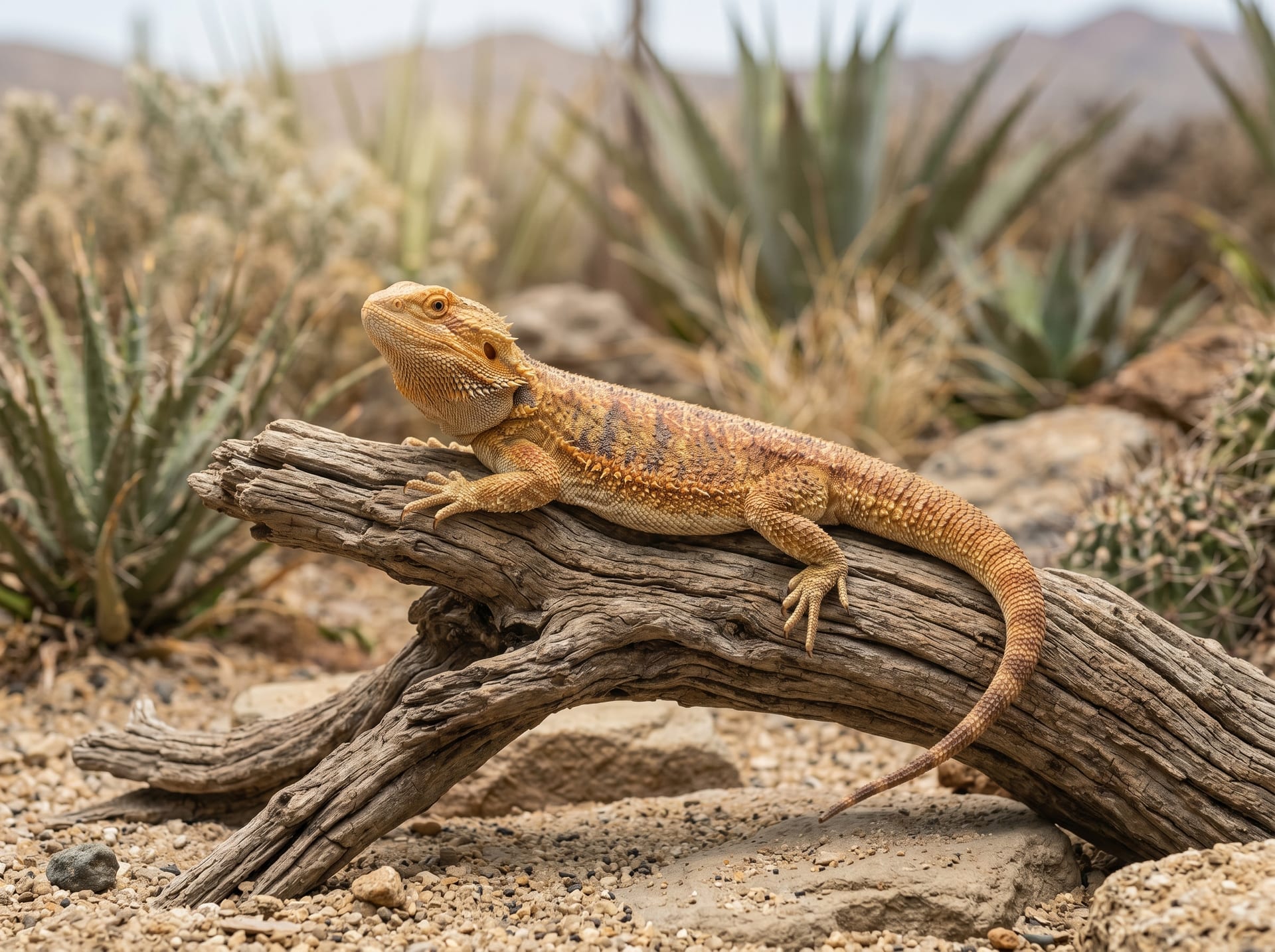
If you keep reptiles (leopard geckos, chameleons, bearded dragons, etc.), amphibians (frogs, salamanders), or insectivorous birds (hornbills, shamas, certain parrot species), the cost of buying live food is far greater than expected. Purchasing 100 two-spotted crickets from a pet shop costs several hundred to 1,000 yen, and repeating this weekly adds up to tens of thousands of yen per year.
Breeding crickets yourself can drastically reduce running costs. Initial equipment costs around 3,000–10,000 yen, but once established, monthly feed costs (poultry pellets and vegetable scraps) can be under a few hundred yen, paying for itself in 1–2 months. You also always have fresh live food on hand, eliminating the hassle of regular purchases and stockouts.
Cricket Species and Selection
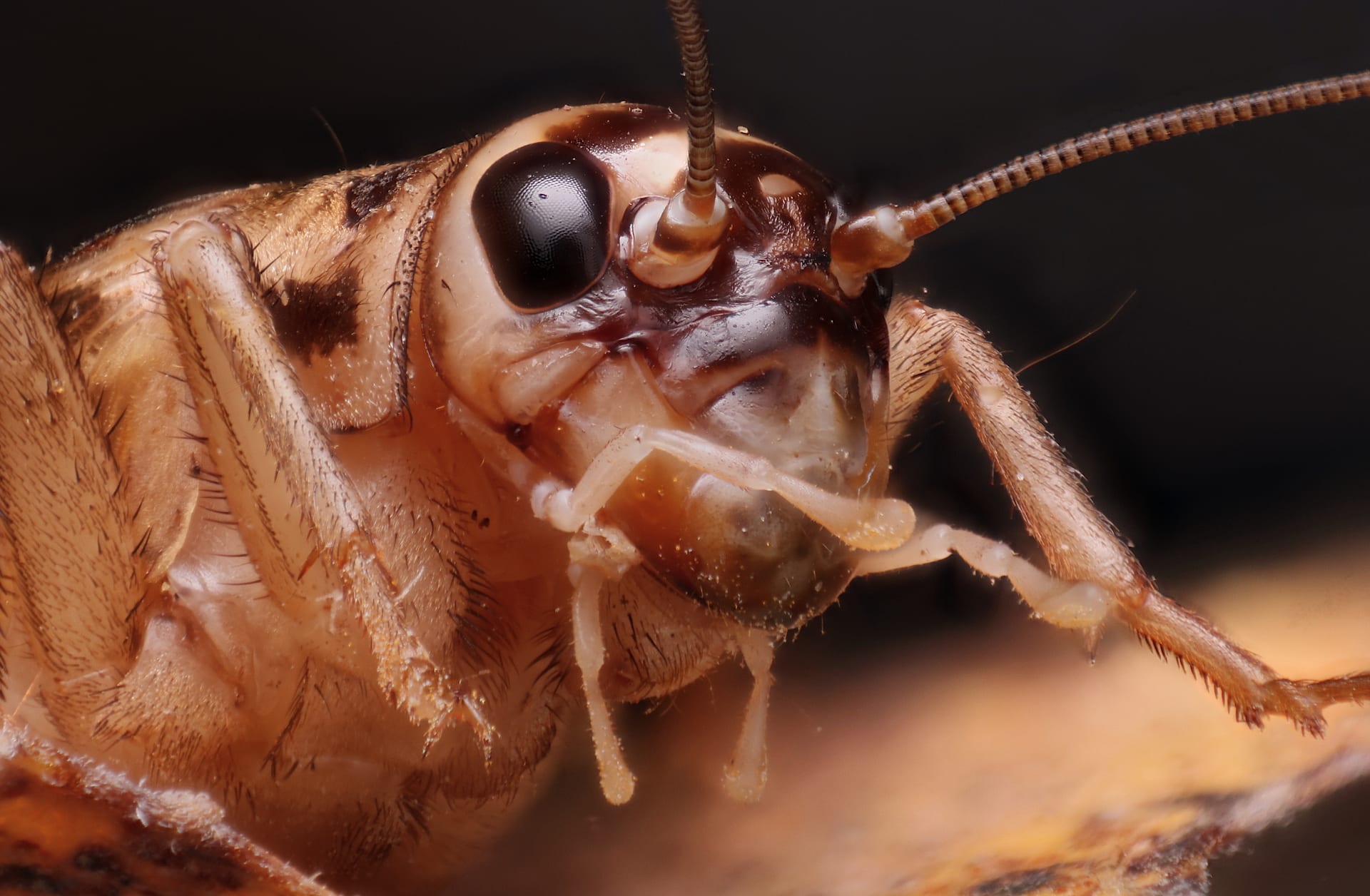
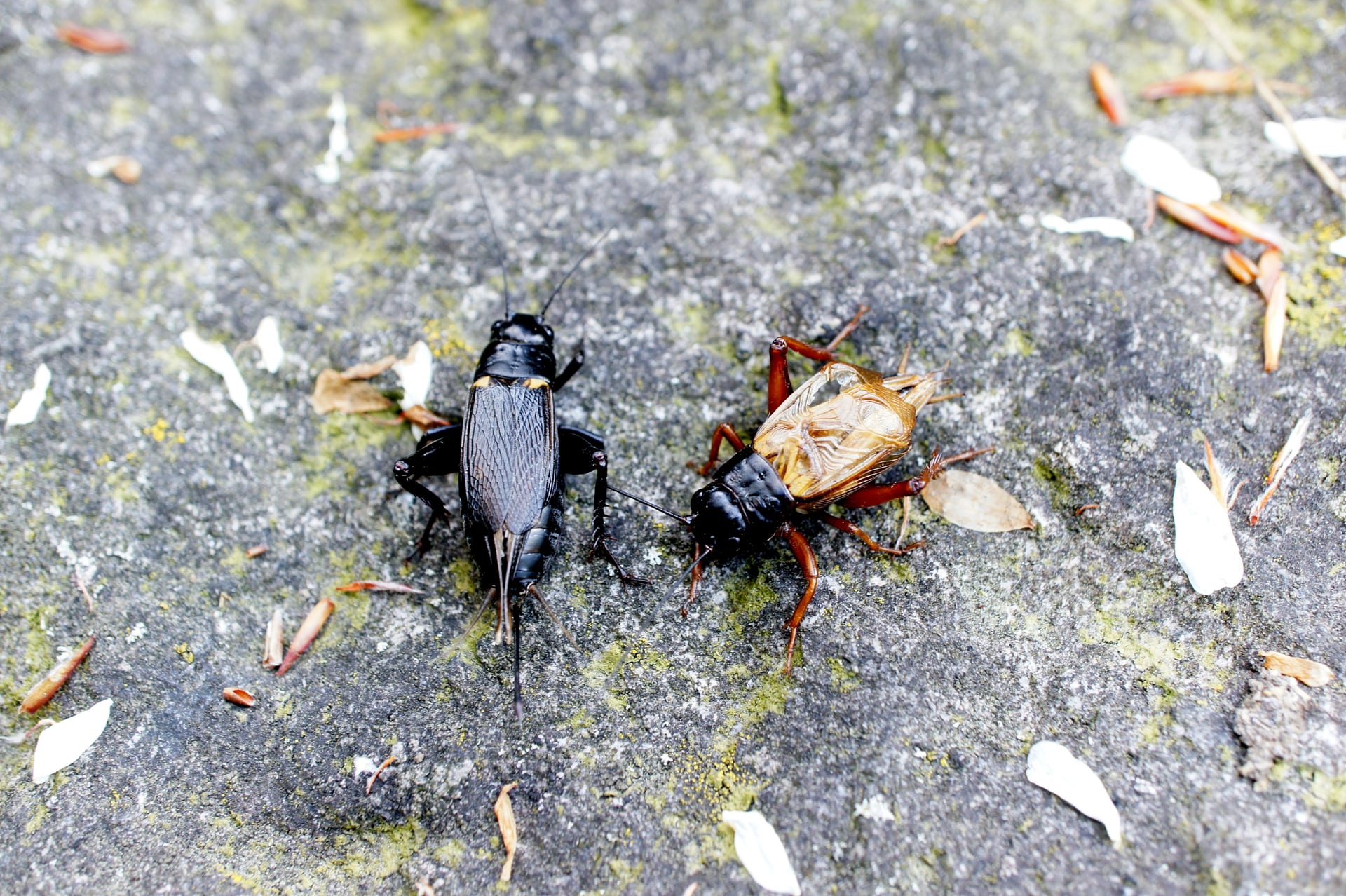
The two main cricket species suitable for home breeding are two-spotted crickets (Gryllus bimaculatus) and European house crickets (Acheta domesticus).
Two-spotted crickets are larger and more nutritious (higher protein and fat content), making them ideal for larger reptiles and birds. However, as tropical species, they're sensitive to cold (below 20°C) and require 25–30°C for breeding. They also tend toward cannibalism and have a stronger odor.
European house crickets are smaller and can breed in moderate temperatures of 20–25°C. They have a milder odor and less sticky carcasses, making them easier to manage. Their size is ideal for leopard geckos, small frogs, and young insectivorous birds.
Your choice depends on the size and preferences of your animals and your management environment. Many breeders maintain both species and use them at different growth stages.
Breeding Setup and Equipment
Cricket breeding requires the following basic equipment:
- Container: A plastic storage box (~60L) or large enclosure. Install mesh on the lid or leave it partially open for ventilation.