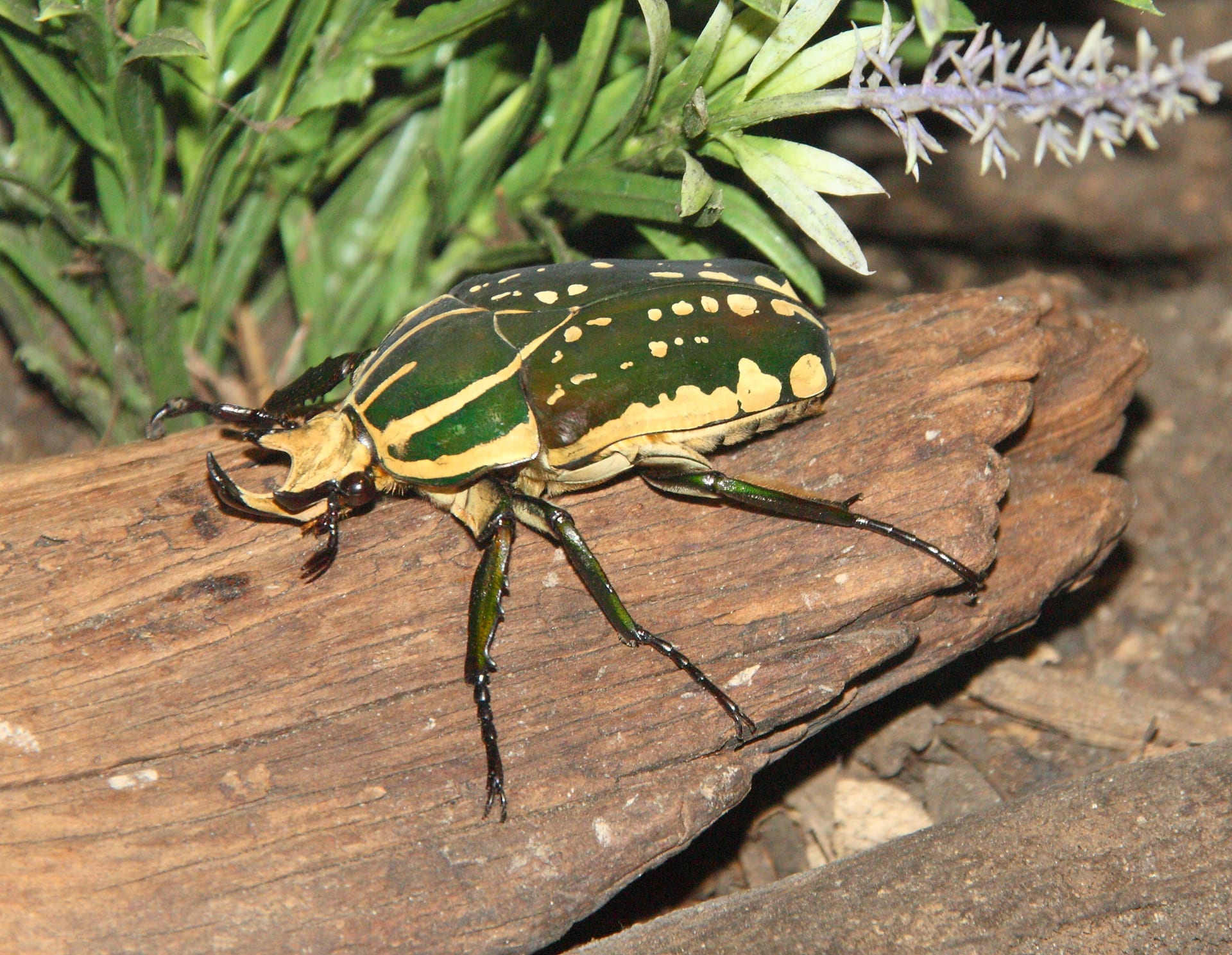
 © Greg Hume (Greg5030) / CC BY-SA 3.0
Polyphemus Flower Beetle
The Polyphemus flower beetle is a large flower beetle native to the tropical forests of West and Central Africa. Males have a forward-pointing horn and a velvety body texture, while females lack the horn and show a stronger sheen, giving the species clear visual differences between the sexes. It's considered relatively easy to breed across generations among flower beetles, making it a good entry point for keepers moving beyond typical rhinoceros and stag beetles. The male's horn shape and overall presence also make it an appealing beetle to simply observe.
View Polyphemus Flower Beetle encyclopedia →0% commission on your first sales!Register by September 30, 2026 and your first 2 sales are commission-free!
Breeder Wanted!
List on BreederDirect and sell directly to customers nationwide!
6 Transparency Standards You Can Trust
When listing Insects, Breeders disclose the following. We guarantee transparency on growth stage and breeding unit.
- Life Stage Clarity
- Generation Info
- Real Photos
- Breeding Unit
- Country of Origin
- Body Length (mm)
Browse all 296 breeds
Verified breeders wanted for Insects
Breeders are signing up now ahead of launch. Subscribe to be notified when new listings go live.
Getting alerts is free with a member account. When new listings match your saved search, we'll notify you by email and in-app.
Browse other categories
Verified breeders (preview)
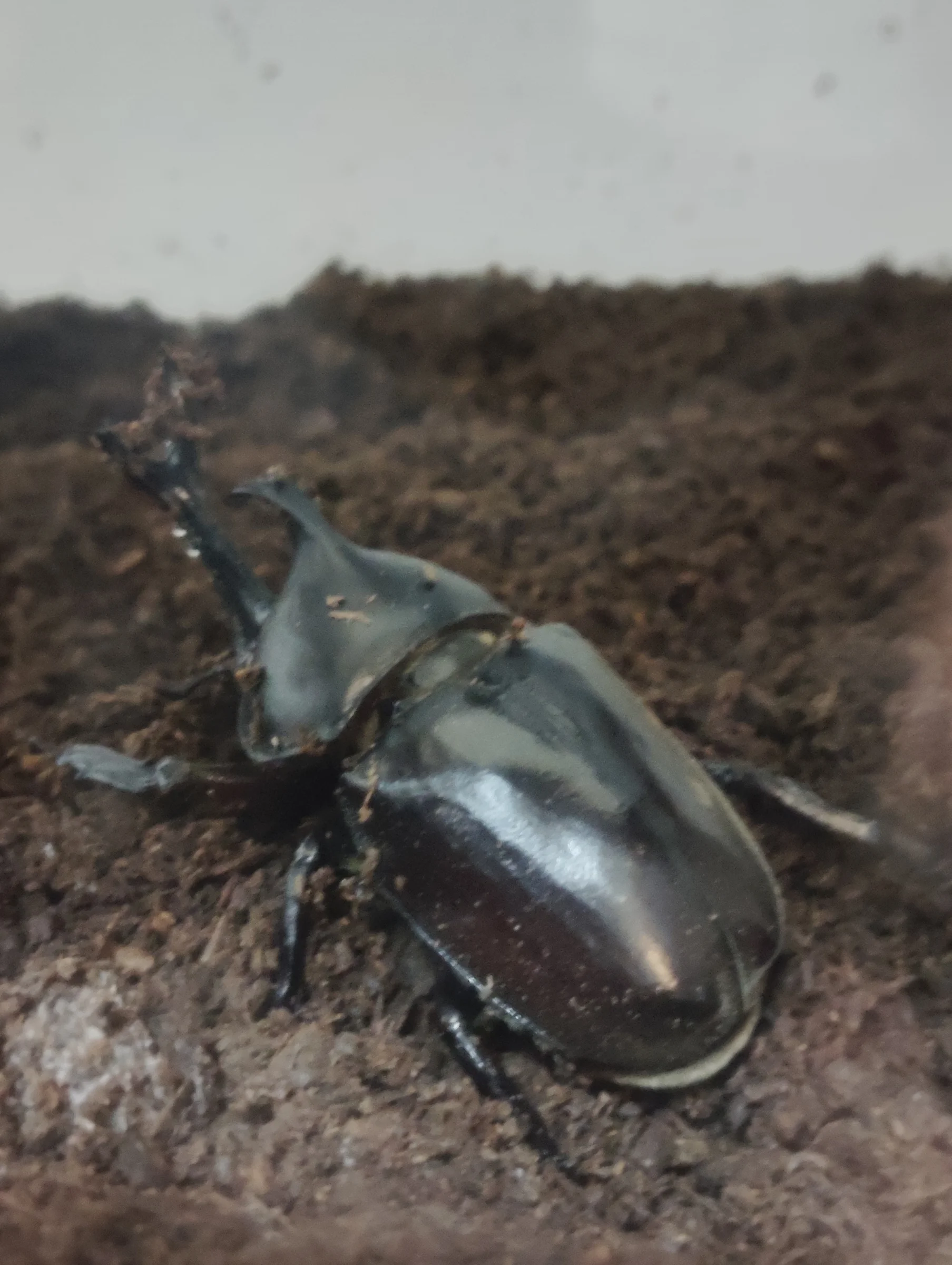
Polyphemus Flower Beetle key facts
- Care level
- Beginner-friendly
- Lifespan
- Adults 3-6 months
- Size
- Males 35-80 mm / females 35-55 mm (nominate males 44-72 mm and females 41-50 mm; subspecies confluens males 42-80 mm and females 42-55 mm)
- Diet
- Fruit, tree sap and beetle jelly
- Temperature & Humidity
- It comes from rainforest, so keep it at room temperature with the substrate moist, and let it run slightly drier through pupation, which is said to reduce losses.
- Breeding & Egg-laying
- Larvae grow on a substrate of rotten wood and leaves. To push for large beetles, additives such as silkworm powder, cat food or the larvae of other non-carnivorous species can be used, but they readily bring mites and mould, so watch the amount and the freshness. The one snag is that females lay very few eggs.
- Cohabitation
- Males fight with their horns, so keep adults singly and put a pair together only for breeding. The larvae can be raised communally as flower beetle larvae usually are, but a crowded container makes failed pupations more likely.
- Lifespan & Rearing Period
- Because the final instar builds an ovoid cocoon attached to a firm surface, leave the container undisturbed once pupation starts.
- Health & Notes
- Importing live beetles requires the species identification certificate demanded for live Scarabaeoidea. The nominate form and subspecies confluens differ in both range and size, so do not breed unlabelled stock together.
About Polyphemus Flower Beetle
A large flower beetle from West and Central Africa. Males have a horn and velvety coloring, females a glossy sheen — an easy-to-breed species suited to beginners.
7 things to know before welcoming a Polyphemus Flower Beetle
1Beginner-friendly to keep
This species is classified as beginner-friendly and is considered relatively easy to breed across generations among flower beetles. Basic insect-keeping knowledge is enough to get started comfortably.
2Visual differences between sexes
Males have a forward-pointing horn and a velvety body color, while females lack the horn and show a more pronounced sheen. Deciding which look you prefer is worth considering before bringing one home.
3Adult size varies by lineage
Adult size ranges roughly from 35 to 80mm in males and 35 to 55mm in females, with some variation between subspecies. Plan enclosure space with this range in mind.
4Native to tropical forest habitat
Since this species lives in the tropical forests of West and Central Africa, aiming for warm, humid enclosure conditions helps replicate its natural environment. A basic grasp of temperature and humidity management is helpful.
5Larval care is key
Flower beetle larvae spend a long period developing in substrate, and the condition of that substrate can affect the quality of the resulting adult. It's worth researching substrate replacement timing and monitoring methods before bringing one home.
6Avoid housing multiples together
Large beetles kept together can fight and damage legs or horns through contact. Housing them individually as a rule, and pairing them only briefly for breeding, is the safer approach.
7Prepare with breeding in mind
While considered an easy species to breed across generations, egg-laying and larval rearing require adequate space and substrate. Whether you plan to breed them affects what you should prepare in advance, so it's worth thinking this through beforehand.
Frequently asked questions about Polyphemus Flower Beetle
- Q.Can beginners keep this species?
- A.It's classified as beginner-friendly and considered relatively easy to breed among flower beetles. Basic temperature, humidity, and substrate care are enough to keep it successfully.
- Q.How can I tell males and females apart?
- A.Males have a forward-pointing horn and a velvety body color. Females lack the horn and show a stronger sheen on their body surface.
- Q.How large do adults typically grow?
- A.Adults typically measure around 35 to 80mm for males and 35 to 55mm for females, with some variation between subspecies. It's a good idea to prepare enclosure space with this range in mind.
- Q.Is it okay to keep several together?
- A.As a large beetle species, keeping several in the same enclosure can lead to fighting and damage to legs or horns from contact. It's safer to house them individually and allow contact only briefly during pairing.
- Q.Is this species subject to any trade regulations?
- A.This species is not subject to CITES. No special procedures are required when acquiring one.
Useful tools for Polyphemus Flower Beetle care
Learn more about Polyphemus Flower Beetle in the encyclopedia
View Polyphemus Flower Beetle encyclopedia entry →
Care difficulty, lifespan, size and diet — all basics covered.
More in this category
Can't find the one you're looking for?
Post your wishes for free and breeders with matching animals will contact you with introductions.