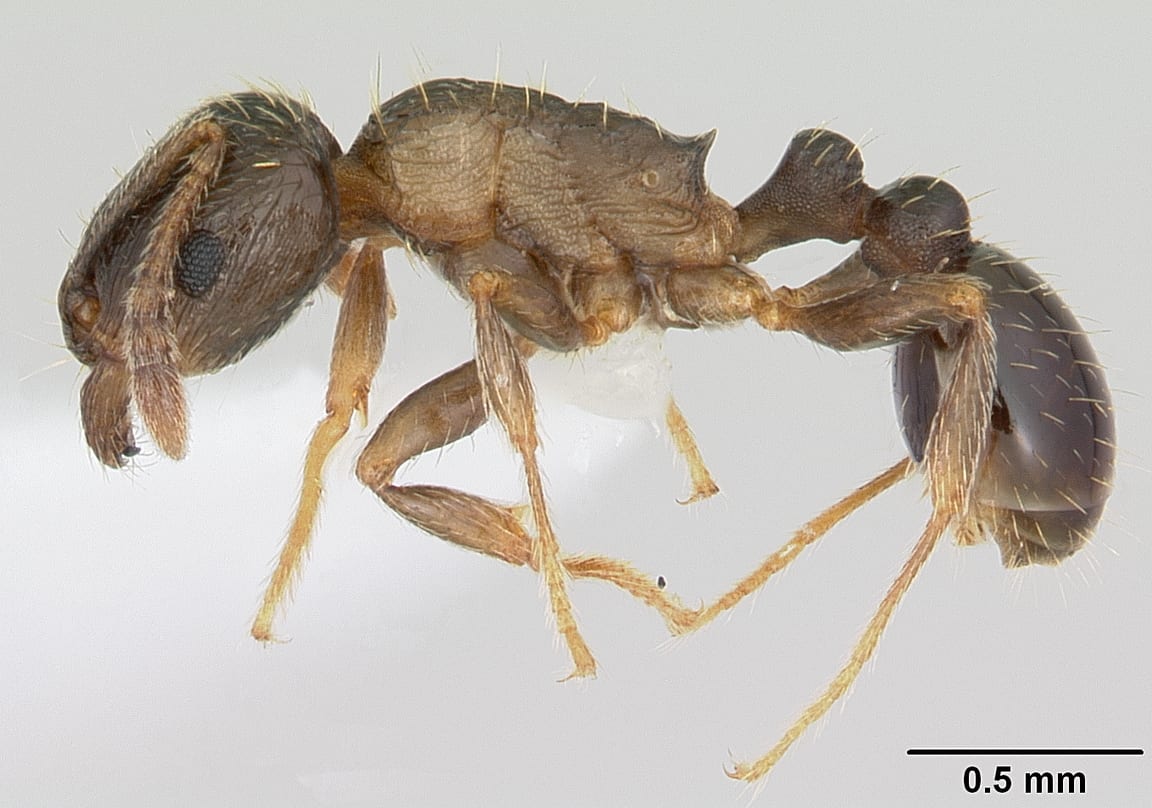
 © April Nobile (AntWeb) / CC BY 4.0
Tobiiro Shiwa Ant
The Tobiiro Ant is a small ant species commonly seen in vacant lots and along roadsides across western Japan. Colonies are polygynous and polydomous, meaning multiple queens live together across a network of interconnected nests, allowing a single colony to grow into the tens or even hundreds of thousands. They're opportunistic omnivores, readily feeding on sweet nectar, insect carcasses, and plant seeds alike, so they're never fussy eaters. Their constant, lively foraging makes them fun to watch, and their overall hardiness against changing conditions makes them one of the most approachable species for anyone just starting out in ant keeping.
View Tobiiro Shiwa Ant encyclopedia →0% commission on your first sales!Register by September 30, 2026 and your first 2 sales are commission-free!
Breeder Wanted!
List on BreederDirect and sell directly to customers nationwide!
6 Transparency Standards You Can Trust
When listing Insects, Breeders disclose the following. We guarantee transparency on growth stage and breeding unit.
- Life Stage Clarity
- Generation Info
- Real Photos
- Breeding Unit
- Country of Origin
- Body Length (mm)
Browse all 296 breeds
Verified breeders wanted for Insects
Breeders are signing up now ahead of launch. Subscribe to be notified when new listings go live.
Getting alerts is free with a member account. When new listings match your saved search, we'll notify you by email and in-app.
Browse other categories
Verified breeders (preview)
Tobiiro Shiwa Ant key facts
- Care level
- Beginner-friendly
- Lifespan
- Queens 3-7 years
- Size
- Workers 2.5mm, queens 7-8mm
- Temperature
- 23〜25℃
- Diet
- Omnivorous: sugars, insects and seeds
- Temperature & Humidity
- Keep at 23-25C, never above 30C. Honshu stock overwinters indoors unheated. It needs constant moisture, so never let the plaster or test tube dry out.
- Breeding & Egg-laying
- Being polygynous, several dealated queens can be placed together in a test tube to found. Mating also occurs inside the nest, so colonies may replace queens internally.
- Cohabitation
- New queens from the same locality can be kept together. Workers from other colonies or other species cannot be mixed in.
- Lifespan & Rearing Period
- With multiple queens it multiplies fast and can reach tens of thousands. Expand nest and foraging area early and keep the setup easy to clean.
- Health & Notes
- At just 2.5mm it escapes easily; a sealed container and escape barrier are essential. Soak liquid food into cotton to prevent drowning.
About Tobiiro Shiwa Ant
A small, widespread ant common across western Japan, known for its polygynous, polydomous colonies. Hardy and omnivorous, eating nectar, insects, and seeds alike, it's a popular beginner species for ant keeping.
7 things to know before welcoming a Tobiiro Shiwa Ant
1Polygynous, Polydomous Colonies
Multiple queens live together within a single nest, and colonies can extend across a loosely connected network of nests. This gives keepers flexibility, from housing several queens together to splitting a colony as it grows.
2Easy Omnivorous Feeding
They eat almost anything, from sweet nectar to insect remains to plant seeds. This unfussy diet makes feeding straightforward for keepers, since there's no need to hunt down a specific food source.
3Size Difference: Workers vs Queen
Workers measure about 2.5mm, while queens are noticeably larger at 7 to 8mm. This size gap makes it easy to tell the two castes apart when observing the nest.
4Beginner-Friendly Hardiness
This species is considered beginner-friendly and tolerates fluctuations in temperature and humidity reasonably well. It's often the first choice for people trying ant keeping for the first time.
5Easy to Observe in the Nest
Being small and highly active, they're easy to watch foraging and moving around inside a clear artificial nest. The sight of many workers bustling about becomes more impressive as the colony grows.
6Temperature and Dormancy Care
Since this species lives outdoors in Japan, it may enter a dormancy-like state during colder months. Adjusting temperature care by season and not forcing activity during this period helps keep the colony healthy long-term.
7Setup to Prepare Beforehand
Since colonies tend to grow, it helps to choose a nest and foraging area with some extra room from the start. Also check seams and lid gaps on the housing beforehand to prevent any escapes.
Frequently asked questions about Tobiiro Shiwa Ant
- Q.Can beginners keep the Tobiiro Ant?
- A.Yes, its hardiness and unfussy diet make it a recommended beginner species. As long as you avoid sudden changes to its environment, it's a relatively stable and easy ant to raise.
- Q.How large can a colony grow?
- A.Thanks to their polygynous, polydomous nature, colonies in the wild can reach tens or even hundreds of thousands of individuals. Growth under captive care, however, depends on the environment and how the colony is managed.
- Q.What should I feed it?
- A.It's an omnivore that eats sweet liquids like nectar, protein sources such as insect remains, and even plant seeds. Its unfussy appetite means keepers rarely struggle to find something it will eat.
- Q.How can I tell workers and queens apart?
- A.Workers are small, at about 2.5mm long, while queens are clearly larger at 7 to 8mm. Comparing body size makes it easy to distinguish the two.
- Q.Are there any legal regulations on the Tobiiro Ant?
- A.The Tobiiro Ant is not subject to CITES. It falls outside the international framework regulating trade in endangered species.
Useful tools for Tobiiro Shiwa Ant care
Learn more about Tobiiro Shiwa Ant in the encyclopedia
View Tobiiro Shiwa Ant encyclopedia entry →
Care difficulty, lifespan, size and diet — all basics covered.
More in this category
Can't find the one you're looking for?
Post your wishes for free and breeders with matching animals will contact you with introductions.