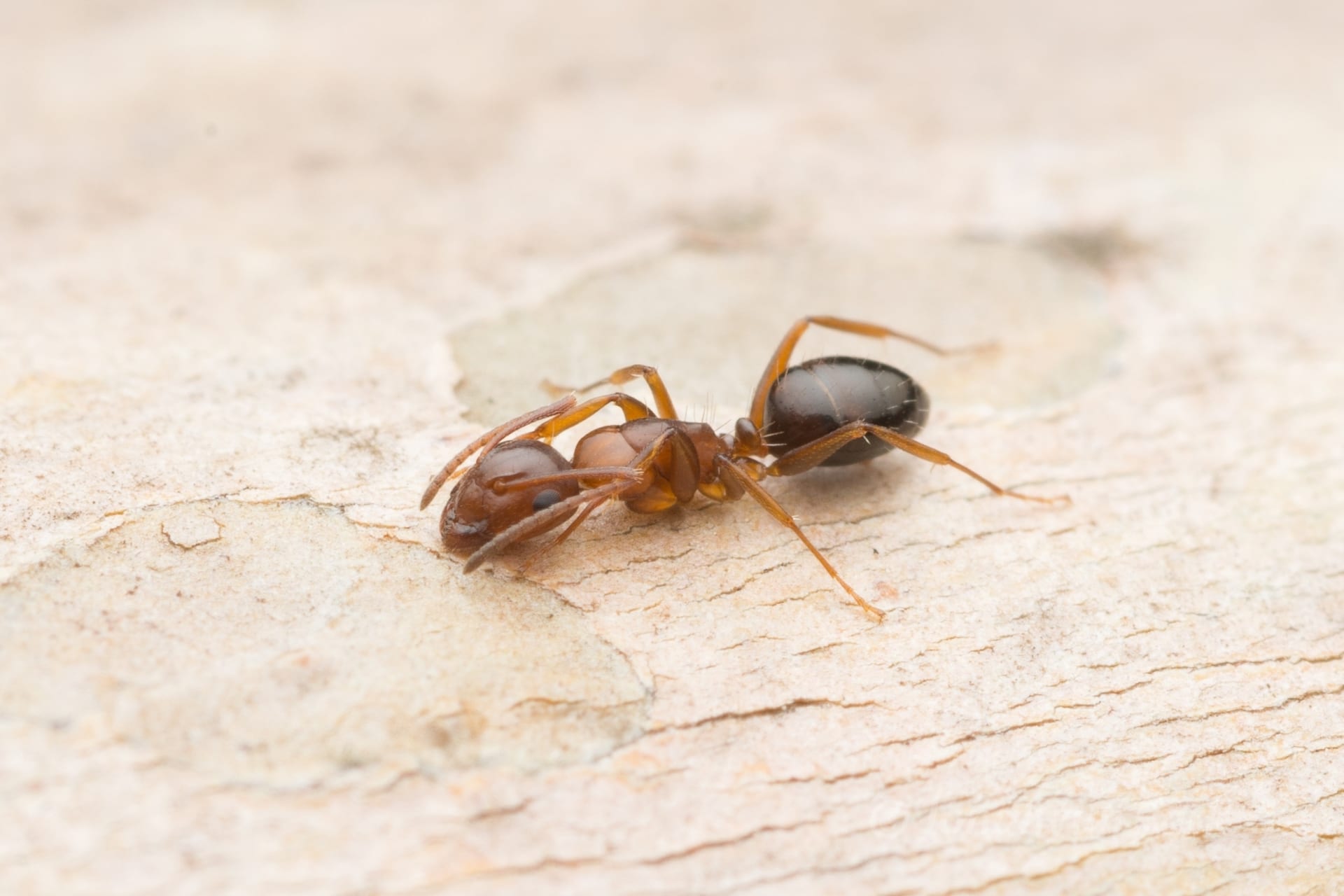
 © Jonghyun Park / CC BY 4.0
Umematsu Carpenter Ant
The Umematsu Carpenter Ant is black with a slightly brownish tinge on its thorax, making it one of the more compact carpenter ant species native to Japan. It serves as the representative species of its subgenus and naturally nests in tree hollows and decaying wood. Workers measure just 5-6mm, keeping colonies neat and easy to house without demanding excessive space. Their calm, steady movements and understated coloring make for engaging long-term observation, and watching a colony gradually grow from a single queen adds to the appeal. With a basic understanding of their needs and a well-prepared setup, they make a rewarding species to keep over the long term.
View Umematsu Carpenter Ant encyclopedia →0% commission on your first sales!Register by September 30, 2026 and your first 2 sales are commission-free!
Breeder Wanted!
List on BreederDirect and sell directly to customers nationwide!
6 Transparency Standards You Can Trust
When listing Insects, Breeders disclose the following. We guarantee transparency on growth stage and breeding unit.
- Life Stage Clarity
- Generation Info
- Real Photos
- Breeding Unit
- Country of Origin
- Body Length (mm)
Browse all 296 breeds
Verified breeders wanted for Insects
Breeders are signing up now ahead of launch. Subscribe to be notified when new listings go live.
Getting alerts is free with a member account. When new listings match your saved search, we'll notify you by email and in-app.
Browse other categories
Verified breeders (preview)
Umematsu Carpenter Ant key facts
- Care level
- Intermediate
- Lifespan
- Queens 10-20 years
- Size
- Workers 5-6mm
- Temperature
- 23〜25℃
- Diet
- Sugars (honeydew, sugar water) and insects (omnivorous)
- Temperature & Humidity
- Keep at 23-25C, never above 30C. A tree-nesting species, so avoid sogginess while never letting the water source run dry. Honshu stock overwinters indoors unheated.
- Breeding & Egg-laying
- Start a dealated new queen alone in a test tube for founding.
- Cohabitation
- Cannot be housed with other colonies or species.
- Lifespan & Rearing Period
- A small carpenter ant whose colonies can be maintained in a test tube or small plaster nest.
- Health & Notes
- At 5-6mm it escapes through gaps, so keep the container sealed. Beware of mold from overfeeding.
About Umematsu Carpenter Ant
The Umematsu Carpenter Ant is a small, black carpenter ant with a brownish thorax that nests in trees. Workers reach 5-6mm, and as the representative species of its subgenus, it rewards patient, attentive keepers.
7 things to know before welcoming a Umematsu Carpenter Ant
1Nests in Trees and Deadwood
Umematsu Carpenter Ants naturally favor tree hollows and decaying wood for nesting. Incorporating wood-based nesting material or decayed-wood-style parts into captive setups helps recreate an environment closer to their natural habits.
2Suited to Intermediate Keepers
This species is considered suitable for intermediate keepers. Prior experience with basic temperature and humidity management, as well as colony setup, makes it easier to reach stable, long-term care.
3A Compact Build
Workers measure roughly 5-6mm, placing them among the smaller carpenter ants found in Japan. This compact size makes them manageable in space-efficient enclosures and easy to observe closely.
4A Distinctive Brownish Thorax
While mostly black, the thorax carries a slight brownish tinge that helps distinguish it from other carpenter ants. Subtle variation in shading between individuals adds another point of interest when observing them.
5Preparing Nest Materials
Given their tree-nesting habits, choosing wood-based or decayed-wood-style nest materials helps colonies settle in more naturally. If using an excavatable nest, adjusting humidity so it doesn't become too uneven in any one area is important.
6A Relatively Calm Temperament
Movement patterns tend to be steady and orderly, without excessively skittish behavior. That said, alert or defensive responses can appear right after relocating the nest or when the enclosure is jostled, so observing in a quiet setting is recommended.
7Research Before Bringing One Home
Before bringing one home, it helps to review the basics of enclosures, temperature control, and feeding. Since this species suits intermediate keepers, prior experience with ant keeping makes for a smoother start.
Frequently asked questions about Umematsu Carpenter Ant
- Q.Can beginners keep the Umematsu Carpenter Ant?
- A.This species is considered suited to intermediate keepers. If you're new to ant keeping, it's a good idea to review basic care methods beforehand. Some foundational knowledge makes stable, long-term care easier to achieve.
- Q.How big do adult Umematsu Carpenter Ants get?
- A.Workers grow to about 5-6mm, placing them among the smaller carpenter ants found in Japan and making them easy to observe closely.
- Q.Where does this species build its nest?
- A.They naturally nest in tree hollows and decaying wood. Using wood-based nesting materials in captivity helps recreate an environment closer to their natural habits.
- Q.What does the Umematsu Carpenter Ant look like?
- A.It's mostly black with a slightly brownish tinge on the thorax, and is known as the representative species of its subgenus.
- Q.How does a colony grow over time?
- A.A colony starts from a single queen and gradually increases its worker population over time. Keeping the environment stable supports steady, healthy growth.
Useful tools for Umematsu Carpenter Ant care
Learn more about Umematsu Carpenter Ant in the encyclopedia
View Umematsu Carpenter Ant encyclopedia entry →
Care difficulty, lifespan, size and diet — all basics covered.
More in this category
Can't find the one you're looking for?
Post your wishes for free and breeders with matching animals will contact you with introductions.