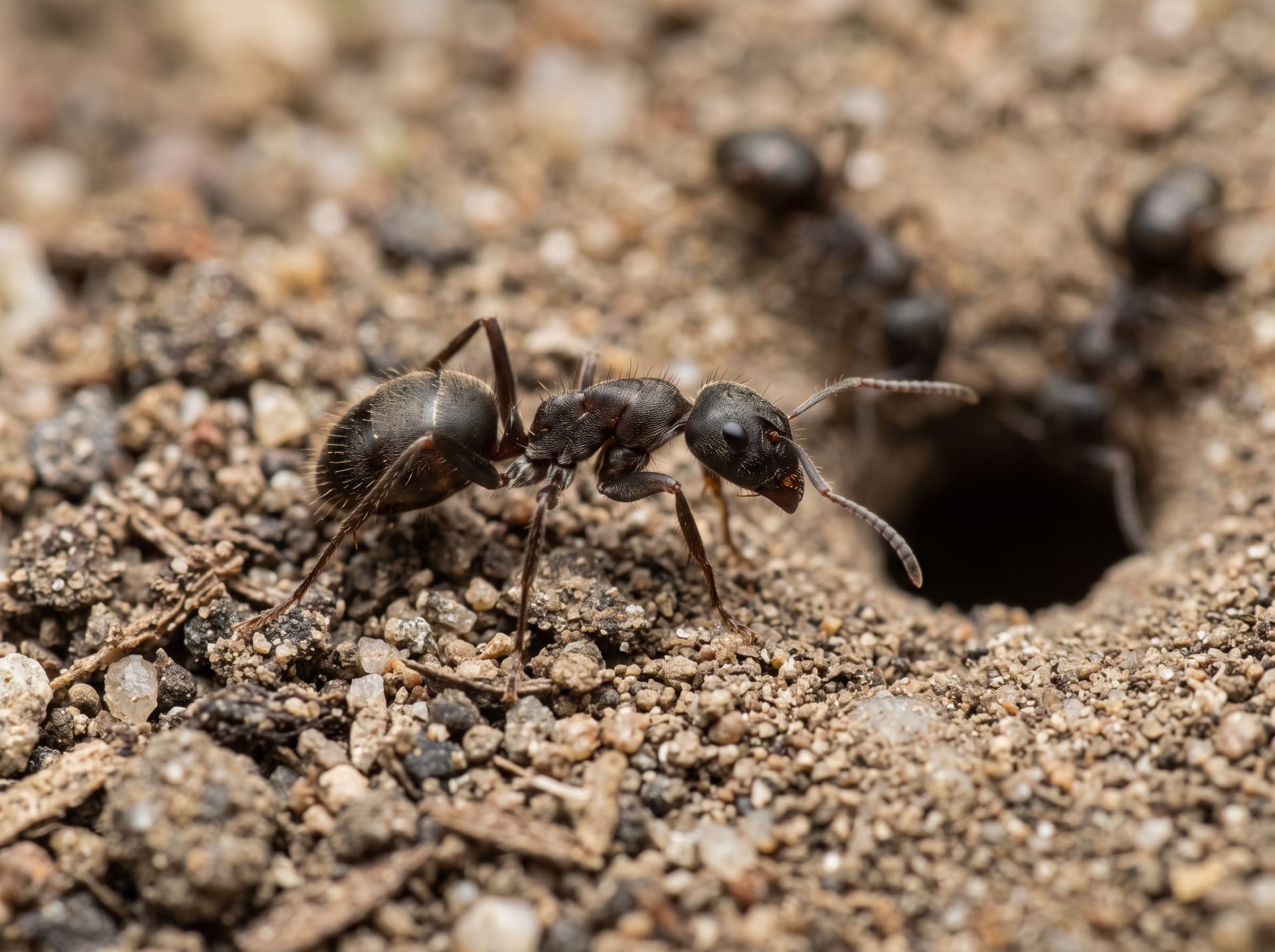
Tobiiro Ant
The Tobiiro ant is a small, blackish-brown ant commonly seen in parks and gardens. Colonies begin with a single queen, so a new setup looks modest with just a few workers, but numbers grow steadily as she keeps laying eggs — a mature colony can eventually reach tens of thousands of individuals. Tobiiro ants are generally calm, have no stinger, and rarely act aggressively toward keepers, making them easy to handle. Hardy and tolerant of changing conditions, they're a classic starter species for anyone new to ant keeping, rewarding patient observation as the colony gradually expands.
View Tobiiro Ant encyclopedia →0% commission on your first sales!Register by September 30, 2026 and your first 2 sales are commission-free!
Breeder Wanted!
List on BreederDirect and sell directly to customers nationwide!
6 Transparency Standards You Can Trust
When listing Insects, Breeders disclose the following. We guarantee transparency on growth stage and breeding unit.
- Life Stage Clarity
- Generation Info
- Real Photos
- Breeding Unit
- Country of Origin
- Body Length (mm)
Browse all 296 breeds
Verified breeders wanted for Insects
Breeders are signing up now ahead of launch. Subscribe to be notified when new listings go live.
Getting alerts is free with a member account. When new listings match your saved search, we'll notify you by email and in-app.
Browse other categories
Verified breeders (preview)
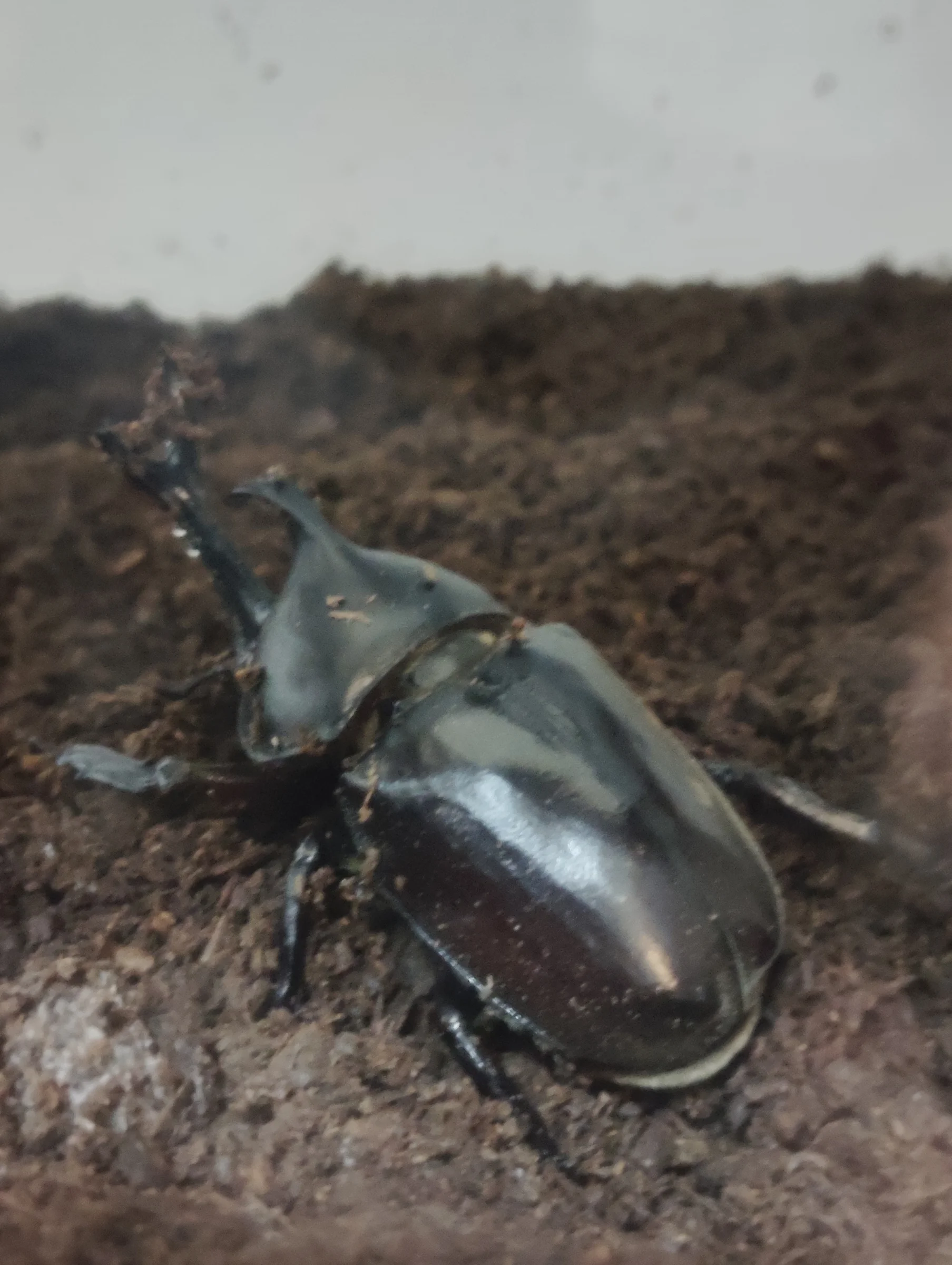
Tobiiro Ant key facts
- Care level
- Beginner-friendly
- Lifespan
- Queens 5-10 years
- Size
- Workers 2.5-3.5mm, queens 7-9mm
- Temperature
- 23〜25℃
- Diet
- Sugars such as honeydew or sugar water plus insects (omnivorous)
- Temperature & Humidity
- Keep at 23-25C, never above 30C. Honshu stock overwinters indoors unheated. Small and prone to desiccation, so keep the test tube watered.
- Breeding & Egg-laying
- Nuptial flights occur in the early morning in July-August. A dealated queen kept alone in a test tube rears her first workers without feeding.
- Cohabitation
- Monogynous; cannot be housed with other colonies or species. Easily confused with close relatives such as Lasius alienus, so avoid mixing them.
- Lifespan & Rearing Period
- Mature colonies reach tens of thousands of workers, so link additional plaster nests as they grow.
- Health & Notes
- At 2.5-3.5mm it escapes easily; a sealed container and escape barrier are essential. Soak liquid food into cotton to prevent drowning.
About Tobiiro Ant
A beginner-friendly care guide to the Tobiiro ant, a hardy, common black-brown species with a single queen. Popular as an easy first ant to keep, covering temperament, colony growth, and what to know before bringing one home.
7 things to know before welcoming a Tobiiro Ant
1Starting with One Queen
Tobiiro ant colonies typically begin with a single queen. The colony looks modest at first with only a few workers, but numbers gradually increase as the queen keeps laying eggs.
2Calm, Low-Aggression Ants
Tobiiro ants are generally docile and rarely bite or act aggressively toward keepers. They also lack a stinger, so there's no need to handle them with excessive caution.
3Hardy and Easy to Keep
These ants tolerate minor fluctuations in temperature and humidity, which is part of why they're considered such a forgiving starter species. Still, avoid extreme heat, cold, or direct sunlight when choosing where to keep them.
4Growth Takes Patience
While a mature colony can eventually reach tens of thousands of individuals, getting there takes years, not months. Approach the hobby with patience and enjoy watching the colony expand gradually.
5Separate Nest and Feeding Area
Setting up a distinct nesting chamber for the queen and larvae, separate from a foraging area, makes humidity easier to control and lets you observe worker activity more clearly. A commercial ant-keeping case or artificial nest simplifies this setup.
6Offer Both Sugars and Protein
Insect jelly or diluted honey water provides the sugars adult ants need, while larvae require protein from small insects such as crickets. Remove leftover food promptly to prevent mold and bacteria.
7Escape-Proofing Is Essential
At just a few millimeters long, Tobiiro ants can slip through tiny gaps, so seal lid edges and any wiring holes carefully. Coating the upper inside walls of the enclosure with talc or petroleum jelly creates an effective barrier against escapes.
Frequently asked questions about Tobiiro Ant
- Q.Is the Tobiiro ant suitable for beginners?
- A.Yes — it's hardy, easy to care for, and generally calm, making it a great choice for first-time ant keepers. Start with a simple nest and feeding area, then adjust your care routine as you get to know the colony.
- Q.Is it safe to handle the queen directly?
- A.While Tobiiro ants have no stinger and aren't aggressive, the queen is essential to the colony's survival, so it's best to move her using tools or containers rather than bare hands. Dropping her or causing excessive stress could affect egg-laying.
- Q.Will I need to move the colony to a bigger setup as it grows?
- A.As the worker population increases and the nest becomes crowded, you'll need to transfer the colony to a larger artificial nest or case. Rather than forcing the move, it's best to let the ants relocate to the new nest on their own.
- Q.Does winter require special care?
- A.Cooler temperatures slow the ants' activity and reduce their appetite. There's no need to keep them artificially warm, but avoid extreme cold and keep the setup in a stable indoor location.
- Q.Can I keep Tobiiro ants together with ants from another colony?
- A.No — ants from different colonies will fight aggressively due to territorial behavior, so they can't share an enclosure. Each Tobiiro ant colony should be housed in its own separate setup.
Useful tools for Tobiiro Ant care
Learn more about Tobiiro Ant in the encyclopedia
View Tobiiro Ant encyclopedia entry →
Care difficulty, lifespan, size and diet — all basics covered.
More in this category
Can't find the one you're looking for?
Post your wishes for free and breeders with matching animals will contact you with introductions.