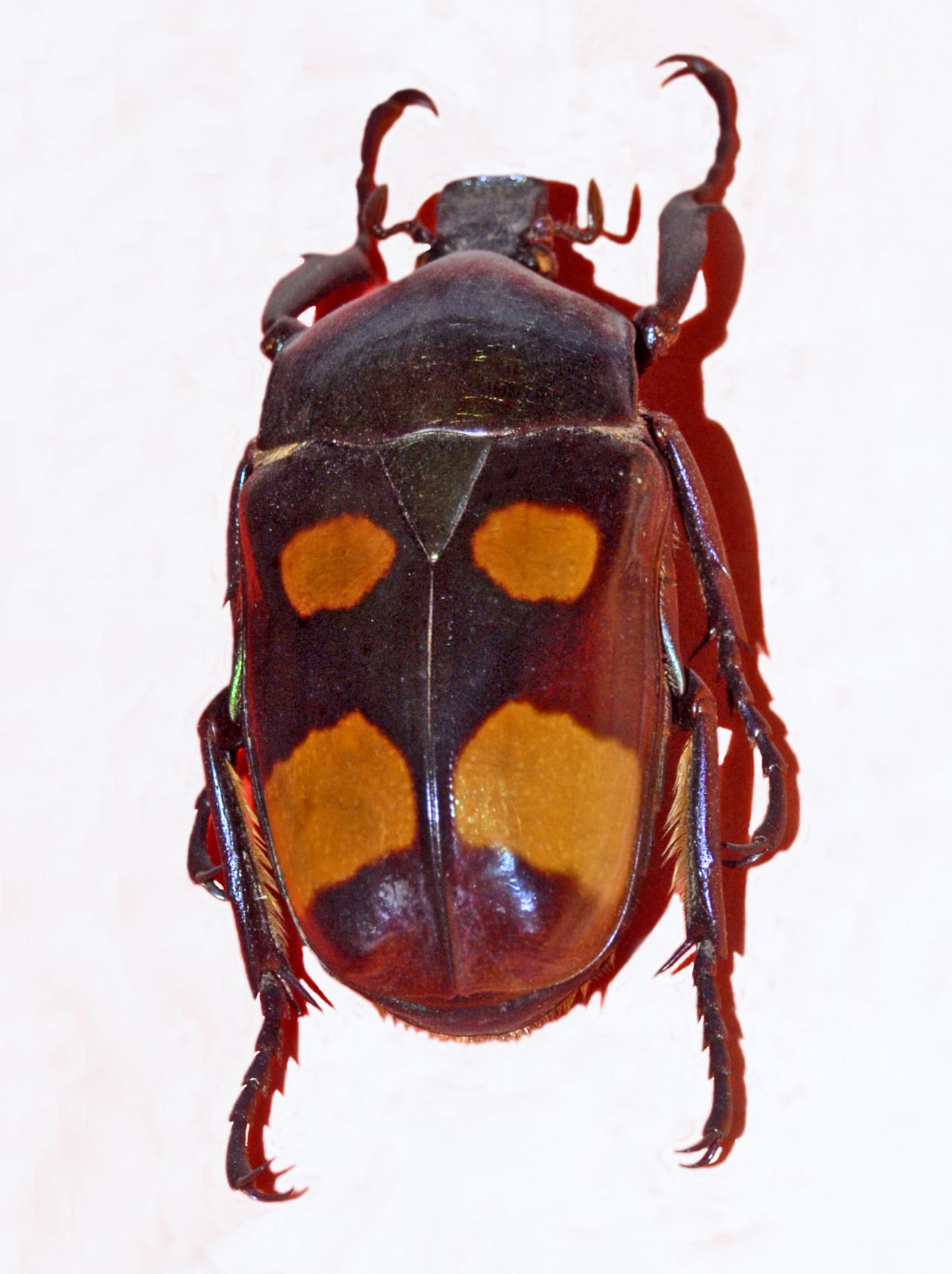
 © Hectonichus / CC BY-SA 3.0
Rucker's Flower Beetle
The Rucker's Flower Beetle is a striking scarab native to Southeast Asia, known for its steel-blue head and glossy green elytra accented with white or orange spots and bands. Adults typically measure 25 to 35 millimeters, making them a comfortably sized species to observe and handle. One of their most appealing traits is how easily the sexes can be told apart: males have noticeably longer tarsi on their front legs than females. Considered a good match for keepers with some prior experience, this beetle rewards attentive care with a genuinely eye-catching appearance.
View Rucker's Flower Beetle encyclopedia →0% commission on your first sales!Register by September 30, 2026 and your first 2 sales are commission-free!
Breeder Wanted!
List on BreederDirect and sell directly to customers nationwide!
6 Transparency Standards You Can Trust
When listing Insects, Breeders disclose the following. We guarantee transparency on growth stage and breeding unit.
- Life Stage Clarity
- Generation Info
- Real Photos
- Breeding Unit
- Country of Origin
- Body Length (mm)
Browse all 296 breeds
Verified breeders wanted for Insects
Breeders are signing up now ahead of launch. Subscribe to be notified when new listings go live.
Getting alerts is free with a member account. When new listings match your saved search, we'll notify you by email and in-app.
Browse other categories
Verified breeders (preview)
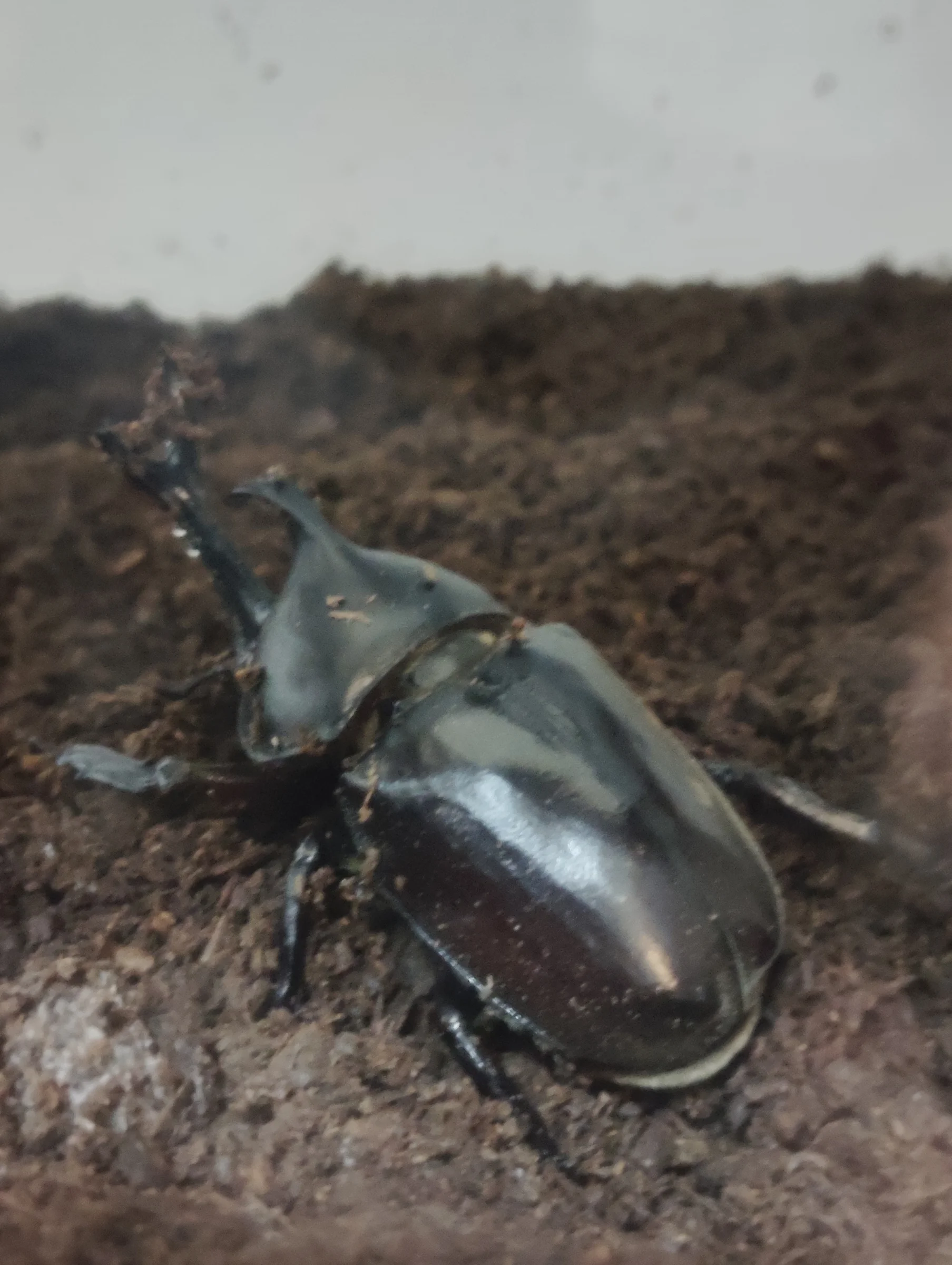
Rucker's Flower Beetle key facts
- Care level
- Intermediate
- Lifespan
- Adults 3-6 months
- Size
- 25-35mm
- Diet
- Adults take fruit and beetle jelly; larvae feed on rotten wood and leaf litter
- Temperature & Humidity
- No published figures for rearing temperature or humidity could be found for this species, so none are given. Its range takes in tropical and subtropical montane forest, so it may prefer cooler conditions than lowland tropical species, but no documented figure was found.
- Breeding & Egg-laying
- No breeding report for this species could be found. Following the usual method for flower beetles, eggs would be laid into a mix of rotten wood and leaves and the larvae raised in the same medium, but no measured figures for laying conditions or larval period are available for this beetle.
- Cohabitation
- Adult males fight, so keep them apart except for pairing. No report of cannibalism in the larvae of this species could be found, but individual containers are the safer choice.
- Lifespan & Rearing Period
- No reliable published figures for larval period or adult lifespan could be found for this species.
- Health & Notes
- Importing live stock requires the species identification certificate demanded for Scarabaeoidea. Several subspecies exist and the markings run white in some populations and orange in others, so do not cross beetles from different localities.
About Rucker's Flower Beetle
A Southeast Asian flower beetle with a steel-blue head and glossy green elytra marked with white or orange spots. Adults reach 25-35mm; males have longer front tarsi, making sexing straightforward. Best suited to keepers with some experience.
7 things to know before welcoming a Rucker's Flower Beetle
1Enclosure & Substrate
Rucker's Flower Beetles do well in a well-ventilated insect case with substrate kept lightly moist. Avoid letting it dry out completely or become waterlogged — the surface should feel just slightly damp to the touch.
2Temperature & Humidity
As a Southeast Asian species, this beetle has limited cold tolerance. Keep it in a stable indoor environment and avoid sudden temperature swings between seasons.
3Feeding Adults
Adults feed primarily on commercial insect jelly. When keeping several beetles together, provide multiple jelly dishes spaced apart so individuals don't compete over the same feeding spot.
4Telling Males from Females
Males have noticeably longer tarsi on their front legs than females. Learning this distinction makes it easy to sex individuals at a glance, whether at purchase or when planning a pair.
5Housing Multiple Beetles
Two males kept in the same enclosure may fight and risk damaging legs or antennae. If keeping several beetles, separate the males or add plenty of hiding spots to reduce stress.
6Handling Carefully
Handle the beetle gently and avoid pinching its legs or wings. Hold it close to a surface when transferring it, since a fall can damage its wings or legs.
7Preparing Before Arrival
Have the enclosure, substrate, insect jelly, and climbing branches ready before your beetle arrives. Since this species suits keepers with some prior beetle-keeping experience, brushing up on basic care beforehand is a good idea.
Frequently asked questions about Rucker's Flower Beetle
- Q.What environment does the Rucker's Flower Beetle need?
- A.Since it's native to Southeast Asia, it does best in a stable indoor environment without sudden temperature or humidity swings. Use a well-ventilated case with substrate, keeping it neither too dry nor too wet.
- Q.How can I tell males and females apart?
- A.Males have noticeably longer tarsi on their front legs than females. This difference makes visual sexing straightforward.
- Q.Is this a good beetle for a first-time keeper?
- A.This species is generally considered suitable for keepers with some prior experience. Having a basic handle on temperature, humidity, and feeding routines beforehand makes for a smoother start.
- Q.What should I watch for when keeping several together?
- A.Males can fight and risk injuring each other's legs or antennae. If housing multiple beetles together, add extra hiding spots or separate the males into different enclosures.
- Q.What should adults be fed?
- A.Adults feed mainly on commercial insect jelly. When keeping multiple beetles, set out extra jelly dishes to reduce competition over food.
Useful tools for Rucker's Flower Beetle care
Learn more about Rucker's Flower Beetle in the encyclopedia
View Rucker's Flower Beetle encyclopedia entry →
Care difficulty, lifespan, size and diet — all basics covered.
More in this category
Can't find the one you're looking for?
Post your wishes for free and breeders with matching animals will contact you with introductions.