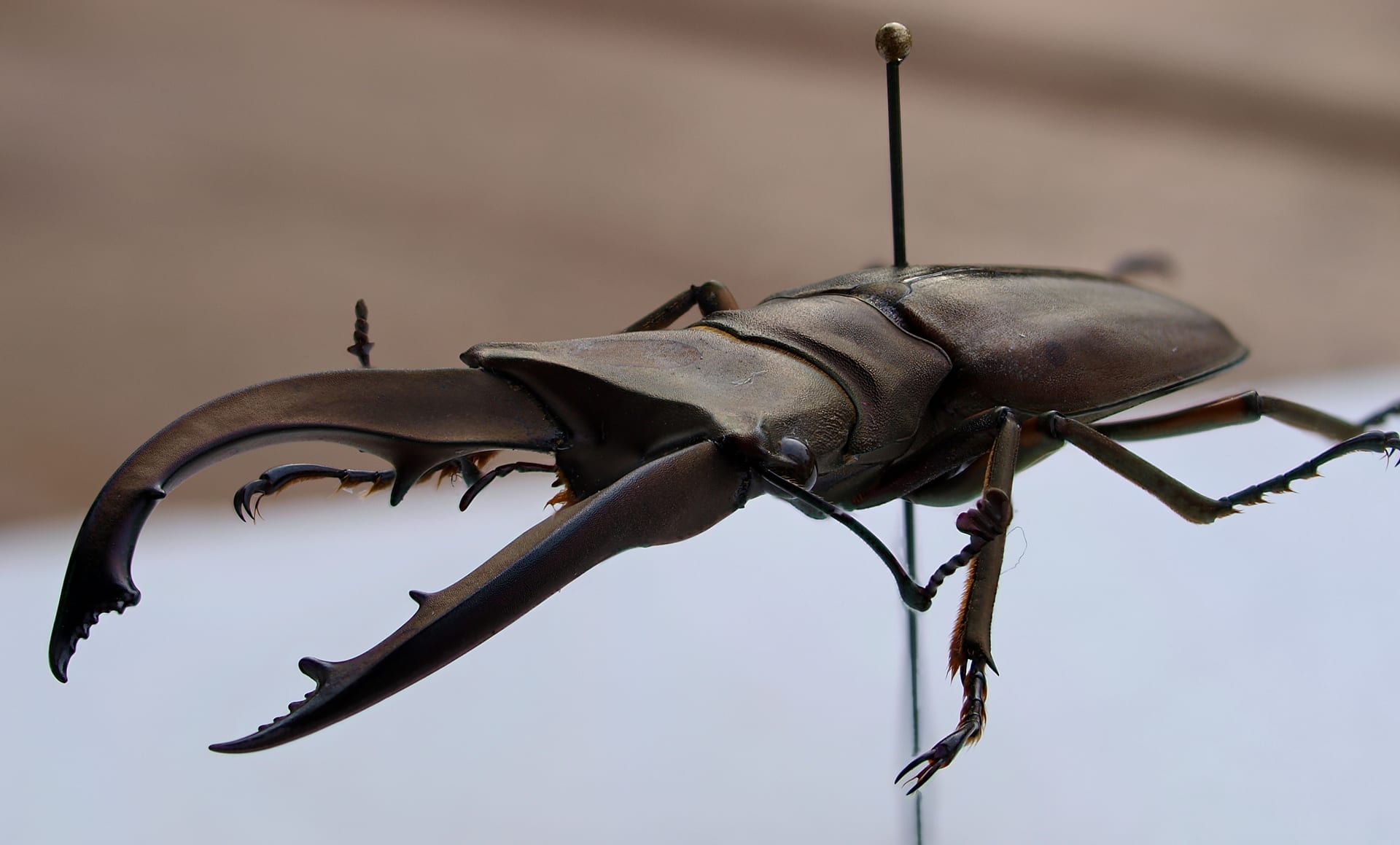
 © JohnSka / CC BY-SA 3.0
Eximius Long-jawed Stag Beetle
The Eximius Long-jawed Stag Beetle is a mid-sized long-jawed stag beetle native to New Guinea. First described in 1909, it is known for its elongated mandibles that give it a distinctive silhouette. While the wild record stands at 67.0mm, the captive-bred record hasn't been updated since 2007, and both distribution and multi-generation breeding data remain limited. This makes it a species best suited to experienced keepers, but its rarity and striking body shape make it a notable choice among stag beetle enthusiasts. Given how little is documented about this species, careful preparation before bringing one home is strongly recommended.
View Eximius Long-jawed Stag Beetle encyclopedia →0% commission on your first sales!Register by September 30, 2026 and your first 2 sales are commission-free!
Breeder Wanted!
List on BreederDirect and sell directly to customers nationwide!
6 Transparency Standards You Can Trust
When listing Insects, Breeders disclose the following. We guarantee transparency on growth stage and breeding unit.
- Life Stage Clarity
- Generation Info
- Real Photos
- Breeding Unit
- Country of Origin
- Body Length (mm)
Browse all 296 breeds
Verified breeders wanted for Insects
Breeders are signing up now ahead of launch. Subscribe to be notified when new listings go live.
Getting alerts is free with a member account. When new listings match your saved search, we'll notify you by email and in-app.
Browse other categories
Verified breeders (preview)
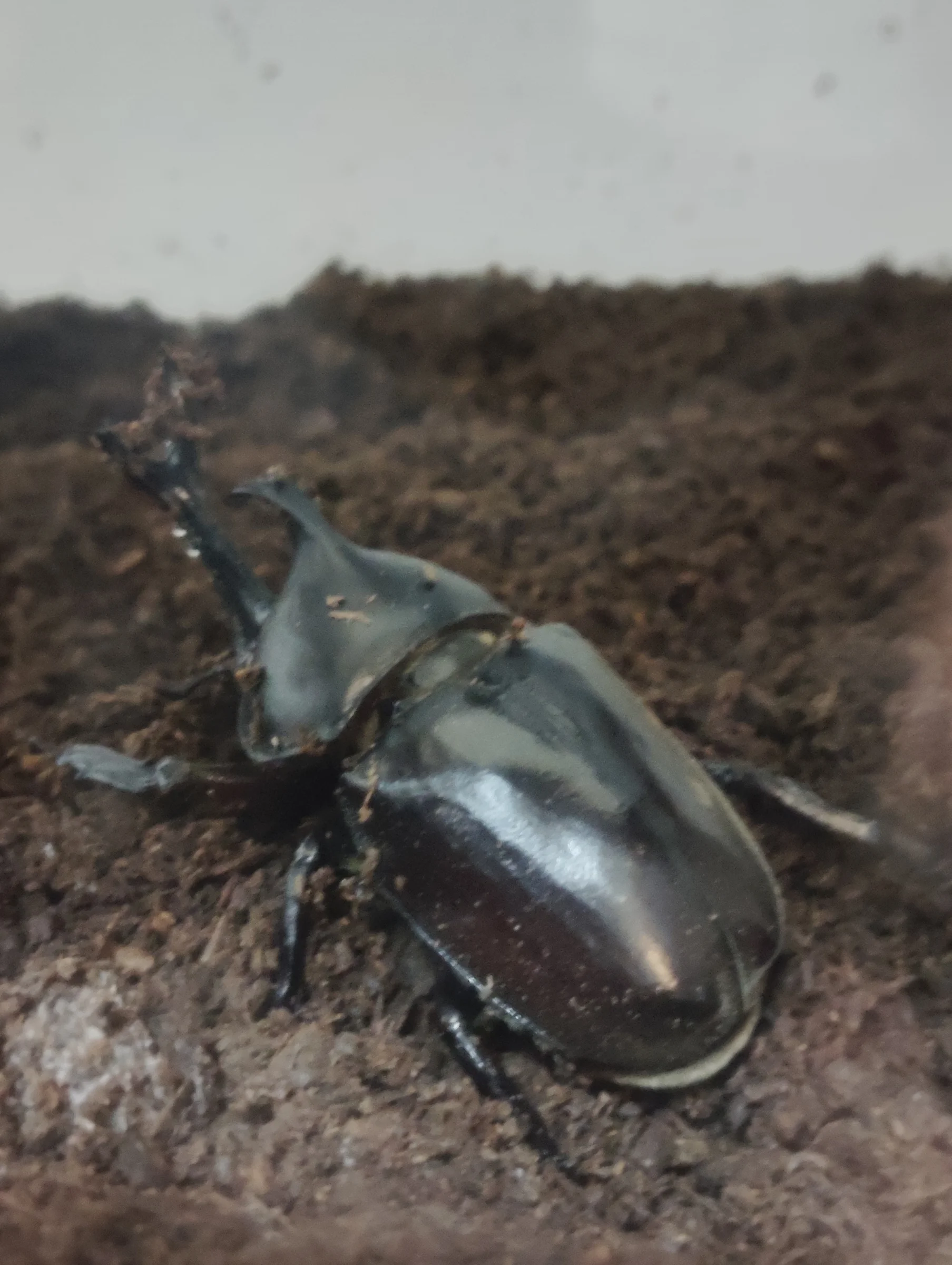
Eximius Long-jawed Stag Beetle key facts
- Care level
- Advanced
- Lifespan
- Adults 4-6 months (typical for the genus)
- Size
- Males up to 67.0 mm (wild record; the captive record is 63.6 mm)
- Diet
- Beetle jelly (in the wild it visits flowers of herbaceous plants)
- Temperature & Humidity
- Cyclommatus above all dislike stale, humid air. Condensation inside the box is the worst case and shortens life, so keep the container somewhere cool and out of direct sun, and use newspaper or a well-perforated sheet under the lid for ventilation. Mist the substrate when the surface dries out.
- Breeding & Egg-laying
- Soak a soft log of oak or similar, about 10 cm across, for two hours to a day and strip the bark. Pack 3-5 cm of fine-grained fermented substrate hard in the base, lay the log on it and bury it completely. A female in good condition lays 20-30 eggs. Collect the larvae early, because they cannibalise each other if left too long.
- Cohabitation
- Keep singly. Hand pairing works once the beetles are mature and mating is easy; the female is far smaller than the male but pairs without trouble. The genus is fairly placid, but females are occasionally killed, so move the male to his own container once mating is confirmed.
- Lifespan & Rearing Period
- Adults live about four to six months, and larger males live longest. Larvae take three to six months for females and three to ten months for males. Feeding begins two to five weeks after emergence, so wait until the beetle is eating before pairing it.
- Health & Notes
- Fungus bottles are unsuitable and larvae die in ordinary mycelium. Pack fermented substrate to 80-90 per cent of the container and change it every two to three months. The main reason lines are lost is that the sexes emerge out of step, so deliberately raise some small males to match the females.
About Eximius Long-jawed Stag Beetle
A mid-sized long-jawed stag beetle from New Guinea with elongated mandibles. Limited breeding data makes it best suited for experienced keepers.
7 things to know before welcoming a Eximius Long-jawed Stag Beetle
1Suited for experienced keepers
This species is considered suited for experienced keepers. With limited data available on distribution and multi-generation breeding, optimizing rearing conditions often requires judgment built from prior experience. First-time keepers may want to build experience with a better-documented species before taking this one on.
2Adult lifespan is a few months
As a general guide for the genus, adult lifespan runs about 4 to 6 months. After bringing one home, it helps to plan around this relatively short window and stay consistent with daily care such as temperature, humidity management, and feeding.
3Elongated mandibles are the defining trait
The slender, elongated mandibles typical of the genus are this species' standout feature. The wild record for males reaches 67.0mm, while the captive-bred record stands at 63.6mm. When setting up the enclosure, leave enough clearance in the layout so the mandibles don't get caught on decorations.
4Limited distribution and breeding records
Although first described back in 1909, the captive-bred record hasn't been updated since 2007, and information on distribution and multi-generation breeding remains sparse. It's worth gathering whatever information is available before bringing one home.
5Recreating its New Guinea habitat
This species is native to New Guinea. When setting up its enclosure, manage temperature and humidity with the source climate in mind, and try to avoid sudden environmental changes.
6Prepare the enclosure in advance
Have the enclosure, substrate, and climbing branches ready before your beetle arrives, so it can settle in right away. Since documentation on this species is limited, referencing care approaches for closely related species can help when setting things up.
7Monitor health through observation
Stag beetles can be hard to read when something's off. Keep an eye on daily feeding response and movement so you can catch changes early if something seems different from usual.
Frequently asked questions about Eximius Long-jawed Stag Beetle
- Q.Can beginners keep this species?
- A.This species is considered suited for experienced keepers. Because distribution and breeding data are limited, it often requires judgment built from prior experience, so it's best attempted after you've gotten comfortable keeping stag beetles.
- Q.How long do adults typically live?
- A.As a general guide for the genus, adults live around 4 to 6 months, though this can vary by individual and rearing conditions.
- Q.How large does this species grow?
- A.The wild record for males is 67.0mm. The captive-bred record stands at 63.6mm and hasn't been updated since 2007.
- Q.Is this species subject to CITES?
- A.The Eximius Long-jawed Stag Beetle is not subject to CITES.
- Q.Where is this species found in the wild?
- A.This species is found on the island of New Guinea. It was first described in 1909, making it a long-known member of the long-jawed stag beetle group.
Useful tools for Eximius Long-jawed Stag Beetle care
Learn more about Eximius Long-jawed Stag Beetle in the encyclopedia
View Eximius Long-jawed Stag Beetle encyclopedia entry →
Care difficulty, lifespan, size and diet — all basics covered.
More in this category
Can't find the one you're looking for?
Post your wishes for free and breeders with matching animals will contact you with introductions.