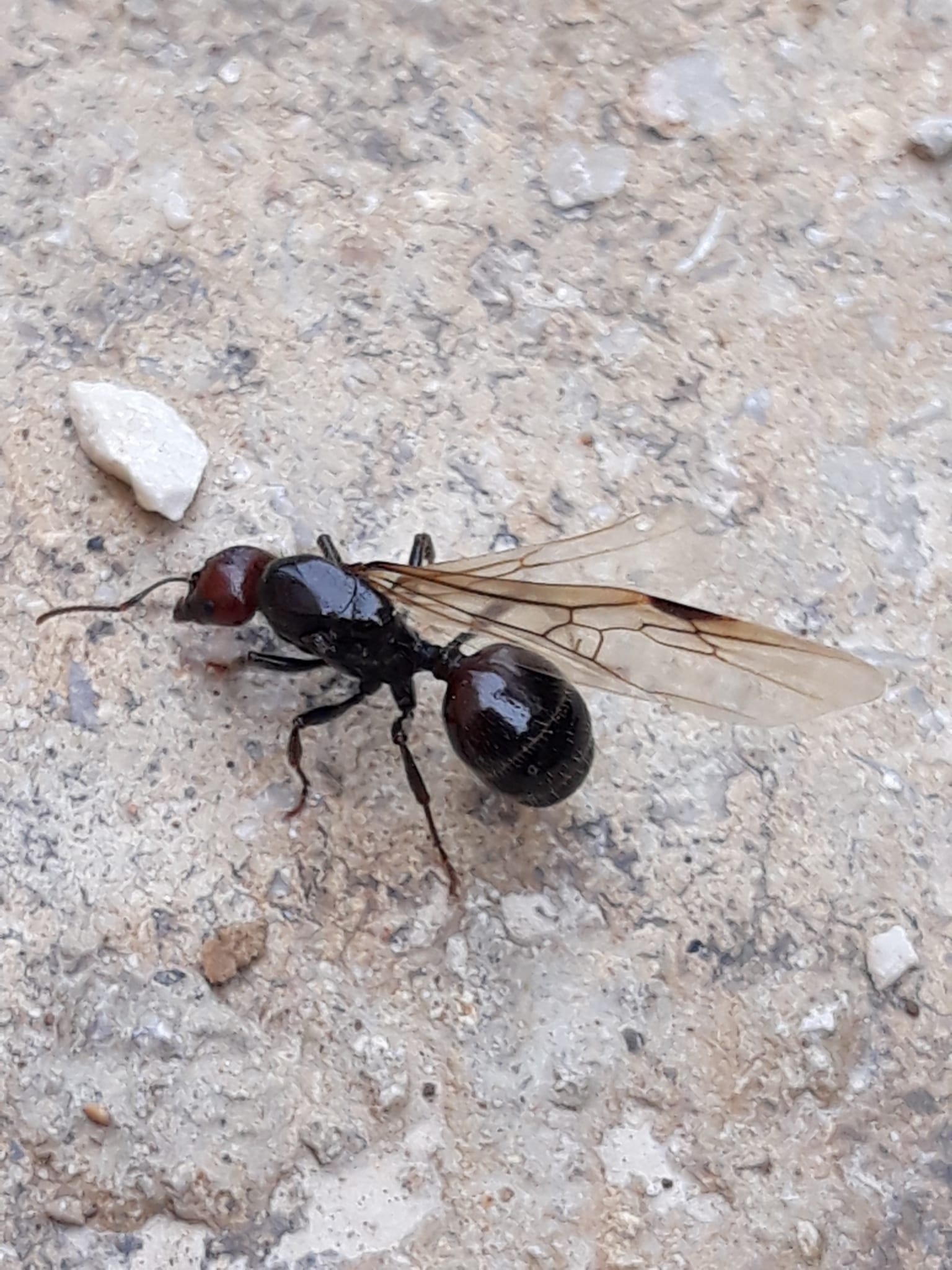
 © Karim Haddad (iNaturalist) / CC BY 4.0
European Harvester Ant
The European Harvester Ant (Messor barbarus) is a large harvester ant native to Southern Europe and North Africa. Its most striking trait is dramatic worker polymorphism — within a single colony, workers range from about 3mm to 14mm, with the largest individuals developing reddish heads. Because the colony can be kept primarily on a seed-based diet, feeding is relatively straightforward, and watching workers haul and store seeds is endlessly engaging to observe. That said, this species requires a period of winter dormancy, so keepers need some intermediate-level knowledge of seasonal temperature management. It's a great fit for anyone who enjoys watching a polymorphic colony grow gradually over the years.
View European Harvester Ant encyclopedia →0% commission on your first sales!Register by September 30, 2026 and your first 2 sales are commission-free!
Breeder Wanted!
List on BreederDirect and sell directly to customers nationwide!
6 Transparency Standards You Can Trust
When listing Insects, Breeders disclose the following. We guarantee transparency on growth stage and breeding unit.
- Life Stage Clarity
- Generation Info
- Real Photos
- Breeding Unit
- Country of Origin
- Body Length (mm)
Browse all 296 breeds
Verified breeders wanted for Insects
Breeders are signing up now ahead of launch. Subscribe to be notified when new listings go live.
Getting alerts is free with a member account. When new listings match your saved search, we'll notify you by email and in-app.
Browse other categories
Verified breeders (preview)
European Harvester Ant key facts
- Care level
- Intermediate
- Lifespan
- Colonies live up to 25 years
- Size
- Workers 3-14mm, queens 15-18mm
- Temperature
- 21〜26℃
- Humidity
- 50〜70%
- Diet
- Plant seeds (granivorous); also insects
- Temperature & Humidity
- Aim for 21-26C and 50-70% humidity in the nest, 25-30C and 30-50% in the foraging area. Hibernate at around 15C from late November to February.
- Breeding & Egg-laying
- Nuptial flights occur in autumn. Monogynous; found colonies from a dealated queen kept alone in a test tube. Without hibernation egg-laying slows the following year.
- Cohabitation
- Monogynous; cannot be housed with other colonies or species. Majors have powerful jaws and readily kill ants of other species.
- Lifespan & Rearing Period
- A long-term species: colonies reach about 10,000 workers and are reported to live up to 25 years.
- Health & Notes
- Stored seeds mold if the nest is too damp, so offer seeds in a dry foraging area. Live import of foreign ants may require checking with Japan's Plant Protection Station, so verify the source.
About European Harvester Ant
A large harvester ant from Southern Europe and North Africa. Workers show striking polymorphism (3–14mm) with red-headed major workers. Kept on seeds; requires winter dormancy. An intermediate-level species.
7 things to know before welcoming a European Harvester Ant
1Striking Worker Polymorphism
Within a single colony, workers range from about 3mm minors to 14mm majors. The largest individuals have reddish heads and play a key role in cracking open seeds. Watching this size variation in action is one of the species' unique draws.
2Seed-Based Diet
This species forages for and stores seeds as its primary food source. Because seeds are relatively easy to provide, feeding is manageable, and you can regularly watch workers hauling seeds into storage chambers.
3Requires Winter Dormancy
Matching its native climate, this species requires a period of winter dormancy. Careful temperature management during dormancy is one reason it's considered suited to intermediate-level keepers rather than beginners.
4A Long-Term Commitment
Colonies can live for up to 25 years, making this a long-term commitment. The queen, at 15–18mm, is noticeably larger than the workers and continues laying eggs at the colony's core for many years. Patience is key to enjoying the colony's gradual growth.
5Temperature & Humidity Care
Maintaining appropriate temperature and humidity inside the nest is essential for a healthy, polymorphic colony. Because care needs shift with the seasons, this is one reason the species suits intermediate keepers better than complete beginners.
6Preparing Before Arrival
Before bringing your colony home, prepare an ant-keeping setup (formicarium) with a foraging area and a supply of seeds. Choosing a setup that can be expanded as the colony grows will make things easier down the line.
7What to Watch For
Look for the division of labor that comes with polymorphism — differences in worker size, cooperative seed transport, and major workers cracking seeds open. Enjoying these small daily changes is the key to appreciating this species long-term.
Frequently asked questions about European Harvester Ant
- Q.Is the European Harvester Ant suitable for beginners?
- A.This species is generally considered suited to intermediate-level keepers. While its seed-based diet makes feeding straightforward, seasonal care such as temperature management during winter dormancy is best handled by keepers with some prior ant-keeping experience.
- Q.How long can a colony be kept?
- A.Colonies can live for up to 25 years, offering a very long-term keeping experience. As long as the queen remains healthy the colony continues, so it's worth committing to the long haul.
- Q.Why do the workers vary so much in size?
- A.This species shows striking polymorphism, with workers ranging from about 3mm minors to 14mm majors within the same colony. The larger, red-headed workers typically take on tasks like cracking open hard seeds.
- Q.How should winter dormancy be handled?
- A.In line with its native climate, the colony needs a period of dormancy at lower temperatures. Careful attention to temperature changes during this period, along with seasonal adjustments, helps keep the colony healthy.
- Q.Is a seed-only diet enough?
- A.This species can be kept on a primarily seed-based diet. Since workers naturally store seeds within the nest, building a feeding routine around seeds makes day-to-day care manageable.
Useful tools for European Harvester Ant care
Learn more about European Harvester Ant in the encyclopedia
View European Harvester Ant encyclopedia entry →
Care difficulty, lifespan, size and diet — all basics covered.
More in this category
Can't find the one you're looking for?
Post your wishes for free and breeders with matching animals will contact you with introductions.