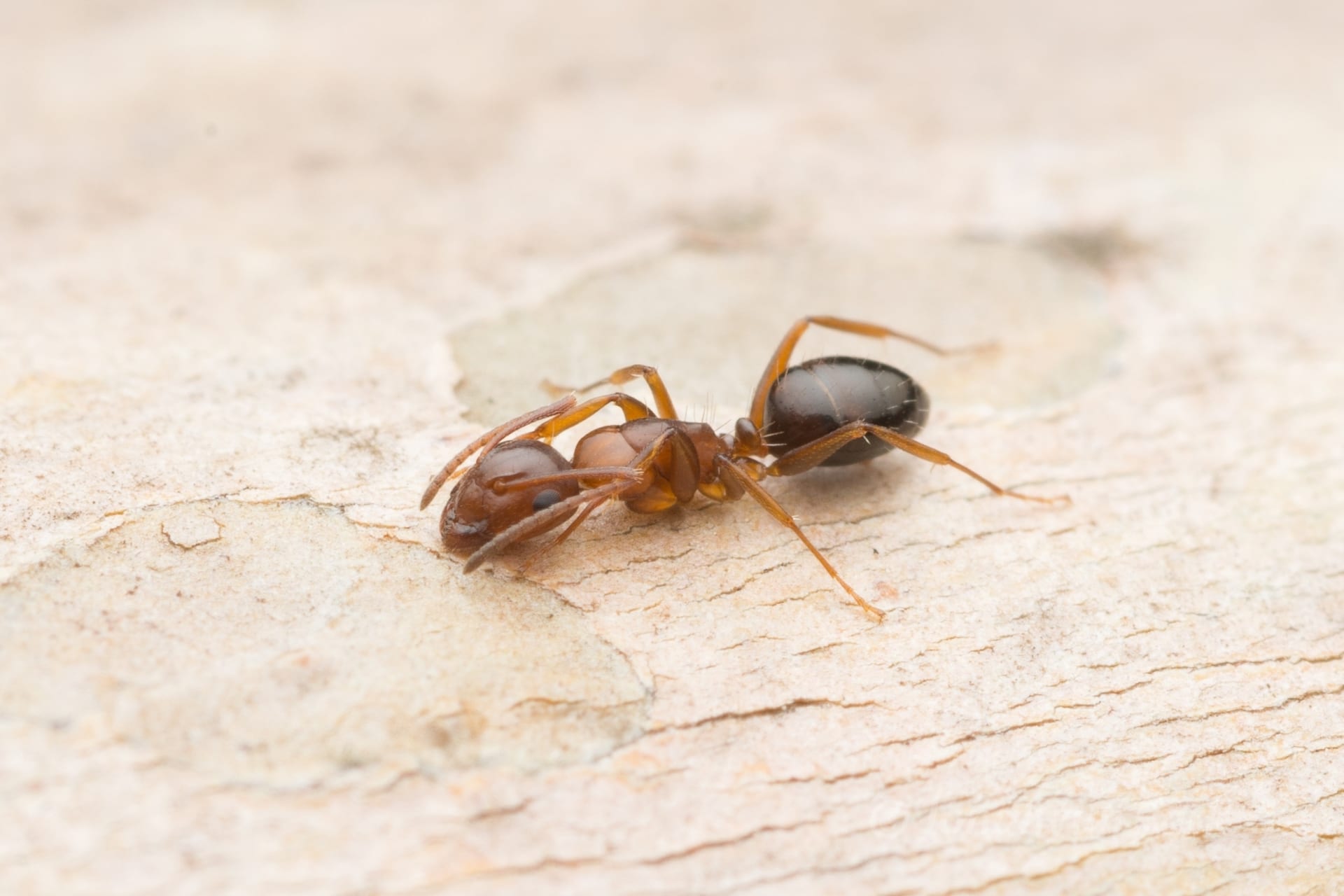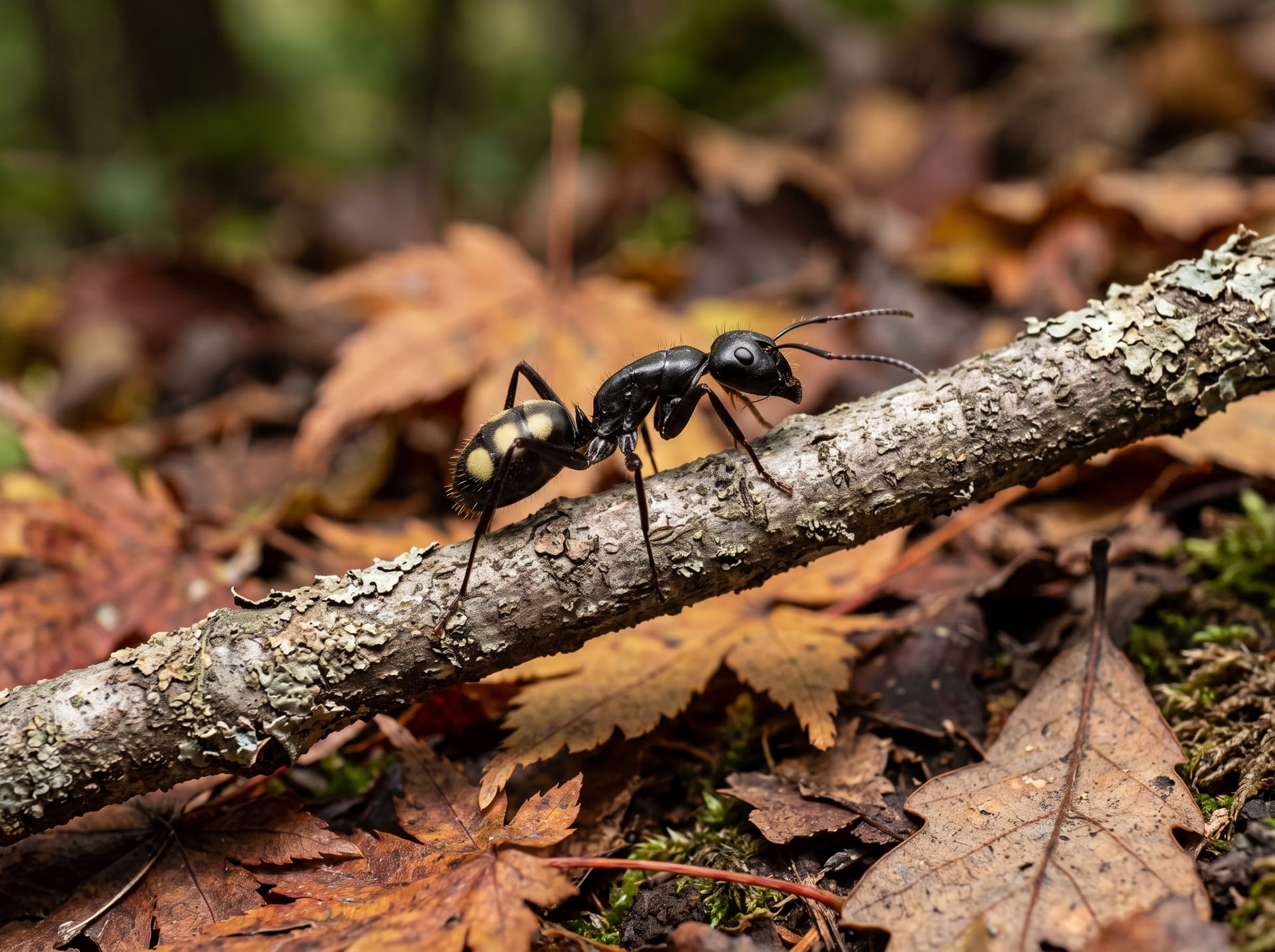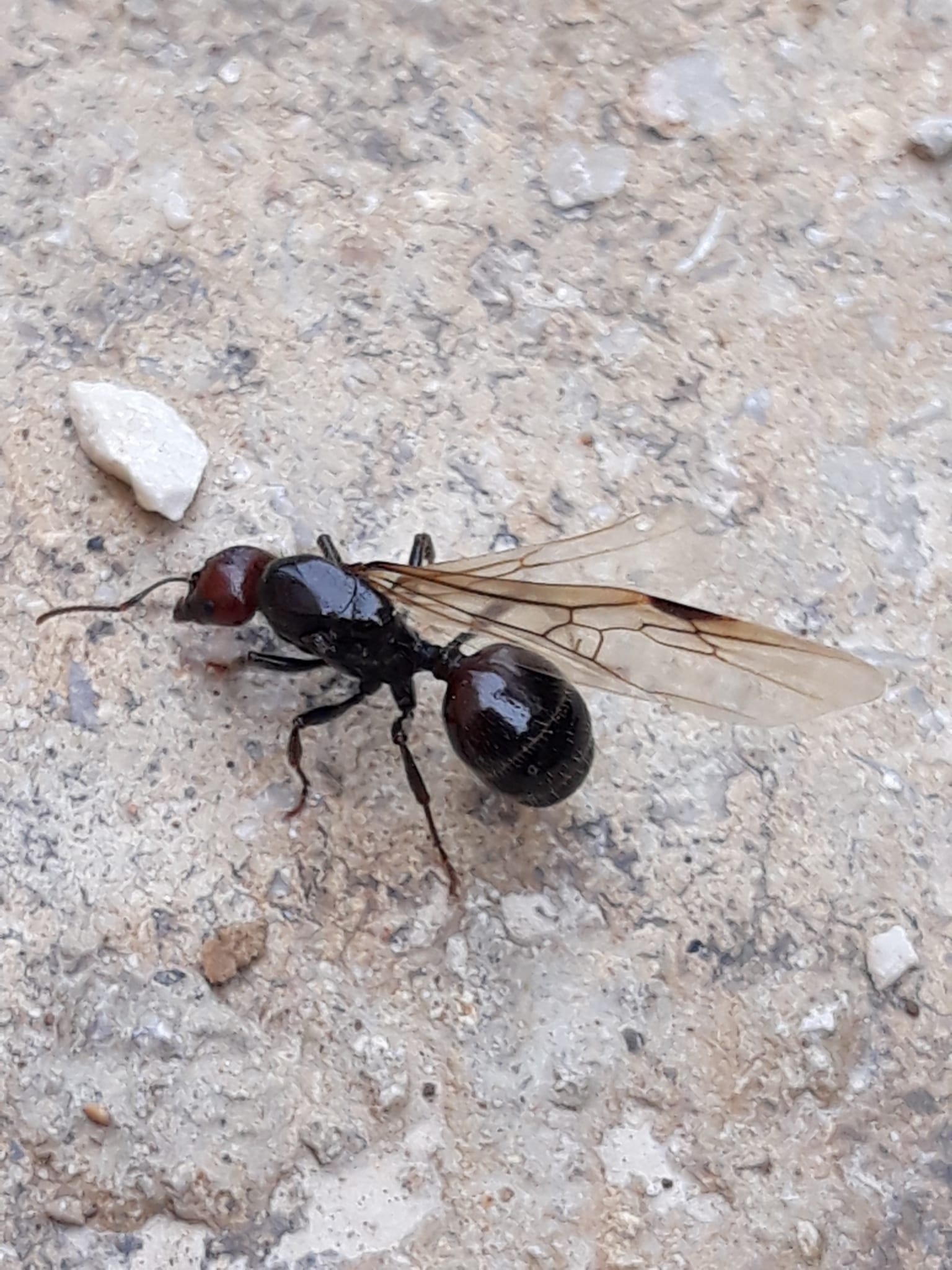
Source: Wikimedia Commons
European Harvester Ant
IntermediateMessor barbarus
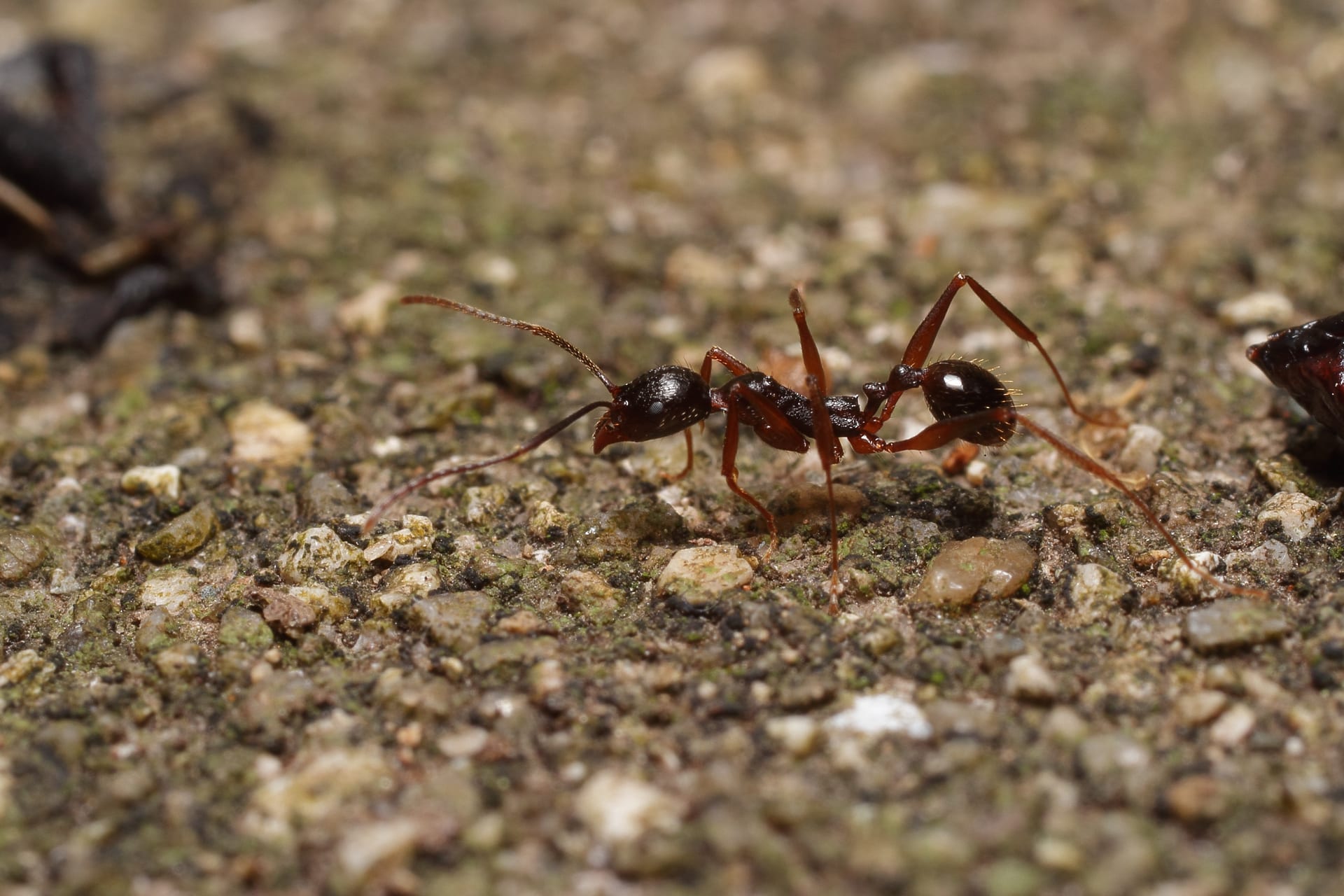
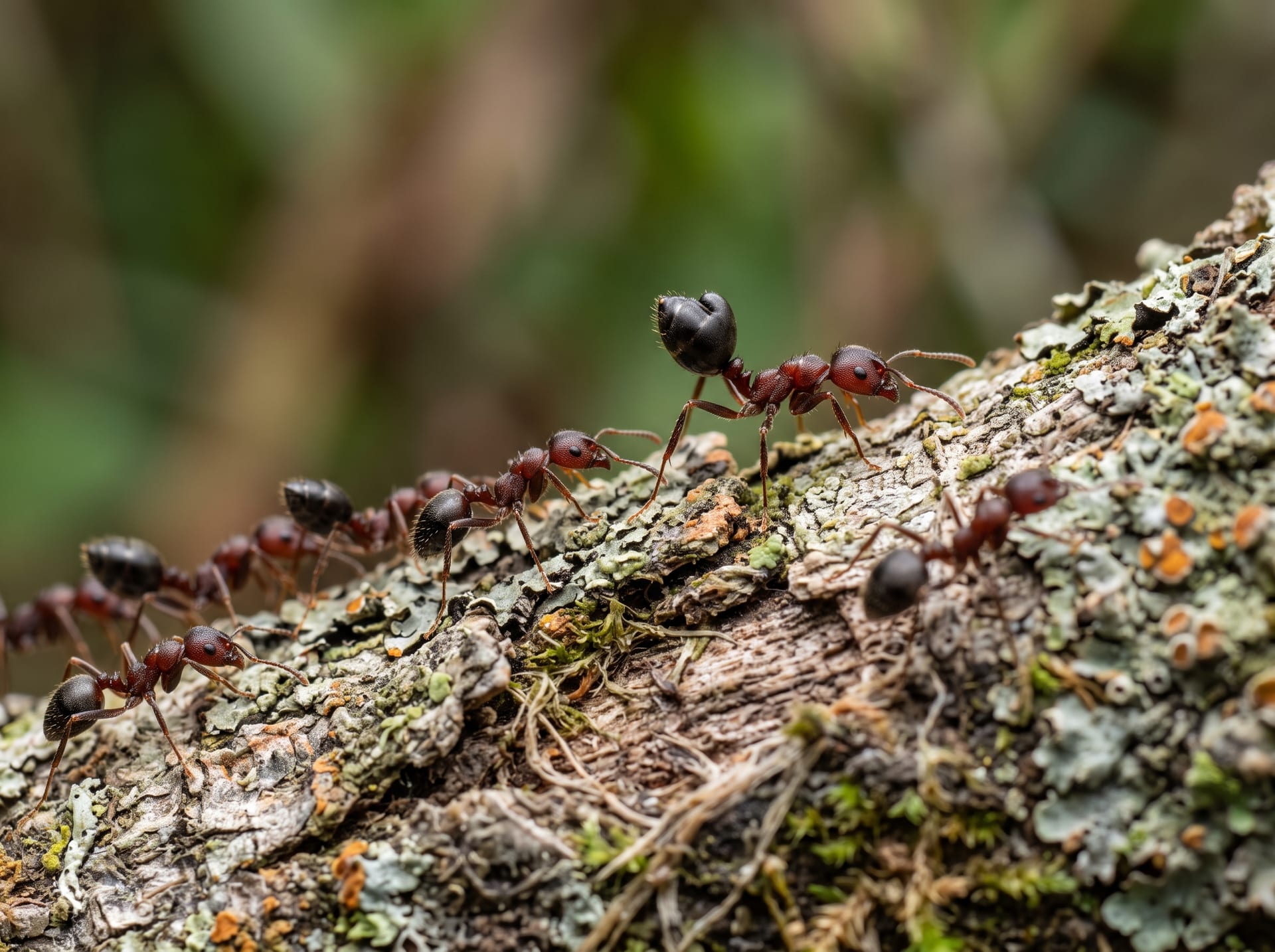
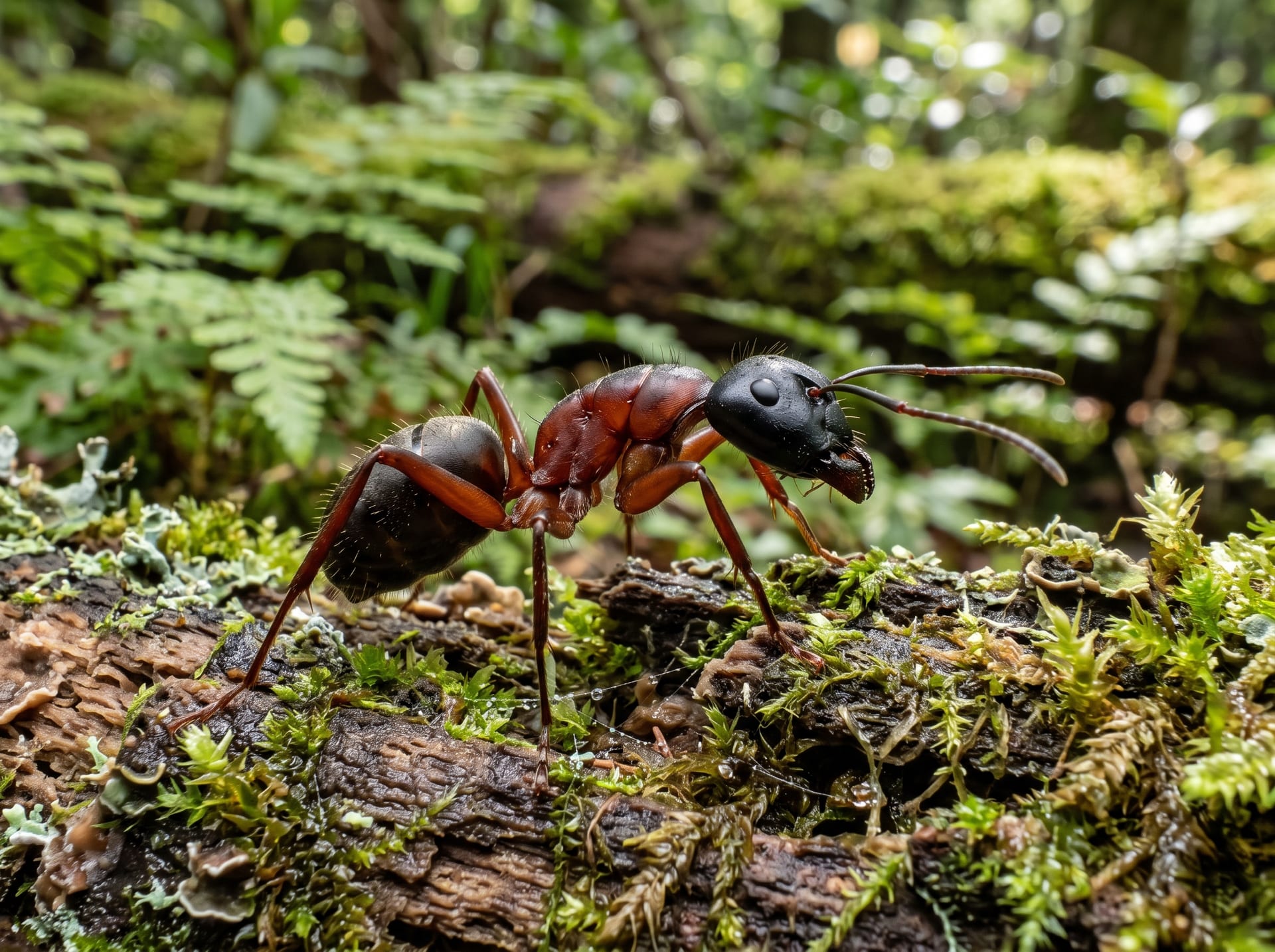
A large harvester ant from southern Europe and North Africa. Workers are strongly polymorphic at 3-14mm, the largest with red heads. Can be kept on seeds and requires hibernation.
Difficulty
Intermediate
Temperature
21〜26℃
Lifespan
Colonies live up to 25 years
Size
Workers 3-14mm, queens 15-18mm
Humidity
50〜70%
Diet
Plant seeds (granivorous); also insects
About
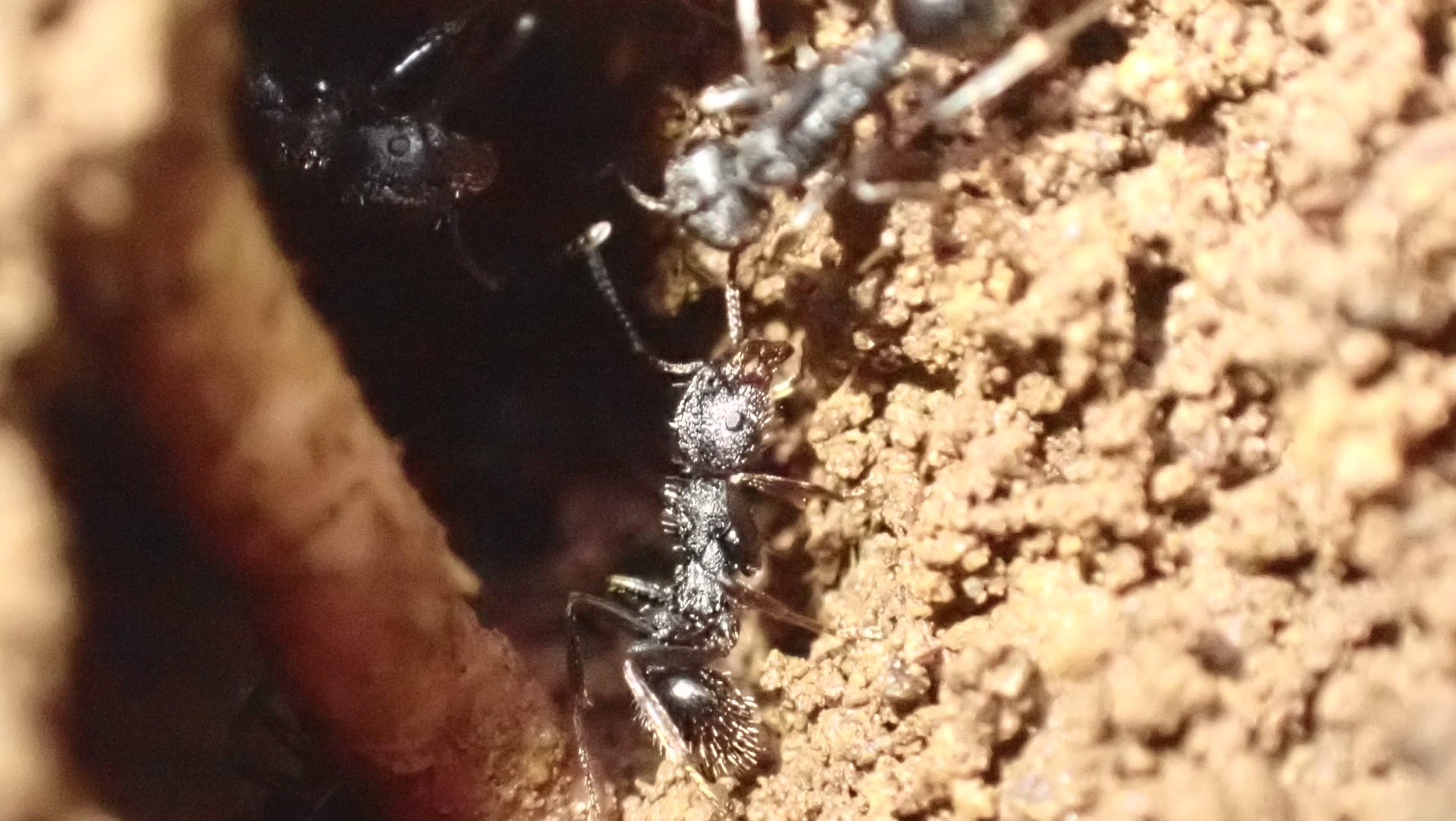
Messor barbarus is a large harvester ant of the genus Messor distributed in southern Europe and North Africa. Workers are strongly polymorphic at 3-14mm, with minor, media and major castes dividing labour according to the size of seeds they gather; majors have red heads, and queens measure 15-18mm. It nests in soil and under stones in sandy and scrubby ground, collecting seeds and chewing them into a stored mass known as ant bread. It is the commonest ant in arable fields of northeastern Spain and a major cause of crop seed loss there. Nuptial flights take place in autumn. Colonies are monogynous, reach about 10,000 workers and are reported to live up to 25 years. It can be kept on seeds alone, with sugar water offered only occasionally in dry conditions. One of the most popular species in ant keeping abroad, it is only sparsely available in Japan.
Source: Wikipedia (CC BY-SA 4.0)
Lifespan of the European Harvester Ant
The European Harvester Ant lives Colonies live up to 25 years.
Size of the European Harvester Ant
The European Harvester Ant grows to Workers 3-14mm, queens 15-18mm.
Temperature & humidity for the European Harvester Ant
The ideal temperature for the European Harvester Ant is 21〜26℃. Ideal humidity is 50〜70%.
In captivity keep the nest at 21-26C and 50-70% humidity, and hibernate the colony at 15C from late November to February.
Basic Info
Origin
Southern Europe, North Africa
Care Specifications
Semi-aggressiveGroupBreeding: Moderate
Sources: AntStore Messor barbarus / Wikipedia (en)
References & Sources
Edited & verified by: BreederDirect editorial team
The taxonomic, regulatory, and husbandry data on this page are compiled and verified against the authoritative primary sources below.
Taxonomy & Authority
Accepted name: Messor barbarus (Linnaeus, 1767)
Synonyms: Formica barbara, Atta barbara
Authority databases: GBIF
Nomenclature follows global taxonomic authority databases.
Regulations & Conservation Status
Not CITES-listed
Not CITES-listed. Live import of foreign ants may be subject to procedures under Japan's Plant Protection Act; check with the Plant Protection Station before importing (domestic availability is limited).
Sources: CITES Appendices (species not listed)
Regulations may change. Always verify the latest information with the relevant authorities.
European Harvester Ant Listings
Loading latest listingsFind listings for this species