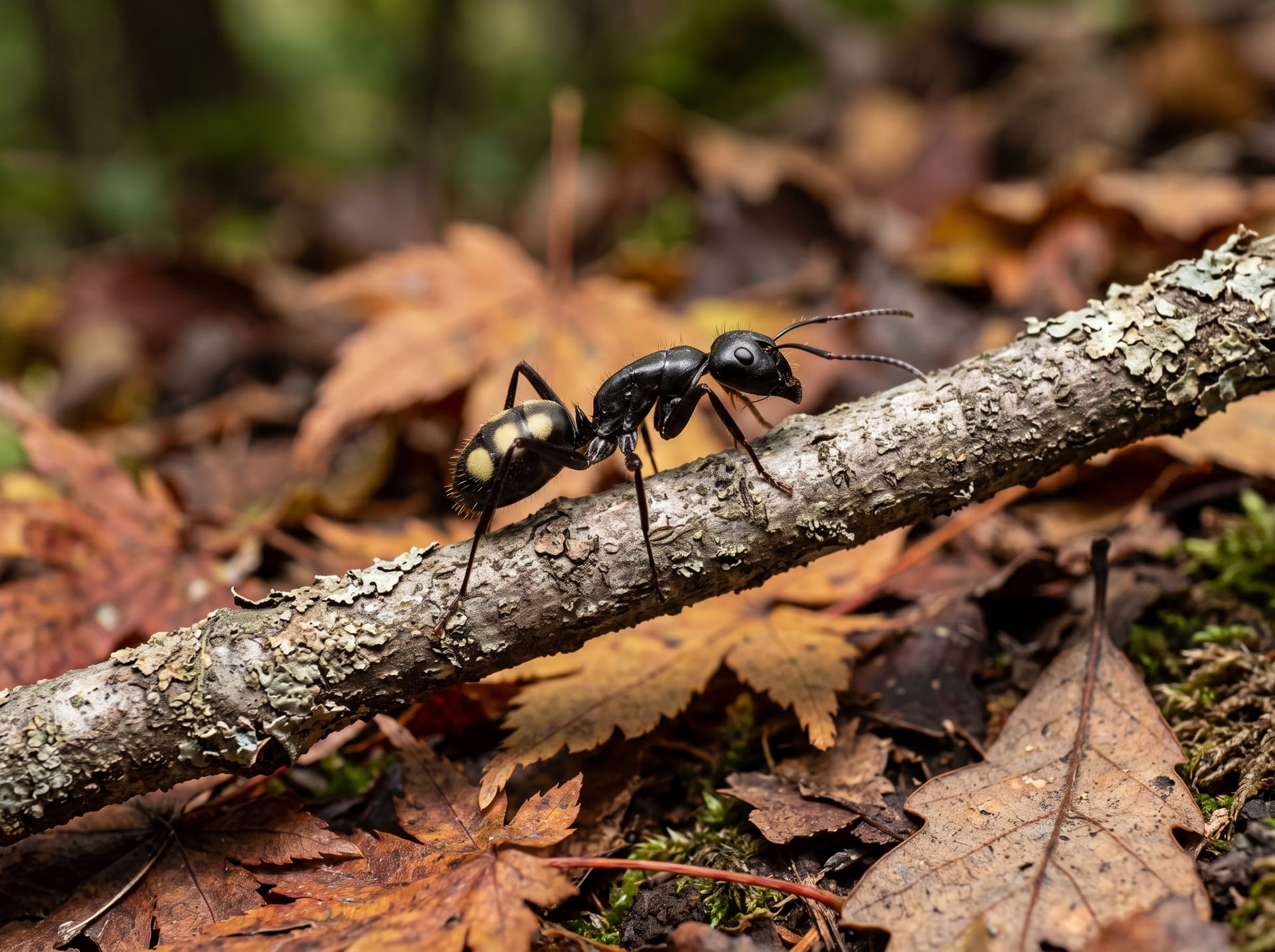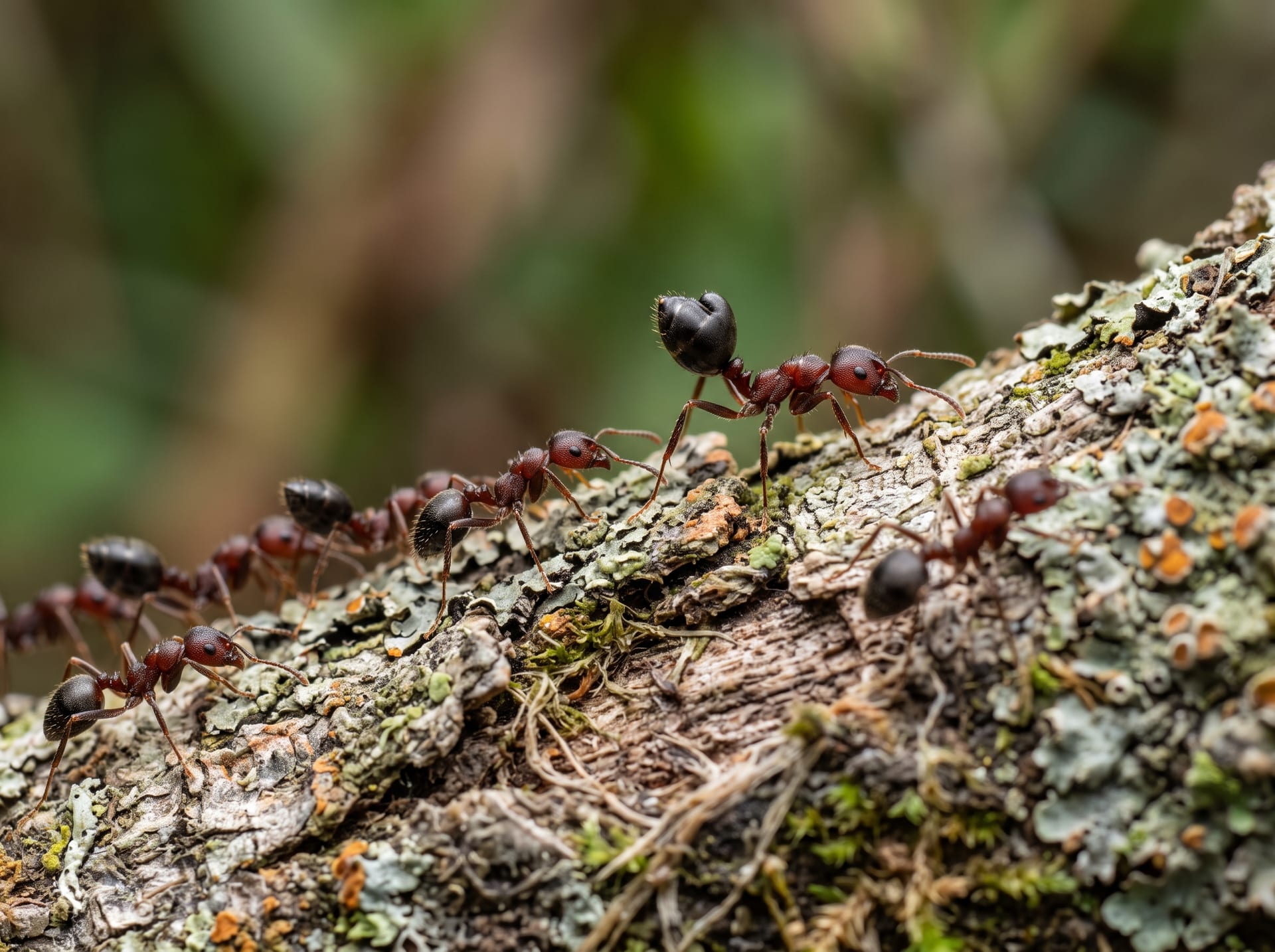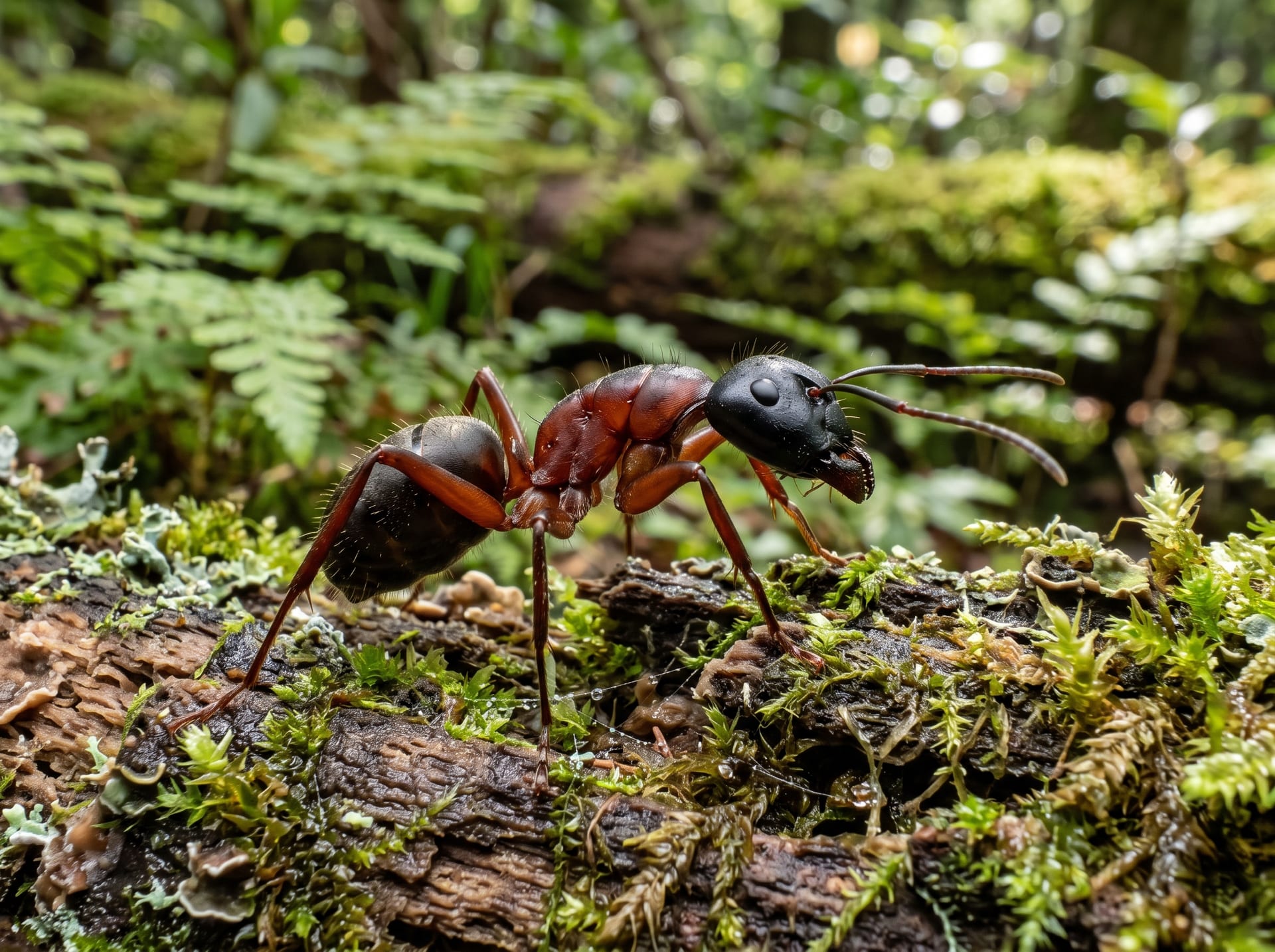
AI-generated image
Mikado Carpenter Ant
IntermediateCamponotus kiusiuensis
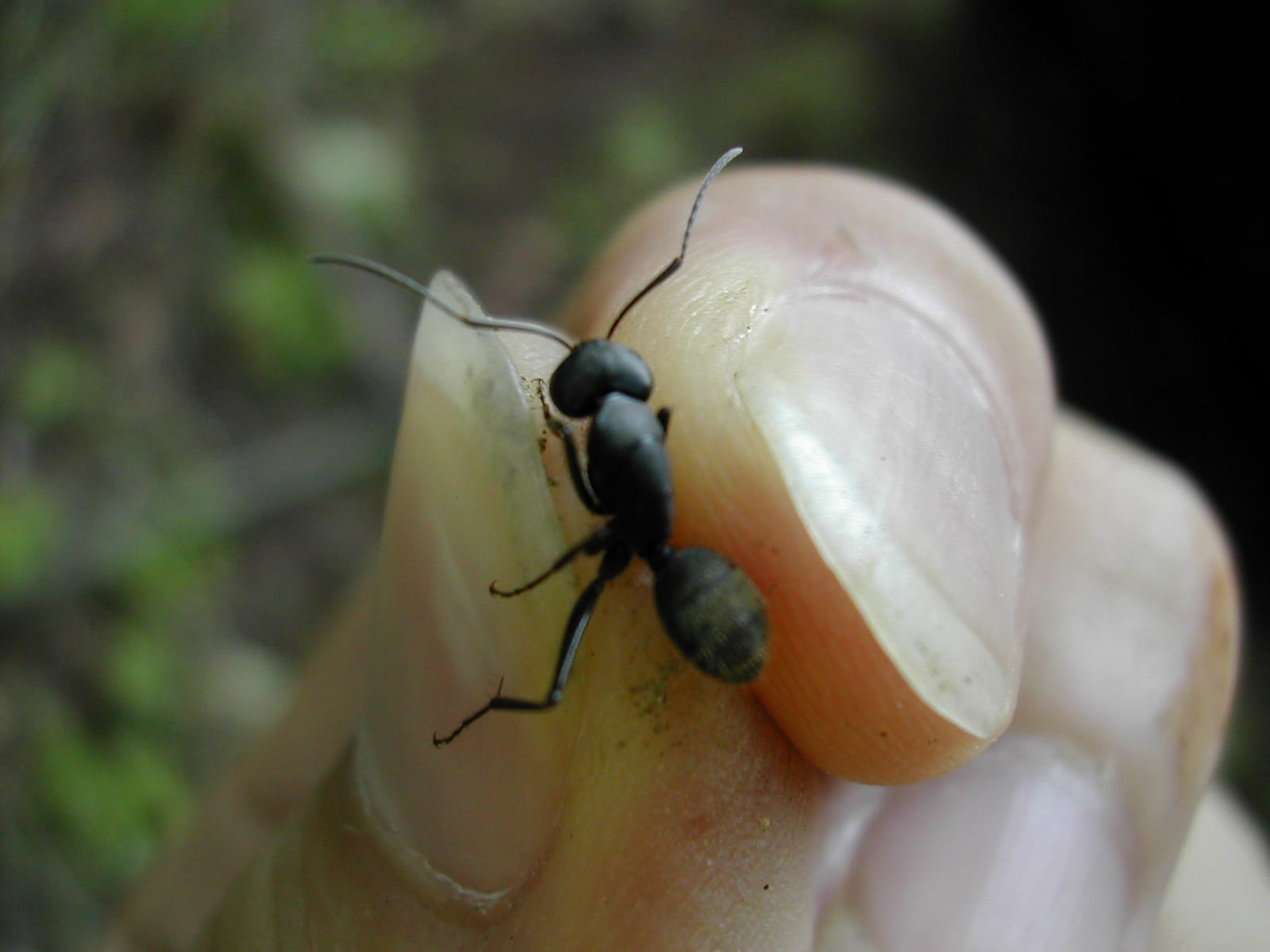
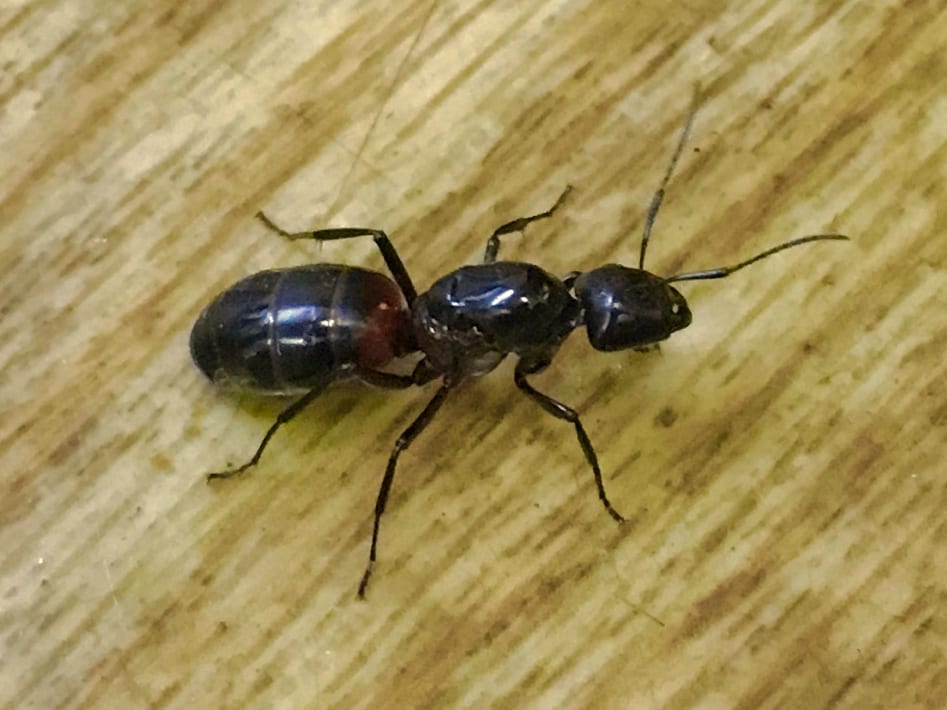
A glossy, arboreal carpenter ant with orange legs. Nests in dead bamboo and rotten wood, is nocturnal, and lives dispersed in small satellite nests.
Difficulty
Intermediate
Temperature
23〜25℃
Lifespan
Queens 10-20 years
Size
Workers 8-11mm, queens about 15mm
Humidity
60〜80%
Diet
Sugars (honeydew, sugar water) and insects (omnivorous)
About
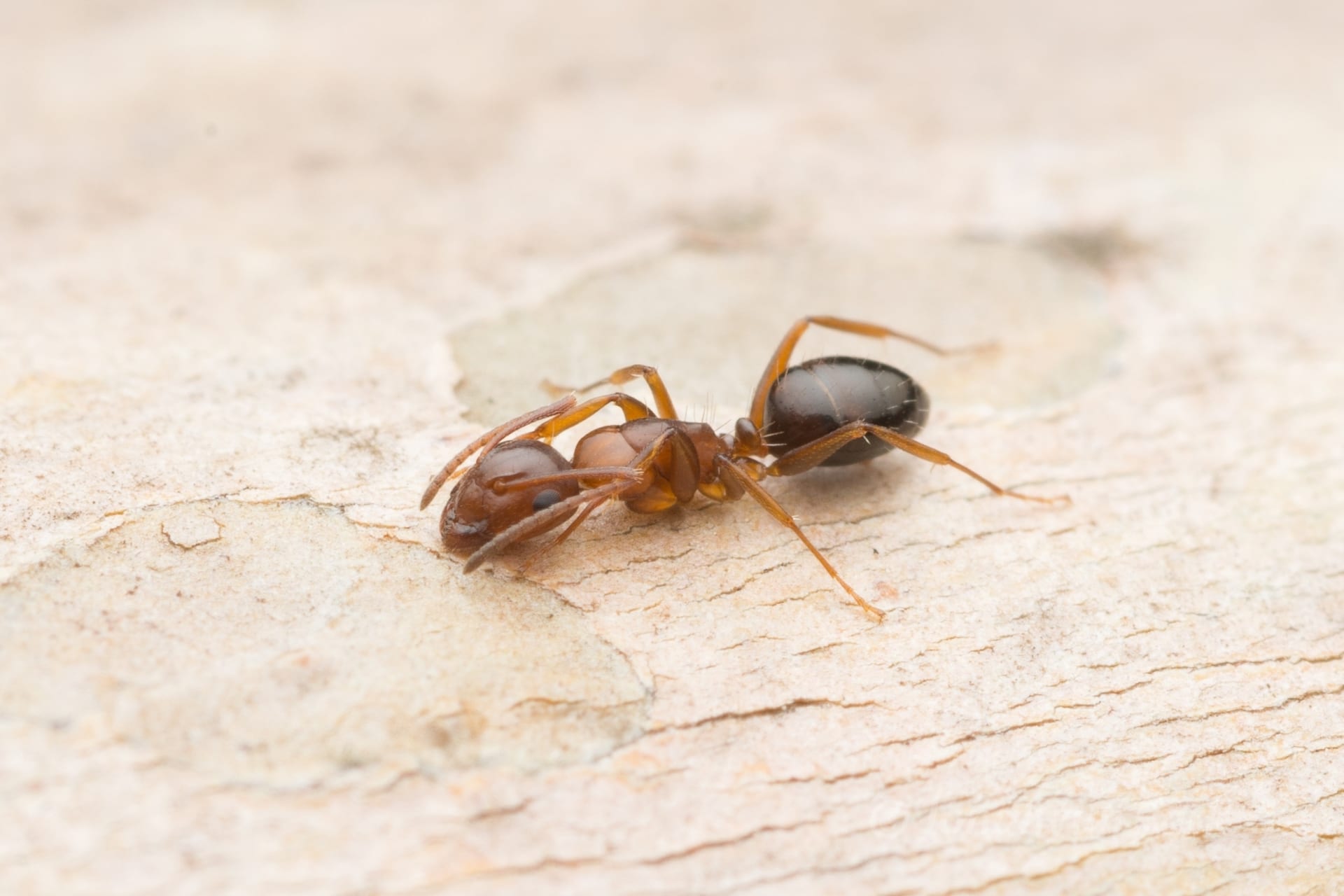
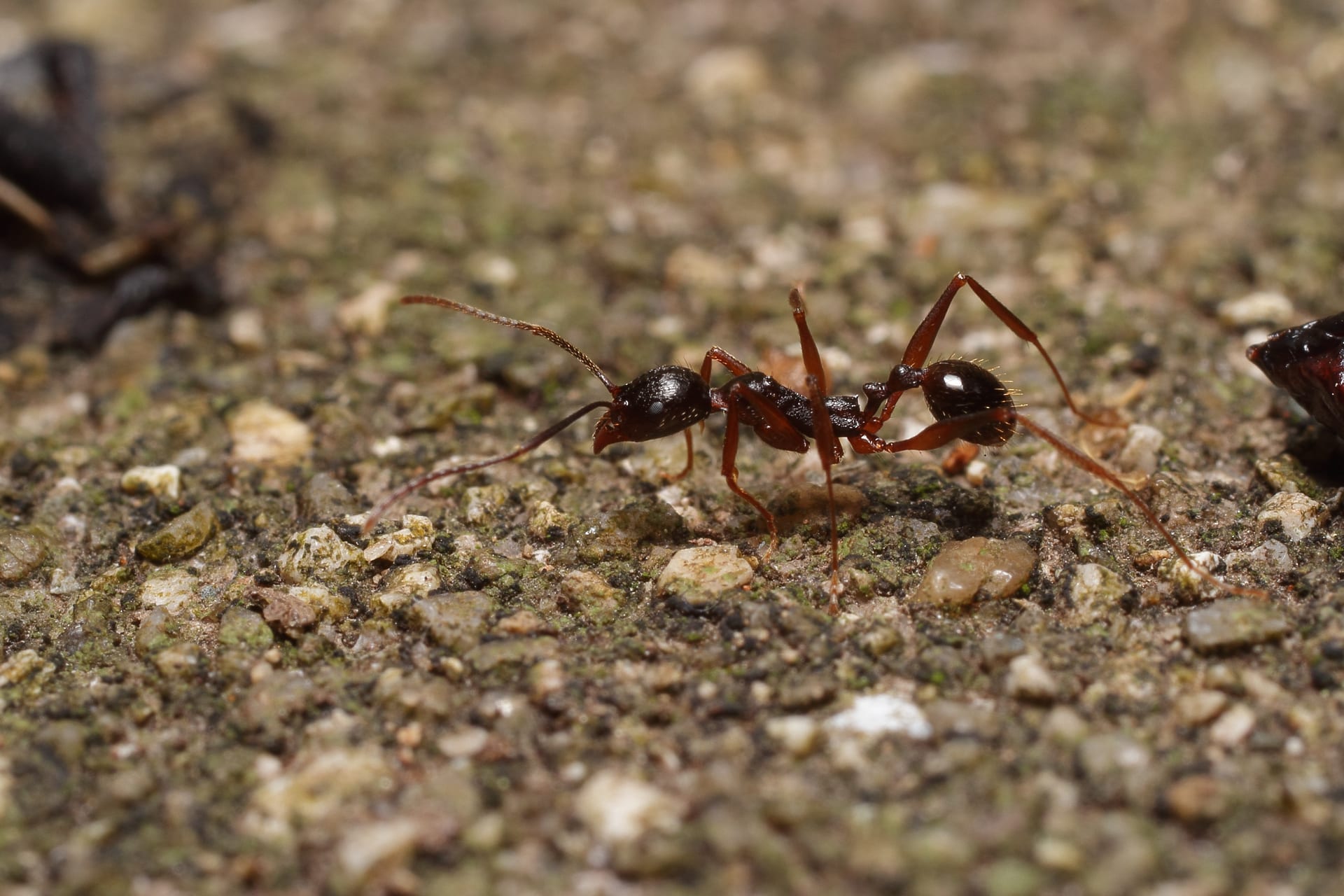
Camponotus kiusiuensis is a carpenter ant distributed from Hokkaido (where it is rare) to Kyushu and Yakushima, and in the Korean Peninsula. Workers measure 8-11mm and queens about 15mm. The body is black with a brownish tinge and a glossy sheen, and the legs are orange to brown. An arboreal species, it nests inside dead bamboo and rotten wood, and as the colony grows it establishes several satellite nests in nearby dead culms. Each nest unit holds fewer than about 300 workers, so queens are often not obtained when collecting. It is nocturnal but active by day in dark forest. Colonies are monogynous, and the species has been reported as a possible host of Polyrhachis lamellidens. In captivity it tends to prefer a drier nest in keeping with its arboreal habit and needs more experience than soil nesters, so it is considered an intermediate species.
Source: Wikipedia (CC BY-SA 4.0)
Lifespan of the Mikado Carpenter Ant
The Mikado Carpenter Ant lives Queens 10-20 years.
Size of the Mikado Carpenter Ant
The Mikado Carpenter Ant grows to Workers 8-11mm, queens about 15mm.
Temperature & humidity for the Mikado Carpenter Ant
The ideal temperature for the Mikado Carpenter Ant is 23〜25℃.
Basic Info
Origin
Hokkaido (rare) to Kyushu, Yakushima; Korean Peninsula
Lifespan
Queens 10-20 years
Care Specifications
PeacefulGroupBreeding: Moderate
Sources: AntRoom: How to keep ants (JP) / Wikipedia (ja): ミカドオオアリ / Japanese Ant Image Database (ミカドオオアリ)
References & Sources
Edited & verified by: BreederDirect editorial team
The taxonomic, regulatory, and husbandry data on this page are compiled and verified against the authoritative primary sources below.
Taxonomy & Authority
Accepted name: Camponotus kiusiuensis Santschi, 1937
Authority databases: GBIF
Nomenclature follows global taxonomic authority databases.
Regulations & Conservation Status
Not CITES-listed
Sources: CITES Appendices (species not listed)
Regulations may change. Always verify the latest information with the relevant authorities.
Mikado Carpenter Ant Listings
Loading latest listingsFind listings for this species