Source: Wikimedia Commons
Japanese Carpenter Ant
BeginnerCamponotus japonicus
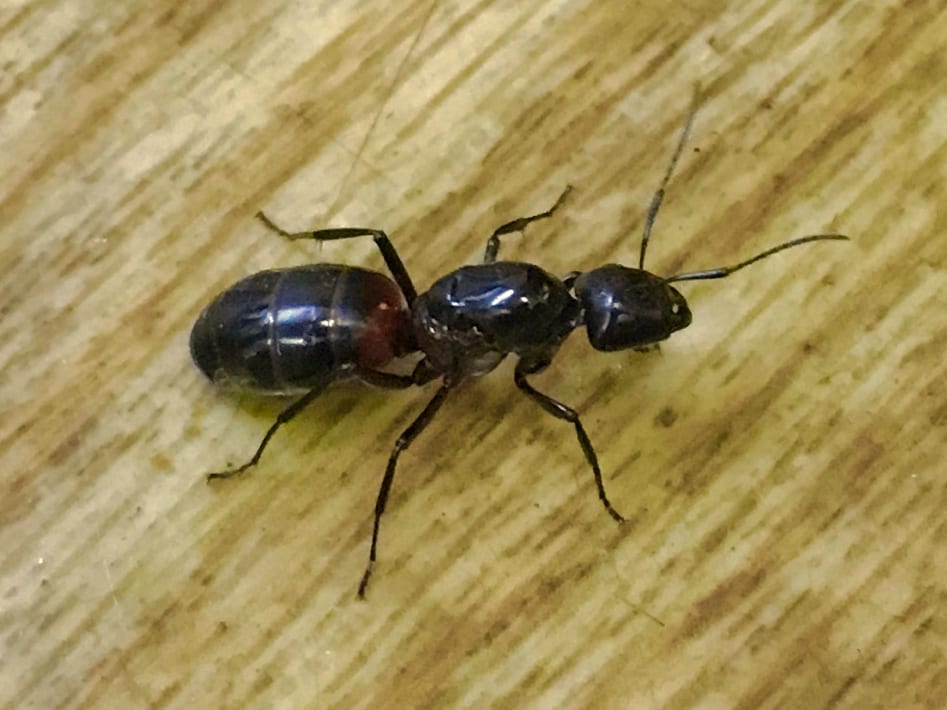
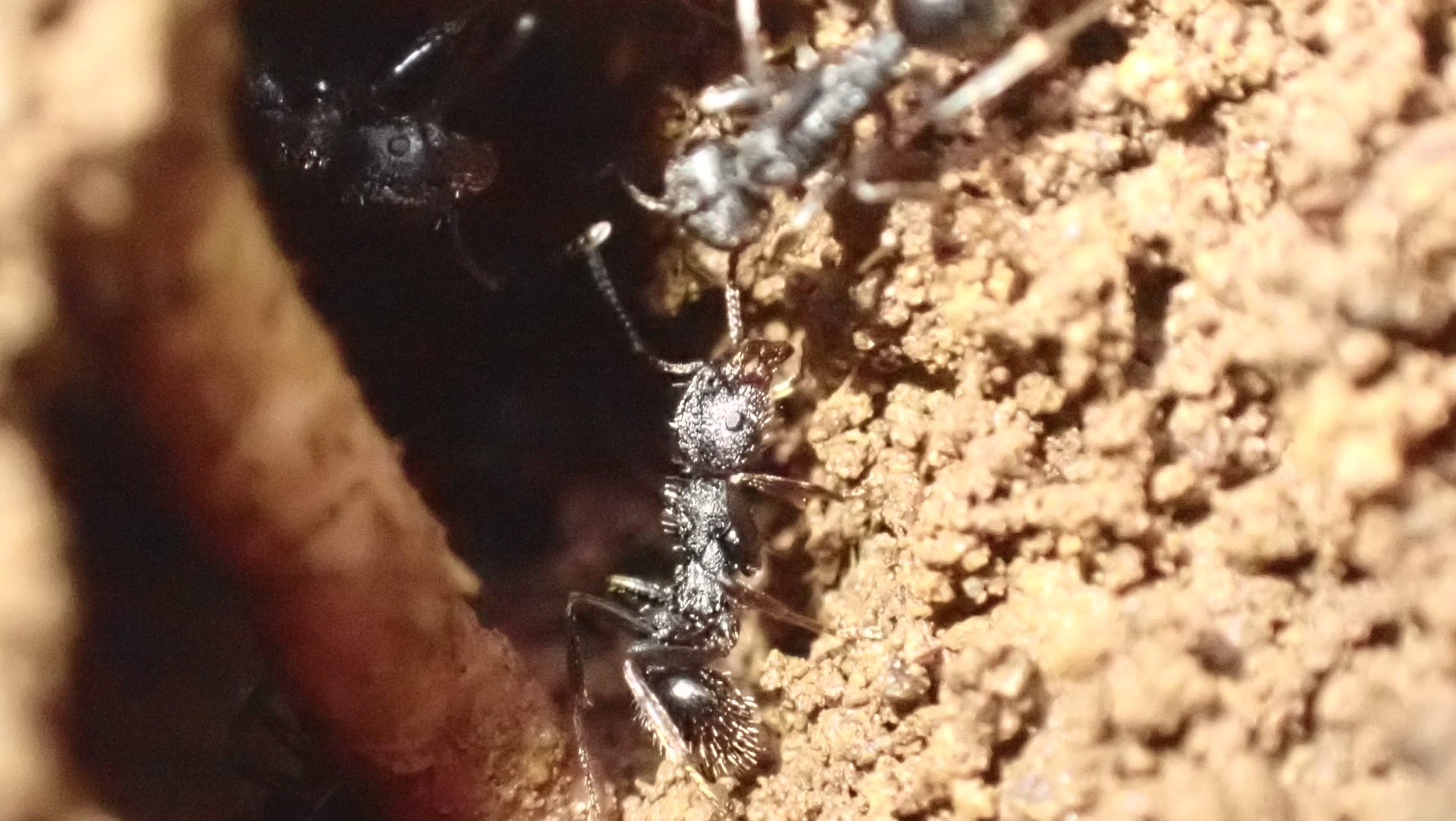
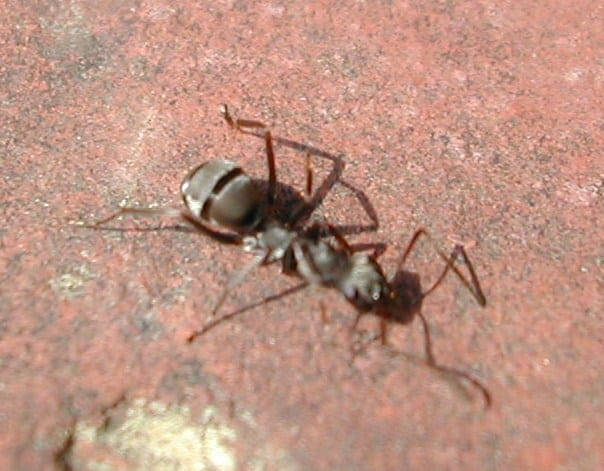
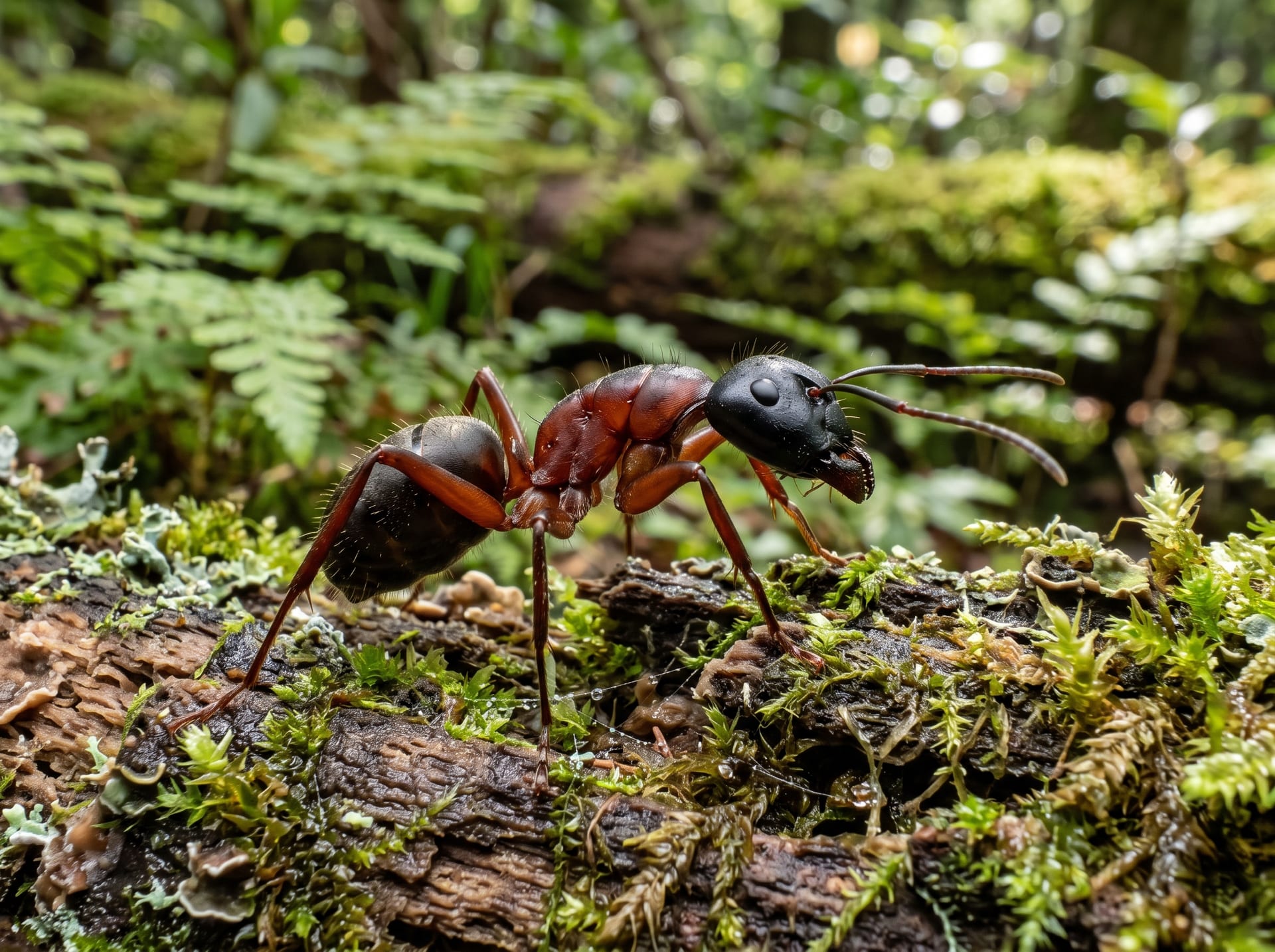
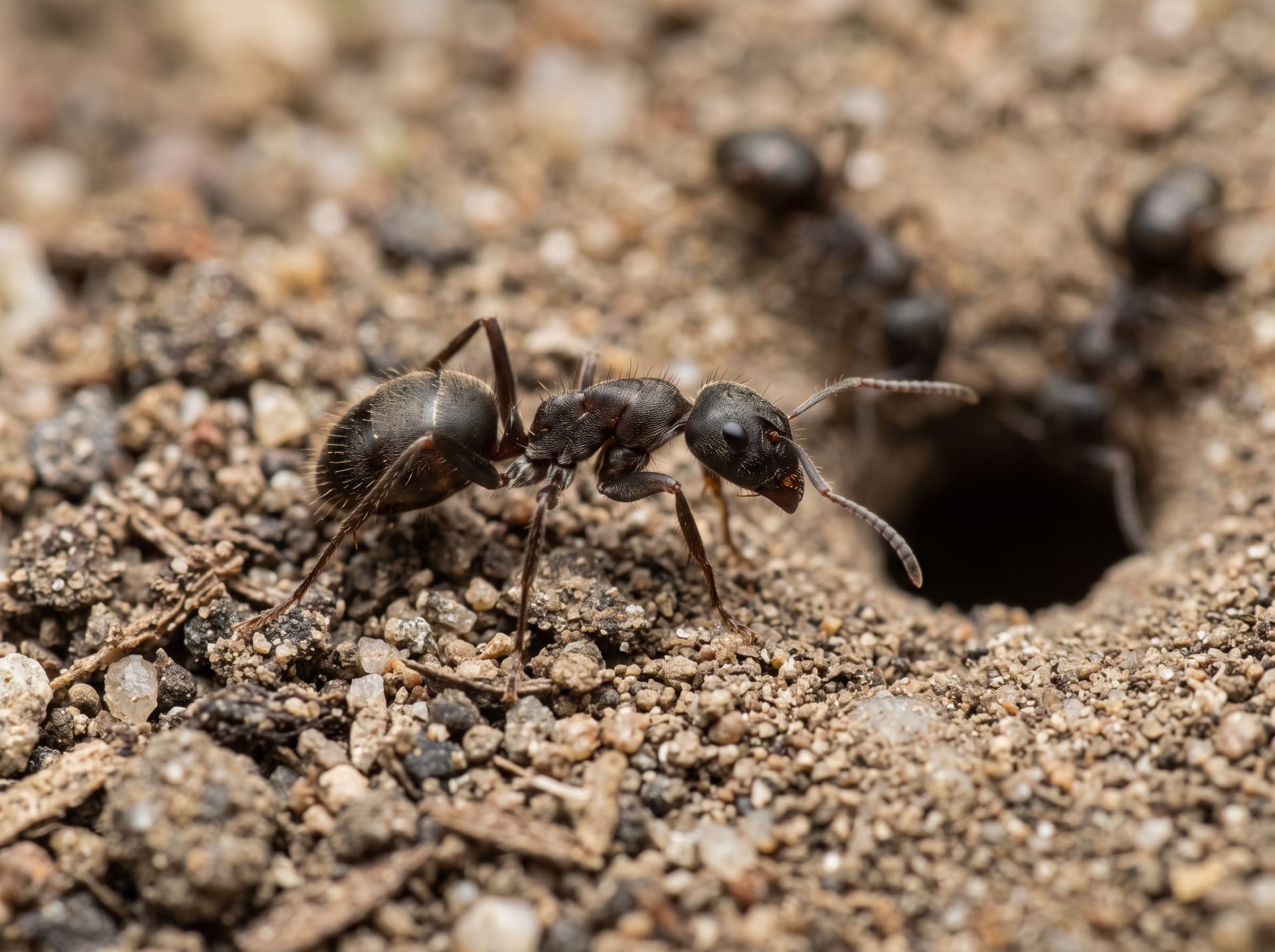
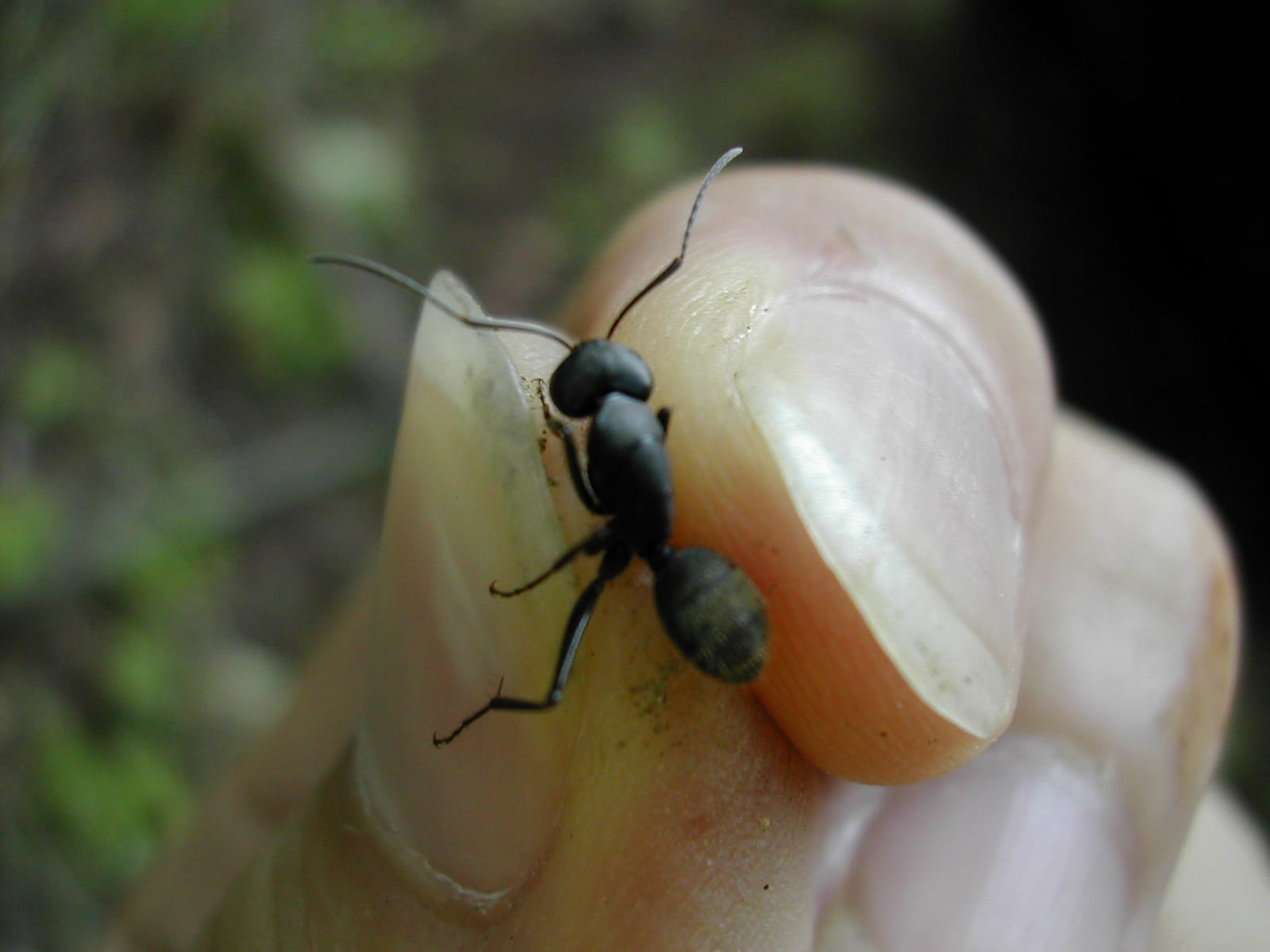
One of Japan's largest ants, an all-black carpenter ant and the standard species for ant keeping. Nests in open dry ground; newly mated queens are traded in early summer.
Difficulty
Beginner
Temperature
23〜25℃
Lifespan
Queens about 20 years (in captivity)
Size
Workers 7-12mm
Humidity
60〜80%
Diet
Sugar water or insect jelly plus insects (omnivorous)
About
The Japanese carpenter ant (Camponotus japonicus) is a formicine ant of the genus Camponotus found from Hokkaido to Kyushu, Tsushima, Yakushima and the Tokara Islands north of Suwanosejima, and abroad in China and the Korean Peninsula. Workers measure 7-12mm and are black with a matte head. It nests in dry open ground in fields, forest roads and parks, opening the nest entrance directly at the surface. Alates emerge in May-June, and nuptial flights take place from afternoon to evening on clear days after rain. Mature colonies reach about 1,000 workers; the species is omnivorous, feeding on honeydew, extrafloral nectar and insects. Newly mated, dealated queens are traded in early summer, and starting a queen alone in a test tube is the classic entry into ant keeping. Queens are reported to live about 20 years in captivity, allowing long-term observation of colony growth. Adapted to habitats from cities to forests and relatively tolerant of temperature swings and fasting, it is among the species most recommended for first-time keepers.
Source: Wikipedia (CC BY-SA 4.0)
Lifespan of the Japanese Carpenter Ant
The Japanese Carpenter Ant lives Queens about 20 years (in captivity).
Size of the Japanese Carpenter Ant
The Japanese Carpenter Ant grows to Workers 7-12mm.
Temperature & humidity for the Japanese Carpenter Ant
The ideal temperature for the Japanese Carpenter Ant is 23〜25℃.
Basic Info
Origin
Hokkaido to Kyushu, Tsushima, Yakushima, Tokara Islands (north of Suwanosejima); China, Korean Peninsula
Care Specifications
PeacefulGroupBreeding: Easy
Sources: AntRoom: How to keep ants (JP) / Wikipedia (ja): クロオオアリ / Japanese Ant Image Database (クロオオアリ)
References & Sources
Edited & verified by: BreederDirect editorial team
The taxonomic, regulatory, and husbandry data on this page are compiled and verified against the authoritative primary sources below.
Taxonomy & Authority
Accepted name: Camponotus japonicus Mayr, 1866
Authority databases: GBIF
Nomenclature follows global taxonomic authority databases.
Regulations & Conservation Status
Not CITES-listed
Sources: CITES Appendices (species not listed)
Regulations may change. Always verify the latest information with the relevant authorities.
Japanese Carpenter Ant Listings
Loading latest listingsFind listings for this species