Source: Wikimedia Commons
Red-chested Carpenter Ant
BeginnerCamponotus obscuripes
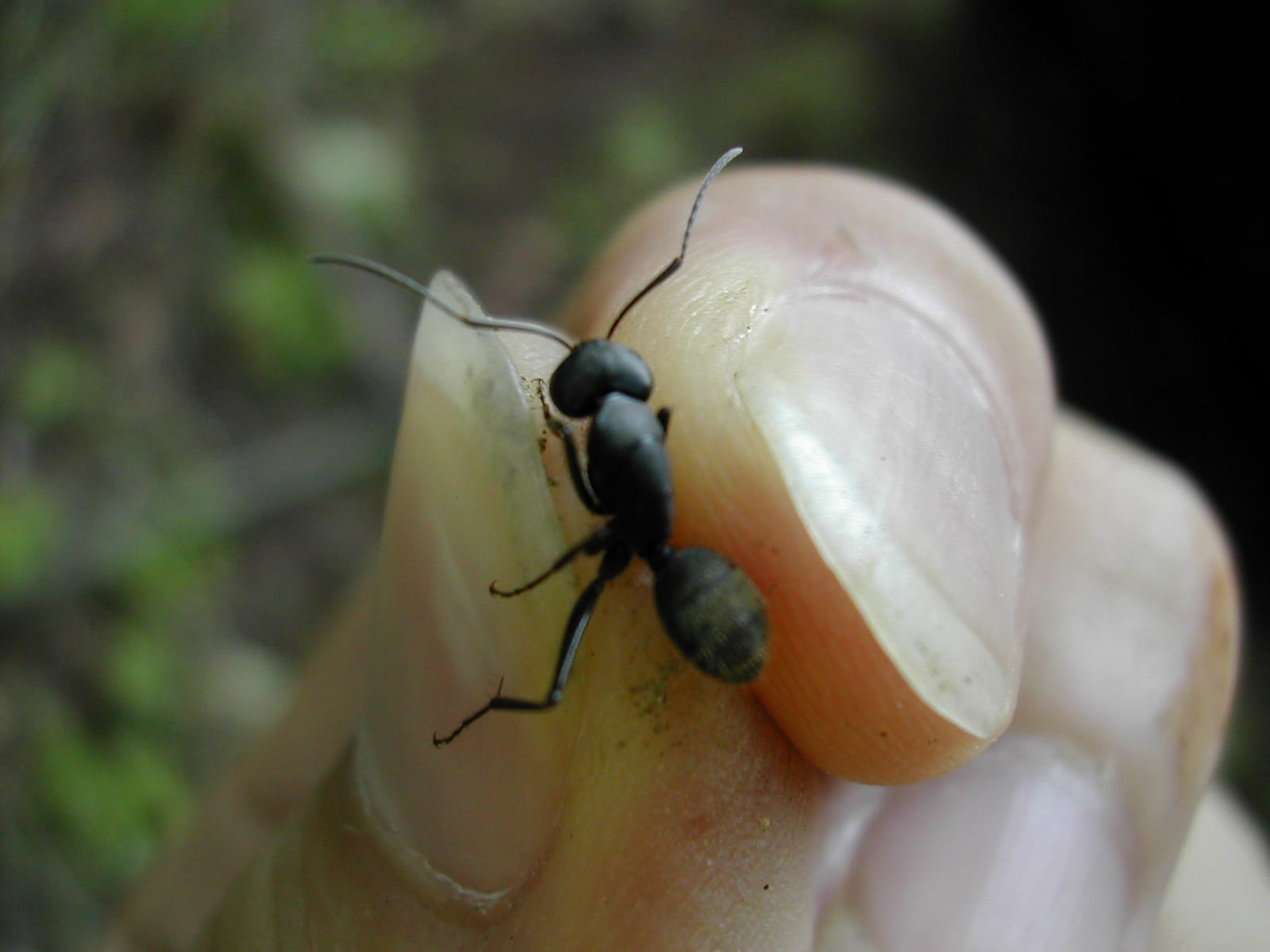
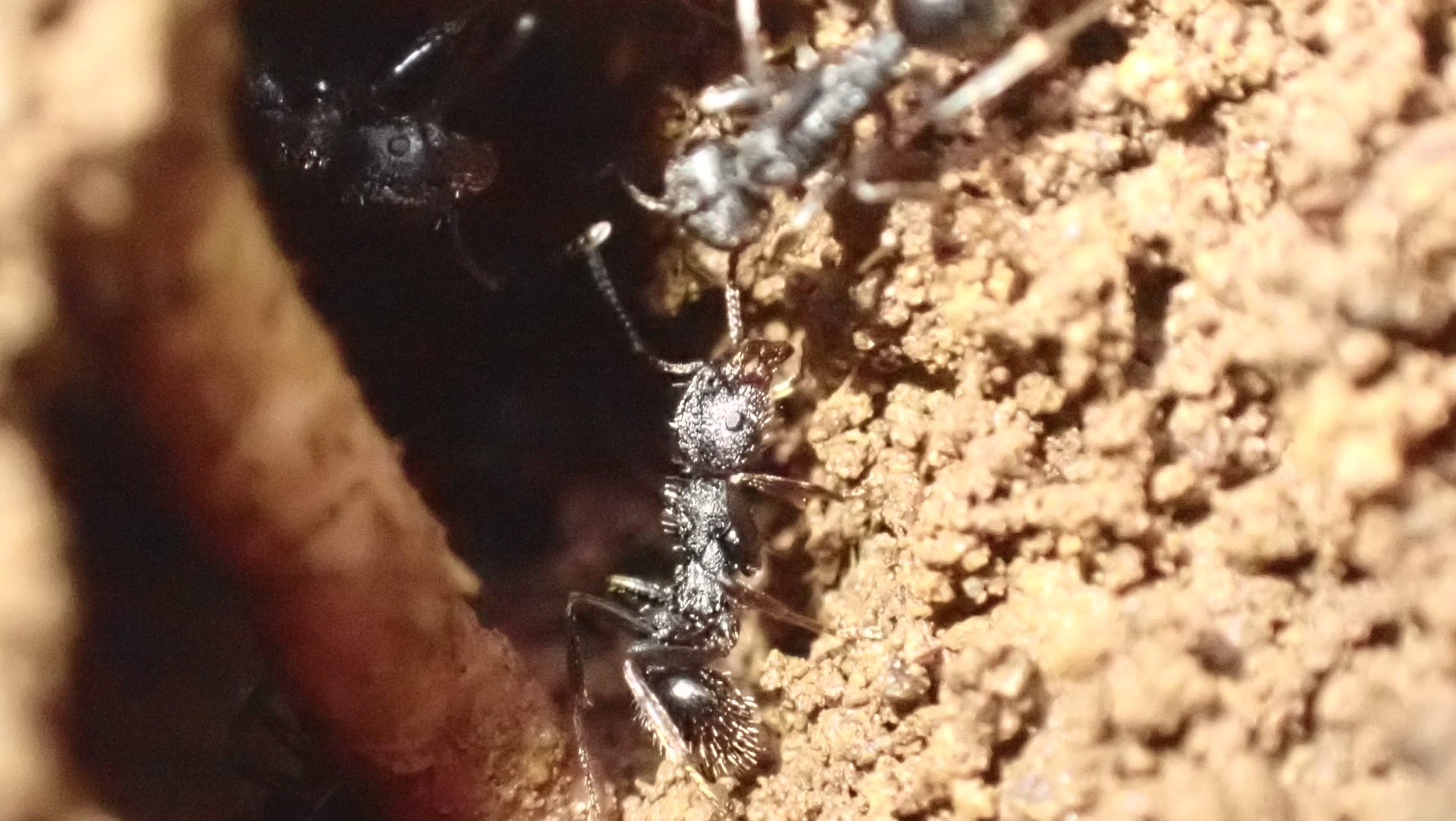
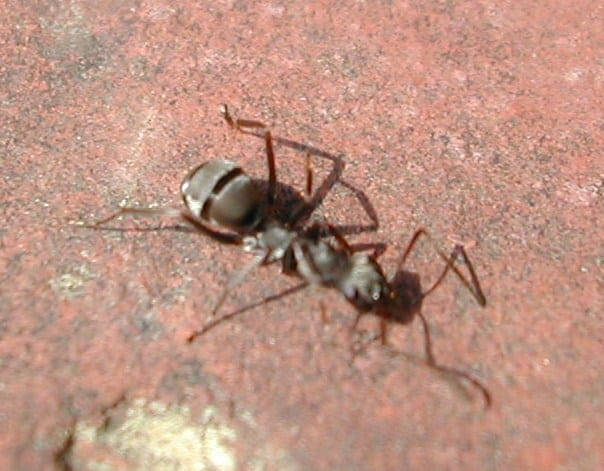
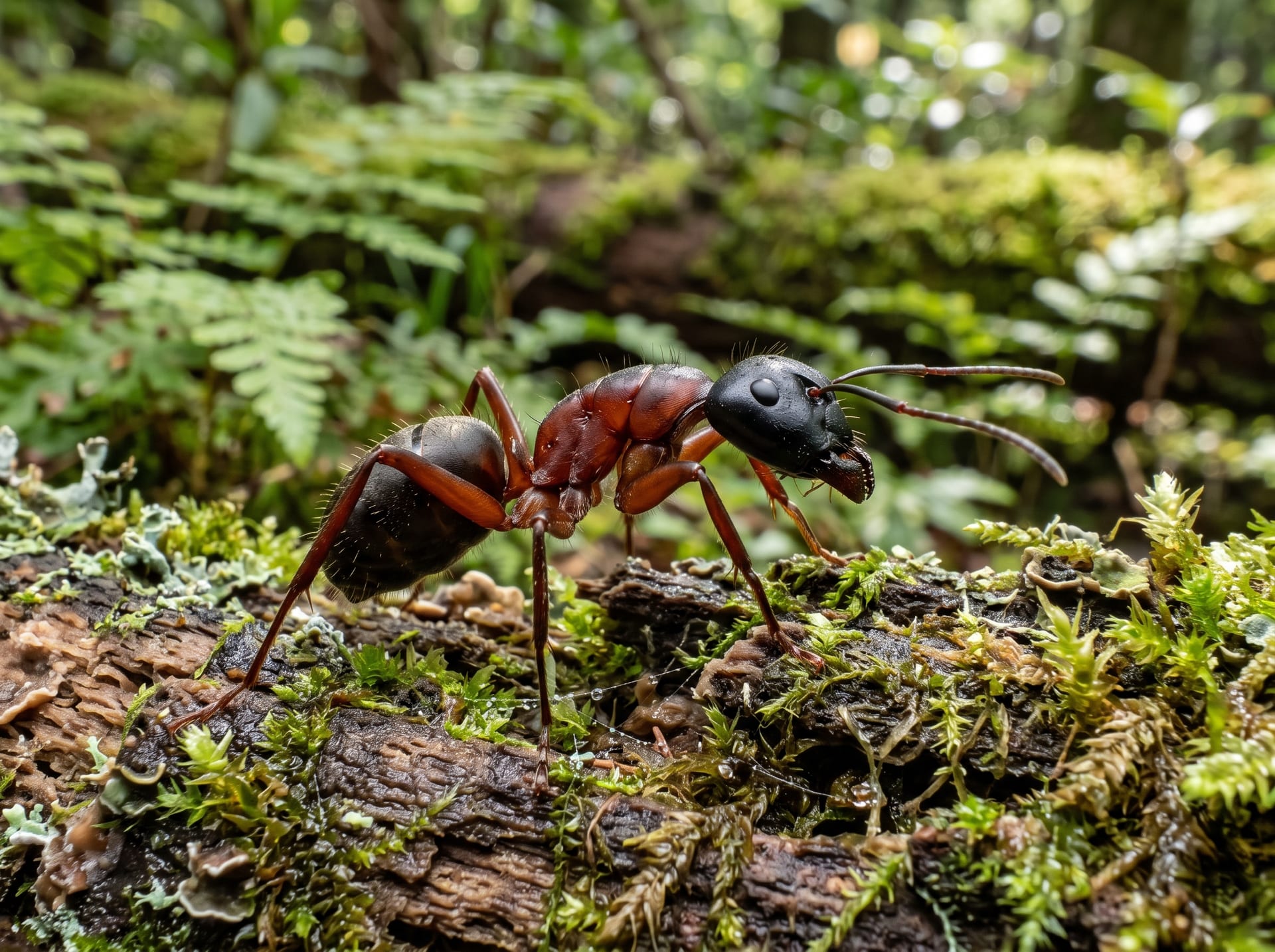
A large carpenter ant with a red mesosoma and petiole. A forest species nesting in rotten wood and, alongside C. japonicus, one of the most popular ants in the hobby. New queens are traded in early summer.
Difficulty
Beginner
Temperature
23〜25℃
Lifespan
Queens 10-20 years
Size
Workers 7-12mm, queens 16-17mm
Humidity
60〜80%
Diet
Sugar water or insect jelly plus insects (omnivorous)
About
The red-chested carpenter ant (Camponotus obscuripes) is a large carpenter ant distributed from Hokkaido to Kyushu, Tsushima and Yakushima, and abroad in the Kuril Islands and Sakhalin. Workers measure 7-12mm and queens 16-17mm; the head and gaster are black while the mesosoma and petiole are red. A forest species, it nests in rotten logs and dead parts of standing trees from lowlands to mountains above 2,000m. Alates fly in May-June in lowlands and as late as August in the mountains; queens that emerge in autumn do not fly until the following year. It is omnivorous, tending aphids for honeydew and taking insects, and mature colonies reach several hundred to about a thousand workers. Second only to C. japonicus in popularity, it is easy to manage in a plaster nest kept at moderate humidity. Keepers usually start from a new queen traded in early summer; queens are reported to live 10-20 years.
Source: Wikipedia (CC BY-SA 4.0)
Lifespan of the Red-chested Carpenter Ant
The Red-chested Carpenter Ant lives Queens 10-20 years.
Size of the Red-chested Carpenter Ant
The Red-chested Carpenter Ant grows to Workers 7-12mm, queens 16-17mm.
Temperature & humidity for the Red-chested Carpenter Ant
The ideal temperature for the Red-chested Carpenter Ant is 23〜25℃.
Basic Info
Origin
Hokkaido to Kyushu, Tsushima, Yakushima; Kuril Islands, Sakhalin
Lifespan
Care Specifications
PeacefulGroupBreeding: Easy
Sources: AntRoom: How to keep ants (JP) / Wikipedia (ja): ムネアカオオアリ / Japanese Ant Image Database (ムネアカオオアリ)
References & Sources
Edited & verified by: BreederDirect editorial team
The taxonomic, regulatory, and husbandry data on this page are compiled and verified against the authoritative primary sources below.
Taxonomy & Authority
Accepted name: Camponotus obscuripes Mayr, 1879
Authority databases: GBIF
Nomenclature follows global taxonomic authority databases.
Regulations & Conservation Status
Not CITES-listed
Sources: CITES Appendices (species not listed)
Regulations may change. Always verify the latest information with the relevant authorities.
Red-chested Carpenter Ant Listings
Loading latest listingsFind listings for this species