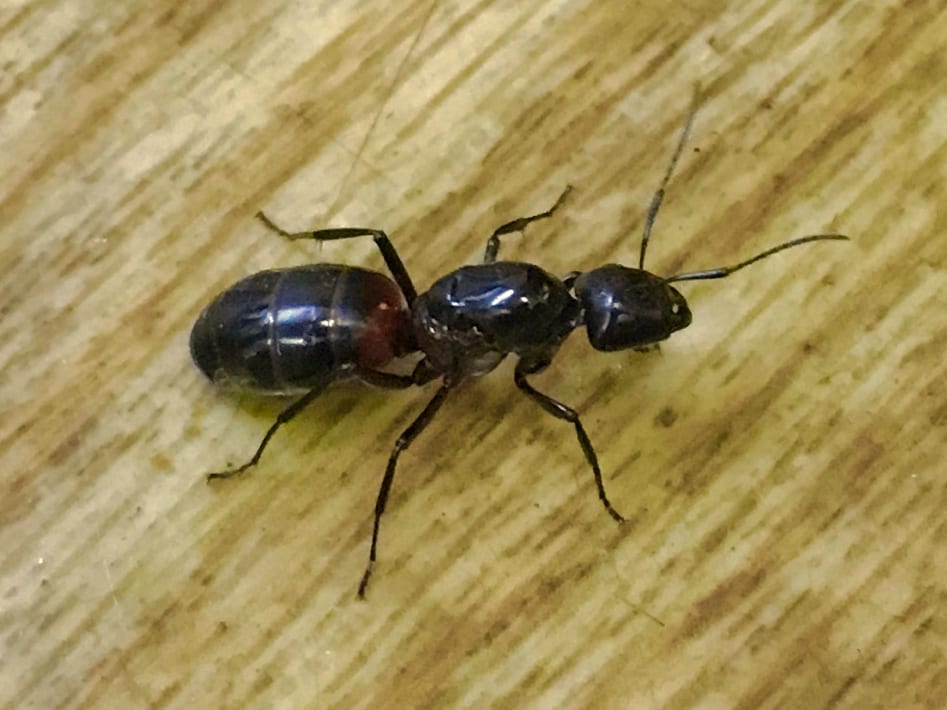
 © KKPCW / CC BY-SA 4.0
Red-chested Carpenter Ant
The Red-chested Carpenter Ant is a large carpenter ant named for the reddish tone of its thorax and petiole. Native to Japanese forests, it nests inside decaying wood and ranks alongside the Japanese carpenter ant as one of the most popular species among ant keepers. New queens become available in early summer, and a queen can live for an impressive 10 to 20 years in captivity. Workers measure 7-12mm while queens reach 16-17mm, giving colonies a striking size contrast as they grow. Active and engaging to watch, this species suits beginners well.
View Red-chested Carpenter Ant encyclopedia →0% commission on your first sales!Register by September 30, 2026 and your first 2 sales are commission-free!
Breeder Wanted!
List on BreederDirect and sell directly to customers nationwide!
6 Transparency Standards You Can Trust
When listing Insects, Breeders disclose the following. We guarantee transparency on growth stage and breeding unit.
- Life Stage Clarity
- Generation Info
- Real Photos
- Breeding Unit
- Country of Origin
- Body Length (mm)
Browse all 296 breeds
Verified breeders wanted for Insects
Breeders are signing up now ahead of launch. Subscribe to be notified when new listings go live.
Getting alerts is free with a member account. When new listings match your saved search, we'll notify you by email and in-app.
Browse other categories
Verified breeders (preview)
About Red-chested Carpenter Ant
Red-chested Carpenter Ant care guide: a beginner-friendly forest species that nests in decaying wood, with long-lived queens reaching 10-20 years old.
7 things to know before welcoming a Red-chested Carpenter Ant
1Beginner-Friendly Species
This species tolerates typical husbandry conditions well, making it a solid choice for first-time ant keepers. Keep temperature stable and feed on a regular rhythm, and the colony will grow steadily.
2Nests in Decaying Wood
In the wild, this forest-dwelling ant tunnels through decaying wood to build its nest. Providing moisture-retentive nesting material and attention to humidity in captivity helps mimic its natural habitat.
3Active but Assertive
Workers are lively and fun to watch, but the species has a somewhat assertive temperament and may bite if provoked. Handle them calmly and avoid startling the ants.
4New Queens Arrive in Early Summer
New queens typically become available in early summer, right after their nuptial flight. Keep in mind that they aren't available to acquire year-round.
5Queens Can Live 10-20 Years
Given the right conditions, queens can live for 10 to 20 years. Colonies grow slowly over several years, so plan for long-term care rather than quick results.
6Clear Size Difference by Caste
Workers measure 7-12mm while queens reach 16-17mm, a clear size contrast that reflects their different roles within the colony. Worker size also varies somewhat as the colony matures.
7Prepare the Nest Before Arrival
Before bringing your ants home, set up a nest area that can hold humidity along with a separate foraging area. Having a space where you can easily check feeding needs and nest moisture makes the first weeks much smoother.
Frequently asked questions about Red-chested Carpenter Ant
- Q.Can beginners keep this ant species?
- A.Yes, it's hardy and easy to manage, making it a great starter species for ant keeping. Following basic temperature and humidity guidelines along with a steady feeding schedule is enough to raise a stable colony.
- Q.When can I get a queen ant?
- A.New queens typically become available in early summer, following their nuptial flight. They aren't available year-round, so timing matters.
- Q.Do they bite?
- A.Their temperament is somewhat assertive, and they may bite if startled or provoked. Handle them calmly and avoid unnecessary disturbance.
- Q.What kind of nest setup do they need?
- A.As a forest species that nests in decaying wood, they do best with nesting material and an environment that retains humidity. Check regularly to make sure the nest doesn't dry out.
- Q.How long can I expect to keep this species?
- A.Under good conditions, queens are reported to live 10 to 20 years. Since colonies grow slowly over several years, this species is best suited to long-term care.
Useful tools for Red-chested Carpenter Ant care
Learn more about Red-chested Carpenter Ant in the encyclopedia
View Red-chested Carpenter Ant encyclopedia entry →
Care difficulty, lifespan, size and diet — all basics covered.
More in this category
Can't find the one you're looking for?
Post your wishes for free and breeders with matching animals will contact you with introductions.