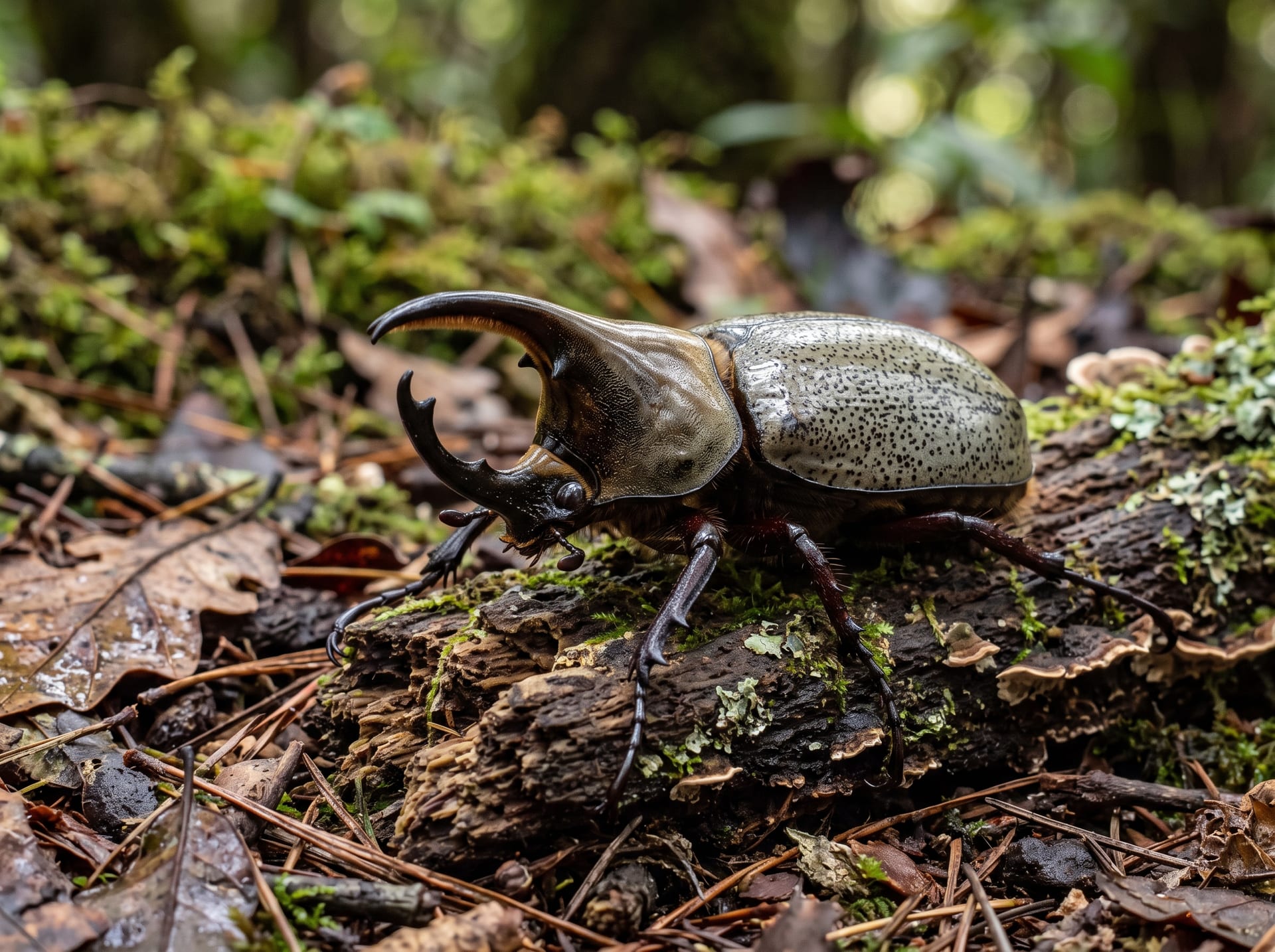
Miyashita's Rhinoceros Beetle
Miyashita's Rhinoceros Beetle is a white-horned beetle native to Mexico's Pacific coast. Originally described as a subgroup within the Hilus complex, it was classified as a distinct species in 2004, though some taxonomies still treat it as synonymous with Hilus. Males display an impressive horn that makes them a striking sight, and the species is considered suitable for keepers with some prior beetle-keeping experience. It rewards those who enjoy observing its behavior closely over time.
View Miyashita's Rhinoceros Beetle encyclopedia →0% commission on your first sales!Register by September 30, 2026 and your first 2 sales are commission-free!
Breeder Wanted!
List on BreederDirect and sell directly to customers nationwide!
6 Transparency Standards You Can Trust
When listing Insects, Breeders disclose the following. We guarantee transparency on growth stage and breeding unit.
- Life Stage Clarity
- Generation Info
- Real Photos
- Breeding Unit
- Country of Origin
- Body Length (mm)
Browse all 296 breeds
Verified breeders wanted for Insects
Breeders are signing up now ahead of launch. Subscribe to be notified when new listings go live.
Getting alerts is free with a member account. When new listings match your saved search, we'll notify you by email and in-app.
Browse other categories
Verified breeders (preview)
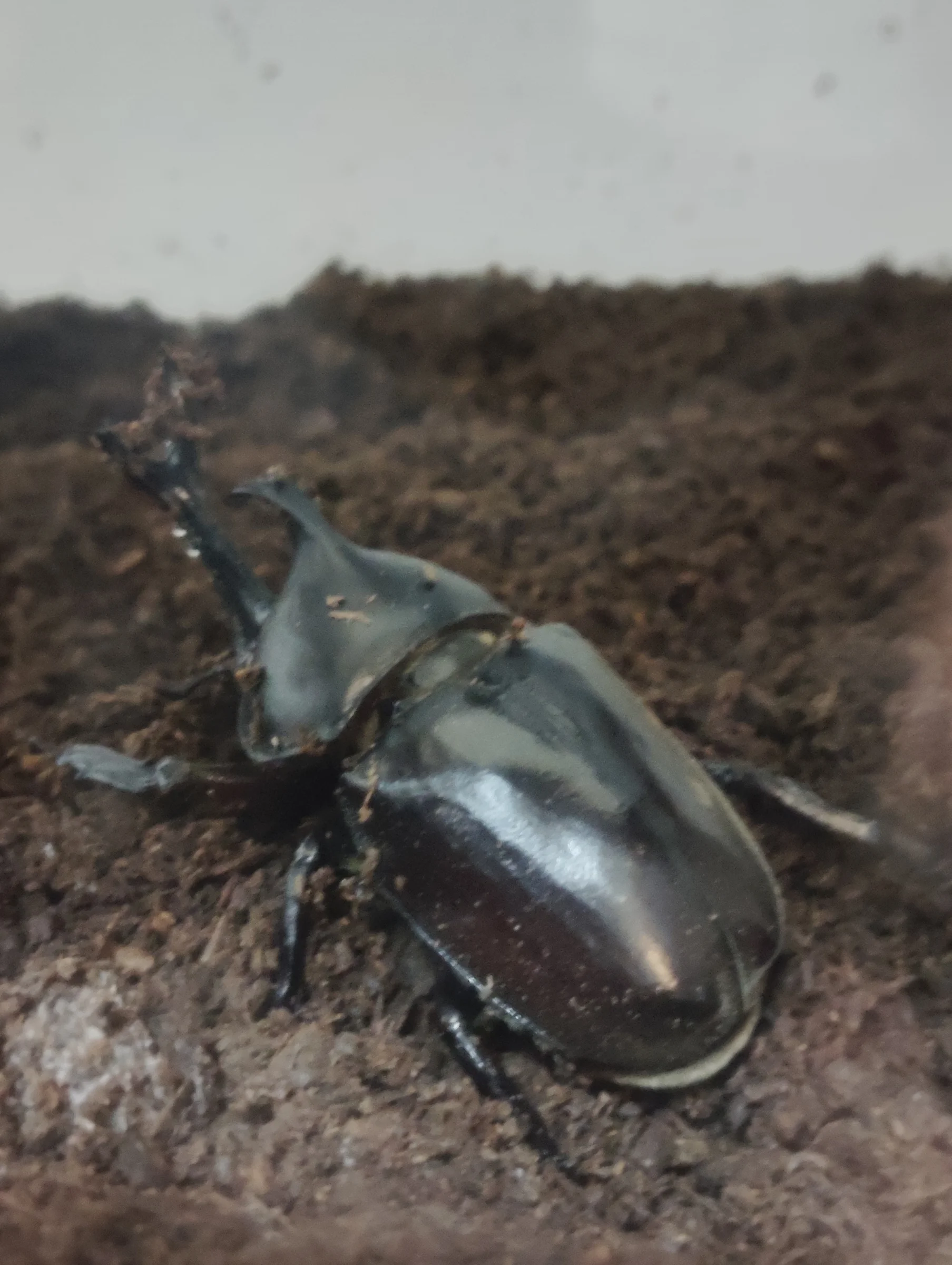
About Miyashita's Rhinoceros Beetle
A white-horned beetle native to Mexico's Pacific coast, known for the male's striking horn and intermediate care requirements.
7 things to know before welcoming a Miyashita's Rhinoceros Beetle
1Know Its Taxonomic Background
This species was formally described in 2004 as distinct from the Hilus rhinoceros beetle, though some databases such as GBIF still list it as a synonym of Hilus. Because naming and classification can vary between sources, it helps to check appearance and locality information alongside the species name when acquiring one.
2Size Difference Between Sexes
Males range from 41 to 95mm, with larger individuals showing an especially impressive horn. Females are smaller and hornless, typically measuring 48 to 52mm with less size variation.
3Intermediate-Level Care
This species is rated as suitable for intermediate keepers. Prior experience with basic rhinoceros beetle husbandry makes day-to-day care — such as humidity management and feeding — considerably easier.
4Setting Up the Enclosure
Before bringing one home, prepare a suitable substrate depth and a setup where temperature and humidity can be managed consistently. Deciding on placement and care routines in advance makes the transition smoother once the beetle arrives.
5Keep Males Separated
As with rhinoceros beetles generally, housing multiple males together can lead to horn-driven conflicts. Keeping them individually — or pairing under careful supervision — is the standard approach.
6Daily Health Checks Through Observation
Monitoring activity level, feeding behavior, and substrate condition day to day is the foundation of good health management. Building this observation habit from the start makes it easier to notice changes early.
7Research Before You Bring One Home
Reviewing the listing details and asking the breeder questions about the individual's condition and rearing environment beforehand helps you feel confident. Since this species has some ambiguity in its classification, it's worth clarifying any questions before acquiring one.
Frequently asked questions about Miyashita's Rhinoceros Beetle
- Q.Is Miyashita's Rhinoceros Beetle a different species from the Hilus beetle?
- A.It was described as a distinct species in 2004, but some databases such as GBIF still classify it as a synonym of the Hilus rhinoceros beetle. Its taxonomic status varies depending on the source.
- Q.How large do males grow?
- A.Males range from 41 to 95mm. Larger individuals tend to have more impressive horns, and this wide size variation is one of the species' notable traits.
- Q.Do females have horns too?
- A.Females do not have horns, and they are generally smaller than males, measuring 48 to 52mm with relatively little size variation.
- Q.Can beginners keep this species?
- A.This species is rated as suitable for intermediate keepers. Having some prior experience with rhinoceros beetle care makes ongoing management easier.
- Q.Are there any legal restrictions on this species?
- A.This species is not subject to CITES. There are no other legal restrictions to note in this regard.
Useful tools for Miyashita's Rhinoceros Beetle care
Learn more about Miyashita's Rhinoceros Beetle in the encyclopedia
View Miyashita's Rhinoceros Beetle encyclopedia entry →
Care difficulty, lifespan, size and diet — all basics covered.
More in this category
Can't find the one you're looking for?
Post your wishes for free and breeders with matching animals will contact you with introductions.