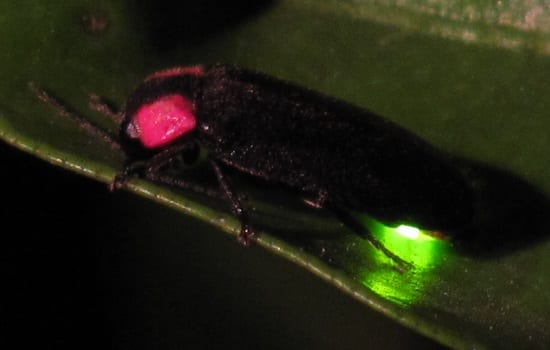
 © yellow_bird_woodstock (Flickr) / CC BY-SA 2.0
Heike Firefly
The Heike firefly is a smaller, aquatic firefly compared to the Genji firefly. Rather than flowing streams, it breeds mainly in still waters such as rice paddies and wetlands, with its larvae feeding underwater on aquatic snails. Its signature charm is the male's flash pattern, noticeably faster than the Genji firefly's, creating a twinkling, star-like effect that has long captivated onlookers. Because it can turn up in familiar wetland environments, it has traditionally been a well-loved sight. Keeping them well calls for consistent attention to water quality and temperature, making this a species suited to keepers who enjoy hands-on care.
View Heike Firefly encyclopedia →0% commission on your first sales!Register by September 30, 2026 and your first 2 sales are commission-free!
Breeder Wanted!
List on BreederDirect and sell directly to customers nationwide!
6 Transparency Standards You Can Trust
When listing Insects, Breeders disclose the following. We guarantee transparency on growth stage and breeding unit.
- Life Stage Clarity
- Generation Info
- Real Photos
- Breeding Unit
- Country of Origin
- Body Length (mm)
Browse all 296 breeds
Verified breeders wanted for Insects
Breeders are signing up now ahead of launch. Subscribe to be notified when new listings go live.
Getting alerts is free with a member account. When new listings match your saved search, we'll notify you by email and in-app.
Browse other categories
Verified breeders (preview)
Heike Firefly key facts
- Care level
- Intermediate
- Lifespan
- Adults about 1 month
- Size
- Males 6.5-9.5mm, females 7.5-10.5mm
- Diet
- Larvae eat pond snails such as Radix; adults take only water
- Temperature & Humidity
- It grows in still water and does not need the current the genji firefly requires, but a land area standing in for the soil and stubble the larvae overwinter in should be provided.
- Breeding & Egg-laying
- The larvae feed on pond snails living in still water, so food is easier to secure than the stream-dwelling snails the genji firefly needs. Third and fourth instar larvae overwinter in soil and stubble, and on Honshu, Shikoku and Kyushu most individuals mature in less than a year.
- Cohabitation
- Adults communicate by flashing, so several are kept together for viewing. The two species often emerge in the same water in the wild, but mixing them in captivity makes the flash patterns hard to follow.
- Lifespan & Rearing Period
- The flight season is long, with adults on the wing from April to November and numbers greatest from June to August. It does not emerge in a short concentrated burst as the genji firefly does, and densities stay correspondingly low.
- Health & Notes
- It is vulnerable to pesticides applied to rice paddies, and although it was once common around them its habitat has narrowed. As with the genji firefly, do not release stock of a different lineage into the wild.
About Heike Firefly
The Heike firefly is a small aquatic firefly living in still waters like rice paddies and wetlands, known for its fast, star-like flashing. Suited to keepers who enjoy careful water quality management.
7 things to know before welcoming a Heike Firefly
1Compact Body Size
Heike fireflies are compact, with males around 6.5-9.5mm and females around 7.5-10.5mm, smaller than the Genji firefly. Their small size calls for gentle handling and a carefully sized enclosure.
2Prefers Still Water
Unlike species that favor flowing streams, Heike fireflies breed mainly in still waters such as rice paddies and wetlands. In captivity, avoid strong water flow and keep the surface calm.
3Larvae Eat Snails
Larvae feed on aquatic snails such as Radix and Physa species. Being able to keep a steady supply of these snails is key to raising them successfully.
4Adults Don't Eat
Once they become adults, Heike fireflies no longer eat solid food and live mainly on moisture. Feeding preparation should focus on the larval stage rather than adulthood.
5Flashing Is Courtship
The flashing light is the male's courtship signal to females. Heike fireflies flash noticeably faster than Genji fireflies, creating a twinkling, star-like effect unique to this species.
6Water Quality Is Key
This species suits intermediate keepers mainly because larval-stage water quality and temperature need careful, consistent management. Avoid sudden changes in water conditions and keep the environment clean.
7Prepare the Habitat First
As larvae mature, they leave the water and pupate in moist soil on land. Before bringing them home, prepare both a water area and a suitably moist land area in advance.
Frequently asked questions about Heike Firefly
- Q.How is the Heike firefly different from the Genji firefly?
- A.The main differences are habitat and flash pattern. The Heike firefly favors still waters like rice paddies and wetlands, is smaller in body size, and flashes at a noticeably faster tempo than the Genji firefly.
- Q.Is it difficult to keep at home?
- A.It's considered suitable for intermediate keepers. Careful water quality and temperature management during the larval stage, plus a steady supply of snails for food, are needed, so first-time aquatic insect keepers should learn the basics beforehand.
- Q.What should adults be fed?
- A.Adults have reduced mouthparts and eat almost no solid food. Focus feeding preparation on the larval stage; for adults, simply maintaining a moist environment is enough.
- Q.What do Heike firefly larvae eat?
- A.They prey on aquatic snails such as Radix and Physa species. Being able to reliably supply these snails is key to raising healthy larvae.
- Q.Are there any legal regulations on keeping or importing it?
- A.The Heike firefly is not subject to CITES.
Useful tools for Heike Firefly care
Learn more about Heike Firefly in the encyclopedia
View Heike Firefly encyclopedia entry →
Care difficulty, lifespan, size and diet — all basics covered.
More in this category
Can't find the one you're looking for?
Post your wishes for free and breeders with matching animals will contact you with introductions.