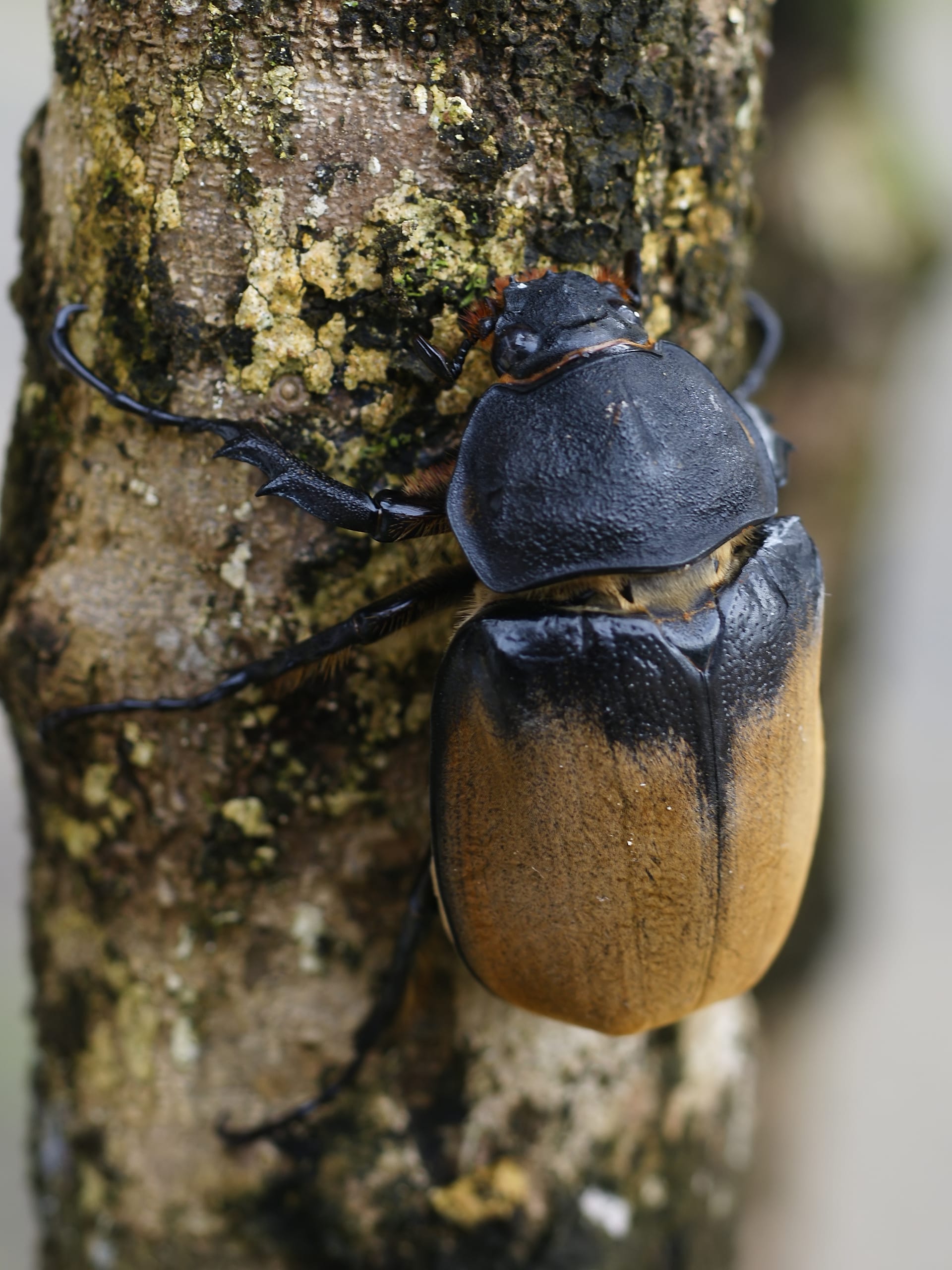
 © Hans Hillewaert / CC BY-SA 4.0
Hercules Septentrionalis
Hercules Septentrionalis is a subspecies of the Hercules beetle native to Central America, ranging from southern Mexico to northern Panama. Its subspecies name means "northern," reflecting its position at the northern edge of the Hercules beetle's range. The standout feature is the male's thoracic horn — slender yet distinctly curved near its base, giving the beetle a striking silhouette, while the black markings on its forewings tend to be larger than average, adding to its bold presence. Males can reach an impressive 70–158mm. Because keeping this species well requires real skill with temperature and humidity control, it's generally considered a beetle best suited to experienced keepers.
View Hercules Septentrionalis encyclopedia →0% commission on your first sales!Register by September 30, 2026 and your first 2 sales are commission-free!
Breeder Wanted!
List on BreederDirect and sell directly to customers nationwide!
6 Transparency Standards You Can Trust
When listing Insects, Breeders disclose the following. We guarantee transparency on growth stage and breeding unit.
- Life Stage Clarity
- Generation Info
- Real Photos
- Breeding Unit
- Country of Origin
- Body Length (mm)
Browse all 296 breeds
Verified breeders wanted for Insects
Breeders are signing up now ahead of launch. Subscribe to be notified when new listings go live.
Getting alerts is free with a member account. When new listings match your saved search, we'll notify you by email and in-app.
Browse other categories
Verified breeders (preview)
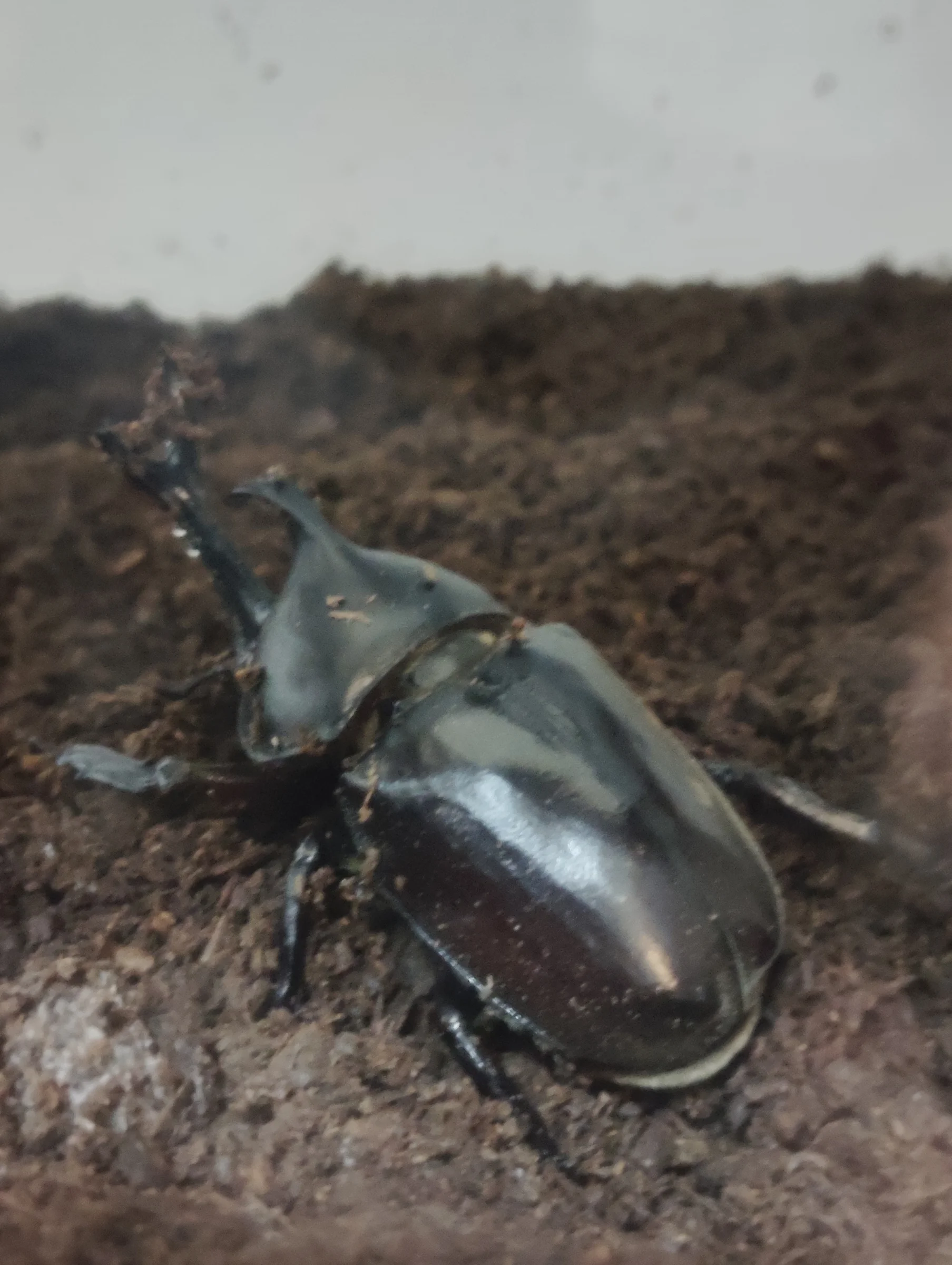
About Hercules Septentrionalis
A Hercules beetle subspecies from southern Mexico to northern Panama, known for its slender curved horn and bold forewing markings. Males reach up to 158mm; best suited to experienced keepers.
7 things to know before welcoming a Hercules Septentrionalis
1A Distinctive Curved Horn
The male's thoracic horn is slender yet curves noticeably at its base, a shape unique to this subspecies. It's a real highlight for anyone drawn to horn shape and structure.
2Best Suited to Experienced Keepers
Maintaining the right temperature and humidity takes real experience, which is why this species is considered advanced-level. If this is your first large beetle, research the basics thoroughly before bringing one home.
3How Long Adults Are Active
Adults typically live around 8 to 12 months. After emerging, they need time for their exoskeleton to harden, so give them time before expecting much activity.
4An Enclosure Sized for Its Body
Males grow to a substantial 70–158mm, so provide an enclosure roomy enough for them to move and stretch freely. Individuals with longer horns benefit from extra clearance in the layout.
5Differences Between Males and Females
Males carry the large thoracic horn and reach 70–158mm, while females are hornless and noticeably smaller at 55–70mm. It helps to decide in advance whether you're drawn to a male or a female.
6The Black Markings on Its Forewings
The forewings carry comparatively large black markings that stand out against the body. Many keepers enjoy comparing how these markings vary from one individual to the next.
7A Generally Calm Temperament
Despite its size, this beetle is generally calm and rarely turns aggressive unless provoked. That said, it's quite strong, so be careful of drops when picking it up.
Frequently asked questions about Hercules Septentrionalis
- Q.Can a beginner keep this beetle?
- A.This species is considered suited to experienced keepers, so it can be a challenge if it's your first large beetle. Learning the basics of temperature and humidity management beforehand is recommended.
- Q.How do males and females differ in appearance?
- A.Males have a slender, curved thoracic horn and grow to 70–158mm, while females are hornless and somewhat smaller at 55–70mm. The prominence of the black forewing markings also varies between individuals.
- Q.How long do adults live?
- A.Adults typically live for around 8 to 12 months. This can vary somewhat depending on care conditions.
- Q.How does it differ from other Hercules beetles?
- A.As its subspecies name "northern" suggests, it occupies the northern part of the Hercules beetle's range, from southern Mexico to northern Panama. Key identifying traits include a slender horn that curves clearly at its base and comparatively large black forewing markings.
- Q.Are there legal restrictions on keeping or buying it?
- A.Hercules Septentrionalis is not subject to CITES. You can consider keeping it with that in mind.
Useful tools for Hercules Septentrionalis care
Learn more about Hercules Septentrionalis in the encyclopedia
View Hercules Septentrionalis encyclopedia entry →
Care difficulty, lifespan, size and diet — all basics covered.
More in this category
Can't find the one you're looking for?
Post your wishes for free and breeders with matching animals will contact you with introductions.