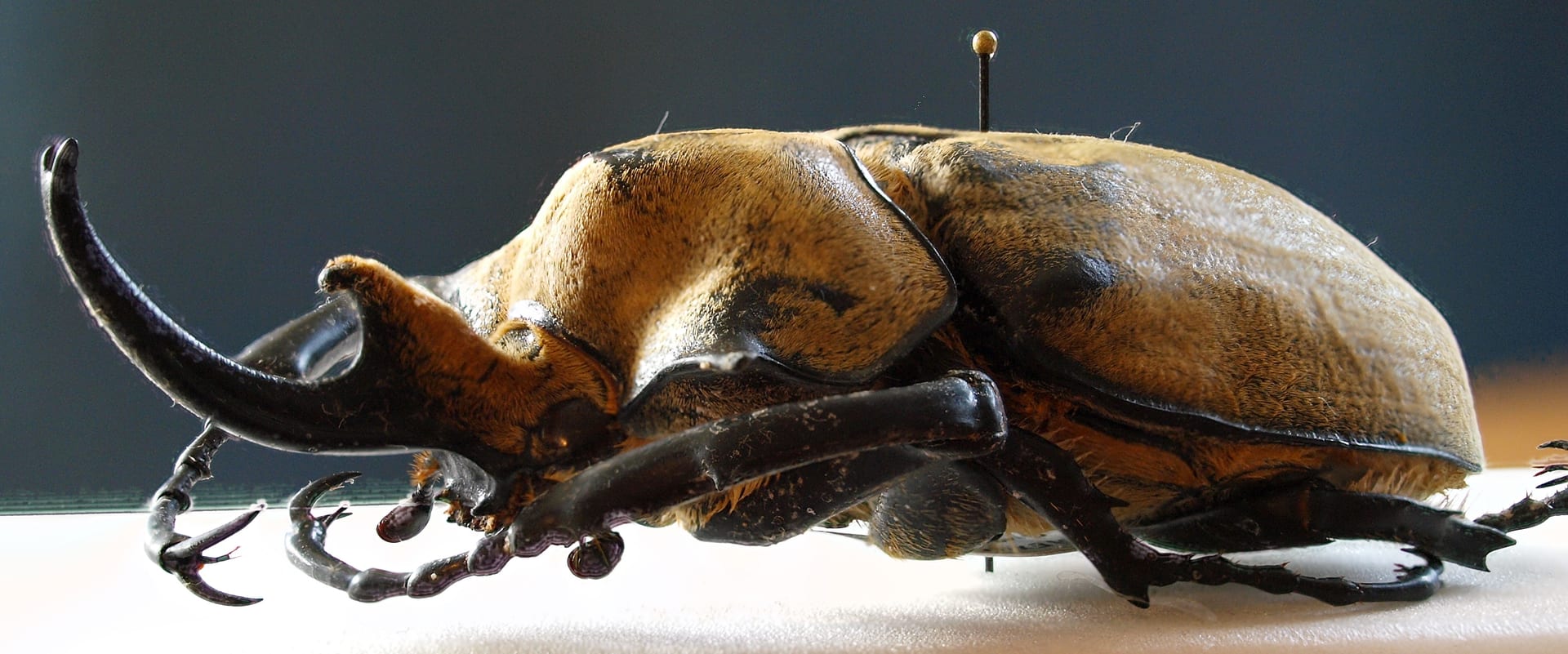
 © JohnSka / CC BY-SA 3.0
Occidentalis Elephant Beetle
The Occidentalis Elephant Beetle is a large rhinoceros beetle native to Mexico's Pacific coast. Once classified as a subspecies of the Elephant Beetle, it's now recognized as its own species. Its standout feature is a thorax horn that juts out sideways in a distinctive shape, paired with a notably pale body color. Males can grow past 127mm, giving this beetle real presence among elephant beetles. With a larval stage lasting two to three years, raising one takes patience — but watching that slow growth is part of the appeal. This striking species suits keepers who already have some beetle-rearing experience under their belt.
View Occidentalis Elephant Beetle encyclopedia →0% commission on your first sales!Register by September 30, 2026 and your first 2 sales are commission-free!
Breeder Wanted!
List on BreederDirect and sell directly to customers nationwide!
6 Transparency Standards You Can Trust
When listing Insects, Breeders disclose the following. We guarantee transparency on growth stage and breeding unit.
- Life Stage Clarity
- Generation Info
- Real Photos
- Breeding Unit
- Country of Origin
- Body Length (mm)
Browse all 296 breeds
Verified breeders wanted for Insects
Breeders are signing up now ahead of launch. Subscribe to be notified when new listings go live.
Getting alerts is free with a member account. When new listings match your saved search, we'll notify you by email and in-app.
Browse other categories
Verified breeders (preview)
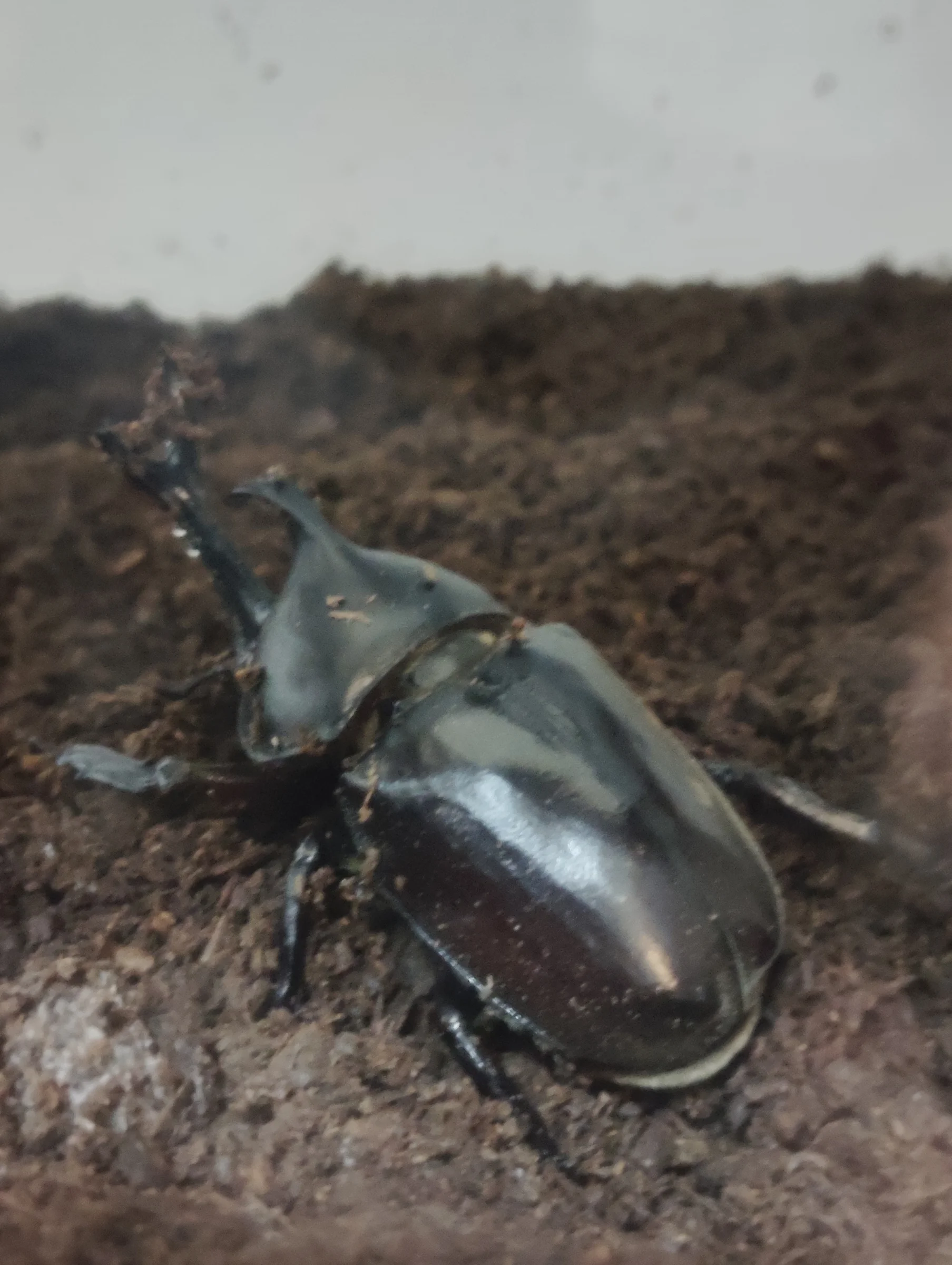
Occidentalis Elephant Beetle key facts
- Care level
- Intermediate
- Lifespan
- Larval period 2-3 years (genus-level figure)
- Size
- Males 70-127.2mm, females 45-75mm
- Temperature
- 18℃
- Diet
- Beetle jelly, ripe fruit; larvae on well-fermented substrate
- Temperature & Humidity
- General rule for foreign beetles: above 18C in winter, below 30C in summer.
- Breeding & Egg-laying
- Eggs are laid in well-fermented substrate. Larvae grow large, so use high-volume containers.
- Cohabitation
- Males fight, so house singly. Cohabit only for pairing.
- Lifespan & Rearing Period
- Larval period is 2-3 years (genus-level figure); long-term temperature control is needed until emergence.
- Health & Notes
- Avoid a dry or waterlogged substrate. Do not cross with M. elephas stock and keep locality labels.
About Occidentalis Elephant Beetle
A large elephant beetle from Mexico's Pacific coast, known for its sideways-jutting horn and pale coloring. Males reach over 127mm; larvae take 2–3 years to mature. Best suited to intermediate keepers.
7 things to know before welcoming a Occidentalis Elephant Beetle
1Males Reach Over 127mm
Males grow to 70–127.2mm while females reach 45–75mm, a sizable gap between the sexes. Only males develop the prominent horn, which becomes fully visible once they reach adulthood.
2A Long Larval Stage
The larval stage typically lasts around two to three years (a general figure for the genus), much longer than their time as adults. Raising one calls for patience while you watch that slow growth unfold.
3Suited to Intermediate Keepers
This species is generally considered suitable for intermediate keepers. Having some prior experience raising beetles makes day-to-day care noticeably easier.
4Once Considered a Subspecies
This beetle was once classified as a subspecies of the Elephant Beetle but is now recognized as its own species. It's native to Mexico's Pacific coast.
5A Sideways-Jutting Horn
A thorax horn that juts out sideways in a bold, distinctive shape is this beetle's signature trait. Its notably pale body color also sets it apart from other elephant beetles.
6Caution When Keeping Multiples
Large males may use their horns to jostle with one another, so care is needed when housing multiple males together. Keeping them individually avoids this concern altogether.
7Prepare Before You Bring One Home
Since adults grow quite large, it's worth preparing a roomy enclosure in advance. With a larval period of two to three years, it's also worth confirming you can commit to their care over the long haul before bringing one home.
Frequently asked questions about Occidentalis Elephant Beetle
- Q.How difficult is it to keep an Occidentalis Elephant Beetle?
- A.It's generally considered suitable for intermediate keepers. Some prior experience raising beetles makes the day-to-day care more manageable.
- Q.How can you tell males and females apart?
- A.Males have a distinctive sideways-jutting horn on the thorax and grow to 70–127.2mm. Females lack the horn and are smaller, reaching about 45–75mm.
- Q.How is it different from the Elephant Beetle?
- A.It was previously treated as a subspecies of the Elephant Beetle but is now classified as its own species. Its Pacific Mexico range, horn shape, and paler body color set it apart.
- Q.How long does it take to reach adulthood?
- A.The larval stage typically takes around two to three years (a general figure for the genus). Raising this beetle means watching its growth unfold over a long stretch of time.
- Q.What does it look like?
- A.Its most distinctive feature is a thorax horn that juts out sideways in a bold shape. The body color is notably pale, making it easy to distinguish from other elephant beetles.
Useful tools for Occidentalis Elephant Beetle care
Learn more about Occidentalis Elephant Beetle in the encyclopedia
View Occidentalis Elephant Beetle encyclopedia entry →
Care difficulty, lifespan, size and diet — all basics covered.
More in this category
Can't find the one you're looking for?
Post your wishes for free and breeders with matching animals will contact you with introductions.