Source: Wikimedia Commons
Occidentalis Elephant Beetle
IntermediateMegasoma occidentalis
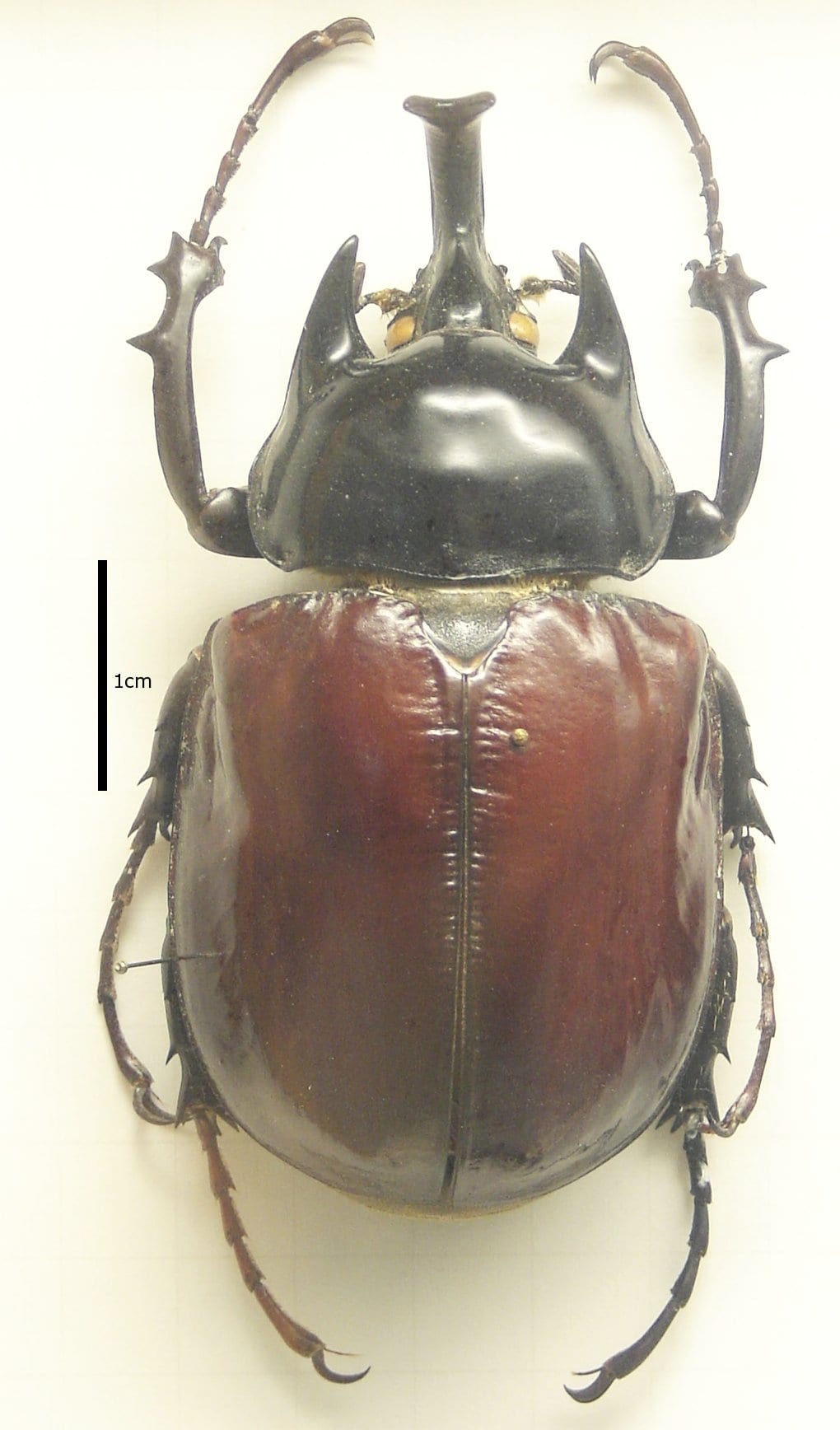
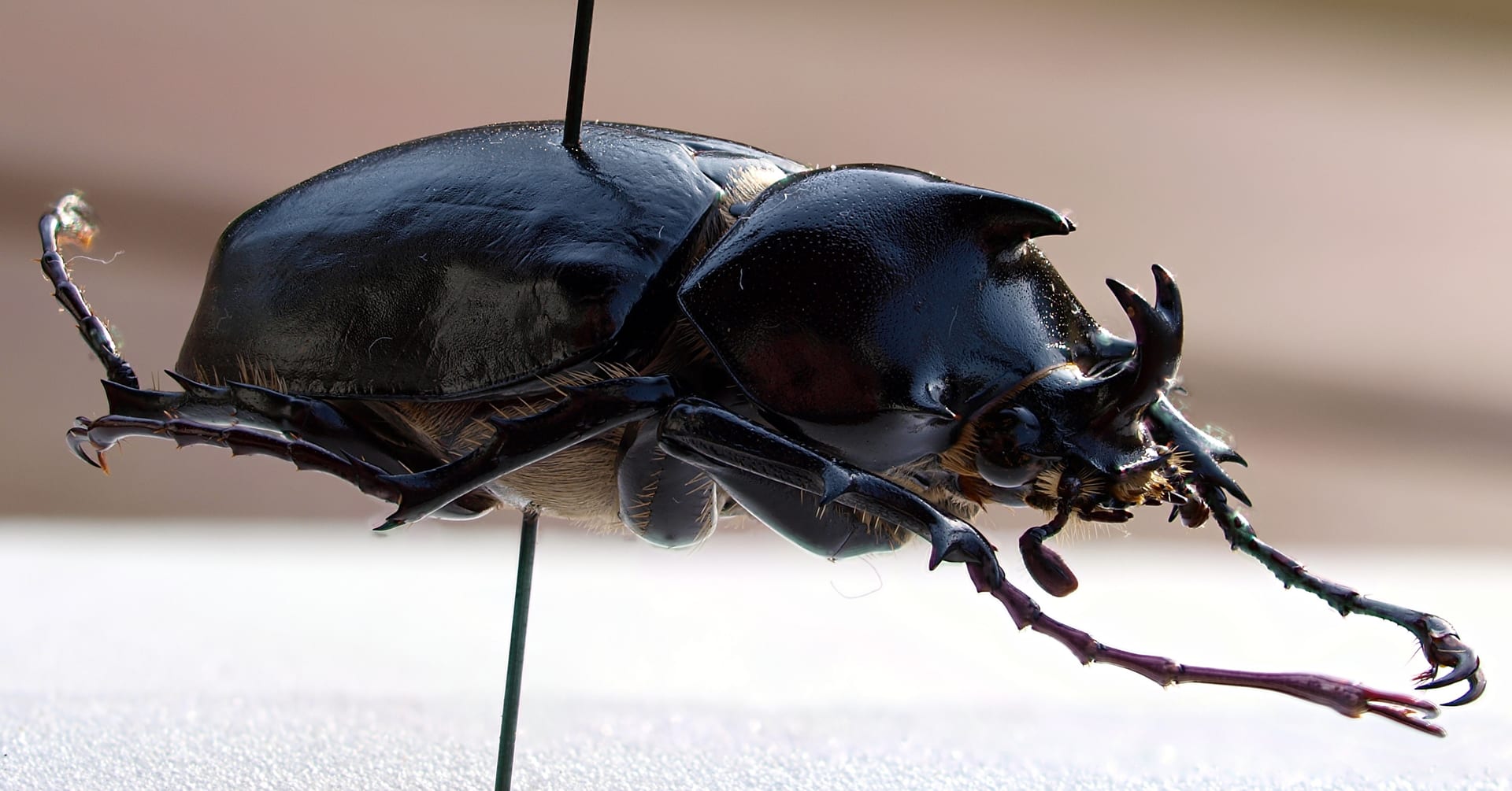
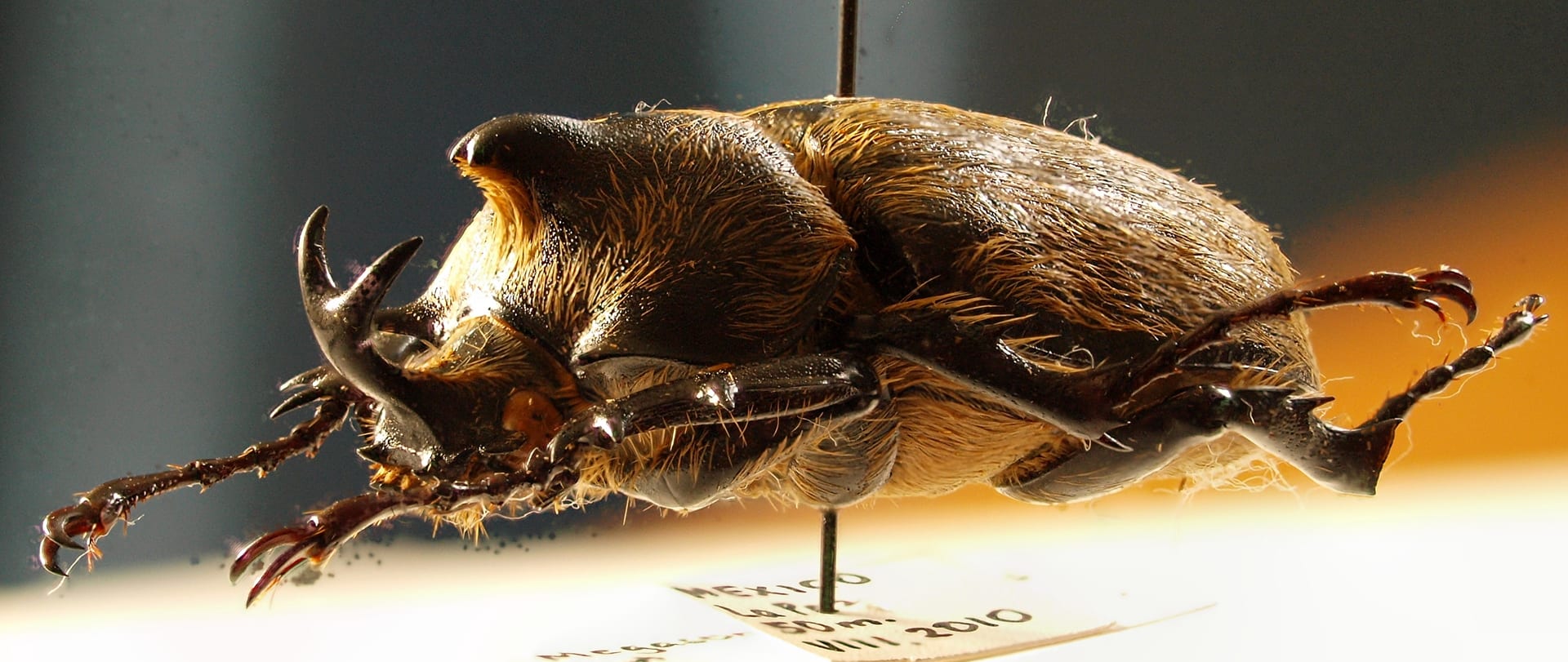
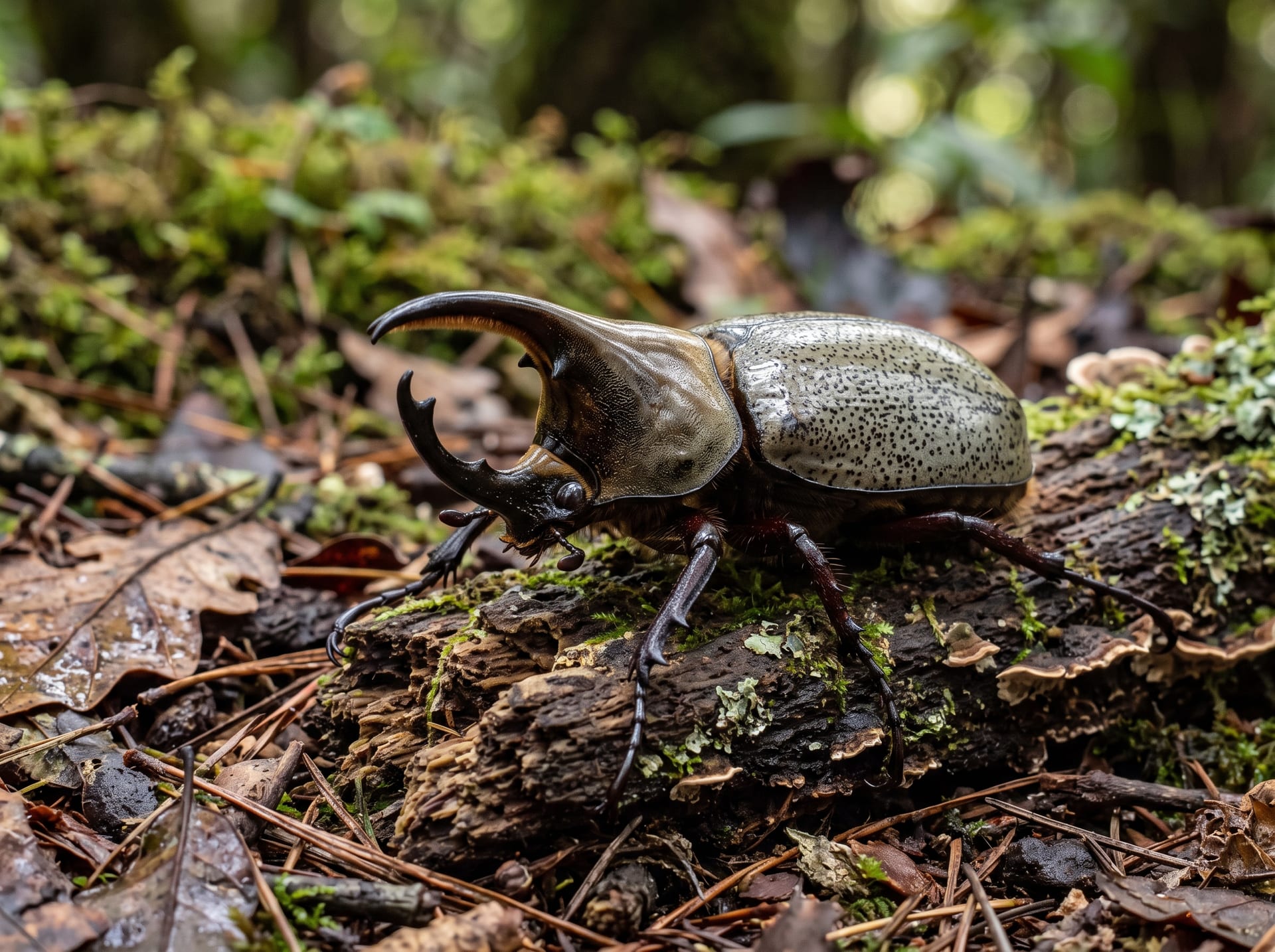
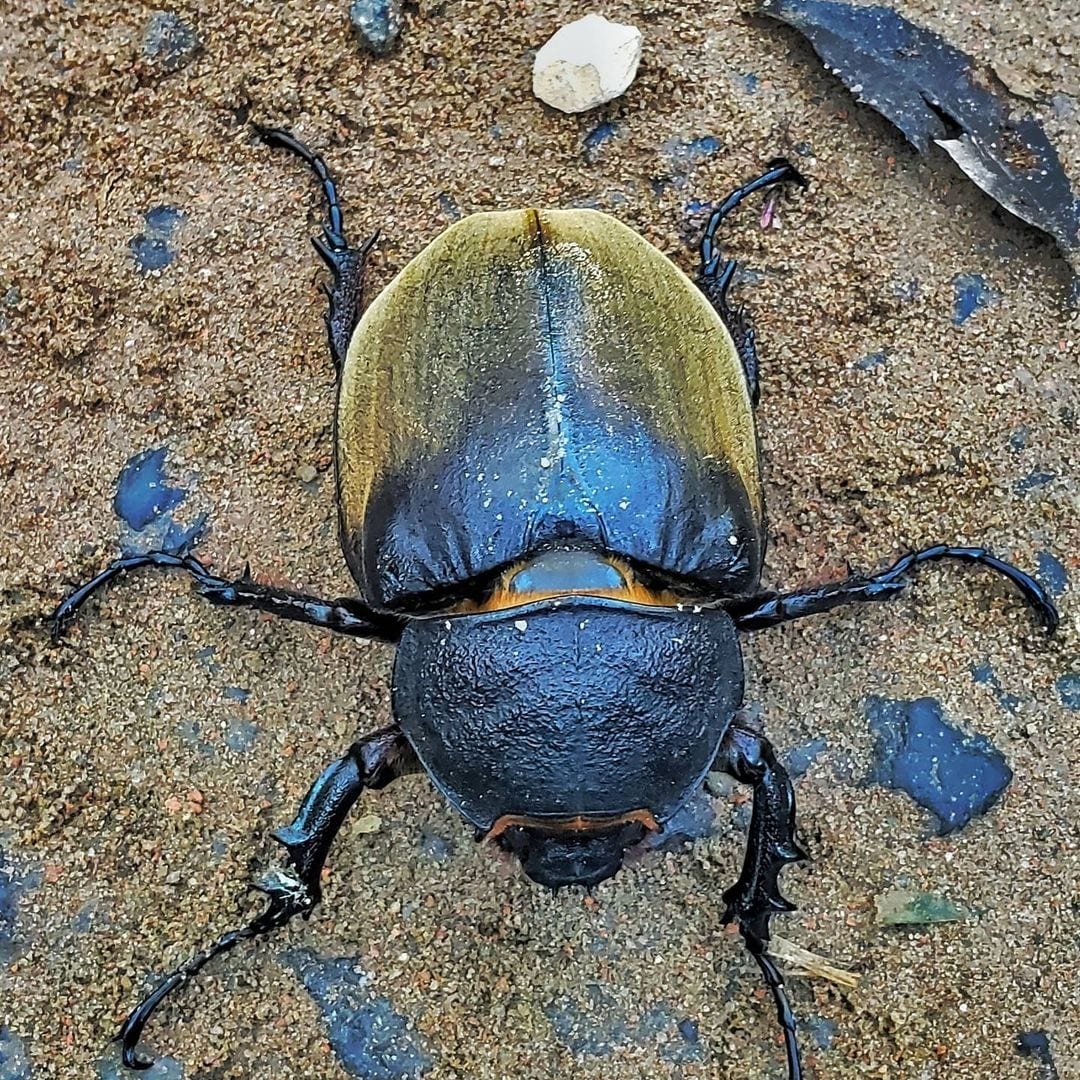
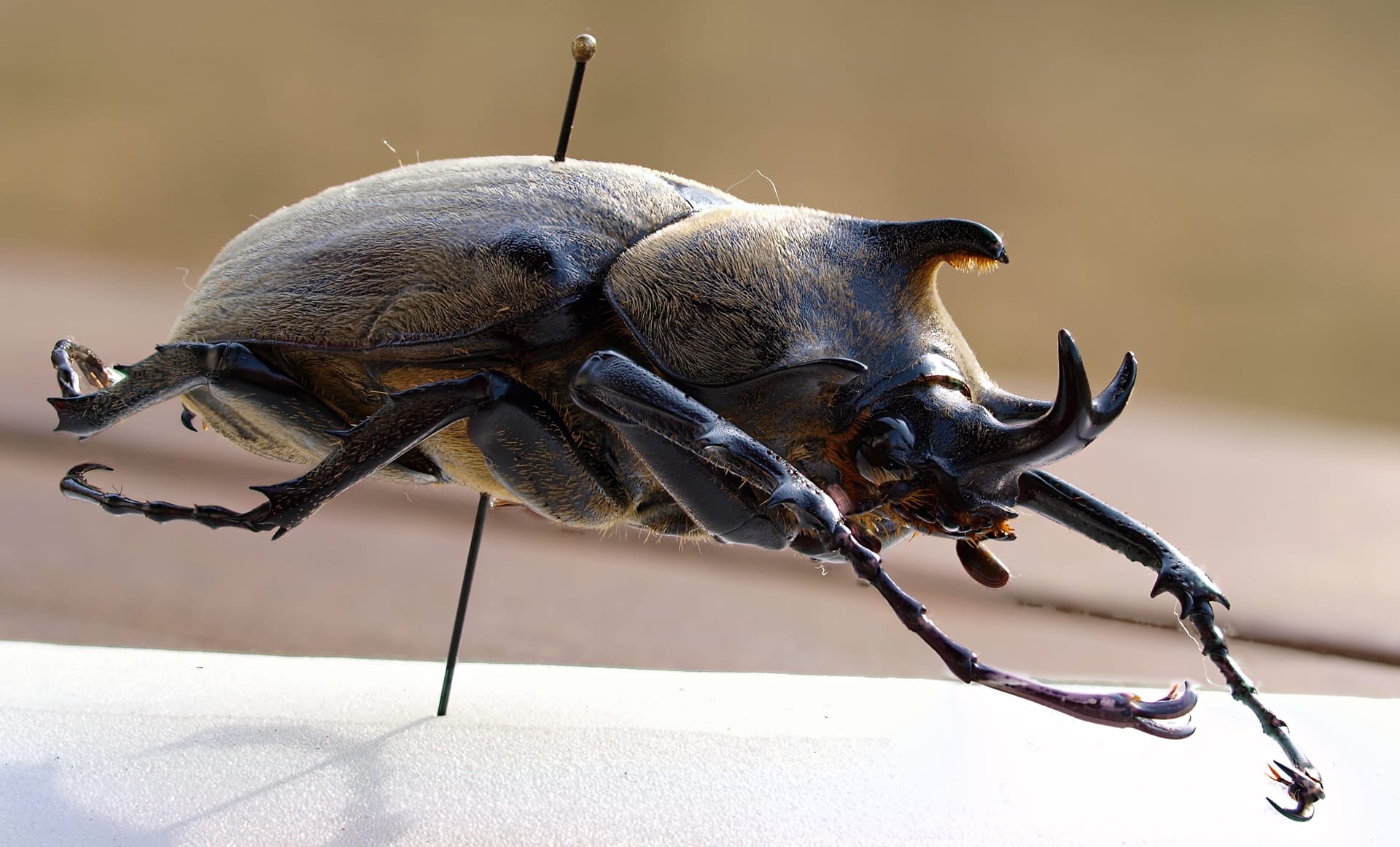
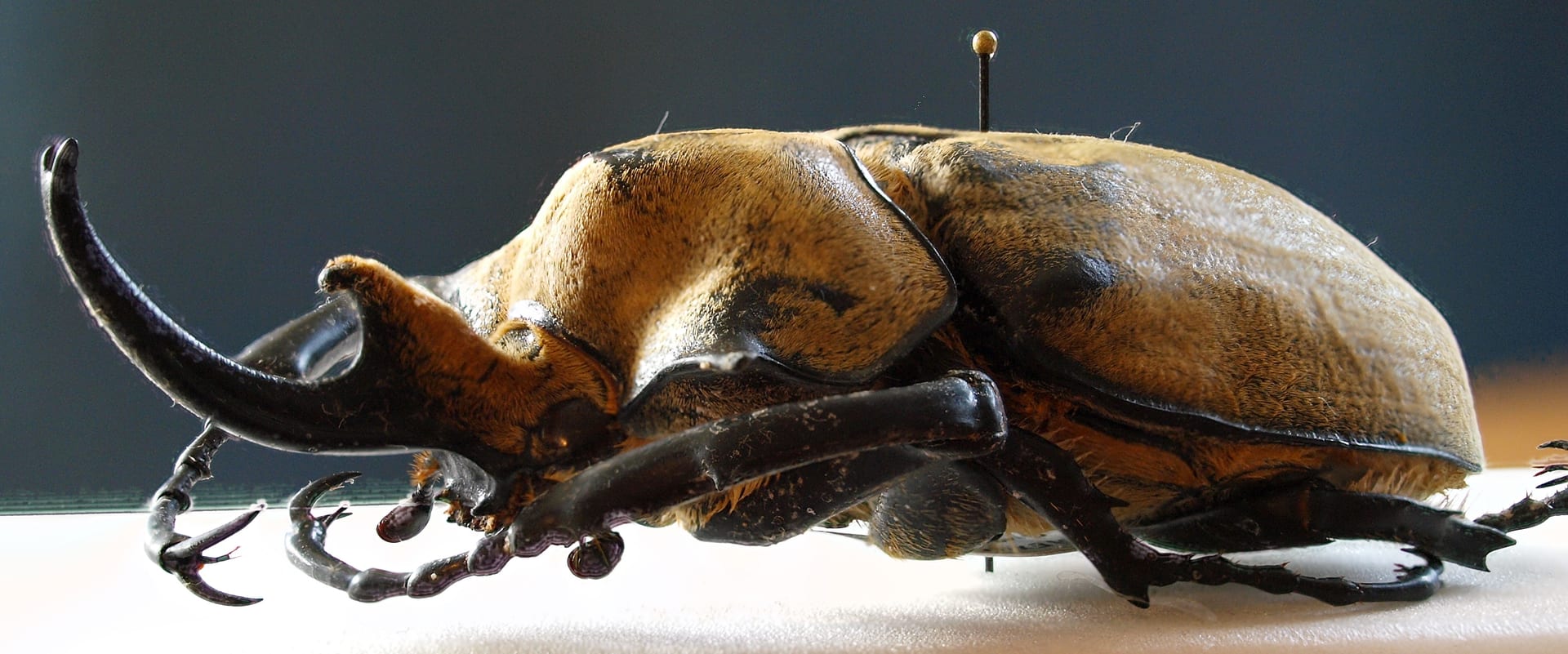
A large elephant beetle of Pacific Mexico, formerly a subspecies of M. elephas. Its pronotal horns point sideways and the colour is paler. Males exceed 127mm at most.
Difficulty
Intermediate
Temperature
18℃
Lifespan
Larval period 2-3 years (genus-level figure)
Size
Males 70-127.2mm, females 45-75mm
Humidity
60〜80%
Diet
Beetle jelly, ripe fruit; larvae on well-fermented substrate
About
The Occidentalis elephant beetle (Megasoma occidentalis) is a large Megasoma of the Pacific slope of Mexico from Sinaloa to Oaxaca, called the Mexican or northern elephant beetle in Japanese sources. Described in 1963 as a subspecies of M. elephas, it was raised to species rank in 2002. It resembles M. elephas but the pronotal front horns point sideways, the colour is paler, and the body bears short recumbent setae. Males measure 70-127.2mm and females 45-75mm. It inhabits tropical deciduous forest from sea level to 700 m; larvae have been found in rotten coconut palm stems, and adults come to lights in November and December. Rearing follows M. elephas, with long-term larval culture in well-fermented substrate; expect the genus-level larval period of 2-3 years. As a general rule for foreign beetles, keep above 18C in winter and avoid heat over 30C. Males fight, so house singly. The BE-KUWA 2025 captive record is 127.2mm (2015).
Source: Wikipedia (CC BY-SA 4.0)
Lifespan of the Occidentalis Elephant Beetle
The Occidentalis Elephant Beetle lives Larval period 2-3 years (genus-level figure).
Size of the Occidentalis Elephant Beetle
The Occidentalis Elephant Beetle grows to Males 70-127.2mm, females 45-75mm.
Temperature & humidity for the Occidentalis Elephant Beetle
The ideal temperature for the Occidentalis Elephant Beetle is 18℃.
Basic Info
Origin
Northwestern Mexico (Pacific slope from Sinaloa to Oaxaca)
Care Specifications
Semi-aggressiveSolitaryBreeding: Moderate
Sources: Beetle Farm: basic rearing guide / Wikipedia (Megasoma, ja) / UNL Generic Guide to New World Scarab Beetles
Breeding Records & Localities
Captive record (♂)
127.2 mm
Record source: BE-KUWA 2025 edition (Megasoma occidentale, captive 127.2 mm, 藤田仁 2015, total length)
Notable localities
Mexico (Sinaloa)Mexico (Oaxaca)
Generation codes
- WD
- Wild-caught
- WF1
- Offspring of a wild-caught female
- F1〜
- Captive generations (same locality)
- CBF1
- Cross-locality captive-bred (reset)
Sources: BE-KUWA rearing records (2025 edition, Mushi-sha) / Wikipedia (Megasoma, ja) / UNL Generic Guide to New World Scarab Beetles
References & Sources
Edited & verified by: BreederDirect editorial team
The taxonomic, regulatory, and husbandry data on this page are compiled and verified against the authoritative primary sources below.
Taxonomy & Authority
Accepted name: Megasoma occidentalis Bolívar y Pieltain, Jiménez-Asúa & Martínez, 1963
Synonyms: Megasoma elephas occidentalis Bolívar y Pieltain, Jiménez-Asúa & Martínez, 1963, Megasoma occidentale
Authority databases: GBIF
Nomenclature follows global taxonomic authority databases.
Regulations & Conservation Status
Not CITES-listed
Sources: CITES Appendices (species not listed) / MOE Japan: import of Scarabaeoidea beetles
Regulations may change. Always verify the latest information with the relevant authorities.
Occidentalis Elephant Beetle Listings
Loading latest listingsFind listings for this species