Source: Wikimedia Commons
Janus Elephant Beetle
IntermediateMegasoma janus
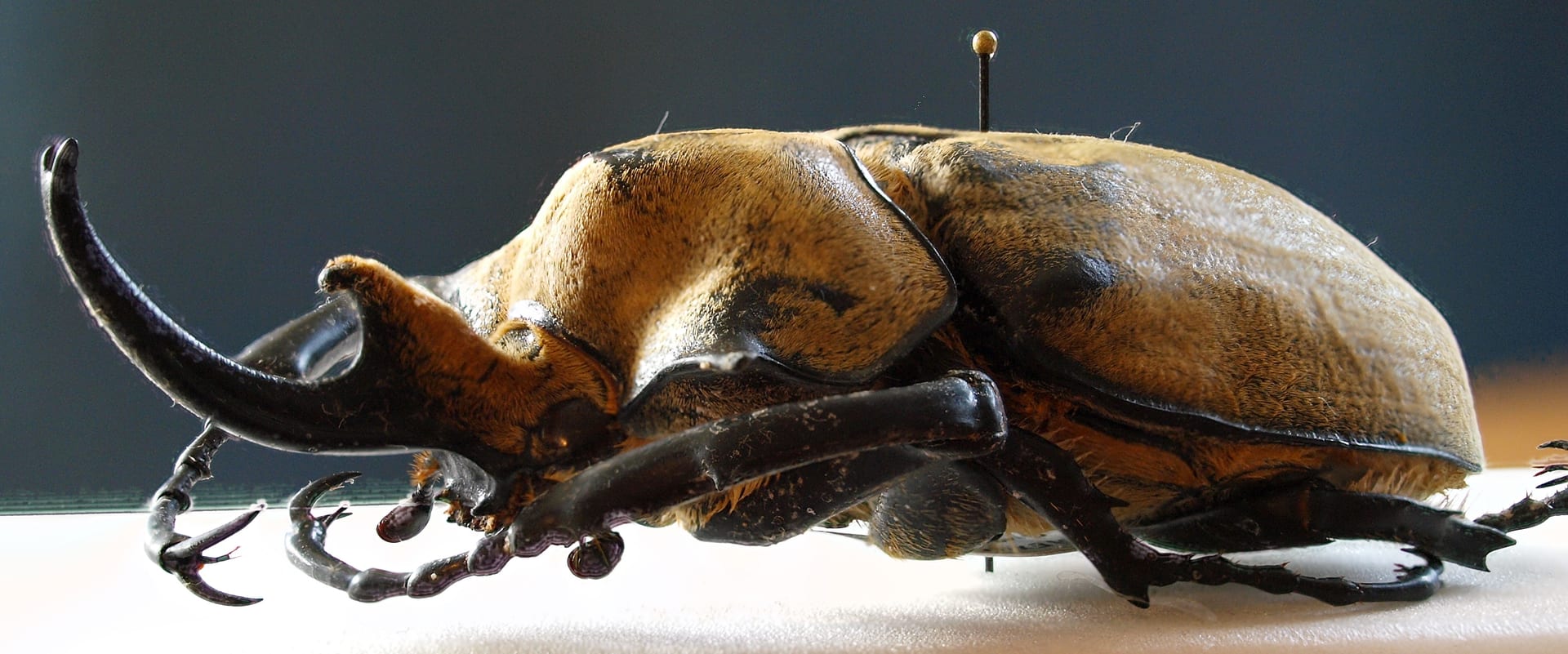
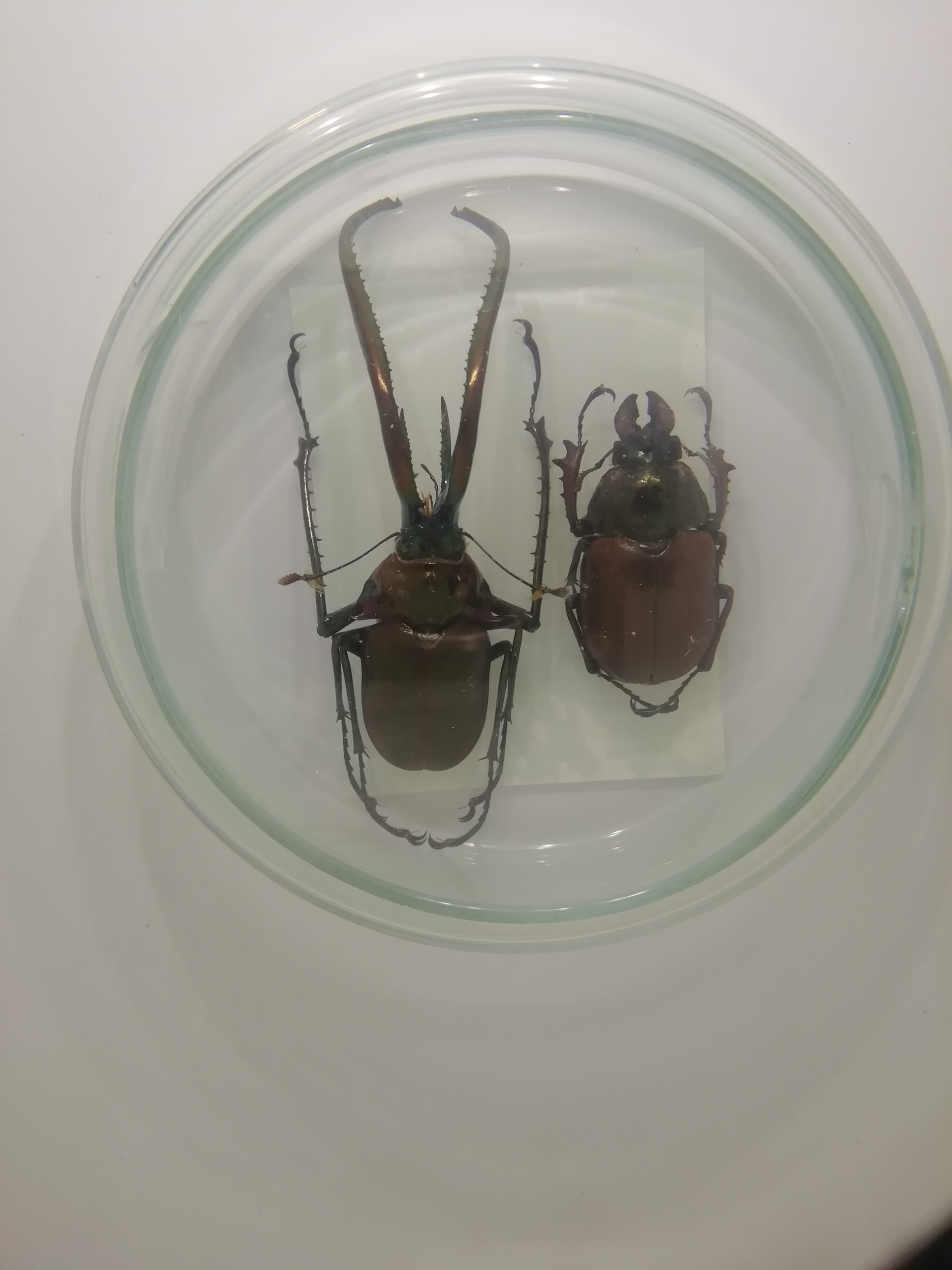
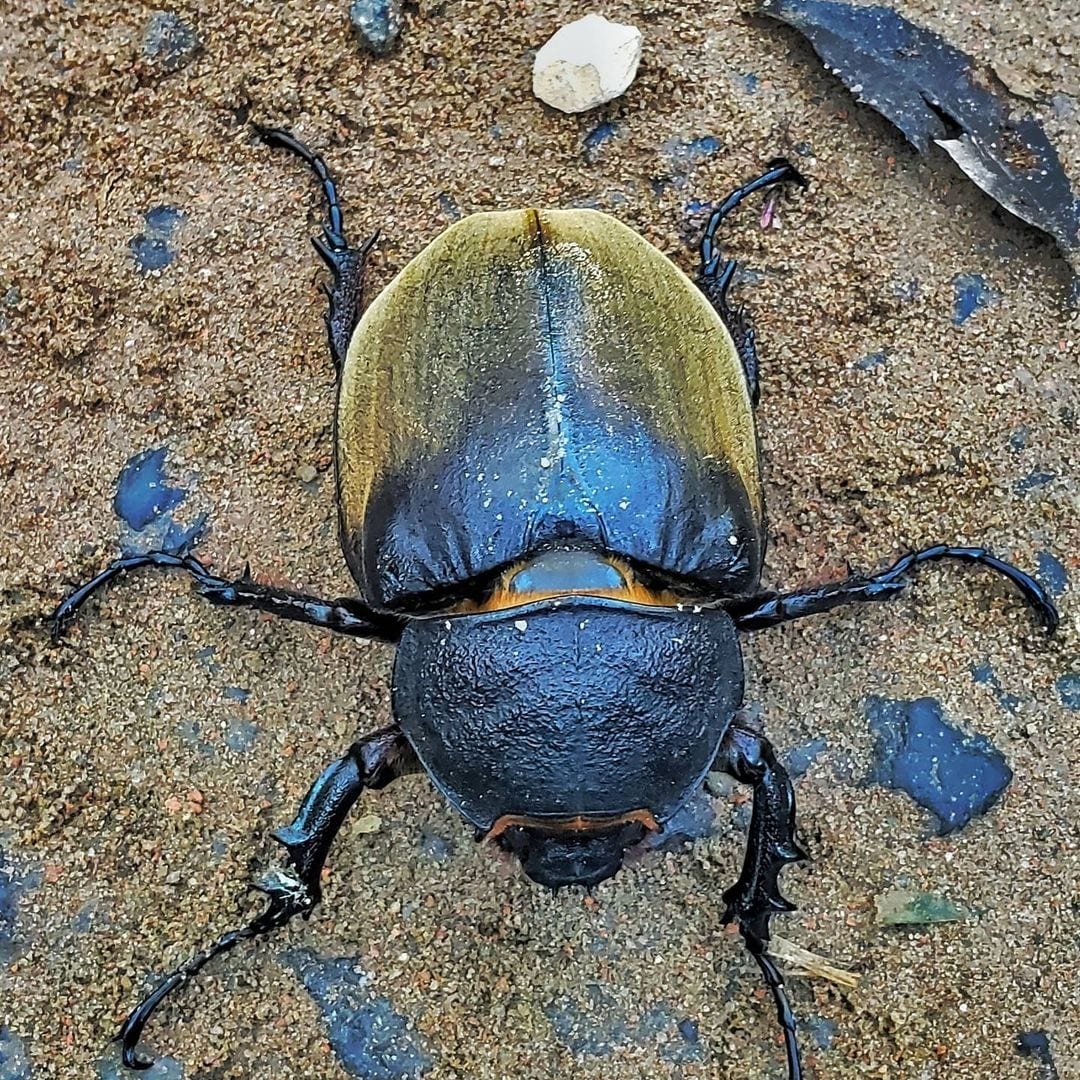
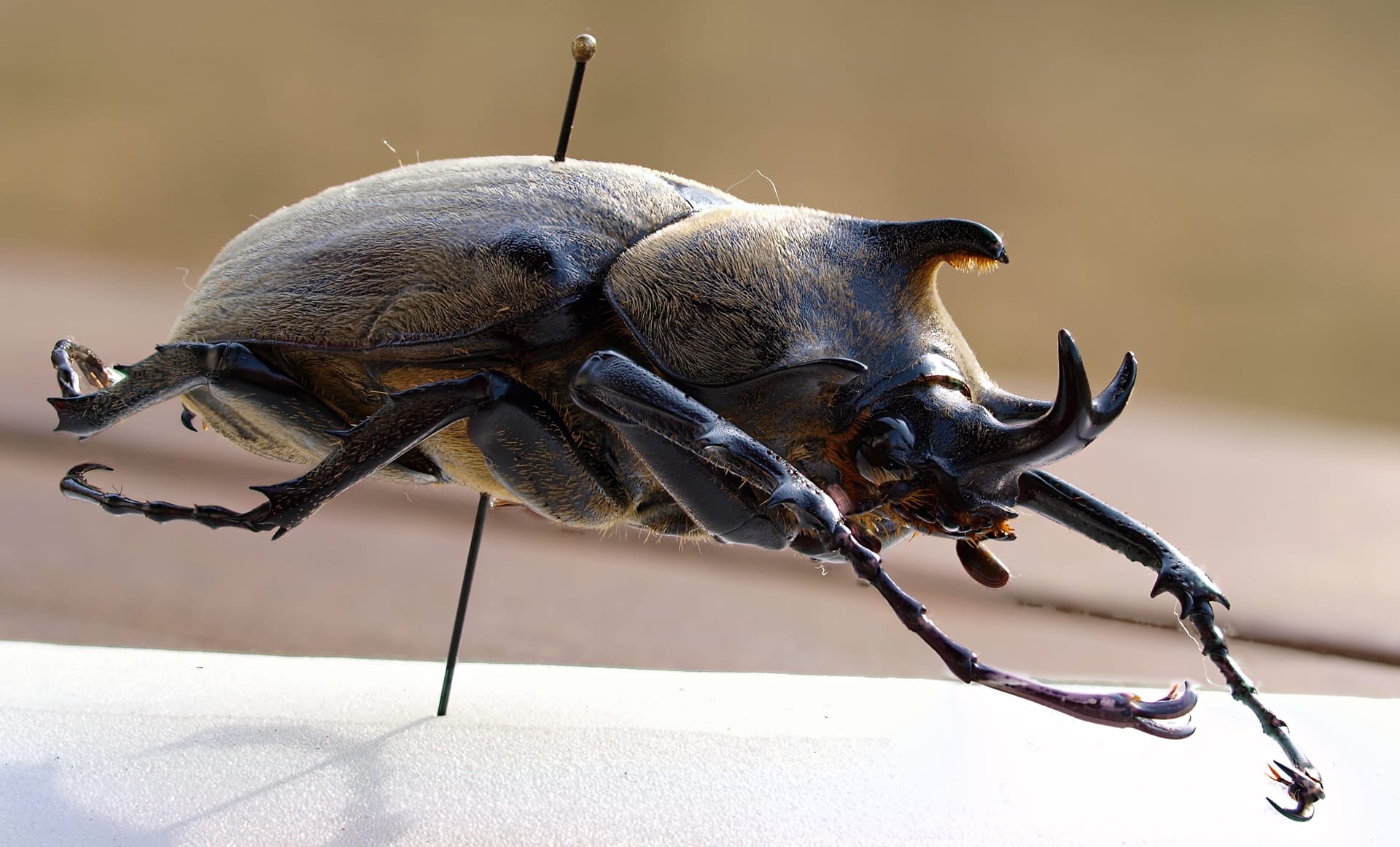
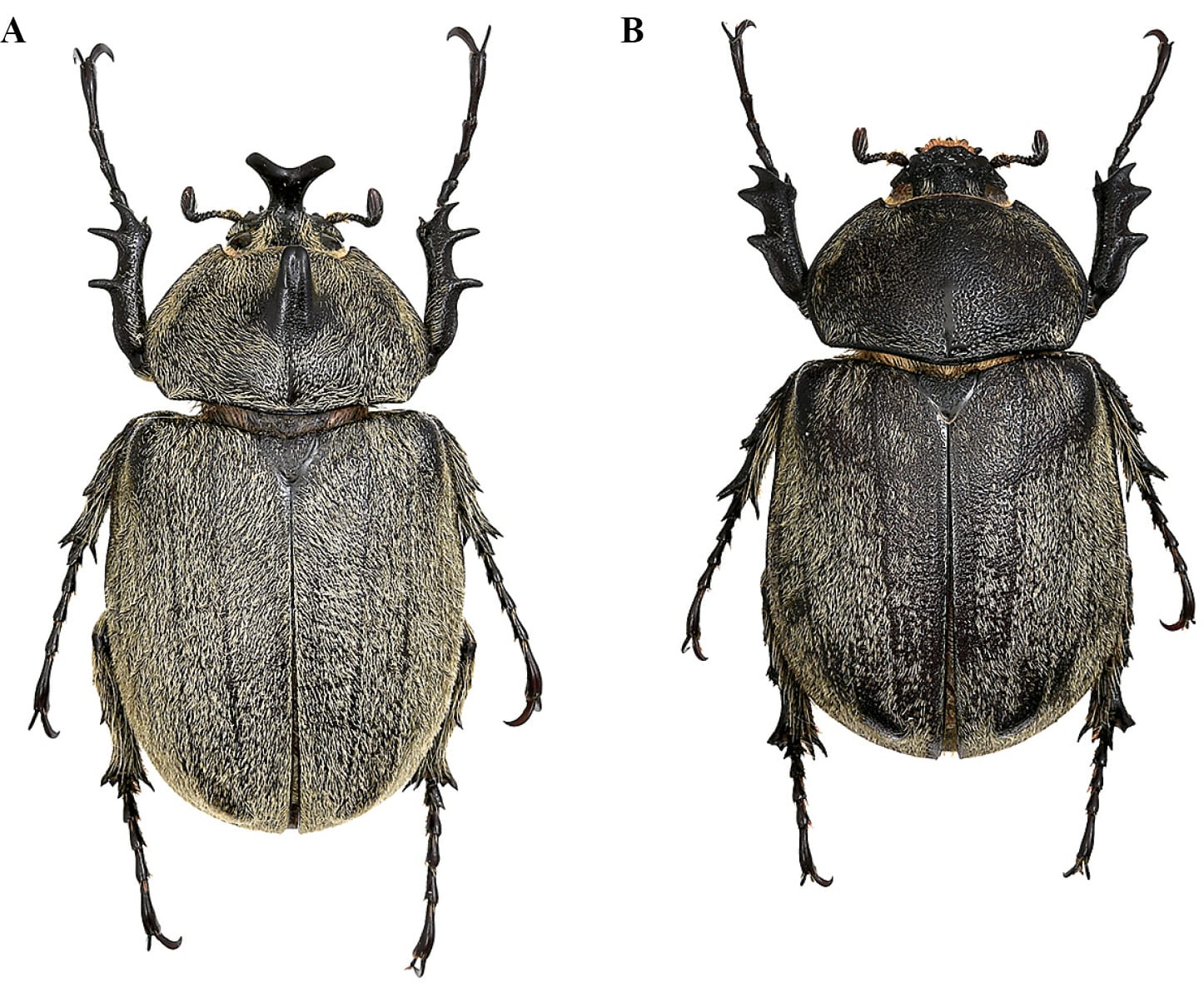
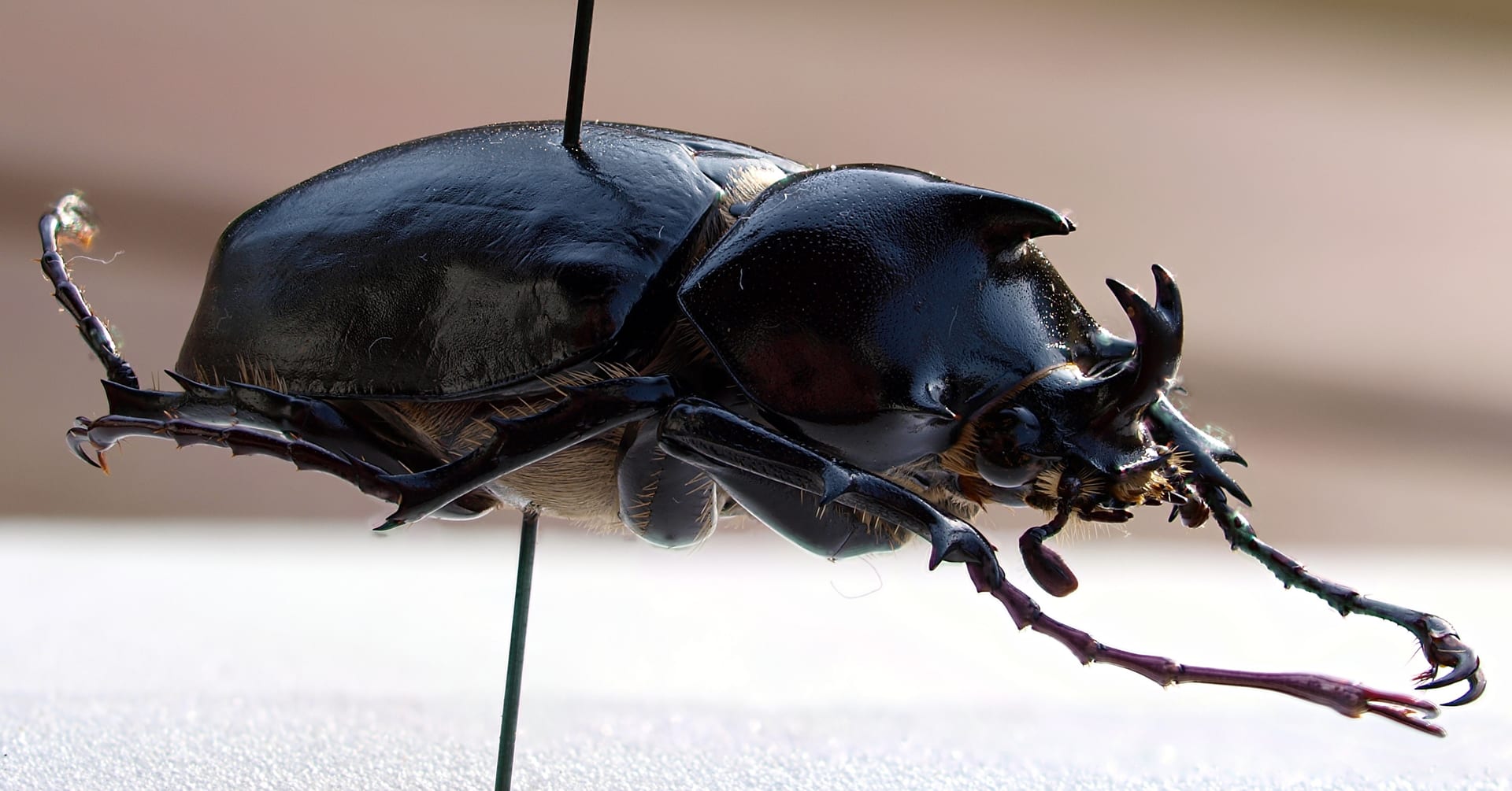
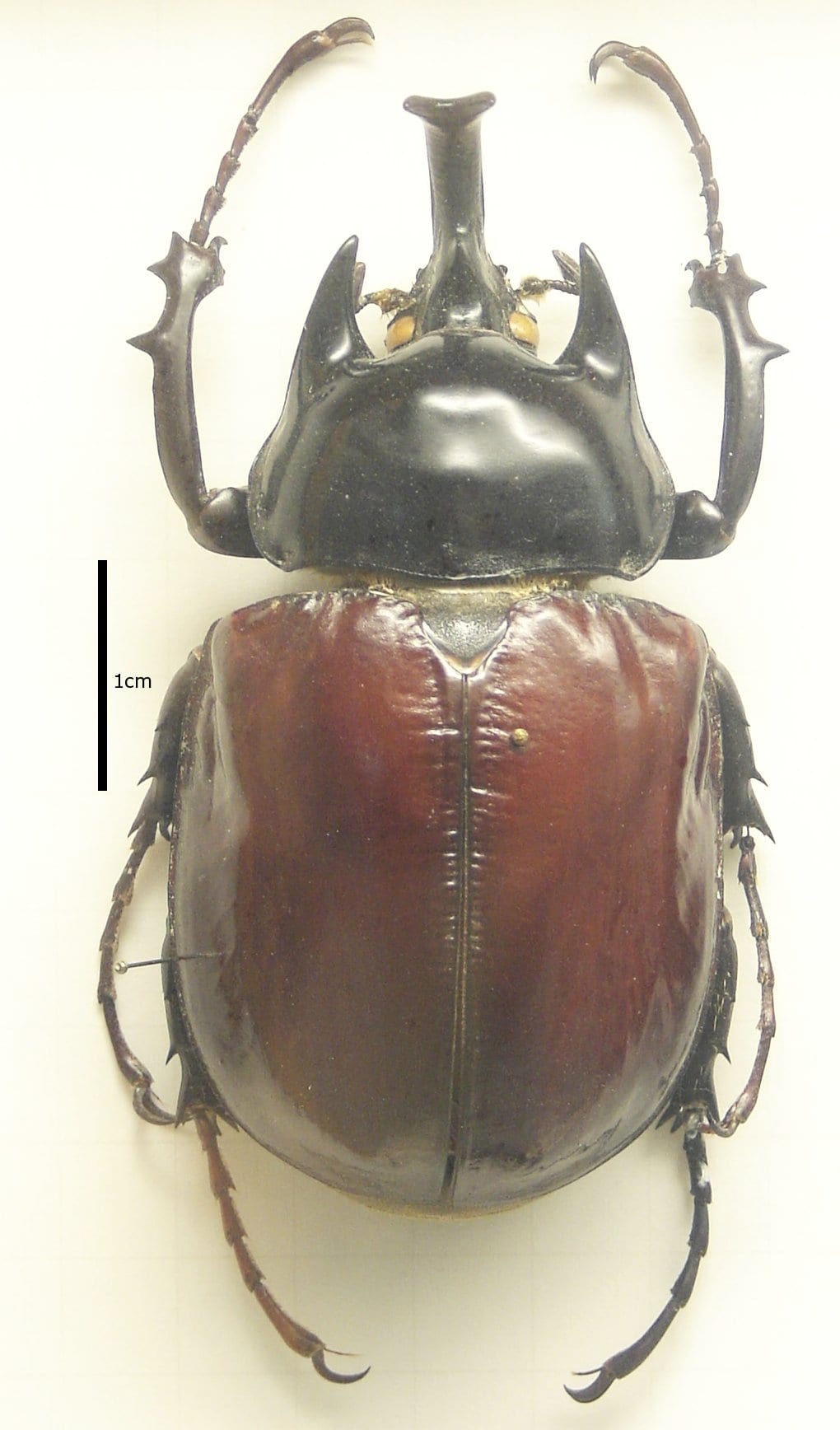
A hairless South American elephant beetle closely resembling M. actaeon, of which it was until recently a subspecies. Three subspecies are recognised by locality. A large species with a long larval period.
Difficulty
Intermediate
Temperature
18℃
Lifespan
Larval period 2-3 years (genus-level figure)
Humidity
60〜80%
Diet
Beetle jelly, ripe fruit; larvae on well-fermented substrate
About
The Janus elephant beetle (Megasoma janus) is a large hairless Megasoma of South America. It closely resembles M. actaeon and was until recently treated as its subspecies; today some sources rank it as a species while others (among them the UNL scarab guide) still list it as a synonym of M. actaeon. Japanese sources recognise three subspecies: the nominate M. j. janus (Bolivia, southern Brazil, Paraguay, northern Argentina), M. j. ramirezorum (Colombia, Ecuador, northwestern Peru; sometimes ranked as a species) and M. j. fujitai (central Brazil: Mato Grosso, Goias, Sao Paulo). Megasoma larvae take 2-3 years, so rear them long-term in large volumes of well-fermented substrate. As a general rule for foreign beetles, keep above 18C in winter and avoid heat over 30C. Males fight, so house singly, and keep locality and subspecies labels on breeding lines.
Source: Wikipedia (CC BY-SA 4.0)
Lifespan of the Janus Elephant Beetle
The Janus Elephant Beetle lives Larval period 2-3 years (genus-level figure).
Temperature & humidity for the Janus Elephant Beetle
The ideal temperature for the Janus Elephant Beetle is 18℃.
Basic Info
Origin
South America (Bolivia, southern Brazil, Paraguay, northern Argentina and others)
Lifespan
Larval period 2-3 years (genus-level figure)
Temperature
18℃
Care Specifications
Semi-aggressiveSolitaryBreeding: Moderate
Sources: Beetle Farm: basic rearing guide / Wikipedia (Megasoma, ja) / Wikipedia (Megasoma actaeon, ja)
Breeding Records & Localities
Notable localities
BoliviaSouthern BrazilParaguayNorthern Argentina
Regional subspecies
- Megasoma janus janus(Nominate subspecies) — Bolivia, southern Brazil, Paraguay, northern Argentina
- Megasoma janus ramirezorum(Sometimes ranked as a species) — Colombia, Ecuador, northwestern Peru
- Megasoma janus fujitai — Central Brazil (Mato Grosso, Goias, Sao Paulo)
No sourced captive size record was found.
Generation codes
- WD
- Wild-caught
- WF1
- Offspring of a wild-caught female
- F1〜
- Captive generations (same locality)
- CBF1
- Cross-locality captive-bred (reset)
Sources: Wikipedia (Megasoma actaeon, ja)
References & Sources
Edited & verified by: BreederDirect editorial team
The taxonomic, regulatory, and husbandry data on this page are compiled and verified against the authoritative primary sources below.
Taxonomy & Authority
Accepted name: Megasoma janus (Felsche, 1906)
Synonyms: Megasoma actaeon janus Felsche, 1906
Authority databases: GBIF
Nomenclature follows global taxonomic authority databases.
Regulations & Conservation Status
Not CITES-listed
Sources: CITES Appendices (species not listed) / MOE Japan: import of Scarabaeoidea beetles
Regulations may change. Always verify the latest information with the relevant authorities.
Janus Elephant Beetle Listings
Loading latest listingsFind listings for this species