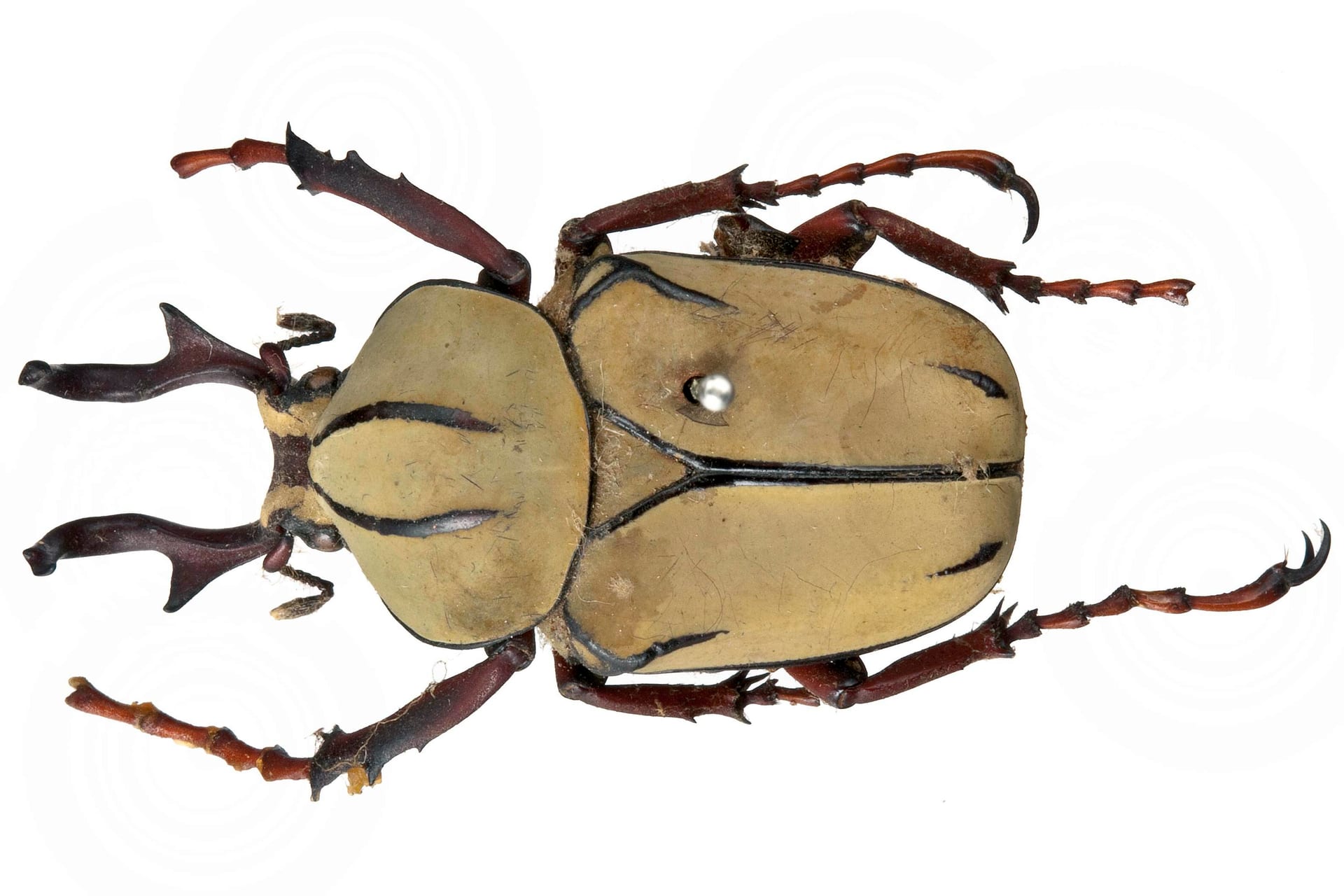
 © Natural History Museum: Coleoptera Section / CC BY 2.0
Wallich's Flower Beetle
Wallich's Flower Beetle is a striking flower chafer native to a range stretching from Southeast Asia into East Asia, best known for the forked, antler-like horn that grows from the male's head. Despite its dramatic appearance, the beetle has a sleek build with notably long front legs. A Taiwanese subspecies known as bogoiini is also kept, giving hobbyists a chance to compare regional variation. Because it's considered an intermediate-level species, keepers should come prepared: females need fresh leaves to lay eggs on, and larvae require clay-rich substrate to pupate successfully — small details that make this beetle both rewarding and a bit more involved to raise.
View Wallich's Flower Beetle encyclopedia →0% commission on your first sales!Register by September 30, 2026 and your first 2 sales are commission-free!
Breeder Wanted!
List on BreederDirect and sell directly to customers nationwide!
6 Transparency Standards You Can Trust
When listing Insects, Breeders disclose the following. We guarantee transparency on growth stage and breeding unit.
- Life Stage Clarity
- Generation Info
- Real Photos
- Breeding Unit
- Country of Origin
- Body Length (mm)
Browse all 296 breeds
Verified breeders wanted for Insects
Breeders are signing up now ahead of launch. Subscribe to be notified when new listings go live.
Getting alerts is free with a member account. When new listings match your saved search, we'll notify you by email and in-app.
Browse other categories
Verified breeders (preview)
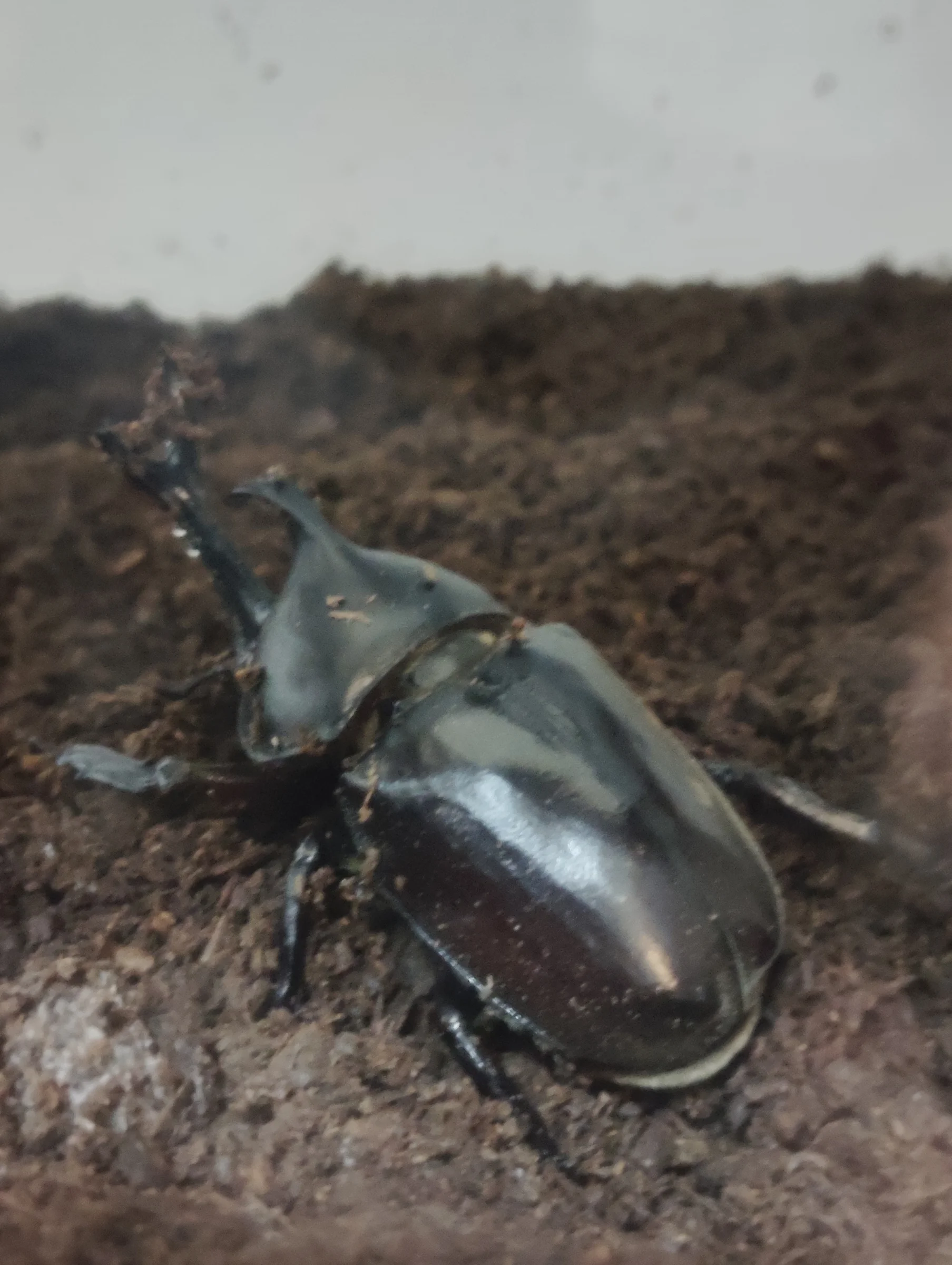
Wallich's Flower Beetle key facts
- Care level
- Intermediate
- Lifespan
- Adults 3-6 months
- Size
- 20-32mm (range given for the genus)
- Diet
- Adults take beetle jelly and fruit; larvae feed on a leaf and compost mix
- Temperature & Humidity
- Do not keep the larvae too warm during pupation: in one breeding record this made the adults emerge in January, and temperature control and a resting period appear to matter for breeding over several generations. Keep the clay layer only slightly damp.
- Breeding & Egg-laying
- Females will not lay in ordinary substrate. Place fresh leaves of apple or plum on the surface and the female will fold one, bury it and lay a single egg inside the parcel. The larvae hatch after two to four weeks. For pupation a clay layer must be placed beneath the substrate, and because larvae can destroy each other's cocoons they should be separated at that stage.
- Cohabitation
- Adult males fight with their horn-like projections, so keep them apart except for pairing, and separate the larvae at pupation.
- Lifespan & Rearing Period
- Larvae obtained as late second instars have been reported to pupate within about two months.
- Health & Notes
- What reaches the hobby is mostly the Taiwanese subspecies bourgoini; breeding reports for the nominate form are almost absent. Importing live stock requires the species identification certificate demanded for Scarabaeoidea. Use leaves free of pesticide residue for the egg-laying set.
About Wallich's Flower Beetle
A flower chafer native to Southeast and East Asia, known for the male's forked, antler-like horn and long front legs. A Taiwanese subspecies, bogoiini, is also available. Considered an intermediate-level species to keep.
7 things to know before welcoming a Wallich's Flower Beetle
1The Horn Develops With Age
Males grow a forked, antler-like horn from the head that takes shape gradually after reaching adulthood. Females lack this horn entirely, which makes telling the sexes apart fairly easy.
2The Taiwanese Subspecies Bogoiini
A subspecies from Taiwan, known as bogoiini, is also kept by hobbyists. Body shape and horn impression can vary subtly by origin, so it's worth checking provenance if you want to compare regional forms.
3Long Front Legs Aid Climbing
This beetle's notably long front legs let it grip branches and enclosure walls securely while moving around actively. Providing climbing branches or mesh inside the enclosure encourages this natural gripping behavior.
4Egg-Laying Needs Fresh Leaves
Females require fresh, live leaves in order to lay eggs. If you're aiming to breed this species, swap the leaves regularly before they wither so the enclosure stays suitable for egg-laying.
5Pupation Requires Clay Soil
When larvae are ready to pupate, they need clay-rich soil to build a proper pupal chamber. Without it, larvae can struggle to form the chamber successfully, so pay attention to substrate quality as they mature.
6Native Range Spans SE to East Asia
This beetle's natural range extends from Southeast Asia into East Asia. Given that broad distribution, it has adapted to varied climates in the wild, so it's worth keeping an eye on temperature and humidity in captivity too.
7Best Suited to Experienced Keepers
Wallich's Flower Beetle is generally considered suited to intermediate-level keepers. Because different life stages call for different setups — fresh leaves, clay-rich soil, and so on — it's best approached once you have some insect-keeping experience under your belt.
Frequently asked questions about Wallich's Flower Beetle
- Q.Is this beetle suitable for beginners?
- A.Wallich's Flower Beetle is generally considered an intermediate-level species. Because it calls for stage-specific care — fresh leaves for egg-laying, clay-rich soil for pupation — it's best attempted once you already have some insect-keeping experience.
- Q.How can you tell males and females apart?
- A.The clearest difference is the forked horn on the male's head. Females don't grow this horn at all, so its presence or absence is an easy way to sex the beetle.
- Q.How big do adults get?
- A.Adults generally fall within the 20-32mm range typical of the flower chafer genus they belong to. Individual size can vary somewhat from beetle to beetle.
- Q.Do Taiwanese individuals differ from others?
- A.Taiwan is home to a subspecies known as bogoiini, which is also kept by hobbyists. Even within the same species, appearance can vary subtly by origin, so it's worth checking provenance if you're curious about regional differences.
- Q.What's needed to breed them?
- A.Females need fresh, live leaves in order to lay eggs, and larvae require clay-rich soil to pupate successfully. Providing the right setup for each life stage is the key to breeding this species.
Useful tools for Wallich's Flower Beetle care
Learn more about Wallich's Flower Beetle in the encyclopedia
View Wallich's Flower Beetle encyclopedia entry →
Care difficulty, lifespan, size and diet — all basics covered.
More in this category
Can't find the one you're looking for?
Post your wishes for free and breeders with matching animals will contact you with introductions.