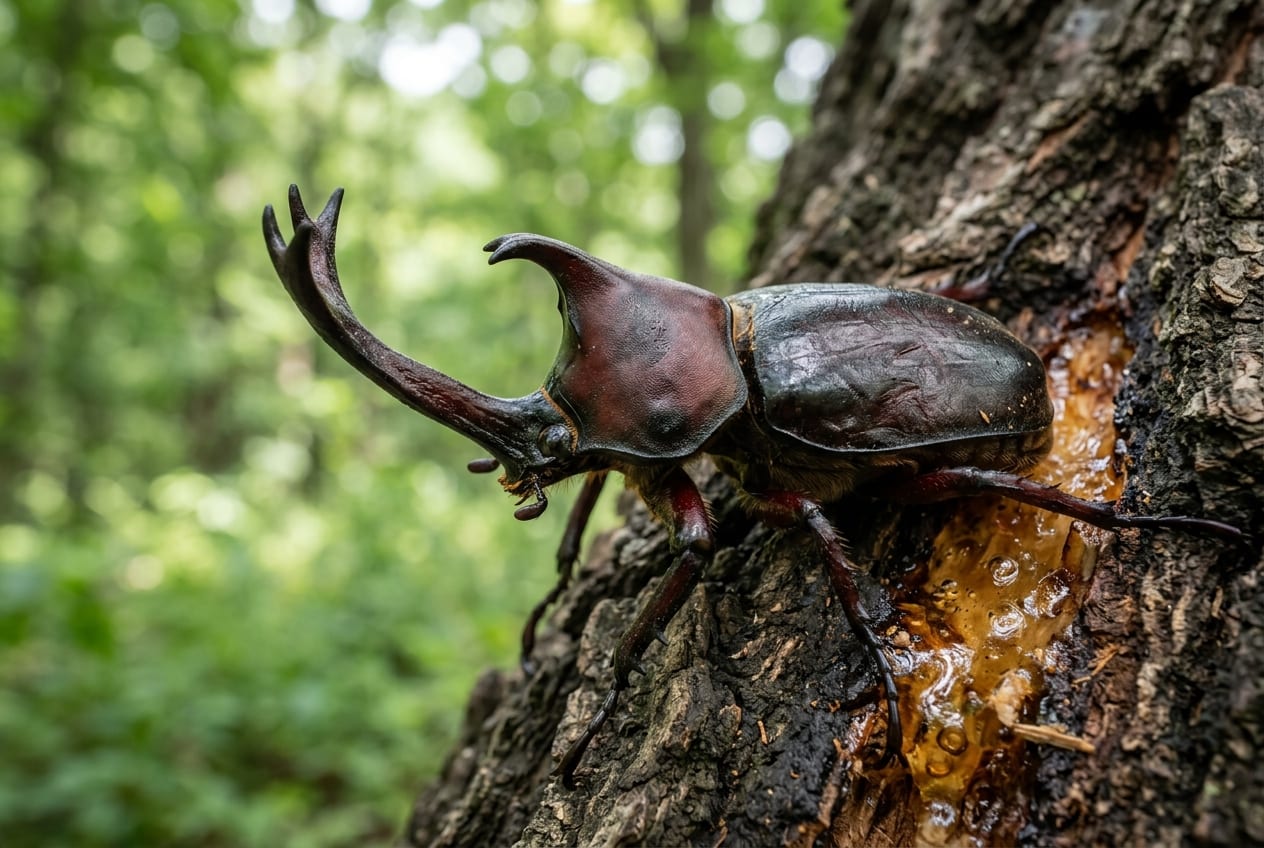
Chinese Rhinoceros Beetle
The Chinese Rhinoceros Beetle is the nominate subspecies of rhinoceros beetle native to mainland China, forming a continuous spectrum of traits with the familiar Japanese subspecies. Compared to its glossier mainland relative, it has a somewhat subdued, matte sheen, and body size varies noticeably by region, with northern individuals tending to be slimmer and smaller. Rated for intermediate keepers, it suits anyone with some basic beetle-keeping experience under their belt. With its bold silhouette and manageable size, it's a great next step for hobbyists looking to branch out from standard rhinoceros beetle care.
View Chinese Rhinoceros Beetle encyclopedia →0% commission on your first sales!Register by September 30, 2026 and your first 2 sales are commission-free!
Breeder Wanted!
List on BreederDirect and sell directly to customers nationwide!
6 Transparency Standards You Can Trust
When listing Insects, Breeders disclose the following. We guarantee transparency on growth stage and breeding unit.
- Life Stage Clarity
- Generation Info
- Real Photos
- Breeding Unit
- Country of Origin
- Body Length (mm)
Browse all 296 breeds
Verified breeders wanted for Insects
Breeders are signing up now ahead of launch. Subscribe to be notified when new listings go live.
Getting alerts is free with a member account. When new listings match your saved search, we'll notify you by email and in-app.
Browse other categories
Verified breeders (preview)
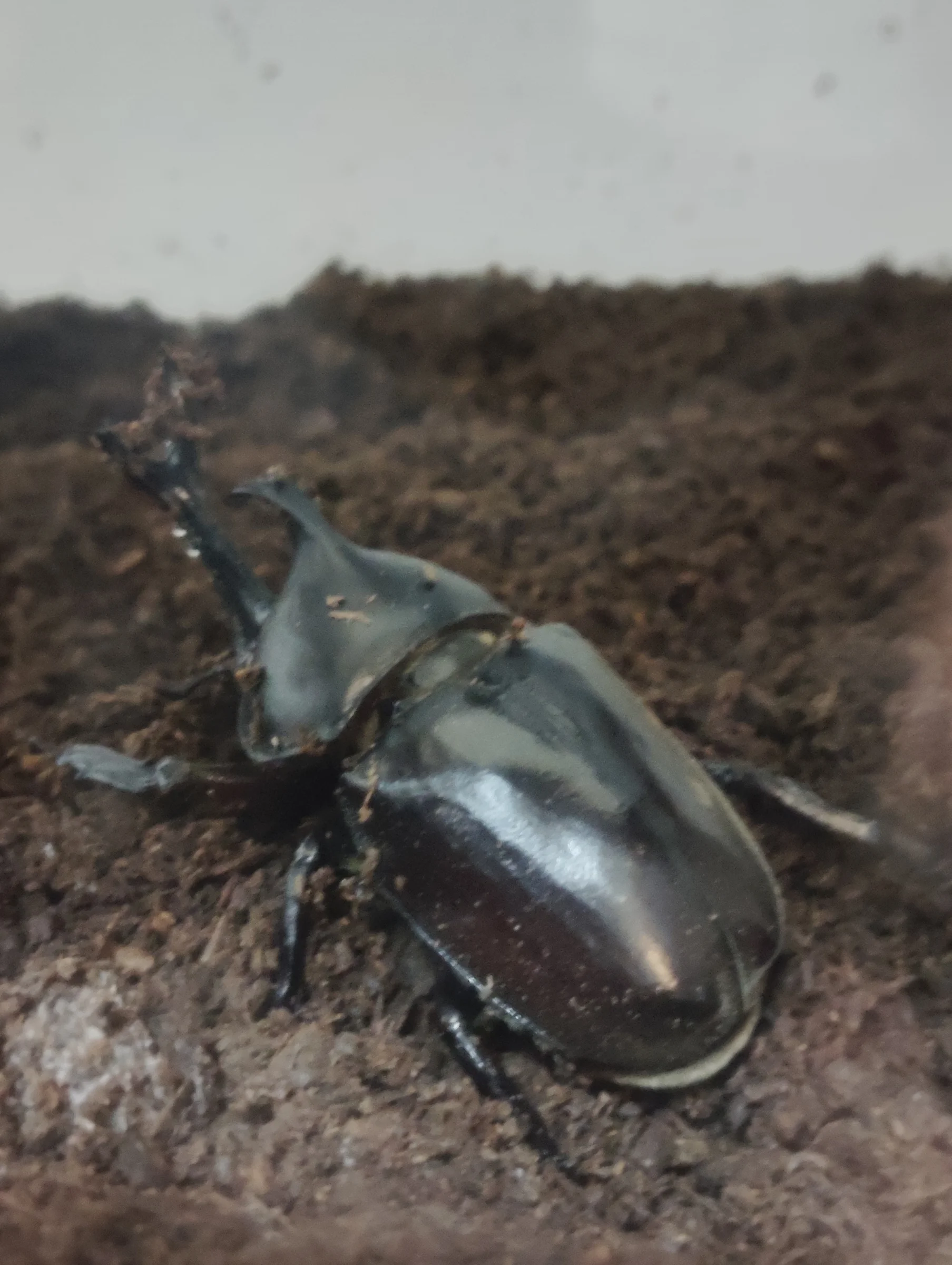
Chinese Rhinoceros Beetle key facts
- Care level
- Intermediate
- Lifespan
- 1-3 months as an adult
- Size
- Males 36.5-53.5mm, females 40.1-47.2mm
- Diet
- Adults take sap of broadleaf trees and beetle jelly; larvae feed on leaf mould
- Temperature & Humidity
- Its range spans temperate and subtropical China. As with the Japanese subspecies, never let the substrate freeze solid, and note that constant warmth through the winter brings the beetles on early.
- Breeding & Egg-laying
- Breeding is done in an egg-laying set of packed fermented substrate. The larvae eat leaf mould and will not touch living wood or leaves that have not begun to break down. For the Japanese subspecies in central Japan, about 15 days are reported from hatching to the second instar, about 35 days to the third, and 150-200 days in the third instar.
- Cohabitation
- Males fight hard with their horns, so keep adults apart. Do not house or cross them with any of the Japanese subspecies.
- Lifespan & Rearing Period
- The beetle spends a while underground after eclosion before coming to the surface. Adults live one to three months, a span that depends heavily on temperature and food, and they do not overwinter as adults.
- Health & Notes
- Importing live stock requires the species identification certificate demanded for Scarabaeoidea. Because it grades into the Japanese subspecies and is hard to tell apart, an escape would risk hybridisation with native populations. Keep the container secure and never release the beetles outdoors.
About Chinese Rhinoceros Beetle
The nominate Chinese subspecies of rhinoceros beetle, known for its subdued sheen and regional size variation. Best suited to intermediate keepers; adult lifespan of 1-3 months.
7 things to know before welcoming a Chinese Rhinoceros Beetle
1Suited to Intermediate Keepers
This species is best suited to keepers who already have some basic beetle-care knowledge. If this is your first rhinoceros beetle, gaining experience with a related species first can make the transition smoother.
2Adult Lifespan of About 1-3 Months
Adults live for a relatively short window of about one to three months. Since an individual may already be partway through that span when you bring it home, make the most of the time you have together.
3Size Differs Between Males and Females
Males range from 36.5 to 53.5mm and females from 40.1 to 47.2mm, so there's real variation to observe. Comparing the horn and body-shape differences between the sexes is part of the fun of keeping this species.
4Body Size Varies by Origin
Individuals from northern regions tend to be slimmer and smaller than those from further south. If you know the origin of your beetle, it can give you a rough sense of the body type to expect.
5Subdued, Matte-Like Sheen
Compared to the glossier mainland species it shares habitat with, this beetle has a somewhat duller, subdued sheen. It gives it a solid, understated texture typical of rhinoceros beetles.
6Traits Blend Gradually With the Japanese Subspecies
Rather than being sharply distinct, its traits form a continuous gradient with the familiar Japanese subspecies. Comparing the two side by side is an interesting way to appreciate the subtle differences.
7Prepare a Habitat Before Bringing One Home
As with rhinoceros beetles in general, it helps to have a well-ventilated enclosure, a reasonably deep layer of substrate, and a piece of climbing wood ready before your beetle arrives. Having the habitat set up in advance lets it settle in right away.
Frequently asked questions about Chinese Rhinoceros Beetle
- Q.Can beginners keep a Chinese Rhinoceros Beetle?
- A.This species is rated for intermediate keepers. If you're new to beetle keeping, it's a good idea to learn the basics of care before bringing one home.
- Q.How long do adults typically live?
- A.Adults typically live for about one to three months. Note that you may not know exactly how much of that lifespan has already passed when you acquire one.
- Q.How much does size differ between males and females?
- A.Males measure roughly 36.5 to 53.5mm, while females measure roughly 40.1 to 47.2mm. Males show a wider size range and can grow noticeably larger.
- Q.How does it differ from the related shiny rhinoceros beetle?
- A.Compared to the glossier mainland species it shares range with, this beetle has a somewhat duller sheen. That difference in surface texture is one way to tell them apart.
- Q.Is the Chinese Rhinoceros Beetle subject to CITES?
- A.The Chinese Rhinoceros Beetle is not subject to CITES.
Useful tools for Chinese Rhinoceros Beetle care
Learn more about Chinese Rhinoceros Beetle in the encyclopedia
View Chinese Rhinoceros Beetle encyclopedia entry →
Care difficulty, lifespan, size and diet — all basics covered.
More in this category
Can't find the one you're looking for?
Post your wishes for free and breeders with matching animals will contact you with introductions.