Source: Wikimedia Commons
Japanese Wood Ant
BeginnerFormica japonica
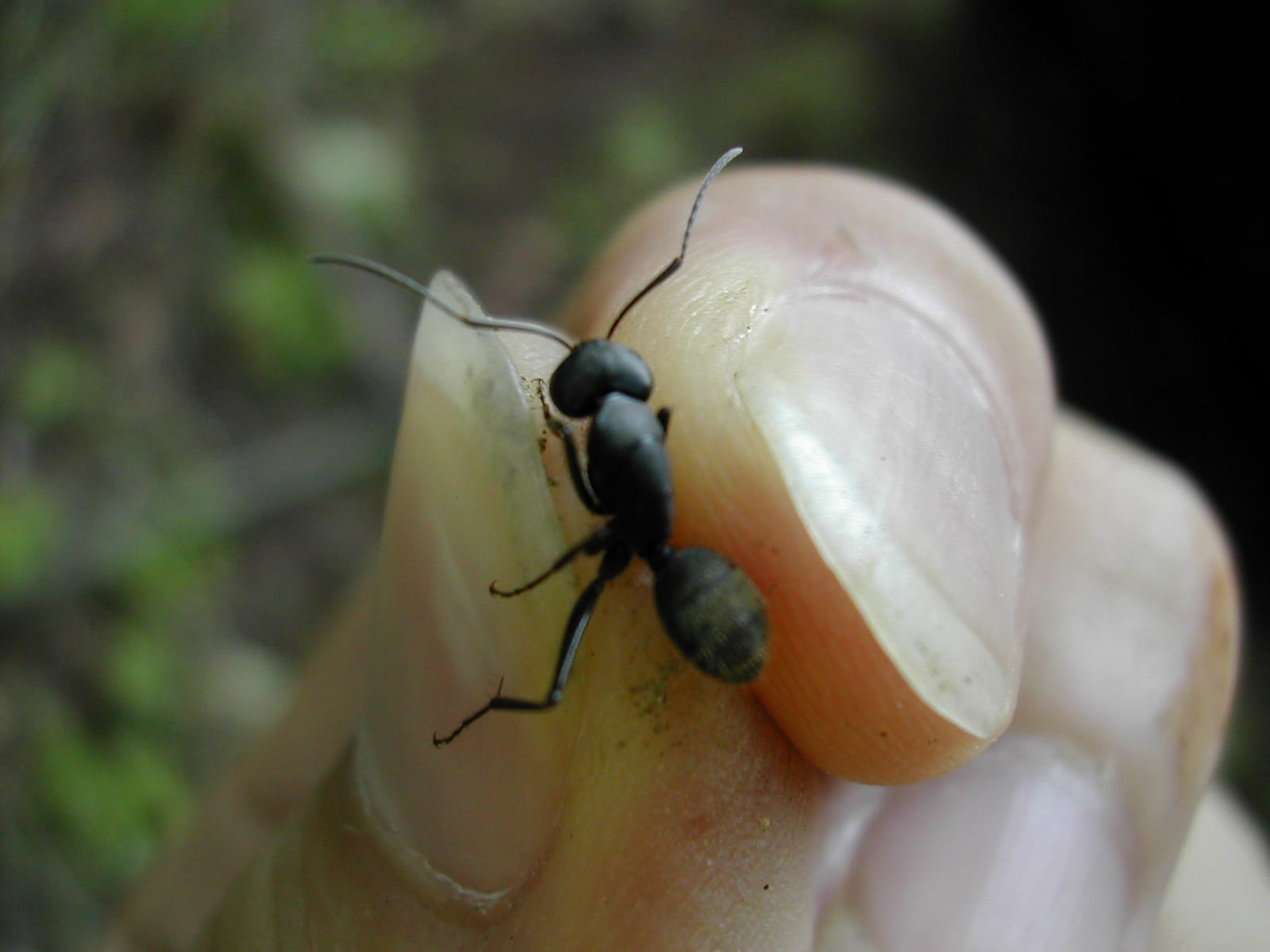
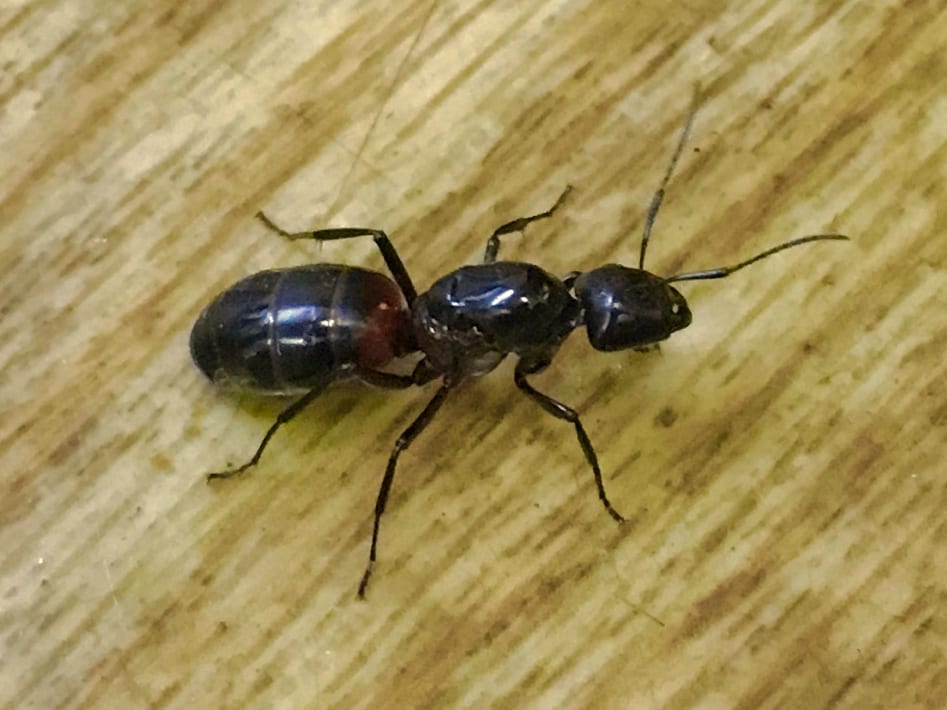
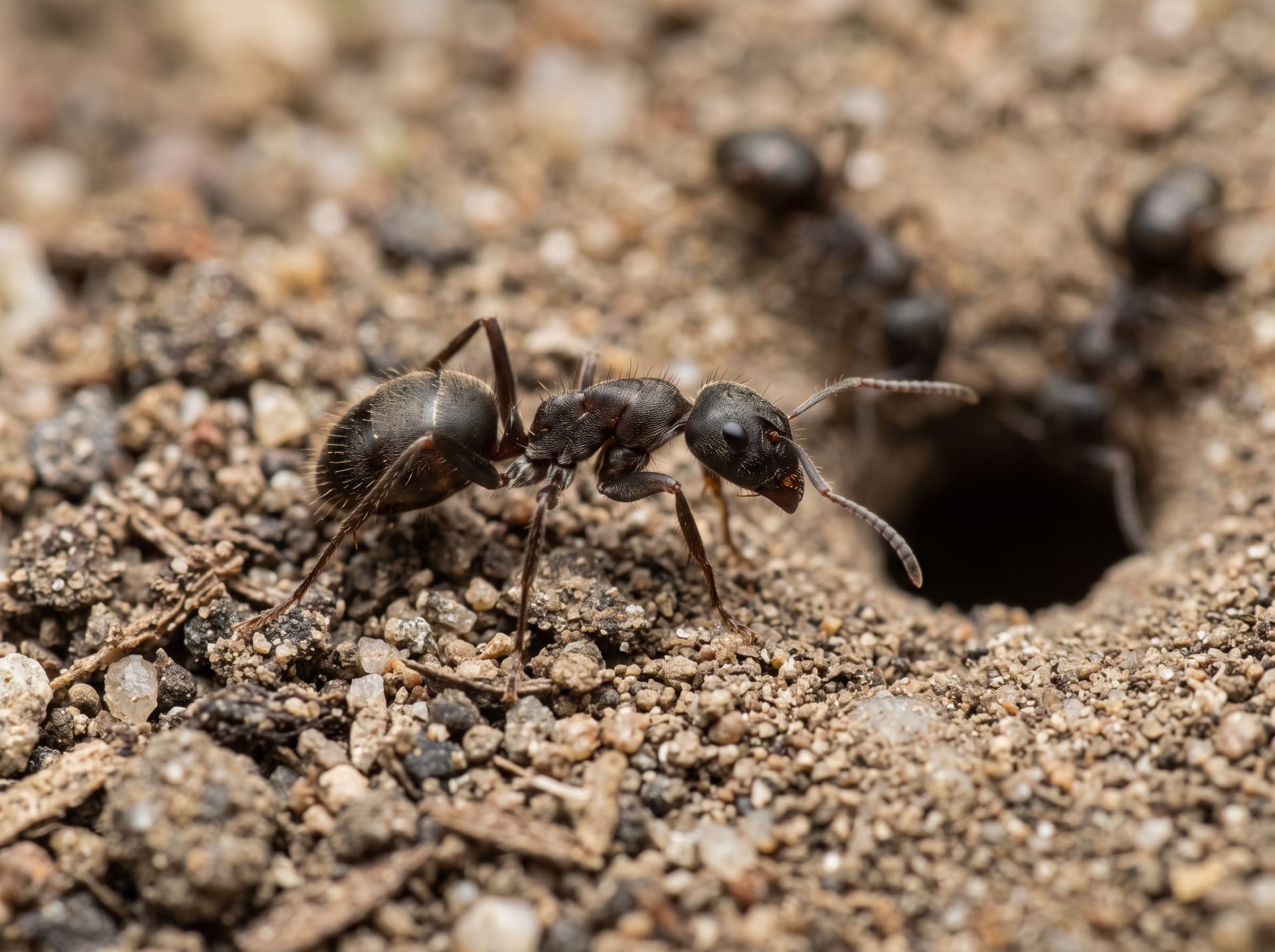
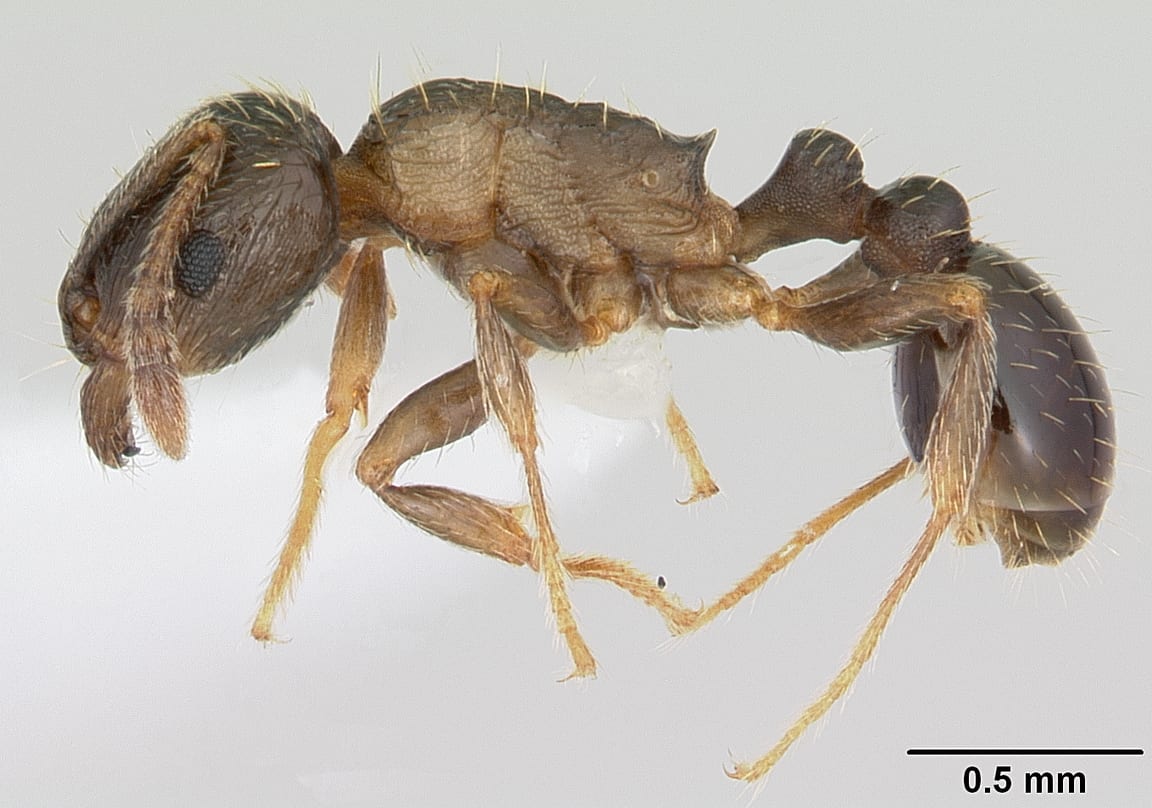
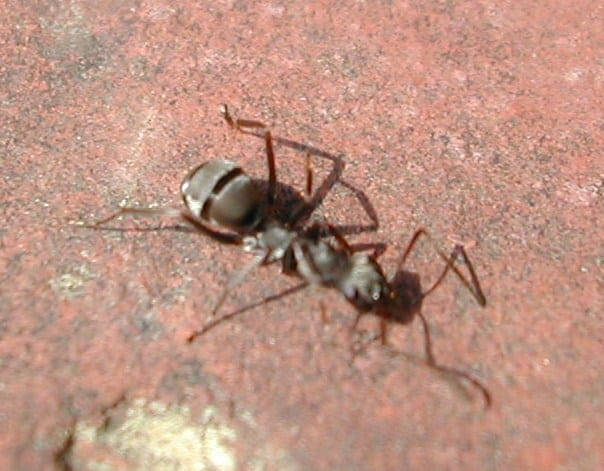
A grey-black Formica ant, the most common ant of sunny grassland across Japan. Fast-moving and hardy, a standard beginner species.
Difficulty
Beginner
Temperature
23〜25℃
Lifespan
Queens 5-10 years
Size
Workers 4.5-6mm, queens about 10mm
Humidity
60〜80%
Diet
Honeydew or sugar water plus insects (omnivorous)
About
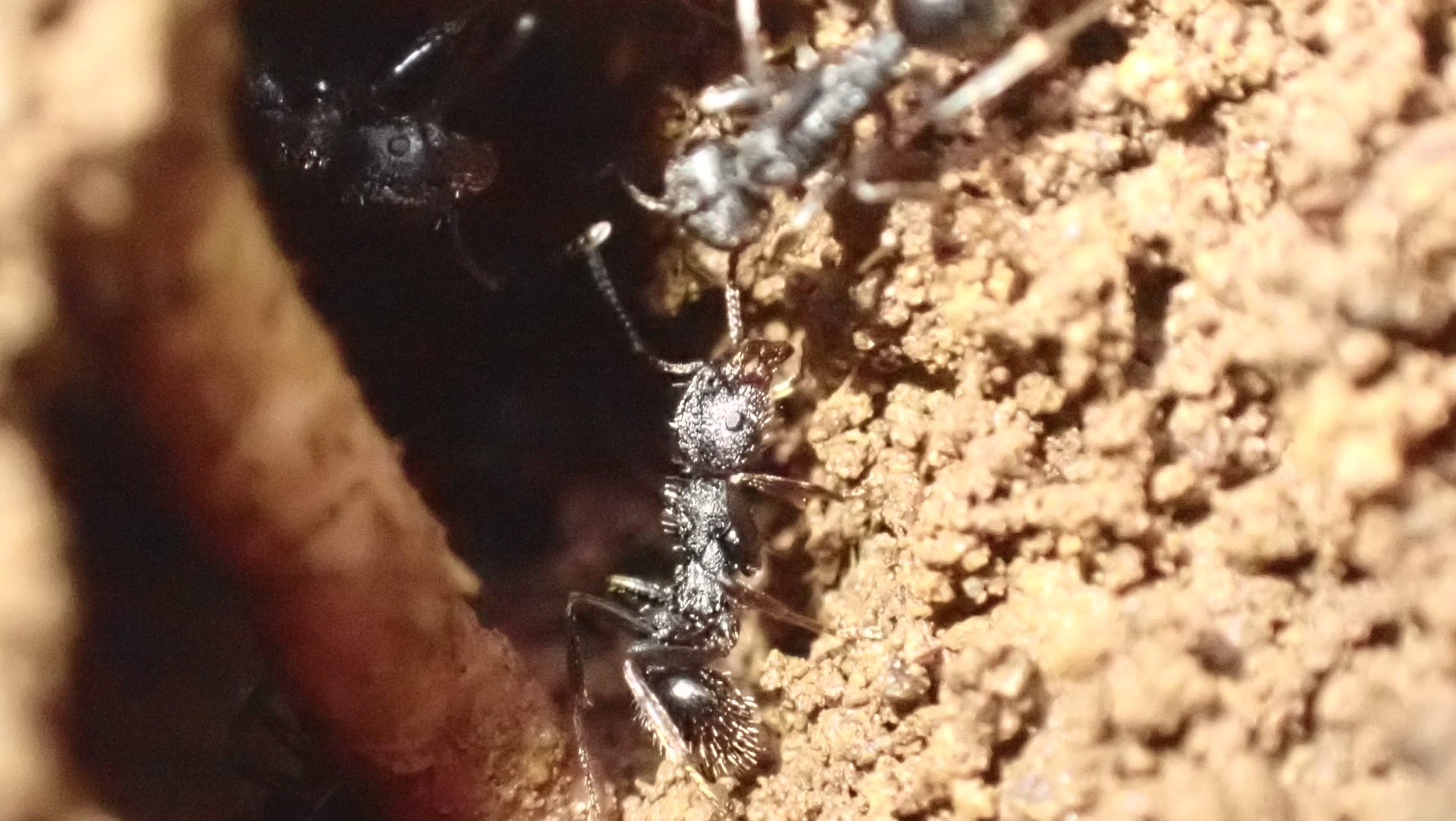
Formica japonica is a formicine ant common in sunny lowland and montane sites throughout Japan from Hokkaido to Kyushu and Yakushima, and abroad in Sakhalin, the Kurils, eastern Siberia, Mongolia, China, the Korean Peninsula and Taiwan. Workers measure 4.5-6mm and queens about 10mm; the body is greyish black with a dull sheen. It nests in bare, sun-exposed soil in grassland, opening the entrance at the surface; nests run almost vertically to 1-2m depth, and worker counts of up to 16,000 have been reported. Alates emerge from early June to early July in Tokyo and in August-September in Kochi. It is omnivorous, taking honeydew, nectar and dead insects. Kanto populations are monogynous, whereas polygynous nests with several cohabiting queens are known from Kansai. Fast, hardy and tolerant of temperature swings, it is widely recommended as a beginner species.
Source: Wikipedia (CC BY-SA 4.0)
Lifespan of the Japanese Wood Ant
The Japanese Wood Ant lives Queens 5-10 years.
Size of the Japanese Wood Ant
The Japanese Wood Ant grows to Workers 4.5-6mm, queens about 10mm.
Temperature & humidity for the Japanese Wood Ant
The ideal temperature for the Japanese Wood Ant is 23〜25℃.
Basic Info
Origin
Hokkaido to Kyushu, Yakushima; Sakhalin, Kuril Islands, eastern Siberia, Mongolia, China, Korean Peninsula, Taiwan
Lifespan
Care Specifications
PeacefulGroupBreeding: Easy
Sources: AntRoom: How to keep ants (JP) / Wikipedia (ja): クロヤマアリ / Japanese Ant Image Database (クロヤマアリ)
References & Sources
Edited & verified by: BreederDirect editorial team
The taxonomic, regulatory, and husbandry data on this page are compiled and verified against the authoritative primary sources below.
Taxonomy & Authority
Accepted name: Formica japonica Motschoulsky, 1866
Authority databases: GBIF
Nomenclature follows global taxonomic authority databases.
Regulations & Conservation Status
Not CITES-listed
Sources: CITES Appendices (species not listed)
Regulations may change. Always verify the latest information with the relevant authorities.
Japanese Wood Ant Listings
Loading latest listingsFind listings for this species