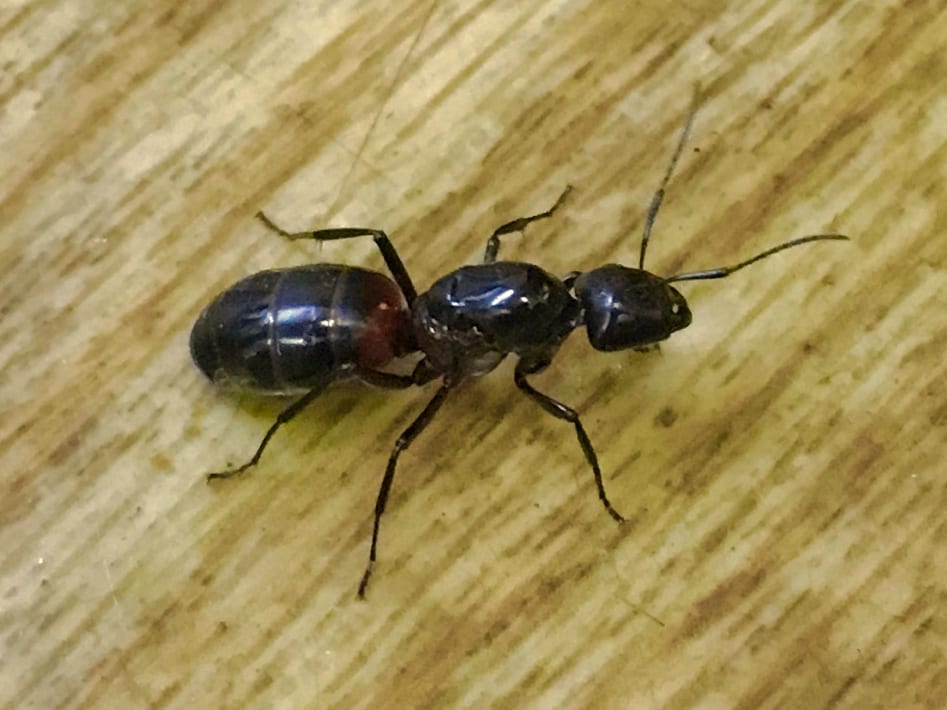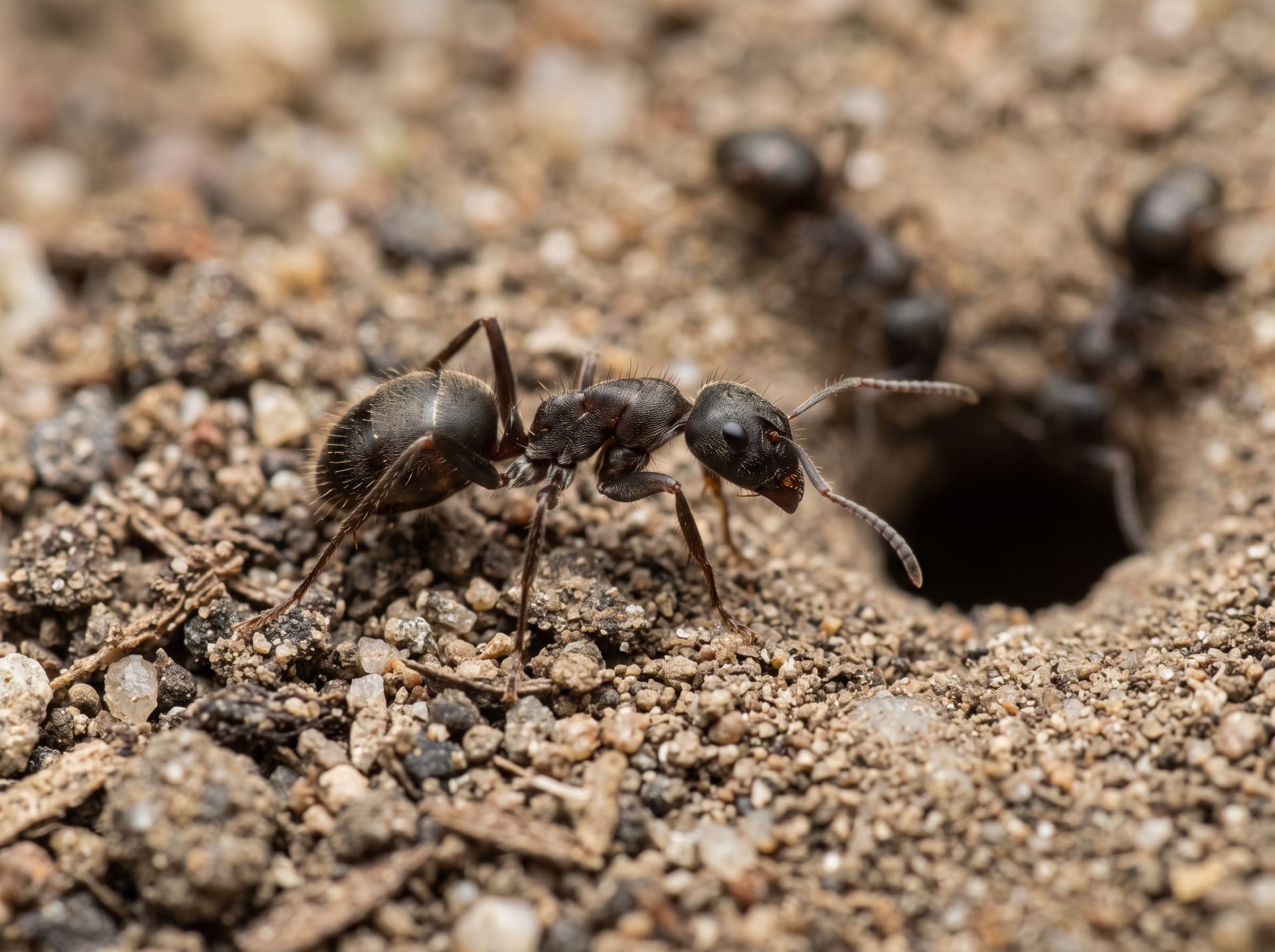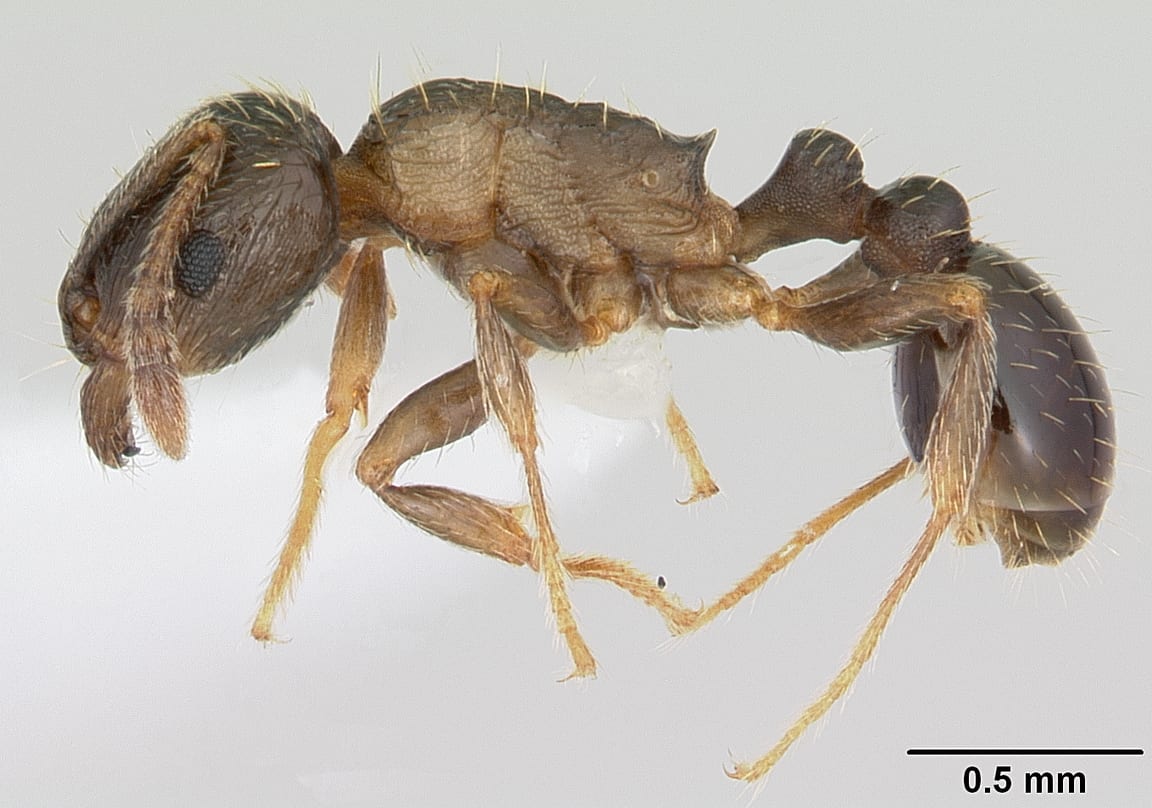
Source: Wikimedia Commons
Tobiiro Shiwa Ant
BeginnerTetramorium tsushimae
A small Tetramorium ant, the commonest ant in western Japan. Polygynous and polydomous, forming colonies of tens to hundreds of thousands; eats sweets, meat and seeds alike and is a hardy beginner species.
Difficulty
Beginner
Temperature
23〜25℃
Lifespan
Queens 3-7 years
Size
Workers 2.5mm, queens 7-8mm
Humidity
60〜80%
Diet
Omnivorous: sugars, insects and seeds
About
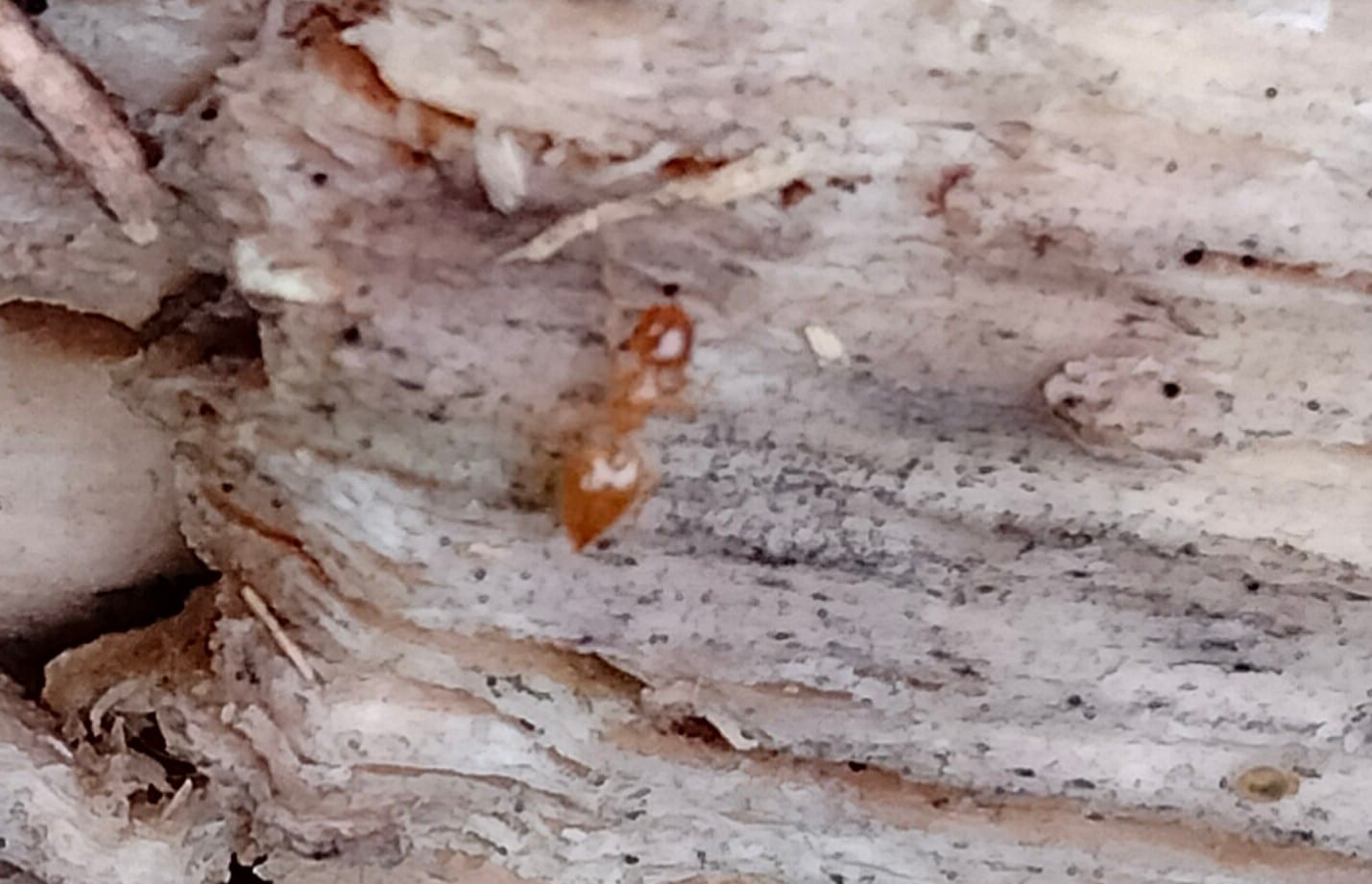
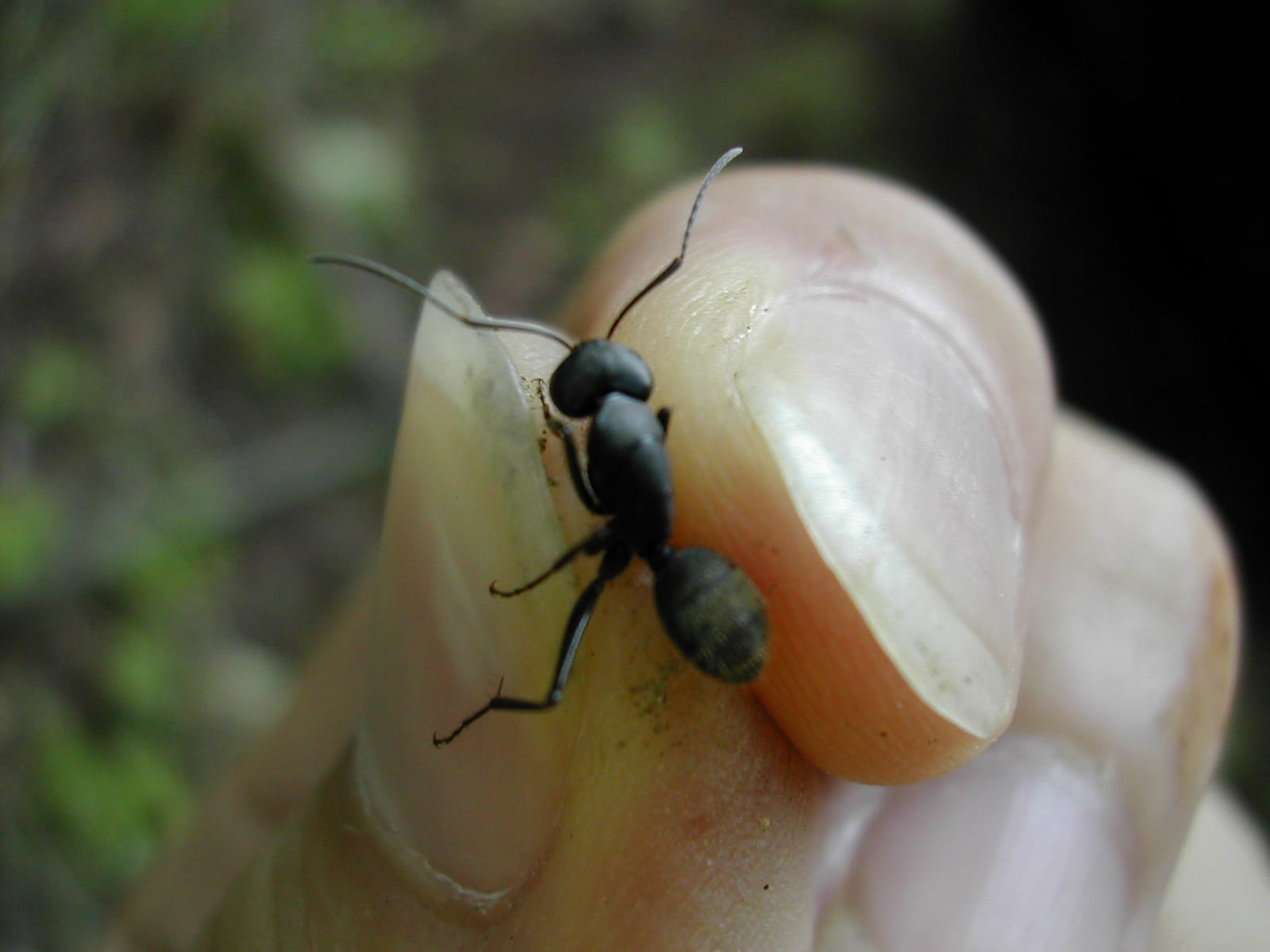
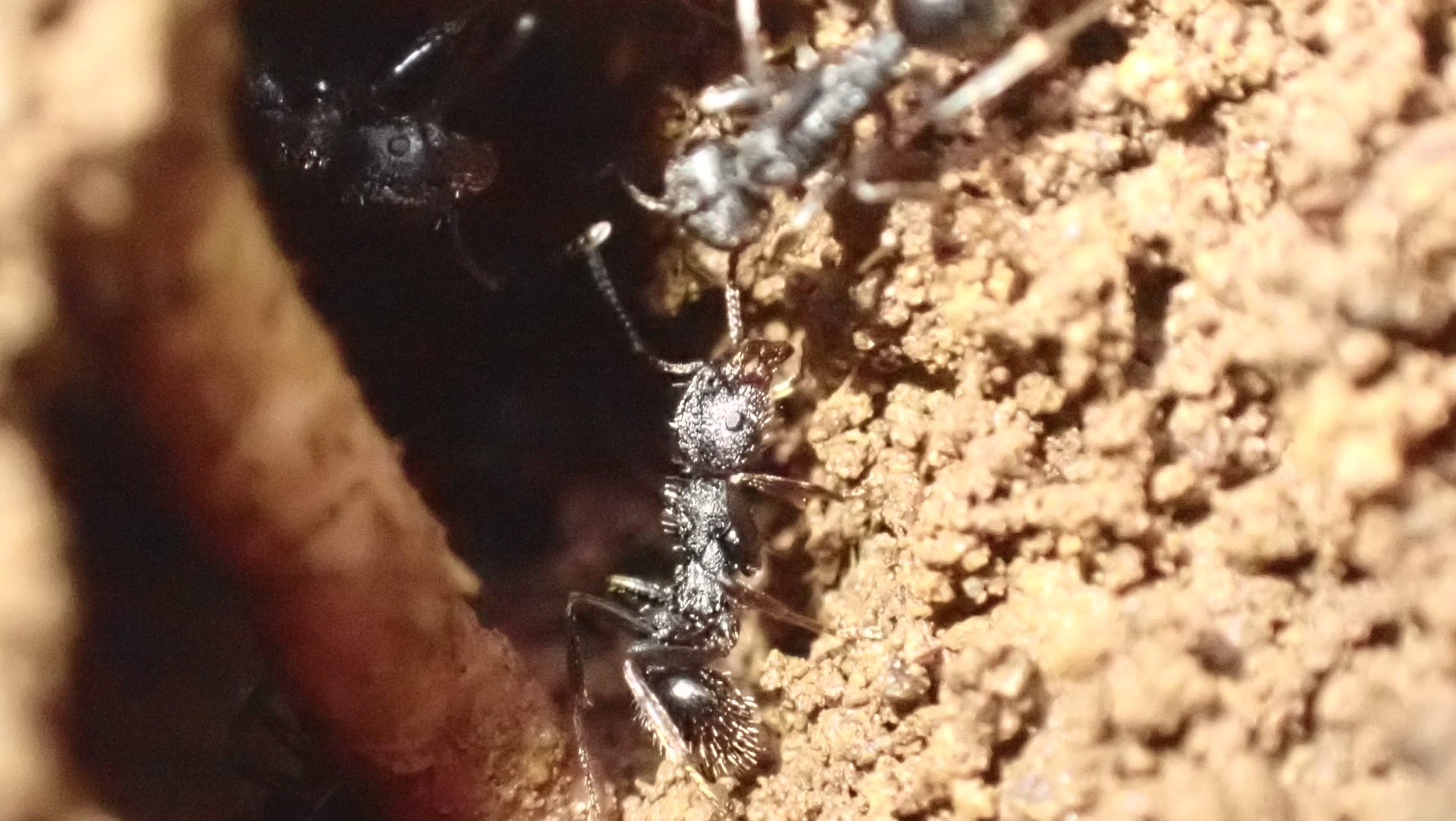
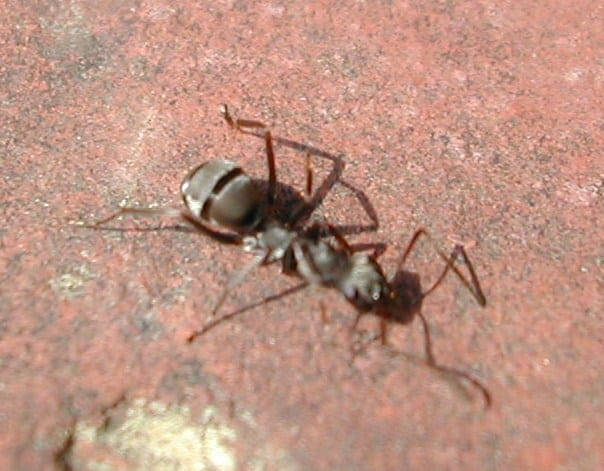
Tetramorium tsushimae is a myrmicine ant distributed from Hokkaido to Kyushu, Tsushima and Yakushima, and abroad in China and the Russian Far East. Workers measure 2.5mm and queens 7-8mm; the body is brown to blackish brown with longitudinal wrinkles on the head and mesosoma. It lives in open habitats such as grassland, nesting at the base of herbs and under stones, and is the commonest ant in southwestern Japan, abundant even in cities. Polygynous and polydomous, colonies grow to tens or hundreds of thousands of workers, and mating occurs both in nuptial flights and inside the nest. It is omnivorous, favouring sweets and meat and also collecting seeds; in captivity it takes sugar water, insects and seeds readily. The Japanese population was long placed under the European T. caespitum, but differences in queen morphology and habits support the name T. tsushimae. Because it is polygynous, several new queens can be kept together, and its hardiness and easy management make it a beginner species.
Source: Wikipedia (CC BY-SA 4.0)
Lifespan of the Tobiiro Shiwa Ant
The Tobiiro Shiwa Ant lives Queens 3-7 years.
Size of the Tobiiro Shiwa Ant
The Tobiiro Shiwa Ant grows to Workers 2.5mm, queens 7-8mm.
Temperature & humidity for the Tobiiro Shiwa Ant
The ideal temperature for the Tobiiro Shiwa Ant is 23〜25℃.
Basic Info
Origin
Hokkaido to Kyushu, Tsushima, Yakushima; China, Russian Far East
Care Specifications
PeacefulGroupBreeding: Easy
Sources: AntRoom: How to keep ants (JP) / Wikipedia (ja): トビイロシワアリ / Japanese Ant Image Database (トビイロシワアリ)
References & Sources
Edited & verified by: BreederDirect editorial team
The taxonomic, regulatory, and husbandry data on this page are compiled and verified against the authoritative primary sources below.
Taxonomy & Authority
Accepted name: Tetramorium tsushimae Emery, 1925
Synonyms: Tetramorium caespitum tsushimae, Tetramorium jacoti
Authority databases: GBIF
Nomenclature follows global taxonomic authority databases.
Regulations & Conservation Status
Not CITES-listed
Sources: CITES Appendices (species not listed)
Regulations may change. Always verify the latest information with the relevant authorities.
Tobiiro Shiwa Ant Listings
Loading latest listingsFind listings for this species