Breeding Guide for Kai Ken, Shikoku Ken, and Kishu Ken | Japanese Native Breeds (Natural Monuments): Characteristics, Training, and Health Management
An explanation of the characteristics and breeding methods of Japanese native dog breeds designated as Natural Monuments: the Kai Ken (a tiger-striped mountain hunting dog), Shikoku Ken (a wild boar hunting dog from Kochi), and Kishu Ken (a white-haired hunting dog from the Kii Peninsula). This practical guide for Japanese dog enthusiasts covers the comparison of height, weight, and temperament, the direction of training based on hunting dog instincts, coat care during shedding seasons, methods for obtaining purebred individuals through various preservation societies, and important points in health management.
Key Takeaways
An explanation of the characteristics and breeding methods of Japanese native dog breeds designated as Natural Monuments: the Kai Ken (a tiger-striped mountain hunting dog), Shikoku Ken (a wild boar hunting dog from Kochi), and Kishu Ken (a white-haired hunting dog from the Kii Peninsula). This practical guide for Japanese dog enthusiasts covers the comparison of height, weight, and temperament, the direction of training based on hunting dog instincts, coat care during shedding seasons, methods for obtaining purebred individuals through various preservation societies, and important points in health management.
Related Species
The Appeal of Japanese Native Dog Breeds
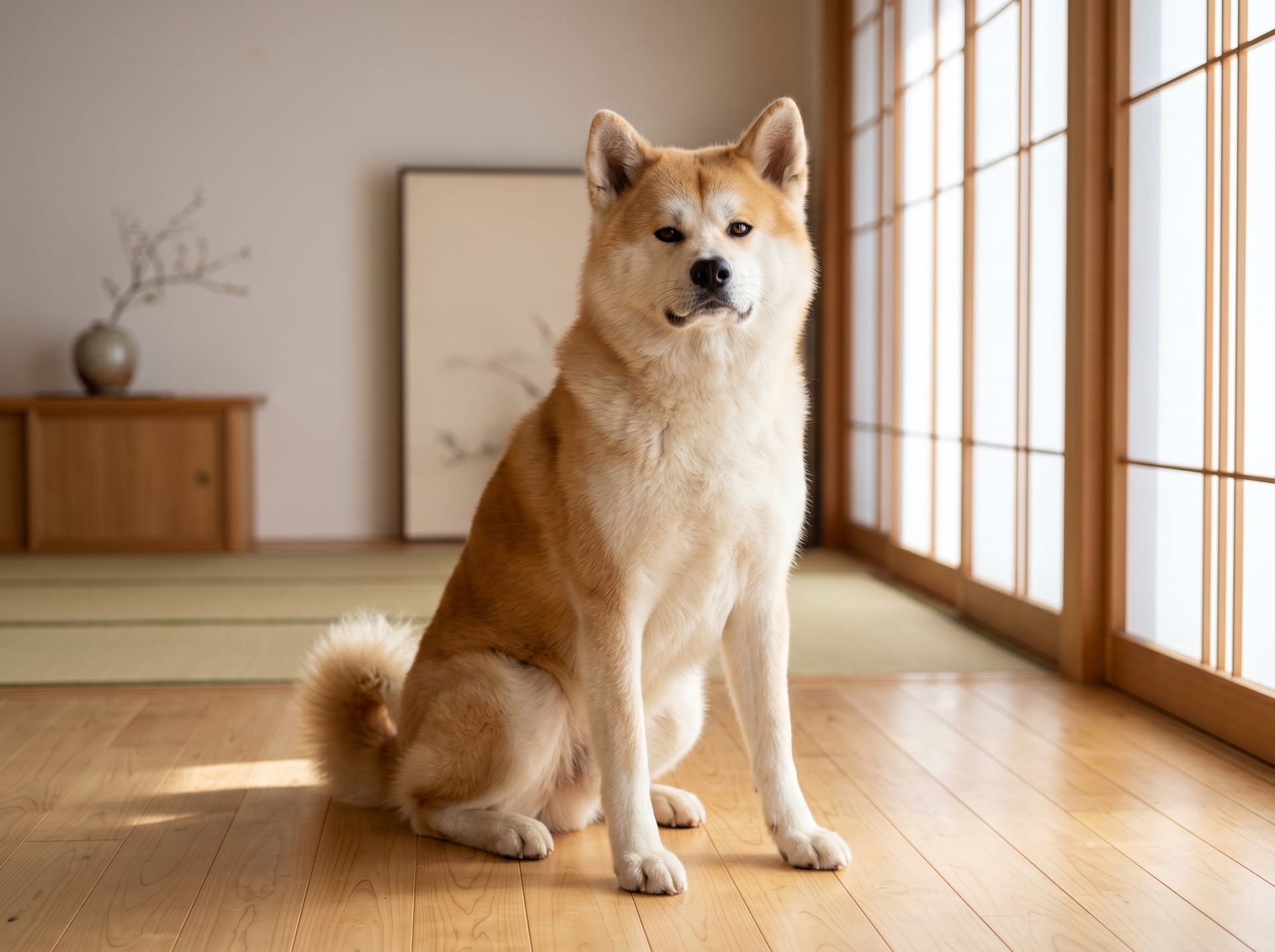
When "Japanese dogs" are mentioned, the Shiba Inu and Akita are widely recognized. However, the Kai Ken, Shikoku Ken, and Kishu Ken, while equally Japanese native dog breeds, have maintained their tradition with relatively low recognition both domestically and internationally. These three breeds are designated as Natural Monuments and are precious dogs that embody Japan's hunting dog culture and the ecology of mountainous regions.
Japanese Native Dog Breeds (Natural Monument Designations)
| Breed | Designated Year | Origin |
|---|---|---|
| Shiba Inu | 1936 | Various regions throughout Japan |
| Akita | 1931 | Akita Prefecture |
| Kai Ken | 1934 | Yamanashi Prefecture (formerly Kai Province) |
| Shikoku Ken | 1937 | Kochi Prefecture |
| Kishu Ken | 1934 | Wakayama and Mie Prefectures |
| Hokkaido Ken | 1937 | Hokkaido |
Kai Ken
History and Characteristics
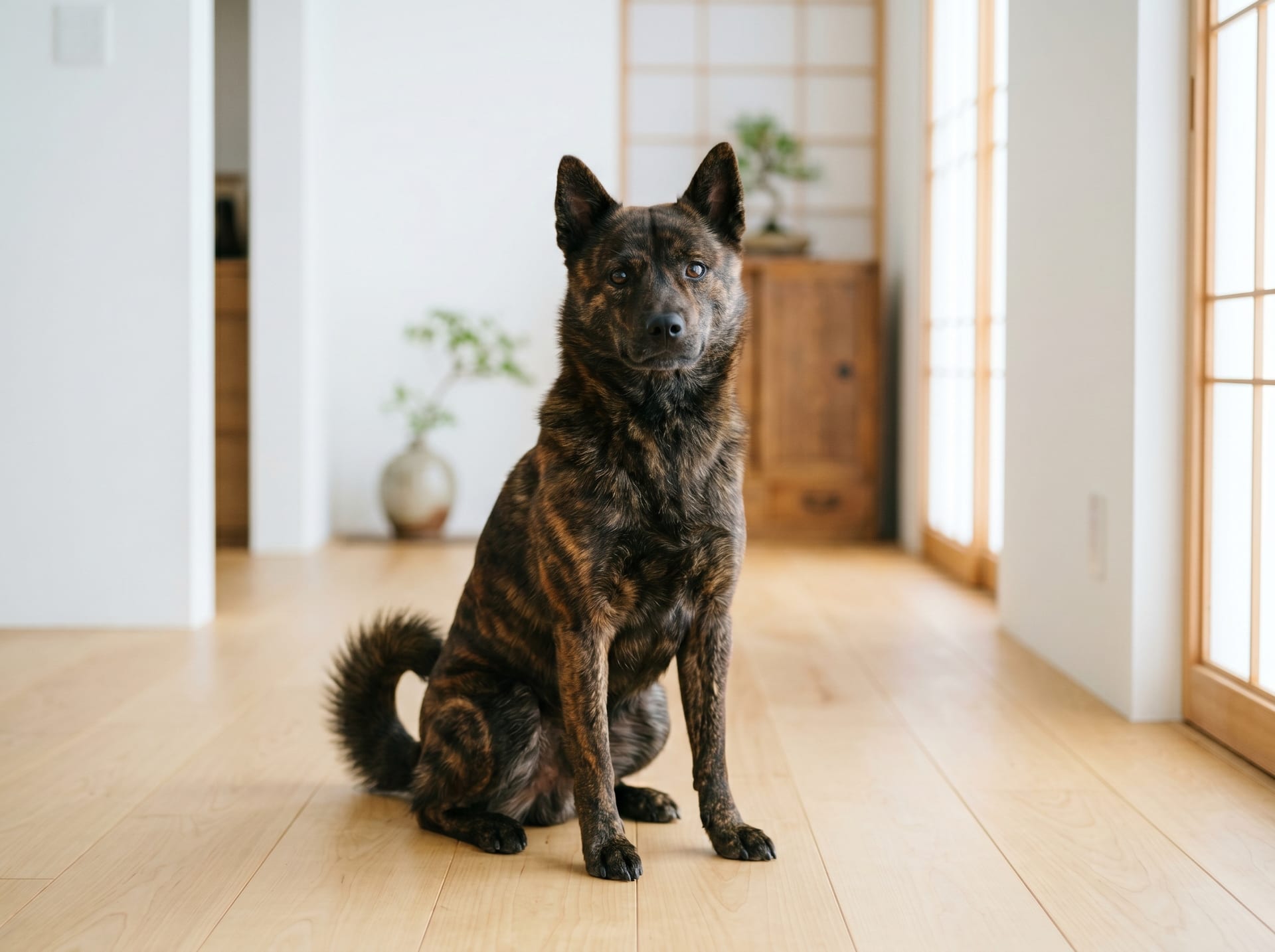
The Kai Ken originated in Kai Province, Yamanashi Prefecture (present-day Yamanashi Prefecture). From the Edo period, it was used as a mountain hunting dog for wild boar and deer hunting in mountainous terrain. Its most distinctive characteristic is the striped pattern called tiger brindle, which comes in three varieties: black brindle, red brindle, and middle brindle.
| Item | Details |
|---|---|
| Height | Male: 47-53 cm / Female: 42-48 cm |
| Weight | 11-19 kg |
| Coat | Hard, straight hair (double coat) |
| Temperament | Loyal, independent-minded, courageous |
| Exercise Needs | High (ideally 60-90+ minutes of exercise per day) |
Kai Ken Breeding Tips
The Kai Ken is fiercely loyal to its owner/family and tends to be wary of strangers and unfamiliar dogs. Early socialization training is essential.
- Due to its physique suited for mountain and high-altitude activities, long daily walks are necessary
- The tiger brindle pattern gradually develops as the dog matures (faint in puppies)
- For maintaining purebred lines, it is recommended to obtain individuals registered with the Japan Kai Ken Society (Kai Ken Preservation Society)
Shikoku Ken
History and Characteristics
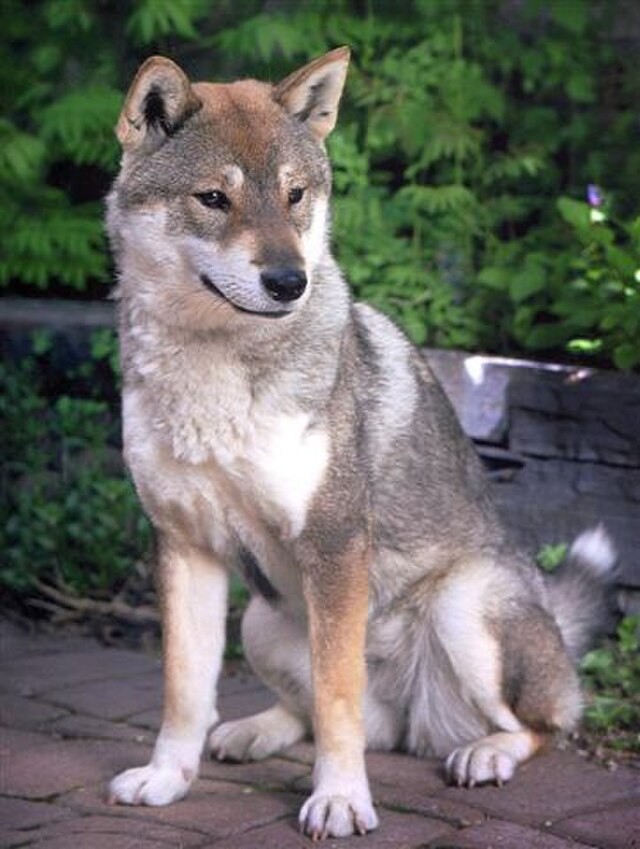
The Shikoku Ken, originating from the mountainous areas of Kochi Prefecture, is a hunting dog of the Shikoku Mountains specializing in wild boar hunting. It is a medium-sized dog, larger than a Shiba Inu but smaller than an Akita, with a lean, well-muscled build.
| Item | Details |
|---|---|
| Height | Male: 49-55 cm / Female: 46-52 cm |
| Weight | 16-26 kg |
| Coat | Sesame color (black sesame, red sesame, white sesame) are most common |
| Temperament | Alert, courageous, persistent, intelligent |
| Exercise Needs | Very high (hunting dog-level stamina) |
Shikoku Ken Breeding Tips
The Shikoku Ken has exceptional intelligence and independence. Rather than a breed that simply follows commands, it has a strong hunting dog mentality of 'making its own decisions based on the situation,' making it unsuitable for first-time owners.
- Due to its strong hunting instincts, off-leash outings carry the risk of pursuing small animals
- While very obedient to owners with whom it has built trust, socialization with strangers and other dogs must be actively encouraged from puppyhood
- Selecting individuals registered with the Japan Dog Preservation Society confirms purebred status
- Due to limited breeding numbers in Japan, it is treated as a rare breed
Kishu Ken
History and Characteristics
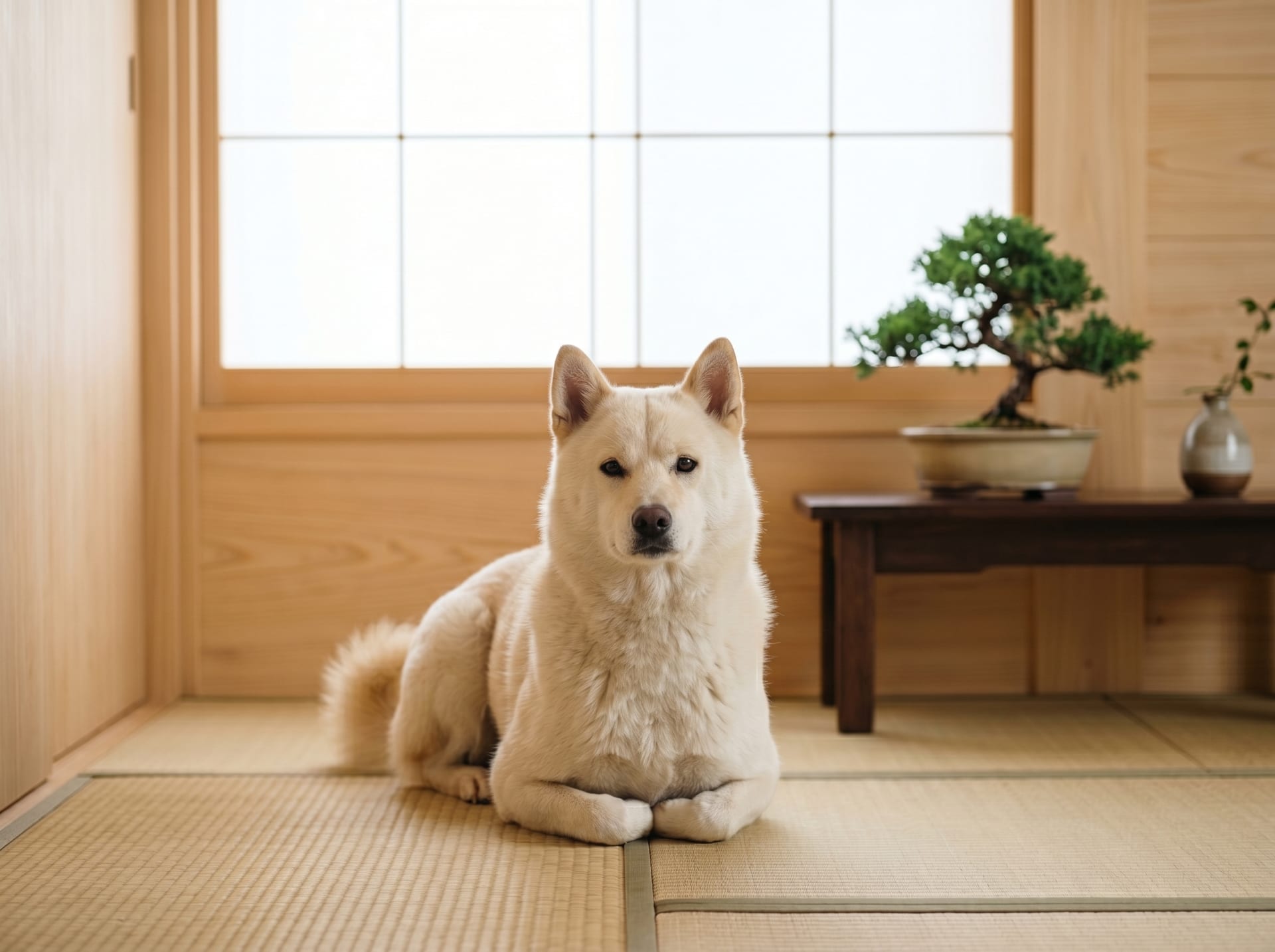
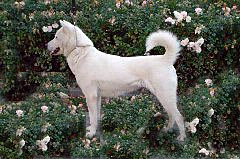
The Kishu Ken, originating from the Kii Peninsula in Wakayama and Mie Prefectures, is a medium-sized hunting dog used for wild boar and deer hunting in mountainous terrain. It is most known for its white as the standard color, with pure white coat and lean build making it a beautiful breed.
| Item | Details |
|---|---|
| Height | Male: 49-55 cm / Female: 46-52 cm |
| Weight | 13-27 kg |
| Coat | White (standard color), red, sesame |
| Temperament | Loyal, gentle (relatively calm among Japanese dogs), independent |
| Exercise Needs | High (60+ minutes of exercise per day) |
Kishu Ken Breeding Tips
Compared to the Shikoku Ken and Kai Ken, the Kishu Ken tends to be gentle and sociable, making it one of the easier Japanese native breeds to raise.
- Since dirt shows easily on pure white coats, brushing once or twice weekly and bathing approximately once a month is necessary
- Shedding (undercoat molting) is heavy in spring and autumn, requiring frequent brushing to manage
- For purebred preservation, individuals registered with the Kishu Ken Preservation Society are recommended
Common Breeding Considerations for Japanese Native Breeds
Health Management
Japanese native dog breeds are generally considered genetically healthier and more robust compared to foreign breeds (Western breeding lines), but the following points require attention.
- Hip dysplasia: Can occur in larger individuals. Particular caution is needed in larger lineages of Kai Ken and Shikoku Ken
- Allergic dermatitis: Food and environmental allergies can occur as in other breeds
- Regular vaccinations: Combined vaccines (5-8 types) plus rabies vaccination are mandatory for all dog breeds
Training Approach
Japanese native dog breeds are highly independent-minded, and simple 'command-obedience' style training may not suit them well.
- Trust-based positive training is more effective than forceful training
- Socialization from an early age (2-3 months old) with various people, dogs, and environments is essential for behavioral stability
- Handle training with understanding of hunting dog instincts (pursuit and independent behavior)
Utilizing Japanese Dog Preservation Societies
For obtaining purebred individuals and confirming breeding information, consulting with preservation societies is most reliable.
- Japan Dog Preservation Society (Public Interest Incorporated Association): Oversees Shiba Inu, Shikoku Ken, Kishu Ken, Kai Ken, and others
- Regional breeding dog registries and exhibition information are publicly available
- Participation in exhibitions (dog shows) allows you to encounter purebred individuals and those with ideal body types
The Kai Ken, Shikoku Ken, and Kishu Ken are descendants of true mountain hunting dogs nurtured alongside Japan's natural environment. These breeds, with their wild temperament and spirit distinct from Shiba Inu and Akita, are an excellent match for owners with deep understanding and experience. From the perspective of preserving and passing down purebred lines, an increase in owners interested in these breeds will contribute to the continuation of Japanese dog culture.