Boston Terrier Complete Care Guide | Brachycephalic Breathing Care, Temperament, Training, and Health Management
A detailed guide to Boston Terrier characteristics, temperament, and health management. From brachycephalic-specific breathing care and temperature management to eye disease prevention and training tips—essential information for Boston Terrier owners.
Key Takeaways
A detailed guide to Boston Terrier characteristics, temperament, and health management. From brachycephalic-specific breathing care and temperature management to eye disease prevention and training tips—essential information for Boston Terrier owners.
Related Species
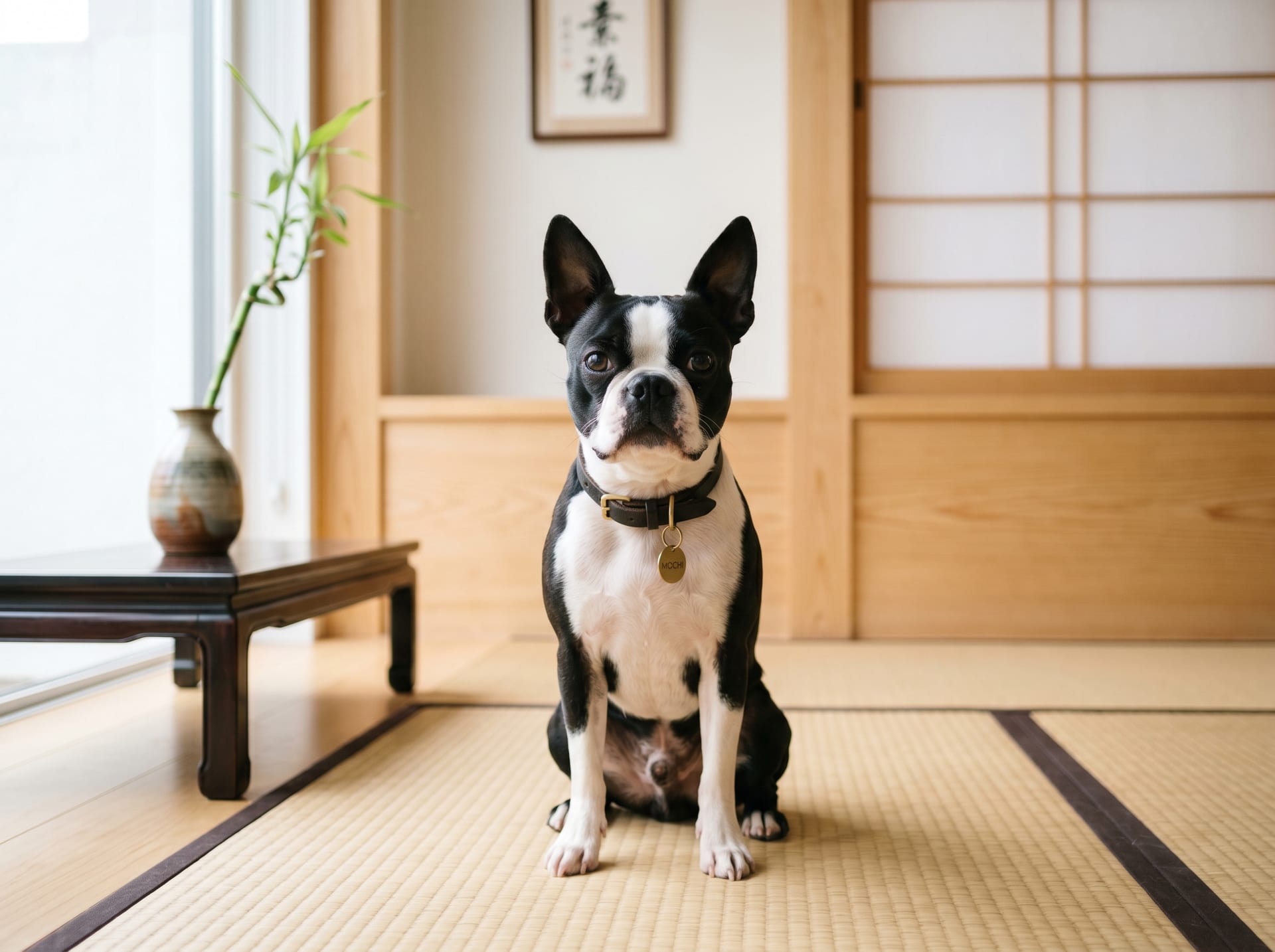

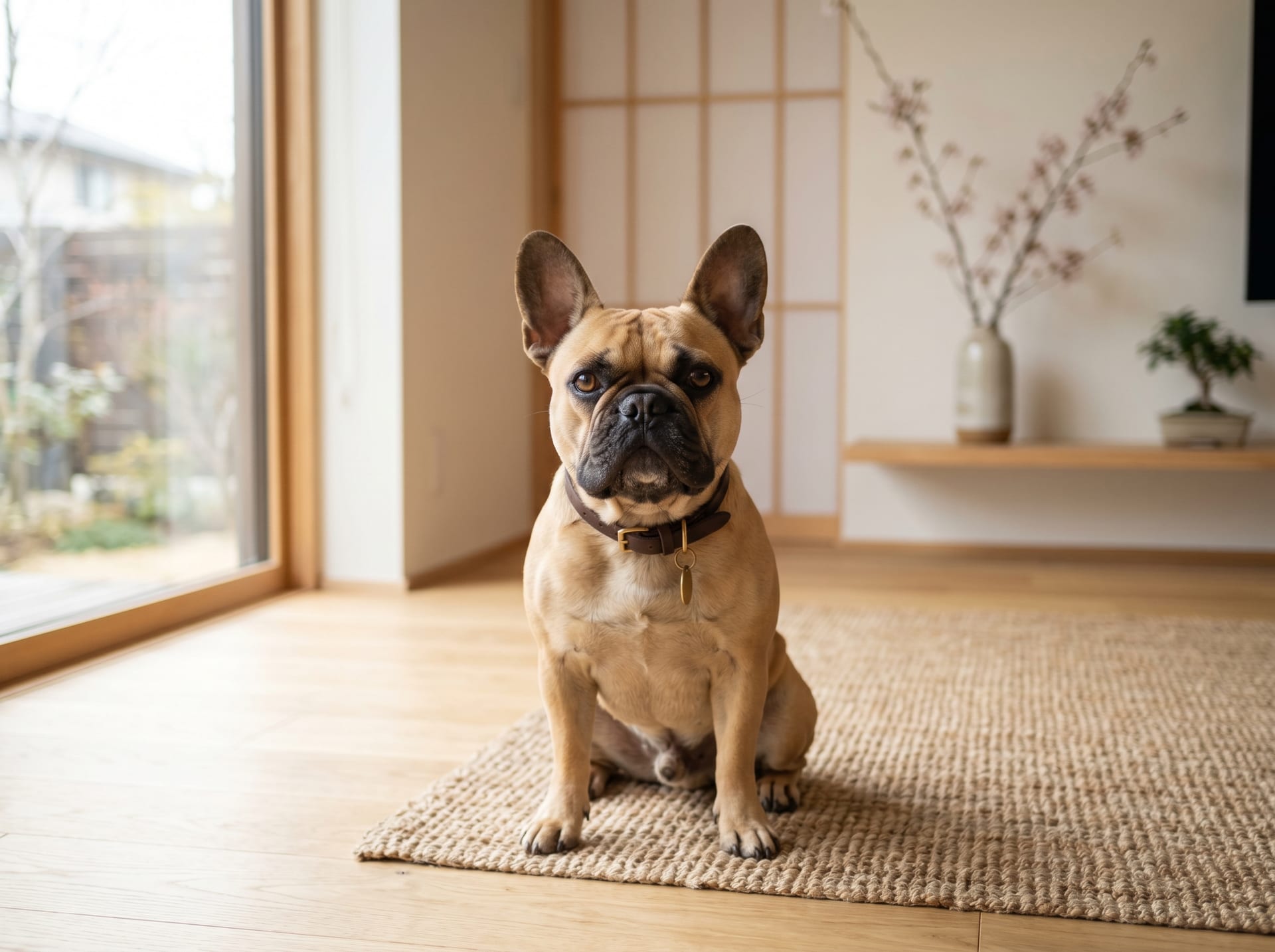
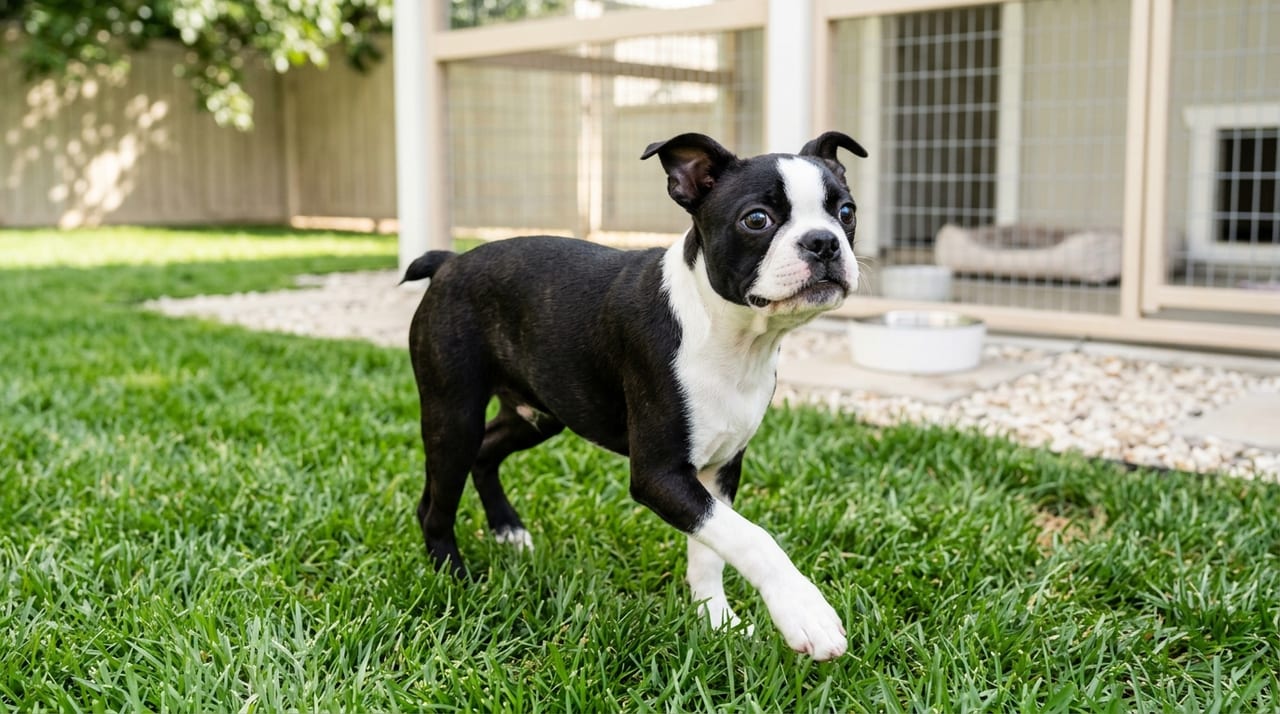
Known as the "American Gentleman," the Boston Terrier is a small dog with a distinctive tuxedo-like pattern in white and black (or burgundy). With a bright and lively temperament and a strong affection for family, they are relatively well-suited for first-time dog owners. However, like other brachycephalic breeds such as Pugs and French Bulldogs, they are prone to respiratory issues, so proper knowledge and care are essential.
Boston Terrier Characteristics and History
The Boston Terrier is a purely American breed that originated in Boston in the late 19th century. It is believed to descend from a cross between the English Bulldog and the White English Terrier, and while originally used as a fighting dog, it was refined for a gentle temperament and became popular as a companion dog. It was registered with the AKC (American Kennel Club) in 1893, making it a historically significant breed.
They weigh 5–11 kg (classified into three categories), stand approximately 28–38 cm tall, and have a lifespan of 11–13 years. Their coat is short and glossy, with distinctive white and black or white and burgundy (dark brown) markings. Their large, round eyes and expressive facial features are part of their appeal.
They have a bright, playful temperament and typically get along well with children and other dogs. They are intelligent with good learning ability and respond relatively well to training. They also bark infrequently and are calm, making them suitable for apartment living and condominiums.
Breathing Management and Heat Stroke Prevention in Brachycephalic Breeds
The Boston Terrier is a brachycephalic breed characterized by anatomical features including narrow nostrils, elongated soft palate, and a narrow trachea, which make it prone to respiratory difficulty. Special care is needed in the following situations:
- High temperature and humidity during summer
- After vigorous exercise or excitement
- When overweight
Because they are prone to heat stroke, summer walks should be limited to cool times early in the morning or at night, and each walk should be kept to about 15–20 minutes. It is recommended to always use air conditioning indoors and maintain the temperature at 27°C or below. Ensure your dog always has access to clean, fresh water for hydration.
If symptoms are severe (persistent loud snoring even at rest, marked exercise intolerance, or constant mouth breathing), consulting a veterinarian about surgical correction options (nostril widening or soft palate resection) is one consideration. Many cases have been reported where surgery significantly improves quality of life.
Eye Care and Ophthalmologic Diseases
Boston Terriers have large, protruding eyes, making them prone to eye diseases. The following are known as major ophthalmologic concerns:
Corneal ulcers and keratitis: Because the eyes are large and exposed, the cornea is easily scratched by injury or dust. If you notice increased eye discharge, squinting, or frequent eye scratching, seek veterinary care promptly.
Cherry eye (third eyelid gland prolapse): A red, small bump-like protrusion appearing at the inner corner of the eye. Left untreated, it can lead to chronic inflammation, and surgical correction may be necessary.
Glaucoma and cataracts: Risk increases with age. Make annual eye examinations a routine.
For daily care, check around the eyes each day and gently wipe away any discharge with a clean gauze moistened with warm water. When touching the eyes, use clean hands to minimize infection risk.
Diet Management and Exercise
Boston Terriers have a hearty appetite and tend to gain weight easily. Feed an appropriate amount of dog food suited to their build, divided into two meals daily, and keep treats to no more than 10% of total calories. An ideal body condition shows a visible waist and ribs that are easily felt but not prominently visible. Obesity worsens respiratory issues and increases strain on joints and the heart.
Moderate exercise is important. Because they are a brachycephalic breed, strenuous exercise should be avoided, but appropriate exercise is essential for maintaining muscle and preventing obesity. Aim for about 30 minutes of daily walking (shorter during hot periods) and incorporate mental stimulation through play and puzzle toys indoors. Boston Terriers are an intelligent breed and often enjoy "thinking games" as much as or more than physical exercise.
Training and Socialization
Boston Terriers learn quickly and pick up basic commands relatively fast. Begin training early using positive reinforcement methods (praise and treat rewards). Emotional punishment or physical discipline can increase behavioral problems due to stress.
During the socialization period (weeks 3–16 of age), actively expose them to various people, environments, sounds, and other dogs. Experiences during this critical period greatly influence their adaptability as adults. However, avoid contact with unvaccinated dogs until their vaccination series is complete.
Make annual veterinary check-ups routine, focusing on eyes, respiratory system, teeth, and weight. Common diseases in Boston Terriers include BOAS (brachycephalic obstructive airway syndrome) and corneal disease, as well as dystocia (brachycephalic breeds often require cesarean sections) and allergic dermatitis.
Summary
The Boston Terrier is a charming breed with a bright, humorous personality that adapts well to urban living. By paying attention to three key aspects—breathing management, eye care, and obesity prevention—you can enjoy a healthy, long life together. When acquiring a Boston Terrier from a breeder, it is important to verify the parents' respiratory status and ophthalmic disease history, and to choose a dog that has been carefully health-managed.