Complete Guide to Raising Hokkaido Dogs (Hokkaido Ken) | Natural Monument, Japanese Native Breed, Temperament, Training, Health Management
Detailed explanation of the characteristics, temperament, rearing environment, training methods, and common health issues of the Hokkaido Dog (Hokkaido Ken), a Japanese natural monument. Introduces proper care methods for this loyal Japanese native breed with hunting dog instincts.
Key Takeaways
Detailed explanation of the characteristics, temperament, rearing environment, training methods, and common health issues of the Hokkaido Dog (Hokkaido Ken), a Japanese natural monument. Introduces proper care methods for this loyal Japanese native breed with hunting dog instincts.
Related Species
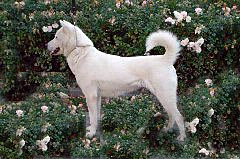
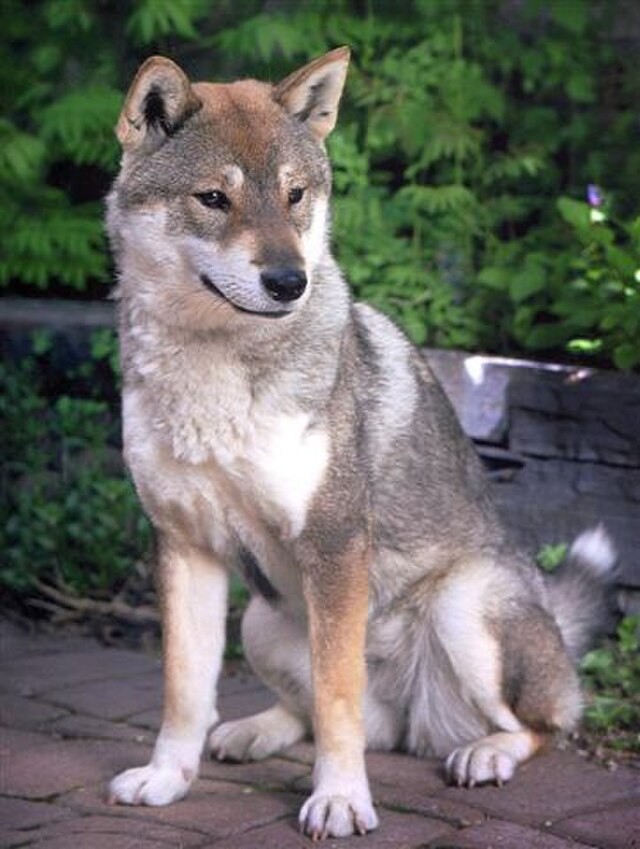
What is the Hokkaido Dog?
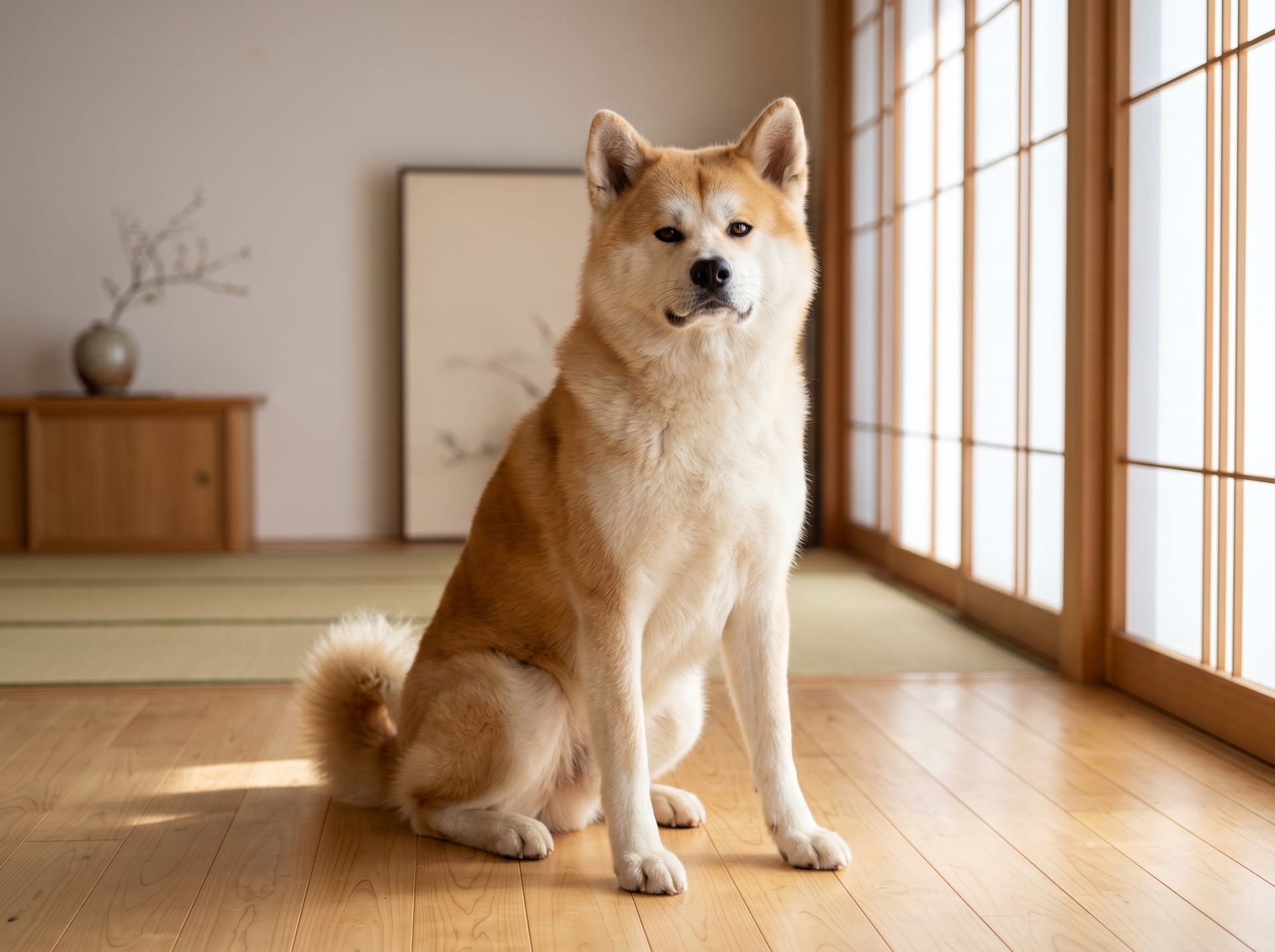
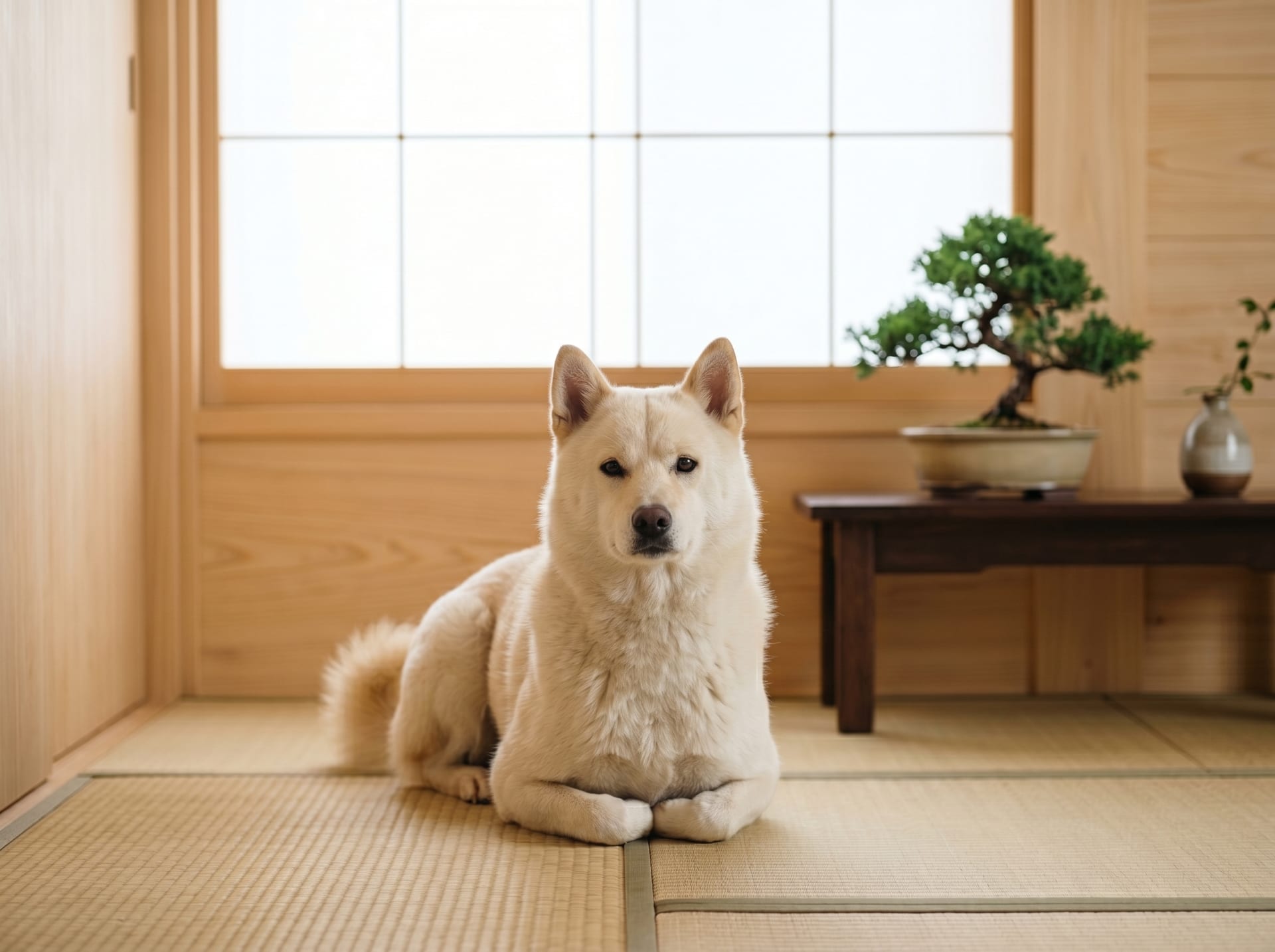
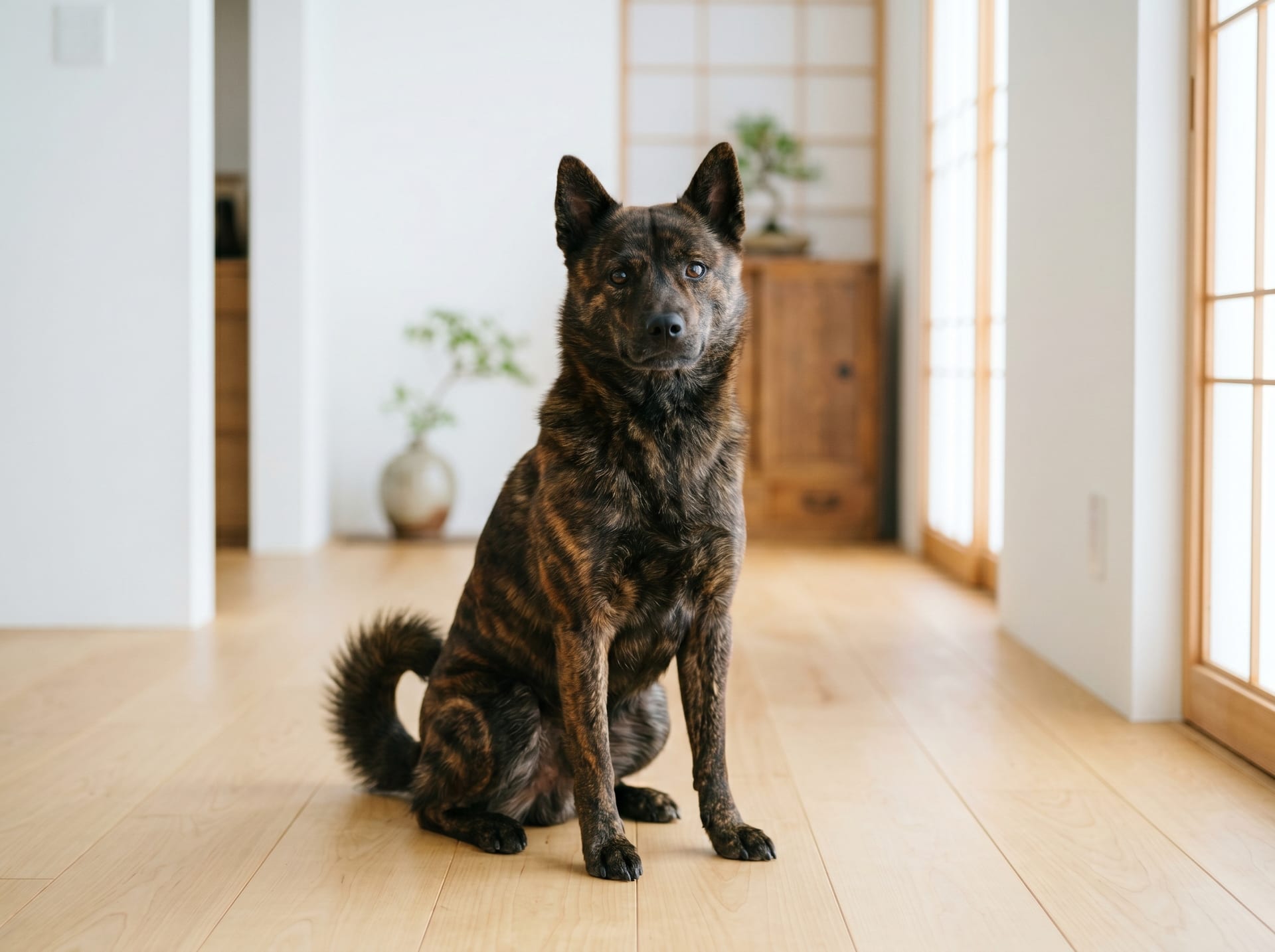
The Hokkaido Dog (Hokkaido Ken, commonly known as "Dosanko") is one of Japan's native dog breeds, designated as a National Natural Monument in 1937. It is a dog that the Ainu people lived with as a hunting companion for many centuries, and is an extremely robust breed adapted to Hokkaido's harsh natural environment.
The Shiba Inu, Akita Inu, Kai Ken, Shikoku Ken, Kishu Ken, and Hokkaido Ken are known as the "Six Japanese Dog Breeds," and the Hokkaido Dog is the northernmost breed developed in the coldest climate among them.
Appearance and Build
The Hokkaido Dog is a medium-sized breed characterized by a powerful and well-balanced build.
- Height at Shoulder: Males 48–52 cm, Females 45–48 cm
- Weight: Males 20–30 kg, Females 15–25 kg
- Coat Colors: Sesame, red, white, black, brindle, black and white, and others
- Coat Type: Double-layered (soft, downy undercoat with hard, straight outer coat)
- Ears: Erect
- Tail: Curled or sickle-shaped
Overall, the breed presents a muscular and sturdy appearance. The facial expression appears intelligent and keen, but the dog shows a very obedient side toward its owner.
Temperament and Characteristics
The Hokkaido Dog possesses both hunting instincts and qualities suitable as a family dog.
Strengths:
- High loyalty to its owner
- Brave and courageous
- High endurance in harsh environments
- Cold-hardy (double coat provides excellent insulation)
- Excellent watchdog abilities
Points to Note:
- Strong-willed with a stubborn streak
- Prey drive toward other animals (small animals, cats, etc.)
- May be challenging for first-time dog owners
- Requires substantial exercise
- Has a loud bark
Rearing Environment
Living Environment
The Hokkaido Dog is highly active and requires significant exercise. While apartment living is not impossible, it is only feasible if sufficient exercise can be provided. Ideally, a house with a yard or a spacious environment is most suitable.
For Indoor Keeping:
- Provide sufficient space for exercise
- Daily walks twice or more, each 30–60 minutes, are essential
- Prone to stress if left alone for extended periods
For Outdoor Keeping:
- A sturdy fence and safe shelter are required
- Summer heat protection (shade and fresh water must be available at all times)
- Winter is manageable due to their cold-hardy nature, so special heating is not required
Temperature Adaptation
The Hokkaido Dog is adapted to cold climates and is extremely cold-hardy, allowing outdoor living even in subzero temperatures. Conversely, it is relatively heat-sensitive, so heat stroke precautions are necessary in summer. During peak summer, avoid midday walks and exercise during early morning or evening hours.
Training and Obedience
While the Hokkaido Dog is intelligent, its independent and stubborn nature requires patience and consistency in training.
Socialization During Puppyhood (2–4 Months) is Most Critical
Exposing the puppy to diverse people, places, sounds, and animals during this period can greatly prevent future behavioral problems. Focus especially on the following:
- Having many people hold and pet the puppy
- Acclimating to sounds of cars, motorcycles, vacuum cleaners, etc.
- Interaction with other dogs (puppy classes, etc.)
- Accustoming to nail trimming, tooth brushing, and ear cleaning
Establishing Leadership
It is important to establish that you are the leader in the relationship with the Hokkaido Dog. Use short, clear commands ("sit," "wait," "come") and maintain consistency in your language.
Positive Reinforcement
Positive reinforcement—rewarding good behavior—is more effective than punishment. Use rewards such as treats or balls that the dog enjoys.
Nutrition Management
The Hokkaido Dog has a hearty appetite, but obesity increases joint stress.
Recommended Diet:
- High-quality dry food (appropriate to weight, age, and activity level)
- Protein from meat and fish-based sources is recommended
- Feed twice daily (morning and evening)
Feeding Guidelines: For an adult dog weighing 25 kg, approximately 300–400 g per day (refer to package instructions). On days with high activity, slightly increasing the amount is acceptable.
Health Management and Common Health Issues
Hip Dysplasia
A hereditary condition common in medium to large breeds. Early symptoms include hind leg wobbling or limping. Weight management, moderate exercise, and non-slip flooring help prevent this condition.
Cataracts
Risk increases with age, particularly from age 7 onwards. Regular eye examinations are effective for early detection.
Otitis Externa
While less common due to erect ears, regular ear cleaning helps prevent infection.
Skin Conditions
During shedding seasons, matted fur can lead to dermatitis. Regular brushing prevents this condition.
Brushing and Grooming
The Hokkaido Dog's double coat sheds heavily during shedding seasons (spring and fall). During these periods, brushing 2–3 times per week or more is necessary. During normal seasons, weekly brushing is sufficient.
- Use a slicker brush and undercoat brush appropriately
- Bathing 1–2 times per month is recommended (excessive bathing removes natural oils)
- Trim nails approximately monthly
Points to Consider When Selecting a Breeder
Since the Hokkaido Dog is a rare breed, the number of available breeders is limited. It is important to obtain a healthy puppy from a reputable breeder.
Items to Verify:
- Health certificates and pedigrees of parent dogs
- Vaccination records
- Hip and eye health test results
- Registration with the "Japanese Dog Preservation Society" as a natural monument breed
Conclusion
The Hokkaido Dog is a proud breed that symbolizes Japan's history and culture. Its loyalty, endurance, and athletic ability are unparalleled, making it an ideal partner for active owners.
However, due to its strong independence and potential difficulty for first-time owners, thorough knowledge and a commitment to lifelong responsibility are essential before acquiring one. Understanding the charm of this natural monument breed and passing its cultural value to future generations is our responsibility.