Complete Guide to Raising Chow Chows | Temperament, Required Exercise, Double Coat Grooming, and Health Management
Explains the foundational knowledge needed to raise Chow Chows. Covers their unique temperament, necessary socialization, how to care for their lion-like double coat, and health issues such as entropion.
Key Takeaways
Explains the foundational knowledge needed to raise Chow Chows. Covers their unique temperament, necessary socialization, how to care for their lion-like double coat, and health issues such as entropion.
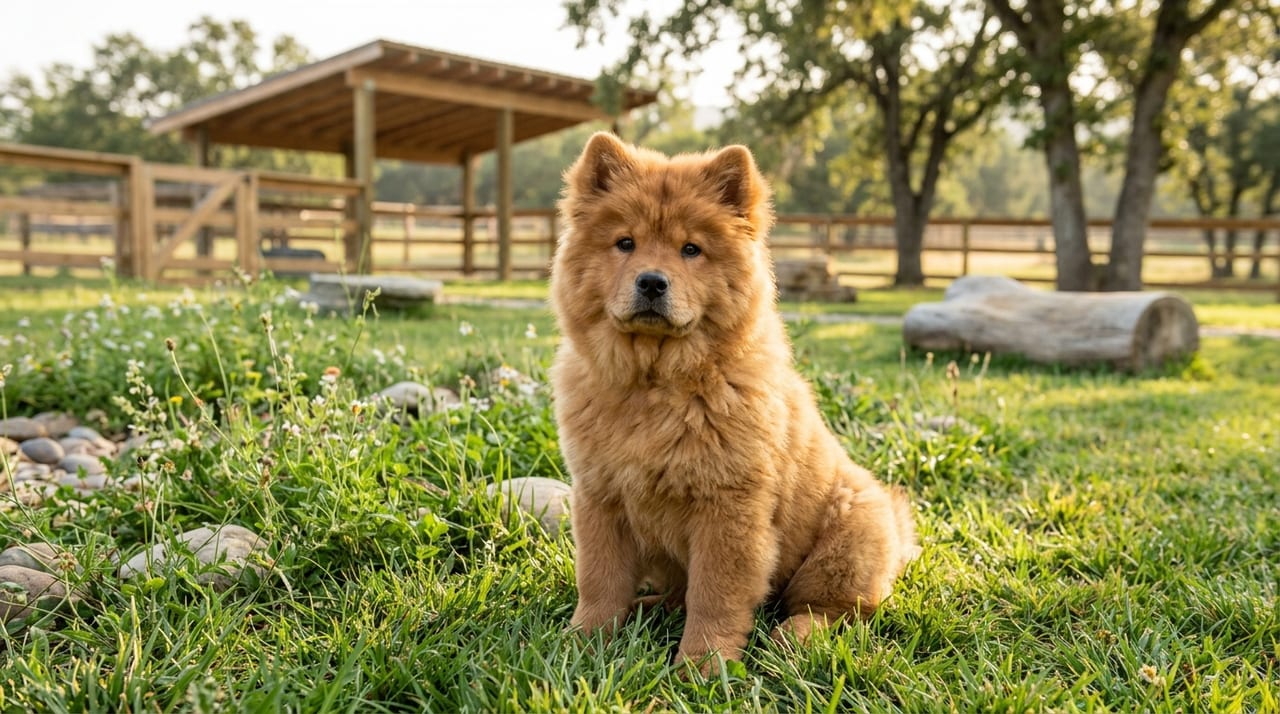
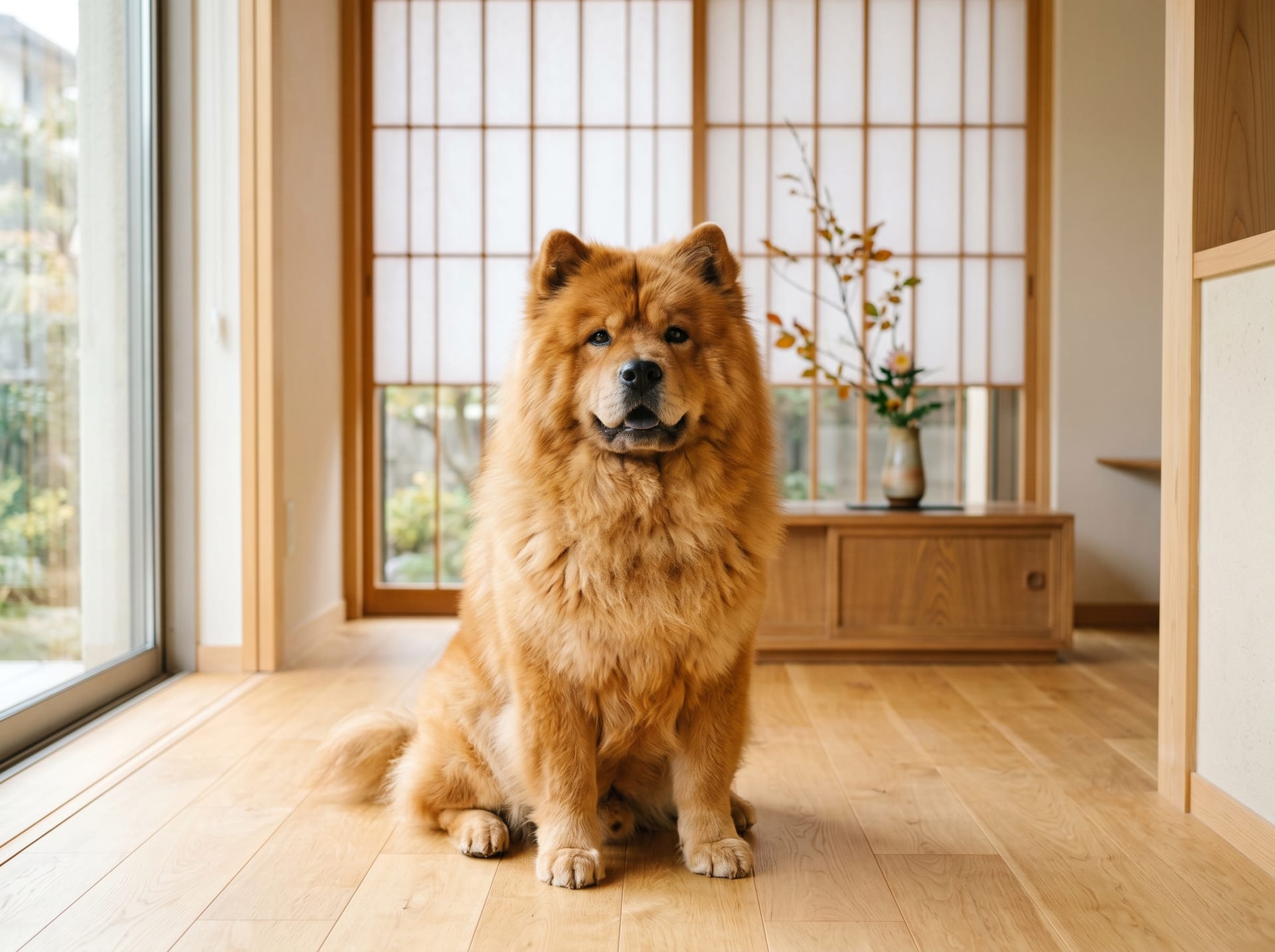
Chow Chows are an ancient breed originally bred in China, distinguished by their purple tongue and rich, lion-like coat. Often described as "the dog that acts like a cat" due to their unique appearance and strong independent spirit, they require a different approach to raising than typical dogs. However, their loyalty to owners who have built deep trust with them is exceptional, and they remain a beloved breed with devoted fans over many years.
✍️
BreederDirect Editorial
The BreederDirect editorial team specializes in care information for animals, covering veterinary care and breeding to deliver beginner-friendly guides.
Find Dogs on BreederDirect
Buy directly from verified breeders
Browse Related Listings
Find Dogs listings related to this article on BreederDirect. Buy directly from verified breeders.
Country of Origin: China (an ancient breed with a long history dating back to antiquity)
Weight: 20–32 kg (adult)
Height: 46–56 cm
Lifespan: 8–12 years
Coat Type: Two types—Rough (long-haired) and Smooth (short-haired)
Coat Colors: Red, black, blue, cream, and cinnamon
Temperament and Characteristics
Independence and Loyalty Balance
Chow Chows show less blind obedience to their owners compared to other breeds and have a strong tendency to decide for themselves "when and what they want to do." This temperament stems from their history of being selected as guard dogs and hunting dogs rather than solely as companion animals.
Once a trust relationship is established with their family, they show deep affection, but they often display aloof or cautious behavior toward strangers and other animals.
Multi-Dog Households and Sociability
Chow Chows tend to be prone to territorial disputes with same-sex dogs. In particular, keeping multiple males together requires careful management, and extensive socialization training from puppyhood is essential.
Training
They respond poorly to training that applies excessive pressure (punishment-based methods), and forceful approaches damage trust. What works for Chow Chows is "reward-based positive reinforcement." Once they learn a command, they execute it reliably, but they need to understand "why" they're doing it.
Required Exercise
Chow Chows are not active sporting dogs and are satisfied with moderate exercise.
Basic routine: Two walks daily, 30–45 minutes each
Intense exercise (long-distance running, agility, etc.) is prohibited in high temperatures due to their facial structure resembling short-muzzled breeds
In summer, limit activities to early morning and evening, and be mindful of heat from asphalt
Dog parks are not ideal (risk of sudden conflicts with other dogs)
Double Coat Grooming
The Chow Chow's abundant coat quickly becomes matted if neglected and can lead to skin diseases. Grooming is the most time-consuming aspect of Chow Chow care.
Brushing
Rough (long-haired) types require brushing three to four times per week or more
Smooth (short-haired) types are easier to manage with brushing once or twice per week
Use a combination of a slicker brush and comb. First brush in the opposite direction of the coat to loosen mats on the underside, then smooth them out.
Intensive Care During Shedding Season
During the two annual shedding seasons (spring and autumn), significant hair loss occurs. Daily brushing is necessary during these periods, and using a specialized undercoat rake (rake comb) efficiently removes the undercoat.
Bathing
Bathe your Chow Chow once or twice monthly. Failing to dry thoroughly can leave moisture between skin layers, increasing the risk of dermatitis and yeast infections. Thorough drying with a dryer takes time but should not be skipped.
Health Management and Diseases Requiring Attention
Entropion
Chow Chows are prone to entropion, a condition where the eyelid rolls inward. This causes eyelashes to contact the cornea, leading to inflammation and ulceration. If you notice redness or constant squinting, consult your veterinarian. Severe cases may require surgical correction.
Hip Dysplasia
Like large breeds, Chow Chows are susceptible to hip joint deformation. Prevention involves avoiding excessive jumping, slippery flooring, and maintaining ideal weight.
Heat Stroke
Their facial structure similar to short-muzzled breeds makes temperature regulation difficult. Extra caution is needed in summer, and air conditioning management is essential.
Hypothyroidism
Chow Chows have a relatively high risk of hypothyroidism. If you notice decreased activity, weight gain, or coat changes, have a blood test performed.
Puppy Socialization
Chow Chows are a breed in which missing the socialization "window" (3–14 weeks of age) can lead to fixed, strong wariness of strangers, sounds, and environments. Exposing them to a diverse range of people, sounds, places, and other dogs during this period directly affects their future manageability.
Summary
Chow Chows possess a rich coat, dignified appearance, and distinctive temperament, but they require commitment to grooming and understanding of their independent nature. When raised in a way that respects their cat-like independence while building trust, they become lifelong partners bound by deep affection. This breed is suited to owners who can dedicate time to coat care and health management.