Complete Guide to Raising Jack Russell Terriers | Exercise Needs, Training, and Health Management for Active Small Dogs
Comprehensive guide to raising Jack Russell Terriers. From managing their high exercise demands to preventing behavioral problems, positive training techniques, and managing genetic health issues like patellar luxation—a complete guide to keeping active small dogs healthy and thriving long-term.
Key Takeaways
Comprehensive guide to raising Jack Russell Terriers. From managing their high exercise demands to preventing behavioral problems, positive training techniques, and managing genetic health issues like patellar luxation—a complete guide to keeping active small dogs healthy and thriving long-term.
Related Species

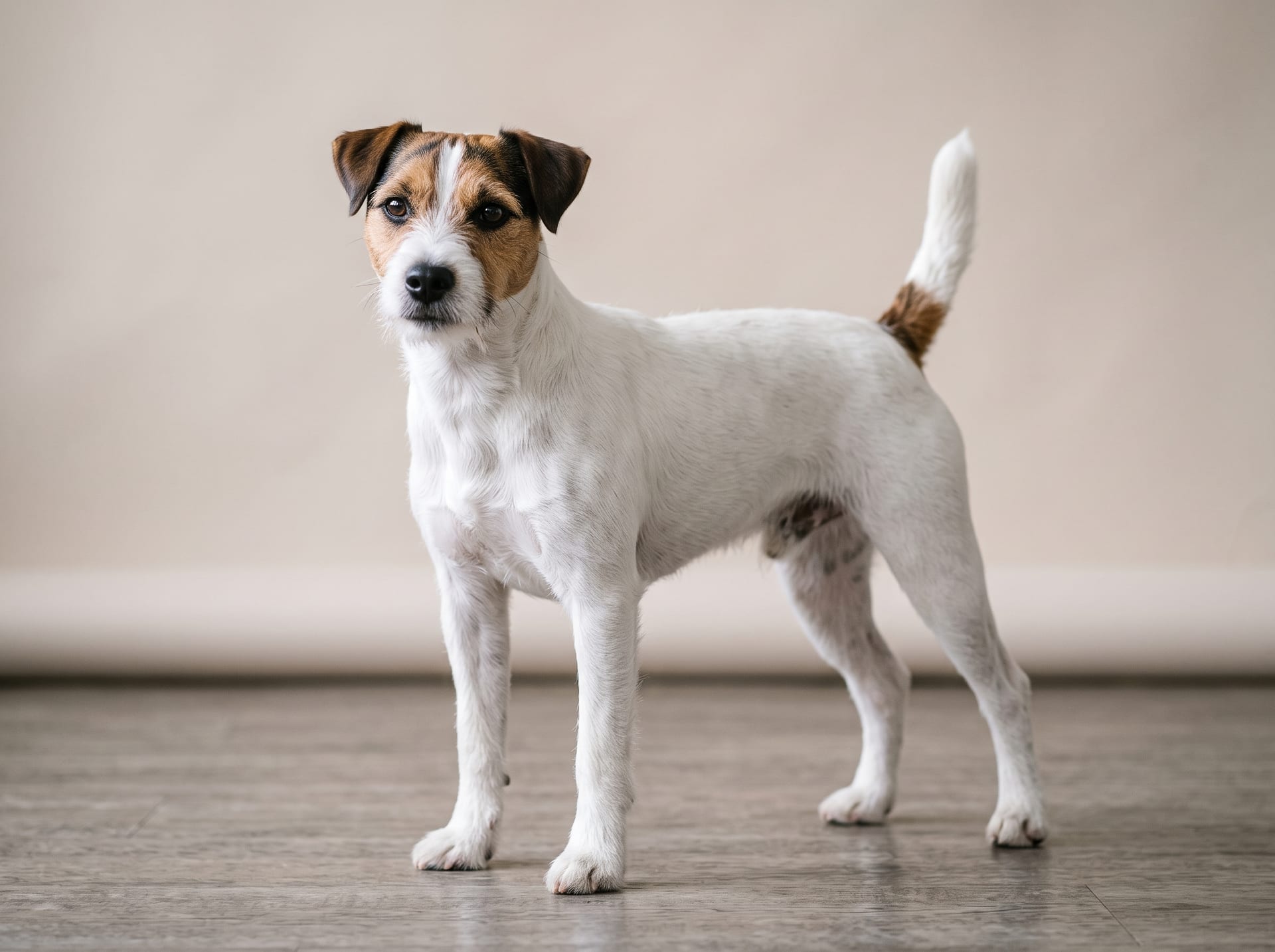
The Jack Russell Terrier is a small terrier originating from England with surprising energy and stamina despite its compact size. Originally bred as a working dog for fox hunting, the breed retains its high exercise drive, strong independence, and persistence to this day. Intelligent and affectionate, they make excellent partners for active owners, but insufficient exercise or mental stimulation can lead to behavioral problems. It's important to confirm in advance whether your lifestyle suits this breed.
Basic Information About Jack Russell Terriers
Breed Profile
| Item | Details |
|---|---|
| Country of Origin | England |
| Height | 25–30 cm |
| Weight | 5–8 kg |
| Lifespan | 13–16 years |
| Coat Type | Smooth (short hair), Rough (long hair), or Broken (medium length) |
| Key Traits | High energy, intelligent, independent-minded, vocal |
Differences from the Parson Russell Terrier
The JKC does not use the name "Jack Russell Terrier"; instead, "Parson Russell Terrier" is the officially recognized breed. However, "Jack Russell Terrier" is more widely recognized in Japan.
Main differences:
- Parson Russell Terrier: Slightly taller with longer legs. Square body structure
- Jack Russell Terrier (unrecognized): More diverse body types. Narrow chest that fits between two hands
Personality and Behavioral Traits
Typical Characteristics
If you had to describe a Jack Russell Terrier's personality in one phrase, it would be "a big heart in a small body."
- Extremely active and energetic: Requires a minimum of 1–2 hours of exercise daily
- Highly intelligent: Quick to learn but easily bored
- Strong terrier temperament: Independent-minded and makes decisions on their own
- Strong chase instinct: Powerful urge to chase moving things (cats, small animals, balls)
- Digging and escape attempts: May dig up yards or climb over fences
What Kind of Owner Is Best Suited?
Good for:
- Active owners who enjoy outdoor activities
- Those willing to actively engage in training and discipline
- People who can commit to daily exercise time
Not suitable for:
- Owners with low activity levels and sedentary, indoor-focused lifestyles
- First-time dog owners (Jack Russells' strong personalities can be overwhelming)
- Those seeking a quiet environment (they bark frequently)
Setting Up a Living Environment
Home and Safety Measures
Jack Russell Terriers are capable of jumping to heights five times their body height and have impressive digging abilities.
- Yard fencing: At least 1.5 m high, with reinforcement at the base to prevent digging escapes
- Doors and entryways: Be mindful of door gaps (they can squeeze through small openings)
- Indoor hazards: Due to their curiosity, keep potentially harmful items out of reach
Crate and House
Crate training is effective for teaching a safe space to relax. Associate the crate with positive experiences rather than using it as punishment.
- Crate size: Length of body × 1.5 times; height of body × 1.2 times
- Bedding: Use soft, comfortable materials like blankets or towels
Exercise and Play Strategies
Required Exercise Levels
Jack Russell Terriers require far more exercise than you'd expect for a small dog.
- Walks: Twice daily, 30–45 minutes each (90+ minutes total)
- Free exercise: Off-leash play in dog parks or safe outdoor spaces
- Games: Frisbee, fetch, chase games
Walks alone often don't fully satisfy their exercise needs. Combining high-intensity activities like fetch with regular walks is highly effective.
Mental Stimulation Through Puzzle Toys
Jack Russell Terriers need mental exercise as well as physical activity.
- Puzzle feeders like Kongs: Stuff with treats and let them problem-solve
- Nose work: Hide treats for them to find using their sense of smell
- Agility training: Create a course at home with obstacles to jump, crawl through, and run
Insufficient mental stimulation leads to destructive behavior, excessive barking, and escape attempts.
Training and Discipline
Key Training Tips
The most important principles for training Jack Russell Terriers are consistency and positive reinforcement.
- Rule consistency: "No today, yes tomorrow" creates confusion. All family members must enforce the same rules
- Short sessions: Keep training to 5–10 minutes, multiple times daily (longer sessions cause boredom)
- Avoid force: Punishment and scolding-based training damage trust and increase aggression risk
- Build on success: Start with simple tasks and gradually increase difficulty
Common Behavioral Problems and Solutions
Excessive barking:
- Increase walking to reduce frustration
- Teach the "quiet" command
- Ignore barking and reward silence
Pulling on the leash:
- Stop walking and only resume when the leash relaxes
- Turn around when they pull forward
Escape and digging:
- Provide sufficient exercise to burn excess energy
- Designate a "digging zone" in the yard
Health Management and Genetic Diseases
Health Issues to Monitor
Although Jack Russell Terriers are generally hardy, watch for these conditions:
- Patellar luxation: Common in small dogs. Limit jumping from heights
- Legg-Perthes disease: Degeneration of the femoral head. May occur around age one
- Progressive retinal atrophy (PRA): Hereditary condition causing gradual blindness. Verify breeder genetic screening
- Deafness: Particularly common in all-white individuals
Weight Management
Jack Russell Terriers are prone to overeating and obesity. Maintain their ideal weight (5–8 kg) by measuring daily food portions carefully and limiting treats.
Vaccinations and Prevention
- Combination vaccine: Initial puppy series and annual boosters
- Rabies vaccine: Required annually by law
- Flea and tick prevention: Year-round recommended for active dogs
- Heartworm prevention: Monthly medication from April to December
Summary
Jack Russell Terriers are energetic, intelligent, and affectionate dogs, but successfully raising them depends on providing an environment and time that matches their activity level. With daily adequate exercise, mental enrichment games, and consistent training, they become loyal and reliable companions. When acquiring from a breeder, verifying genetic disease screening (PRA, patellar status) and the parent dogs' temperaments is crucial for selecting a healthy individual that will thrive long-term.