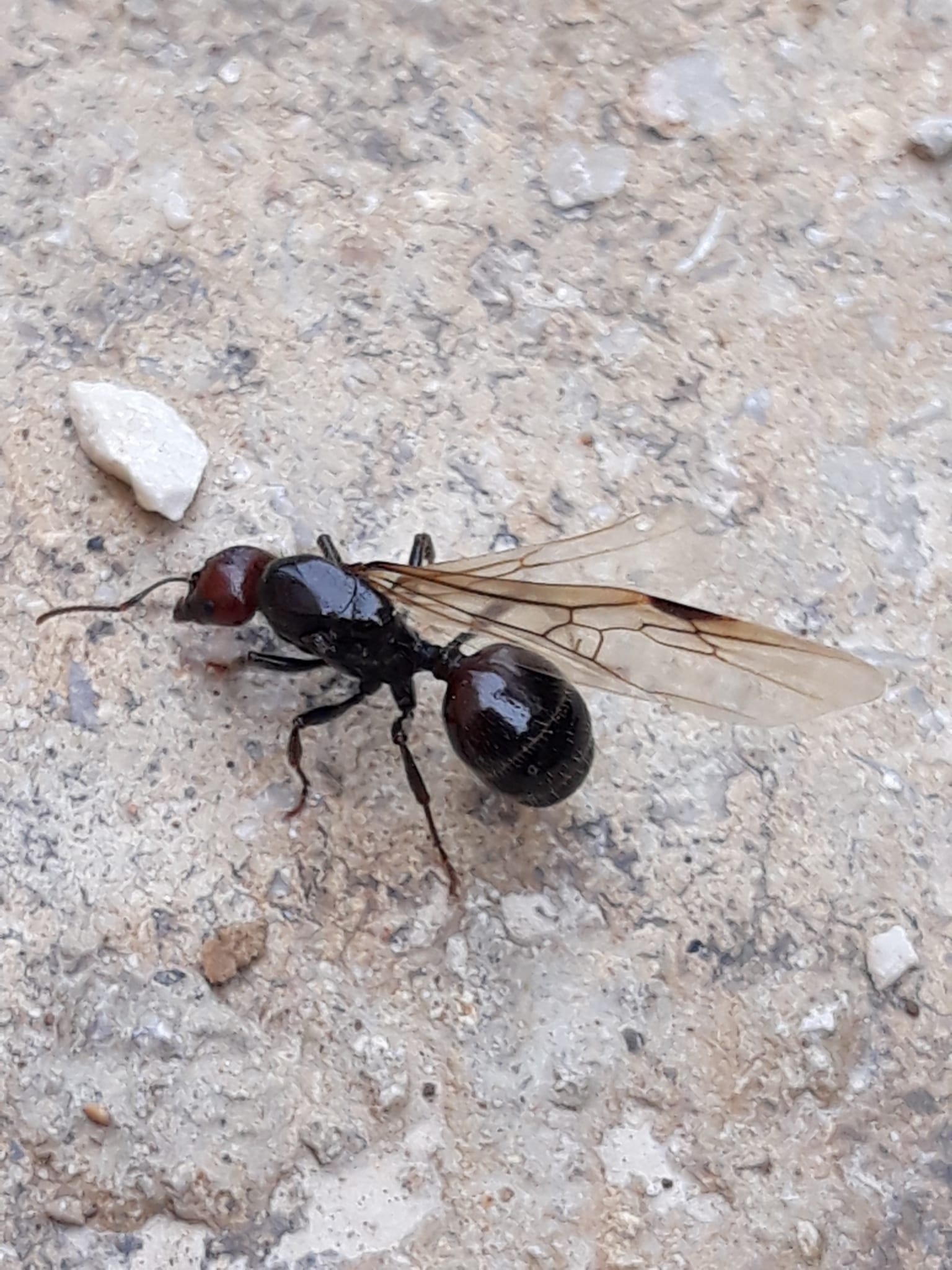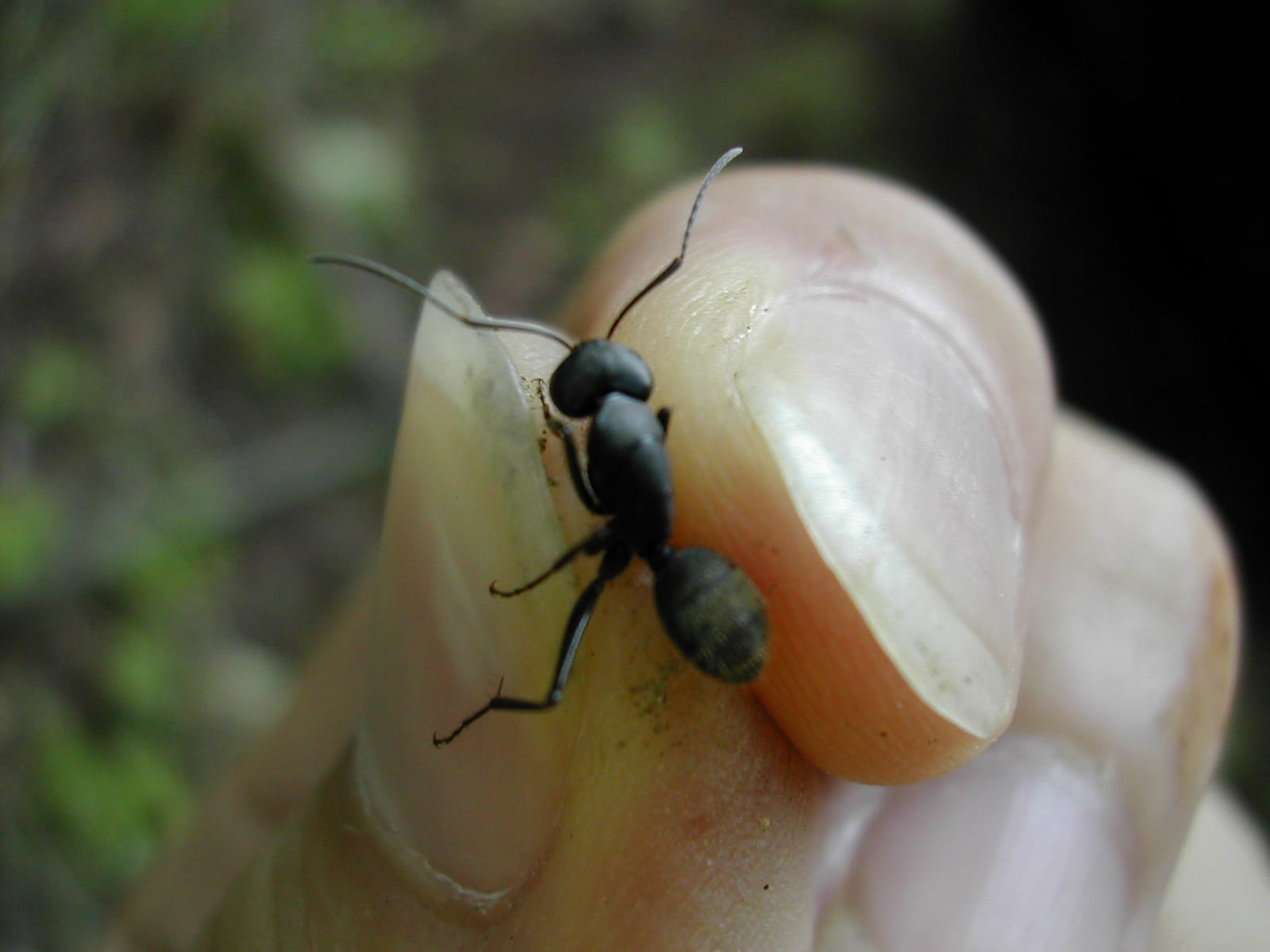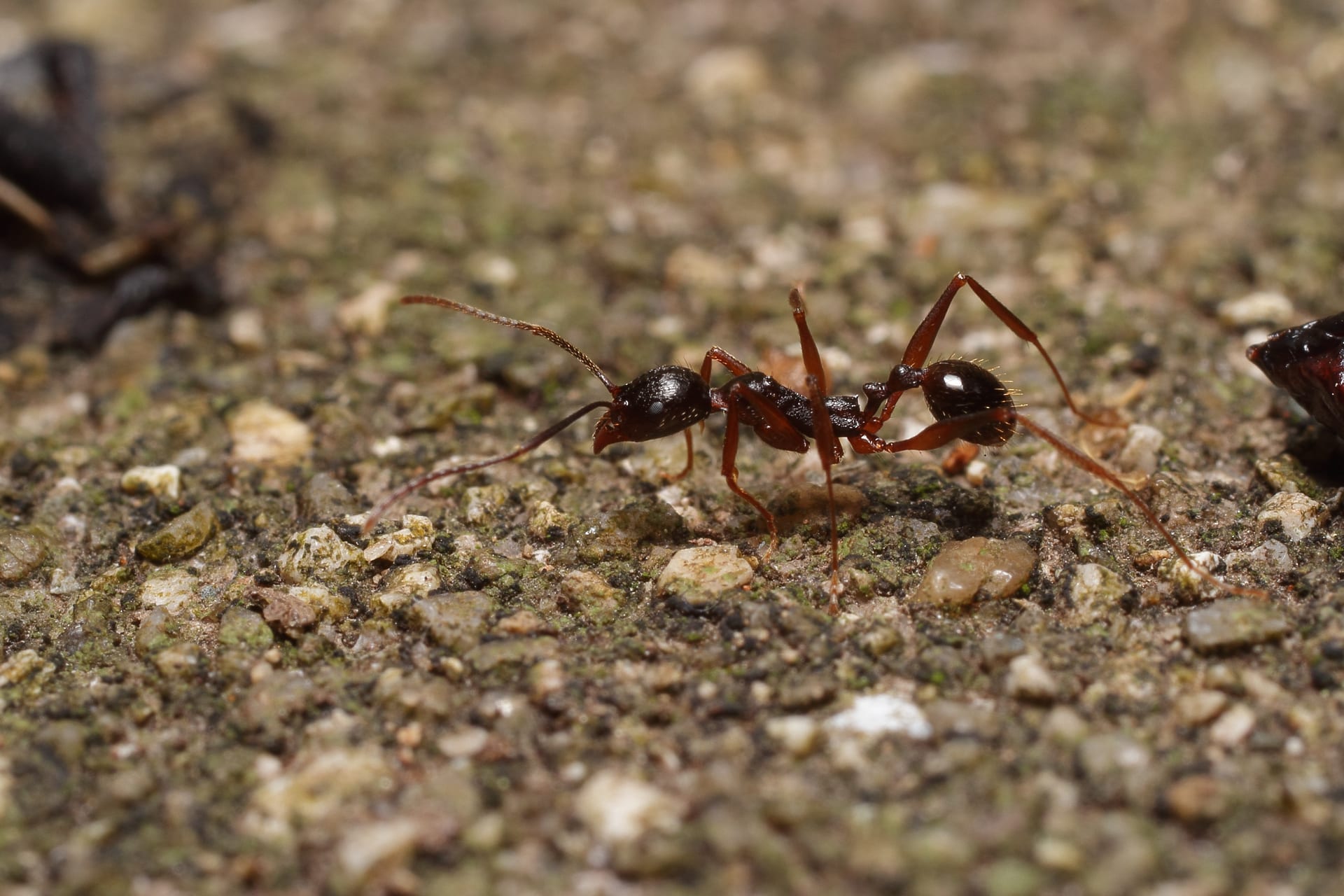
Source: Wikimedia Commons
Long-legged Ant
IntermediateAphaenogaster famelica
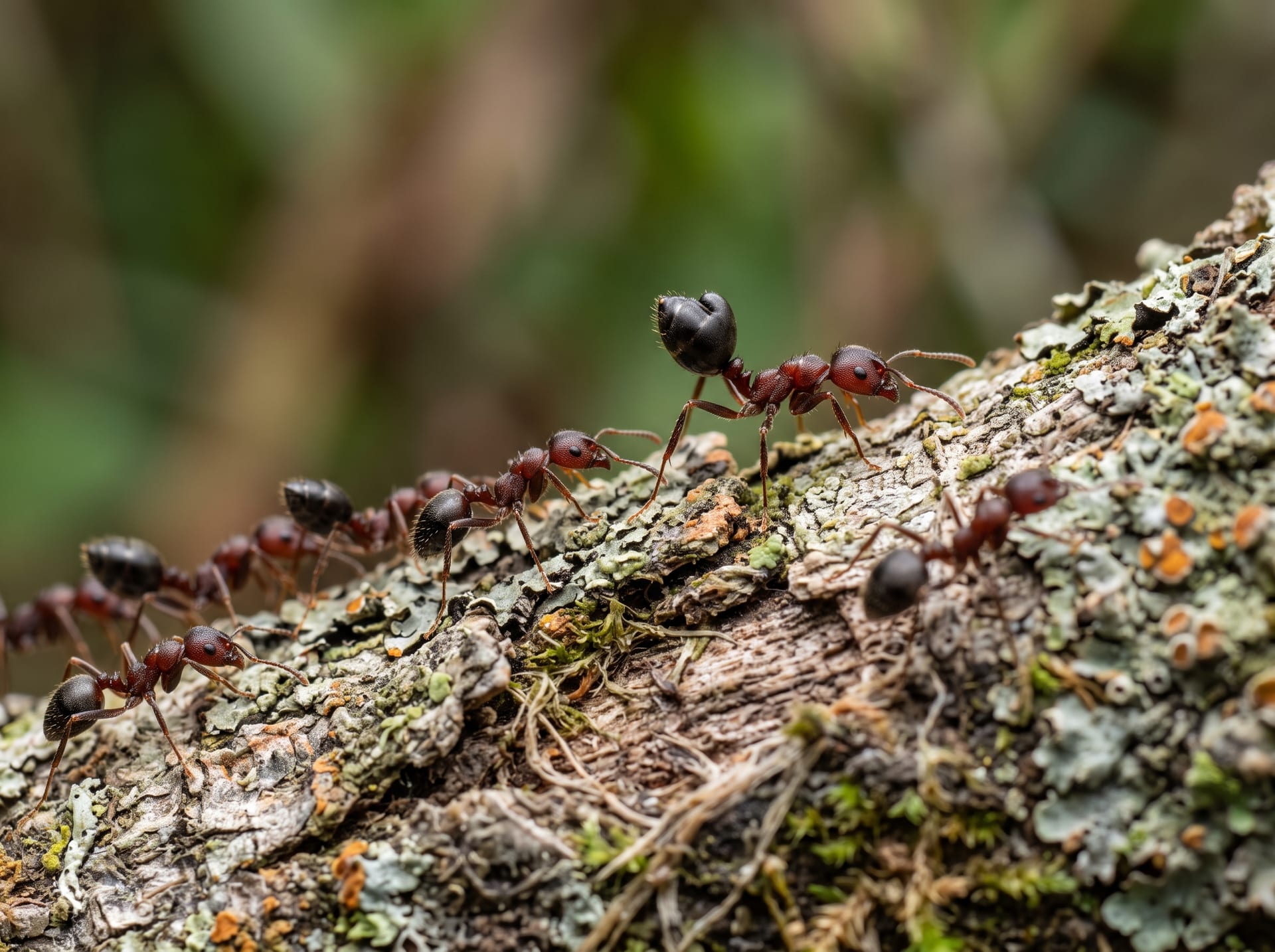
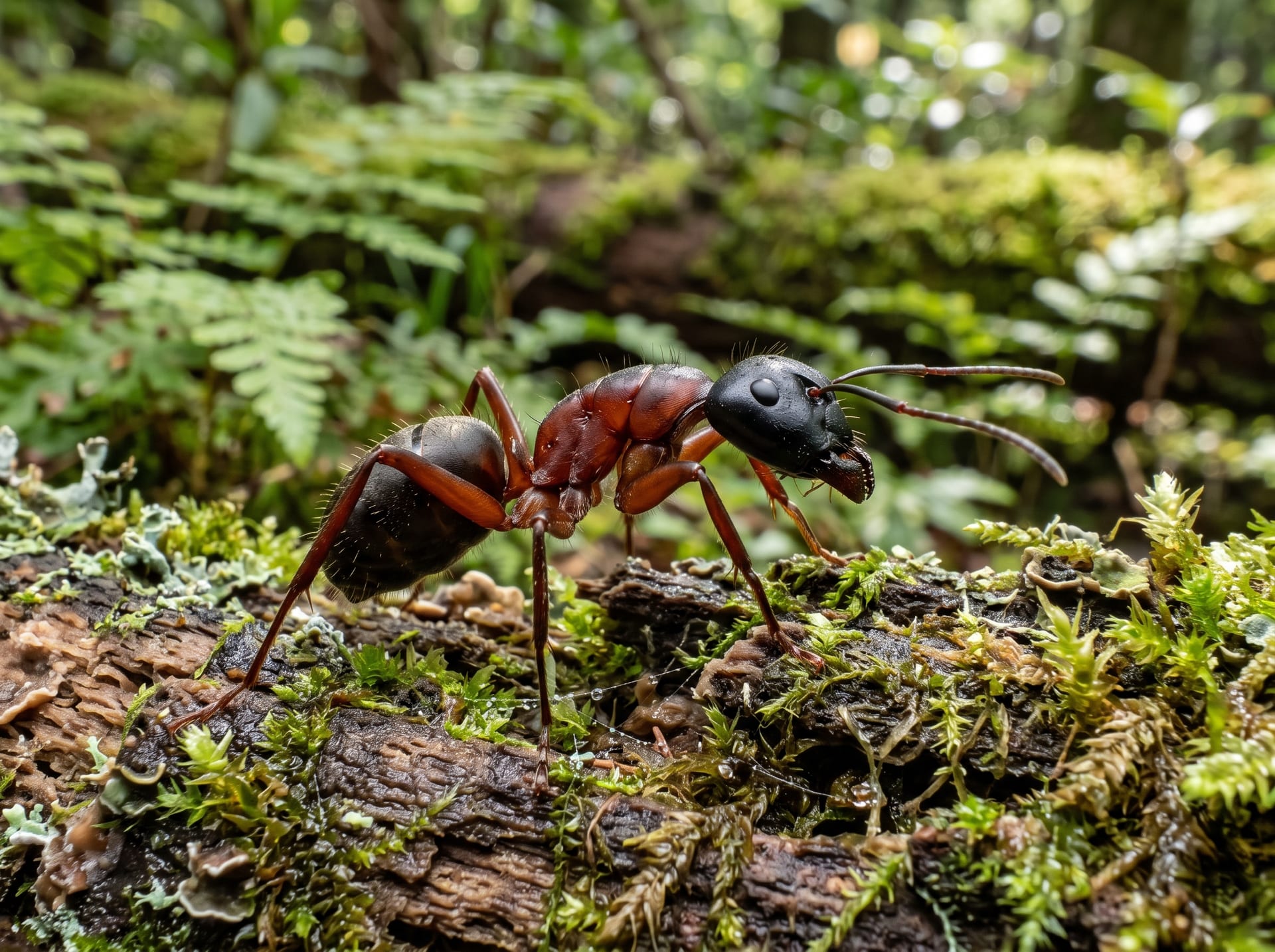
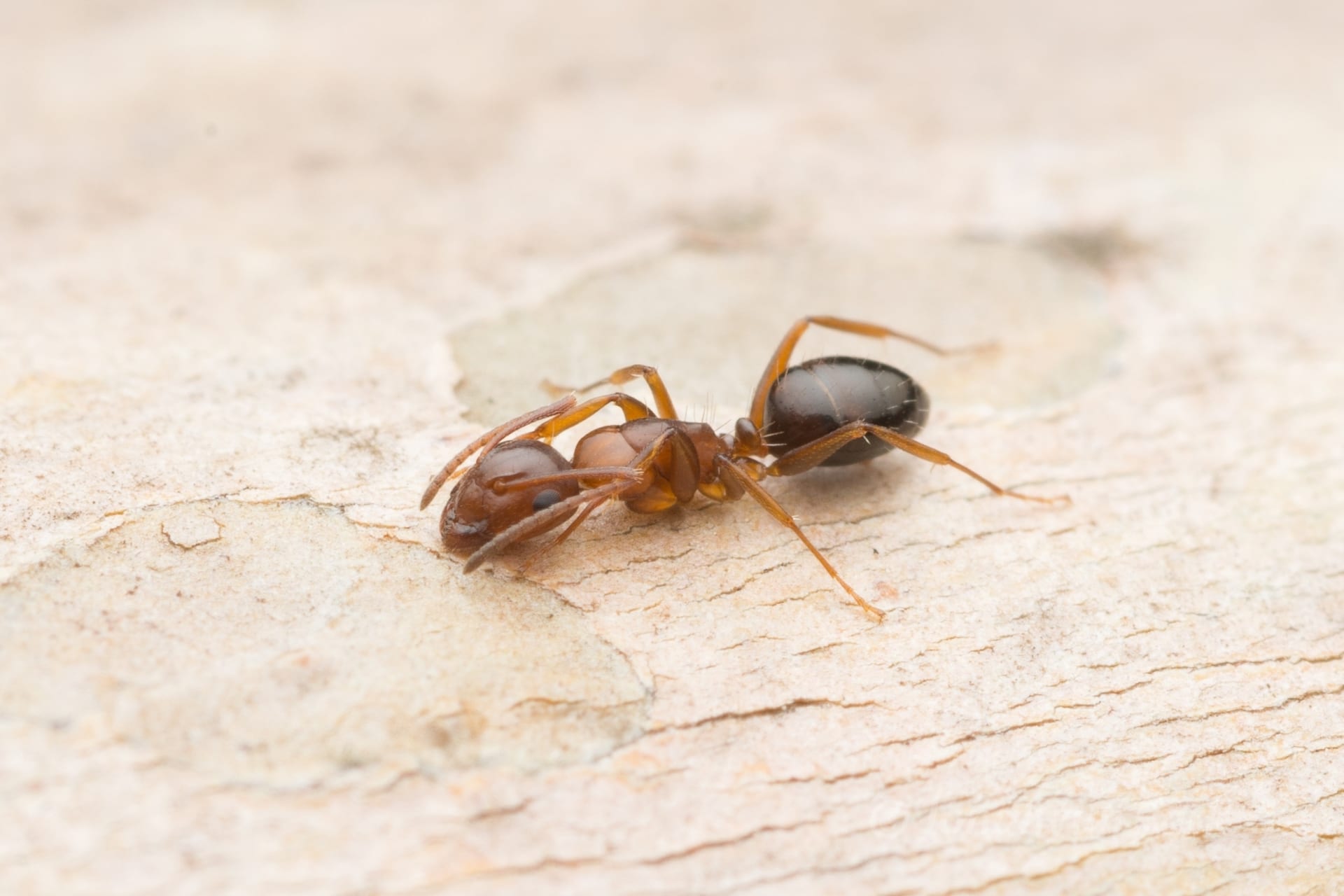
A dark-brown ant with long legs and antennae. Nests in damp forest-edge and forest soil or under stones, and carries dead insects to the nest in groups.
Difficulty
Intermediate
Temperature
23〜25℃
Lifespan
Queens 5-10 years
Size
Workers 3.5-8mm, queens 10mm
Humidity
60〜80%
Diet
Mainly dead insects and other small animals; also sugars
About
Aphaenogaster famelica is a myrmicine ant distributed widely across Japan from Hokkaido to Kyushu, Sado, the Izu Islands, Tsushima, Tanegashima and Yakushima, and abroad in China. Workers measure 3.5-8mm and queens 10mm; the antennal scapes, mesosoma and legs are all long, the body dark brown and the legs brown. The commonest species of its genus, it nests in damp, shaded soil or under stones where moss grows, at forest edges and inside forests, in lowlands in eastern Japan and from lowlands to mountains in the west. Colonies are monogynous, and nuptial flights take place from June to late July. Workers forage mainly on the ground and carry dead insects and other small animals to the nest in groups. In captivity it must be fed mainly on insects, which takes a little more effort than beginner species, but its lively activity makes it rewarding to observe.
Source: Wikipedia (CC BY-SA 4.0)
Lifespan of the Long-legged Ant
The Long-legged Ant lives Queens 5-10 years.
Size of the Long-legged Ant
The Long-legged Ant grows to Workers 3.5-8mm, queens 10mm.
Temperature & humidity for the Long-legged Ant
The ideal temperature for the Long-legged Ant is 23〜25℃.
Basic Info
Origin
Hokkaido to Kyushu, Sado, Izu Islands, Iki, Tsushima, Tanegashima, Yakushima; China
Lifespan
Queens 5-10 years
Care Specifications
PeacefulGroupBreeding: Moderate
Sources: AntRoom: How to keep ants (JP) / Wikipedia (ja): アシナガアリ / Japanese Ant Image Database (アシナガアリ)
References & Sources
Edited & verified by: BreederDirect editorial team
The taxonomic, regulatory, and husbandry data on this page are compiled and verified against the authoritative primary sources below.
Taxonomy & Authority
Accepted name: Aphaenogaster famelica (Smith, 1874)
Authority databases: GBIF
Nomenclature follows global taxonomic authority databases.
Regulations & Conservation Status
Not CITES-listed
Sources: CITES Appendices (species not listed)
Regulations may change. Always verify the latest information with the relevant authorities.
Long-legged Ant Listings
Loading latest listingsFind listings for this species