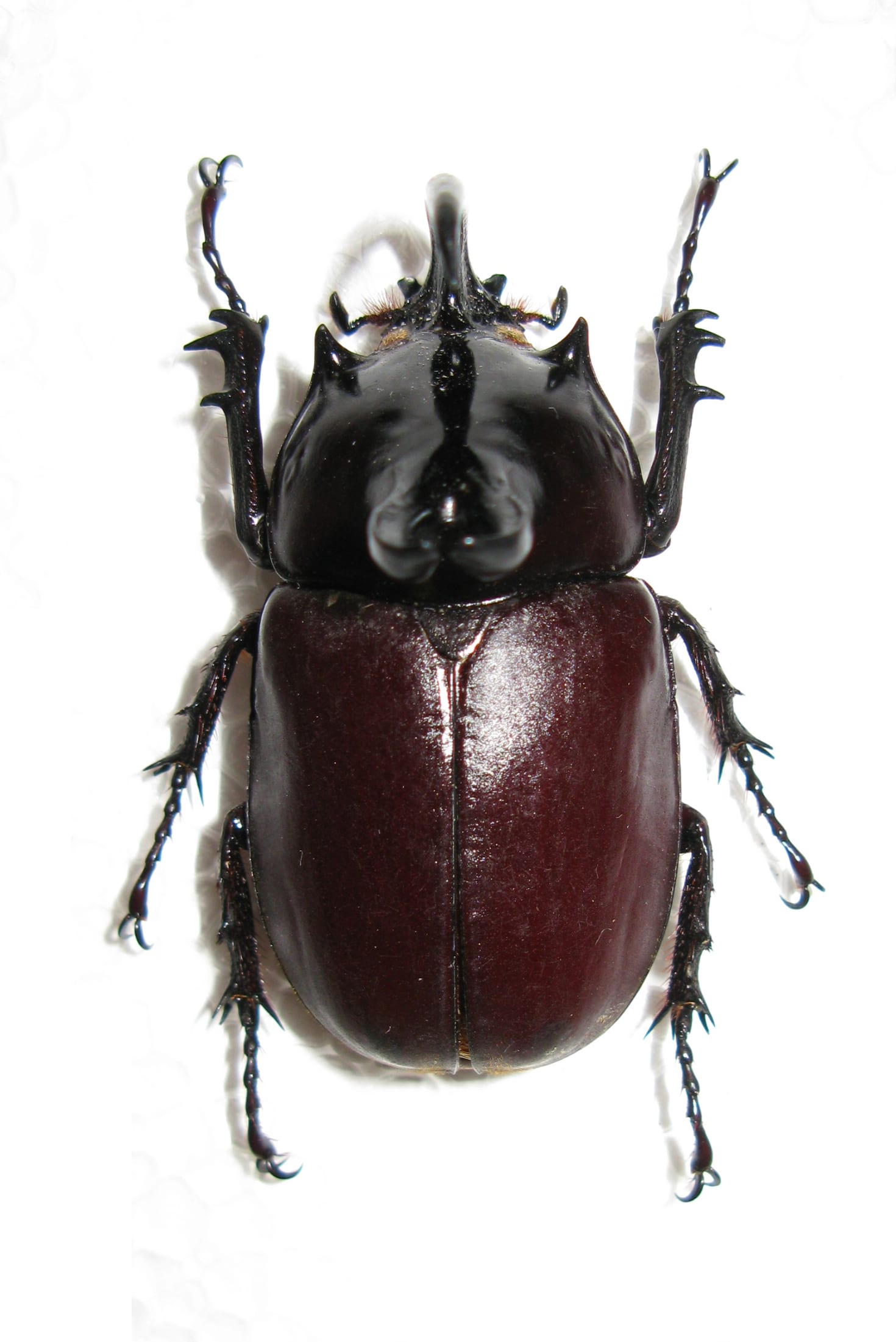
 © Anaxibia / CC BY-SA 3.0
Burmese five-horned beetle
The Burmese five-horned beetle is a striking scarab known for its reddish-brown body, long curving head horn, and elongated thoracic horns. Two of the inner thoracic horns curl upright like a pair of ears, giving rise to its other common name, the rabbit ears beetle. It is found in mountainous areas along the Thailand-Myanmar border. Adults typically measure 30 to 60mm, with a recorded captive specimen reaching 66.4mm. Its dramatic horn structure makes it a favorite among keepers who want something visually distinctive, though its care is generally considered better suited to more experienced hobbyists.
View Burmese five-horned beetle encyclopedia →0% commission on your first sales!Register by September 30, 2026 and your first 2 sales are commission-free!
Breeder Wanted!
List on BreederDirect and sell directly to customers nationwide!
BreederDirect's 6 Transparency Commitments
When listing Insects, Breeders disclose the following. We guarantee transparency on growth stage and breeding unit.
- Life Stage Clarity
- Generation Info
- Real Photos
- Breeding Unit
- Country of Origin
- Body Length (mm)
Browse all 336 breeds
Verified breeders wanted for Insects
Breeders are signing up now ahead of launch. Subscribe to be notified when new listings go live.
Getting alerts is free with a member account. When new listings match your saved search, we'll notify you by email and in-app.
Browse other categories
Verified breeders (preview)
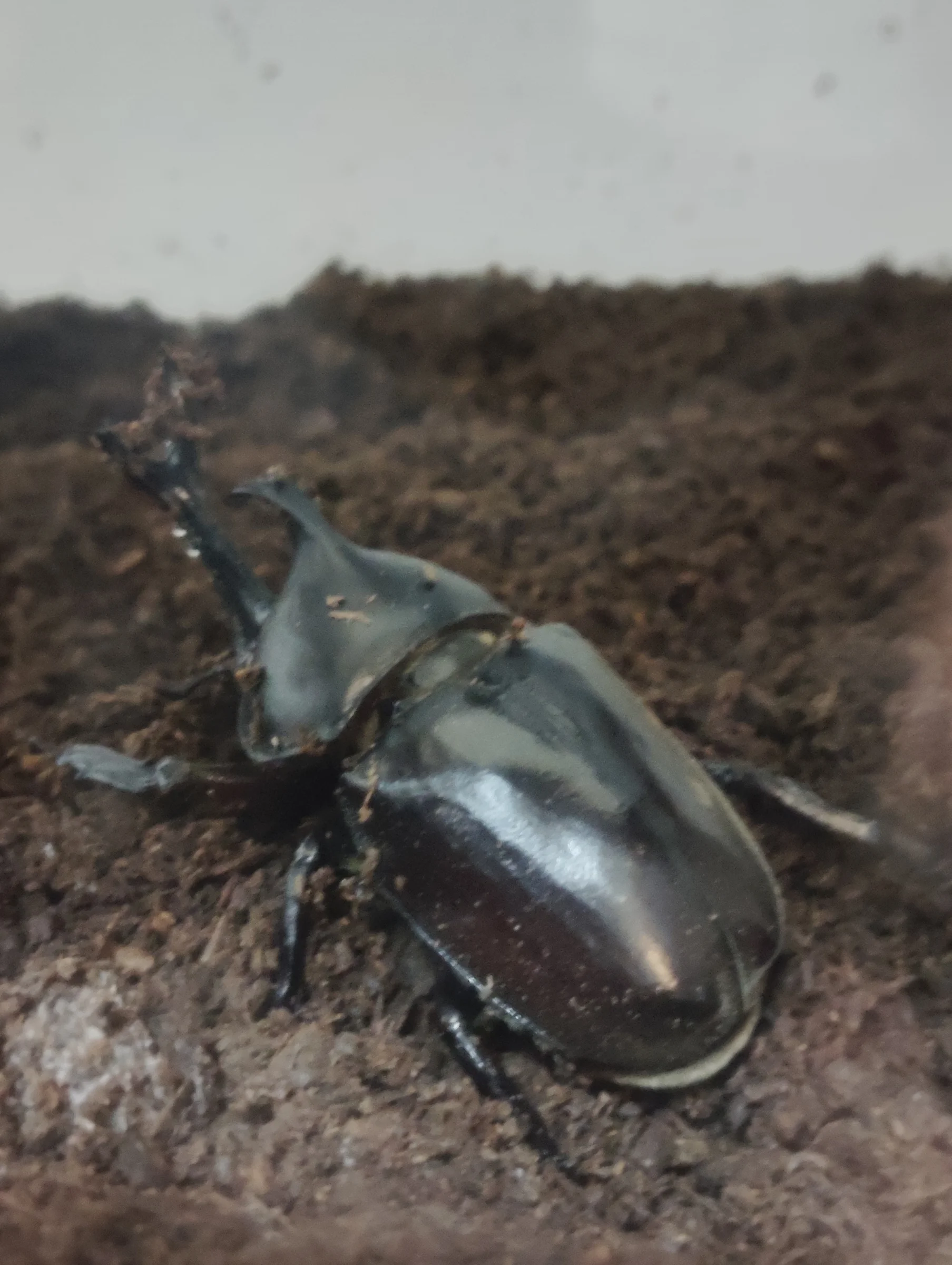
Burmese five-horned beetle key facts
- Care level
- Intermediate
- Lifespan
- Adults a few months to about half a year (genus accounts)
- Size
- 30-60mm (captive record 66.4mm)
- Diet
- Adults take sap, fruit or beetle jelly (bamboo-shoot sap in the wild); larvae eat fermented substrate
- Temperature & Humidity
- There is little numeric temperature data. As a mountain-forest species, keep it away from places where summer heat builds up.
- Food & Feeding
- In the wild it drinks the sap of bamboo shoots and also visits sap and fruit. In captivity offer beetle jelly.
- Breeding & Egg-laying
- In the wild it lays in humus mixed with bamboo leaves and stems, but in captivity bamboo is unnecessary and is said to spoil the substrate and stop egg-laying. Use ordinary fermented substrate.
- Cohabitation
- The genus is placid rather than combative, but the long legs grip hard. Keep the sexes apart except for breeding.
- Lifespan & Rearing Period
- Adults of the genus live from a few months to about half a year.
- Health & Notes
- Check the label so it is not confused with E. gracilicornis (cream wing cases) or E. siamensis (plate-like inner thoracic horns). Importing foreign stag and rhinoceros beetles is regulated by the Plant Protection Act and the Invasive Alien Species Act (species-name certificate), with each species needing clearance from the Plant Protection Station, so domestically bred stock is the safe choice. Never release captive beetles.
About Burmese five-horned beetle
A reddish-brown beetle with a long curving head horn and rabbit-ear-like thoracic horns, native to the Thailand-Myanmar border mountains. Adults reach 30 to 60mm.
7 things to know before welcoming a Burmese five-horned beetle
1Distinctive five horns
The long curving head horn combined with the thoracic horns gives this beetle its "five-horned" name. Two of the inner thoracic horns stand upright like rabbit ears, which is where its English name comes from.
2Limited mountain range
This beetle is native to mountainous areas along the Thailand-Myanmar border, a fairly limited range. How well the horns develop can vary with rearing conditions and individual differences.
3Adults live a few months
Adults typically live from a few months up to about half a year, which is shorter than many other beetle species. Plan your care schedule with this relatively short adult lifespan in mind.
4Best suited to experienced keepers
Compared with more common beetle species, this one is generally considered suited to keepers with some prior experience. If you've kept other beetles before, you'll likely be able to apply what you've learned to its care.
5Adult size varies by individual
Adult body length generally ranges from about 30 to 60mm, with noticeable variation between individuals. One captive specimen has been recorded at 66.4mm, and horn growth also differs from beetle to beetle.
6Handle the horns with care
The long head and thoracic horns are visually impressive, but they can be damaged if knocked or caught on something. Take care with enclosure layout and handling so the horns aren't put under unnecessary stress.
7Prepare before bringing one home
Before bringing one home, set up an enclosure with enough substrate depth for the beetle to burrow and secure footing to prevent it from getting stuck on its back. Since this species is considered suited to more experienced keepers, it helps to review the basics of beetle care beforehand.
Frequently asked questions about Burmese five-horned beetle
- Q.Where does the name "five-horned beetle" come from?
- A.It has five horns in total across its head and thorax, which is the origin of its Japanese "five-horned" name. Two of the inner thoracic horns stand upright like ears, giving it the English name rabbit ears beetle.
- Q.How long do adults live?
- A.Adults typically live from a few months up to about half a year. It's best to plan for a relatively short adult stage rather than expecting long-term care.
- Q.Is this beetle suitable for beginners?
- A.This species is generally considered better suited to keepers with some prior experience. If you've kept other beetles before, you should find it manageable.
- Q.How big do adults get?
- A.Adults generally measure about 30 to 60mm, with variation between individuals. One captive specimen has been recorded at 66.4mm.
- Q.Is this species subject to CITES?
- A.The Burmese five-horned beetle is not subject to CITES. Many live foreign Scarabaeoidea (stag beetles, rhinoceros beetles, flower chafers and relatives) are quarantine pests whose import is banned under Japan's Plant Protection Act, and even importable species require a species-name certificate from a foreign government body under the Invasive Alien Species Act (entry only via designated airports, never by international post). Whether a species may enter must be checked with the Plant Protection Station in advance, so choose domestically bred stock and never release captive beetles.
Useful tools for Burmese five-horned beetle care
Learn more about Burmese five-horned beetle in the encyclopedia
View Burmese five-horned beetle encyclopedia entry →
Care difficulty, lifespan, size and diet — all basics covered.
More in this category
Can't find the one you're looking for?
Post your wishes for free and breeders with matching animals will contact you with introductions.