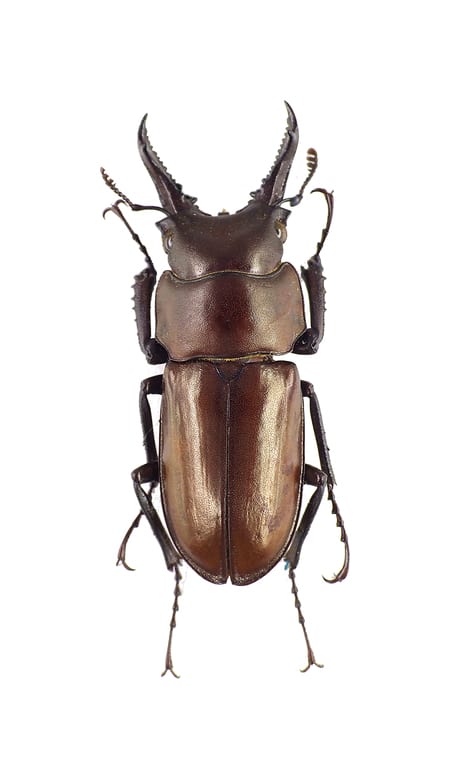
 © Noël Mal / CC BY-SA 4.0
Daurian stag beetle
The Daurian stag beetle is the largest species in its genus found in Japan, and within the country it occurs only on Tsushima Island in Nagasaki Prefecture. Despite the "golden" meaning behind its Japanese name, its body is not actually gold-colored — instead it has a glossy finish, paired with mandibles that are notably longer and straighter than those of its relatives in the genus. It is listed as Near Threatened on Japan's Ministry of the Environment Red List, reflecting its rarity. Captive lifespan is thought to be very short, and much of its natural history is still not well understood, making it a species best suited to experienced keepers and a true symbol of Tsushima's wildlife.
View Daurian stag beetle encyclopedia →0% commission on your first sales!Register by September 30, 2026 and your first 2 sales are commission-free!
Breeder Wanted!
List on BreederDirect and sell directly to customers nationwide!
BreederDirect's 6 Transparency Commitments
When listing Insects, Breeders disclose the following. We guarantee transparency on growth stage and breeding unit.
- Life Stage Clarity
- Generation Info
- Real Photos
- Breeding Unit
- Country of Origin
- Body Length (mm)
Browse all 336 breeds
Verified breeders wanted for Insects
Breeders are signing up now ahead of launch. Subscribe to be notified when new listings go live.
Getting alerts is free with a member account. When new listings match your saved search, we'll notify you by email and in-app.
Browse other categories
Verified breeders (preview)
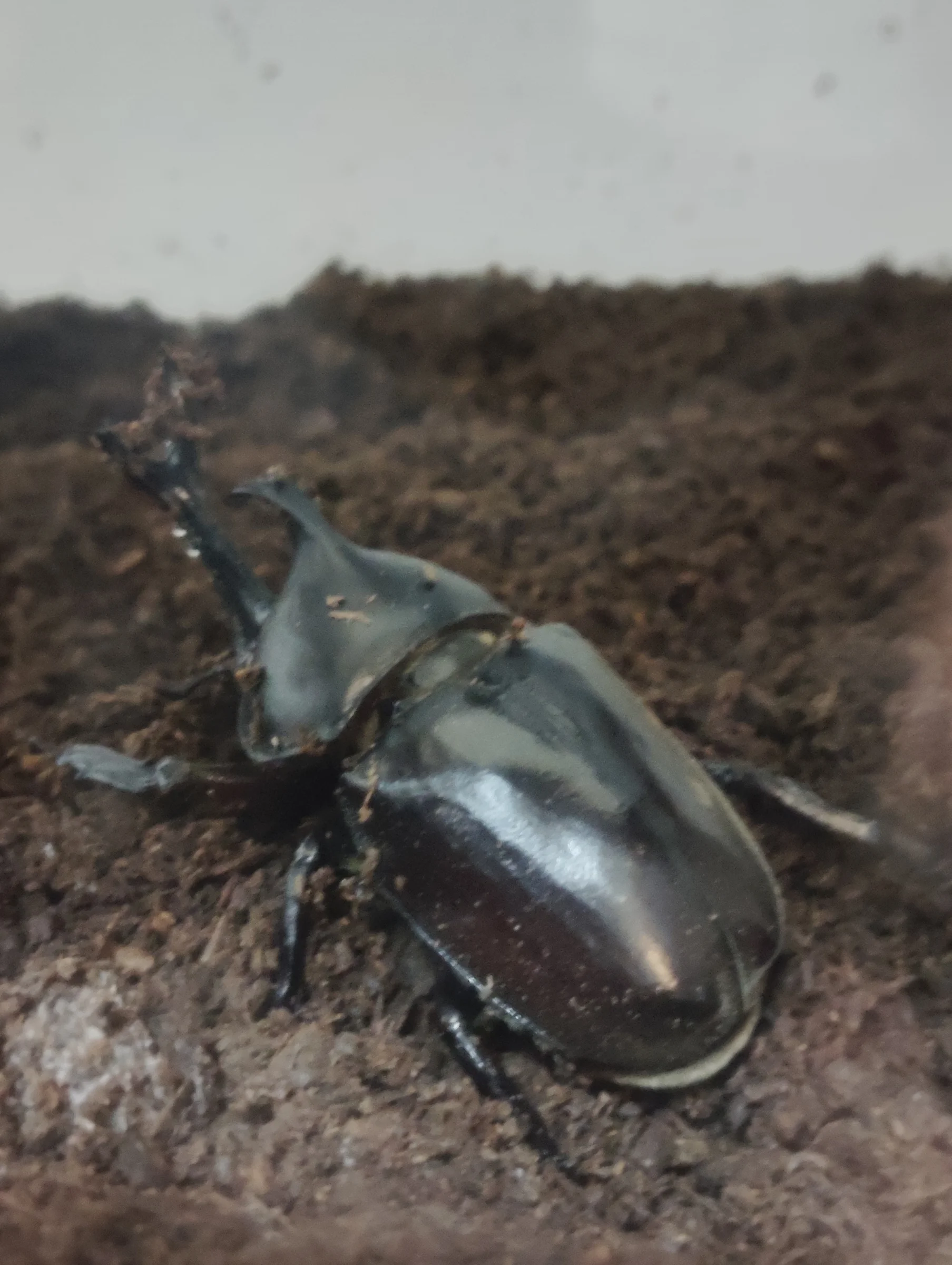
Daurian stag beetle key facts
- Care level
- Advanced
- Lifespan
- Said to be very short-lived (ecology poorly known)
- Size
- Captive record 41.3mm, wild record 38.8mm
- Diet
- Adults are said to feed little; larvae eat moist, soft rotten wood
- Temperature & Humidity
- Its ecology is poorly known. The related P. angularis lives mainly in beech forest at about 800-2000m, so cool conditions away from heat are presumably the safe choice.
- Breeding & Egg-laying
- Larvae of P. angularis feed on moist, soft fallen hardwood such as beech and oak and take about a year to grow. Provide well-moistened soft wood for laying.
- Lifespan & Rearing Period
- It is said to be very short-lived and not to visit sap. Adults of P. angularis barely feed and die one to a few weeks after becoming active, so pair beetles soon after they emerge.
- Cohabitation
- Keep adults singly and together only for mating.
- Health & Notes
- On Tsushima it is Near Threatened on the national Red List because its food trees are vanishing. Choose captive-bred rather than wild-caught stock, keep Tsushima and continental lines apart, and never release captive beetles.
About Daurian stag beetle
The Daurian stag beetle is Japan's largest species in its genus, found only on Tsushima Island. Glossy-bodied with long mandibles, it's Near Threatened and best suited to experienced keepers.
7 things to know before welcoming a Daurian stag beetle
1Found Only on Tsushima Within Japan
This stag beetle ranges across eastern Siberia, northeastern China, the Korean Peninsula and Jeju Island, and within Japan it lives only on Tsushima. Because its food trees are disappearing there, it is listed as Near Threatened (NT) on the Ministry of the Environment's Red List. Choose captive-bred lines over wild-collected beetles and keep different localities separate.
2Best for Advanced Keepers
This species is generally considered suitable for advanced keepers, often requiring careful adjustments to temperature and humidity. It's best approached after gaining experience with easier stag beetle species first.
3Not Actually Golden
Despite the word "golden" in its Japanese name, this beetle is not actually gold-colored. Its real appeal lies in a glossy body and mandibles that are longer and straighter than those of its relatives in the genus.
4A Very Short Lifespan
Lifespan is thought to be very short, though the details of its life cycle are not yet well understood. After bringing one home, it's worth observing it closely each day and providing a stable environment for the time it has.
5A Range in Body Size
Recorded adult sizes reach up to 41.3mm in captivity and 38.8mm in the wild, with some individual variation. Part of the enjoyment of keeping stag beetles is appreciating how mandible shape and body size differ between individuals.
6Keep It Quiet and Calm
As an insect, it doesn't display emotions the way a dog or cat would, but it tends to be sensitive to vibration and strong light. Keeping its enclosure in a quiet spot away from direct sunlight and vibration will help it settle in comfortably.
7Preparing Before Arrival
Since Tsushima is its only home in Japan and the population there is declining, captive-bred beetles are the right choice. Keep Tsushima stock separate from mainland Asian and Korean stock, and have a full advanced-level setup ready before bringing one home, including an enclosure, climbing branches and substrate.
Frequently asked questions about Daurian stag beetle
- Q.Can beginners keep a Daurian stag beetle?
- A.This species is generally considered suitable for advanced keepers, so it can be a challenging choice for a first stag beetle. It's a good idea to gain experience with temperature and humidity management before taking one on.
- Q.Does it actually have a golden-colored body?
- A.No — despite the "golden" in its Japanese name, its body is not actually gold-colored. Its defining features are a glossy body and mandibles that are longer and straighter than others in its genus.
- Q.How long does it live?
- A.Its lifespan is thought to be very short, though the finer details of its life cycle aren't well understood yet. After bringing one home, it's best to watch its condition closely and care for it attentively.
- Q.How big does it grow?
- A.Recorded adult sizes reach up to 41.3mm in captivity and 38.8mm in the wild. Individuals can vary somewhat in features like mandible length.
- Q.What should I be especially careful about when keeping one?
- A.Beyond managing temperature and humidity, it's important to provide a quiet environment away from vibration and strong light. Because Tsushima is its only home in Japan and that population is listed as Near Threatened (NT), choose captive-bred beetles, keep different localities separate, and never release them outdoors.
Useful tools for Daurian stag beetle care
Learn more about Daurian stag beetle in the encyclopedia
View Daurian stag beetle encyclopedia entry →
Care difficulty, lifespan, size and diet — all basics covered.
More in this category
Can't find the one you're looking for?
Post your wishes for free and breeders with matching animals will contact you with introductions.